
Modern Natural Material Architectural Systems in Hospitality Design
Explore how modern natural material architectural systems transform luxury hospitality design, enhancing guest experience and sustainability.

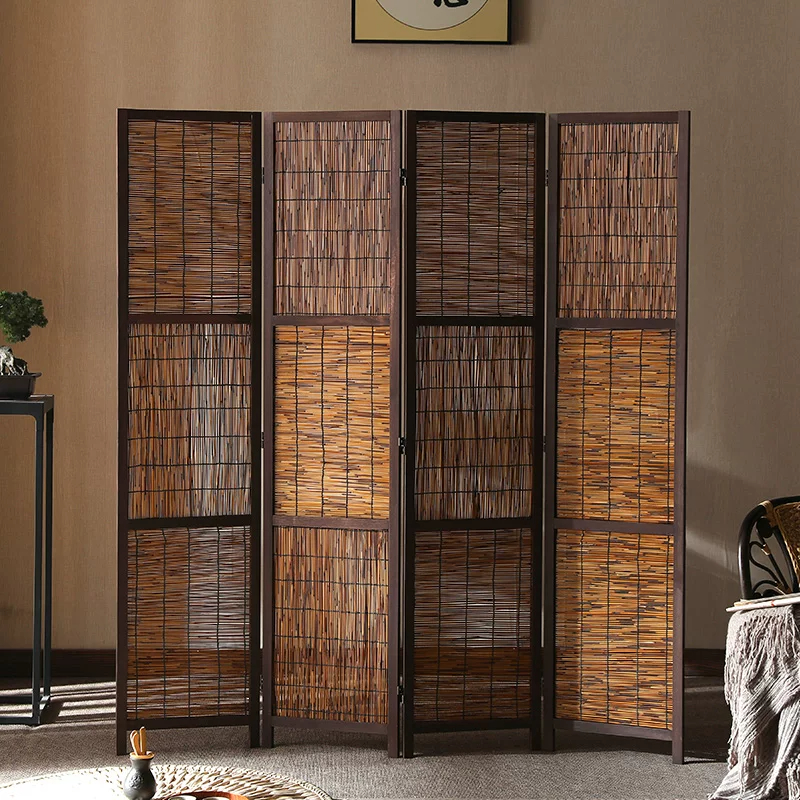
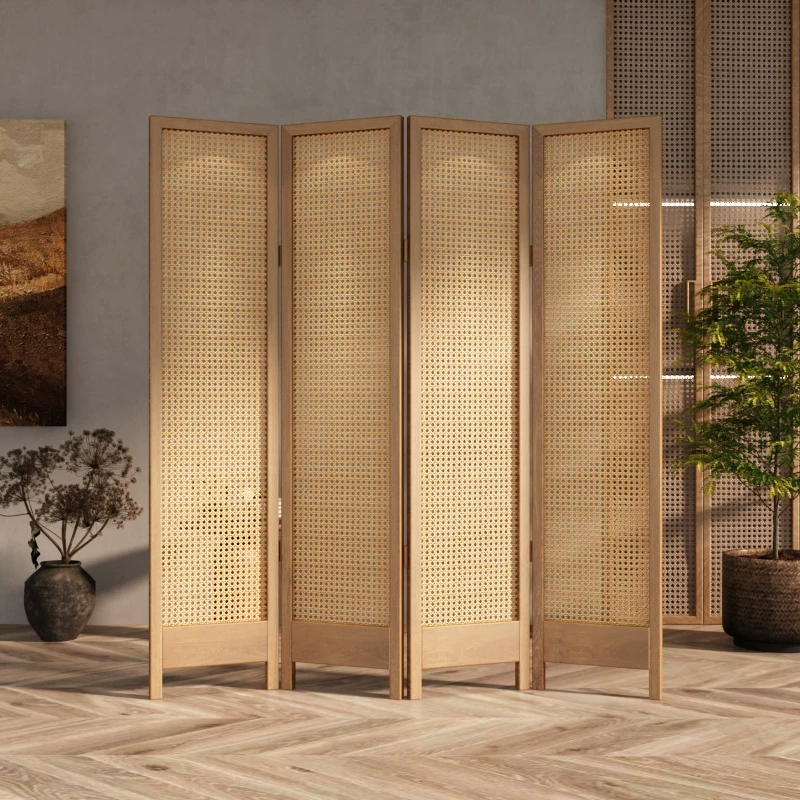
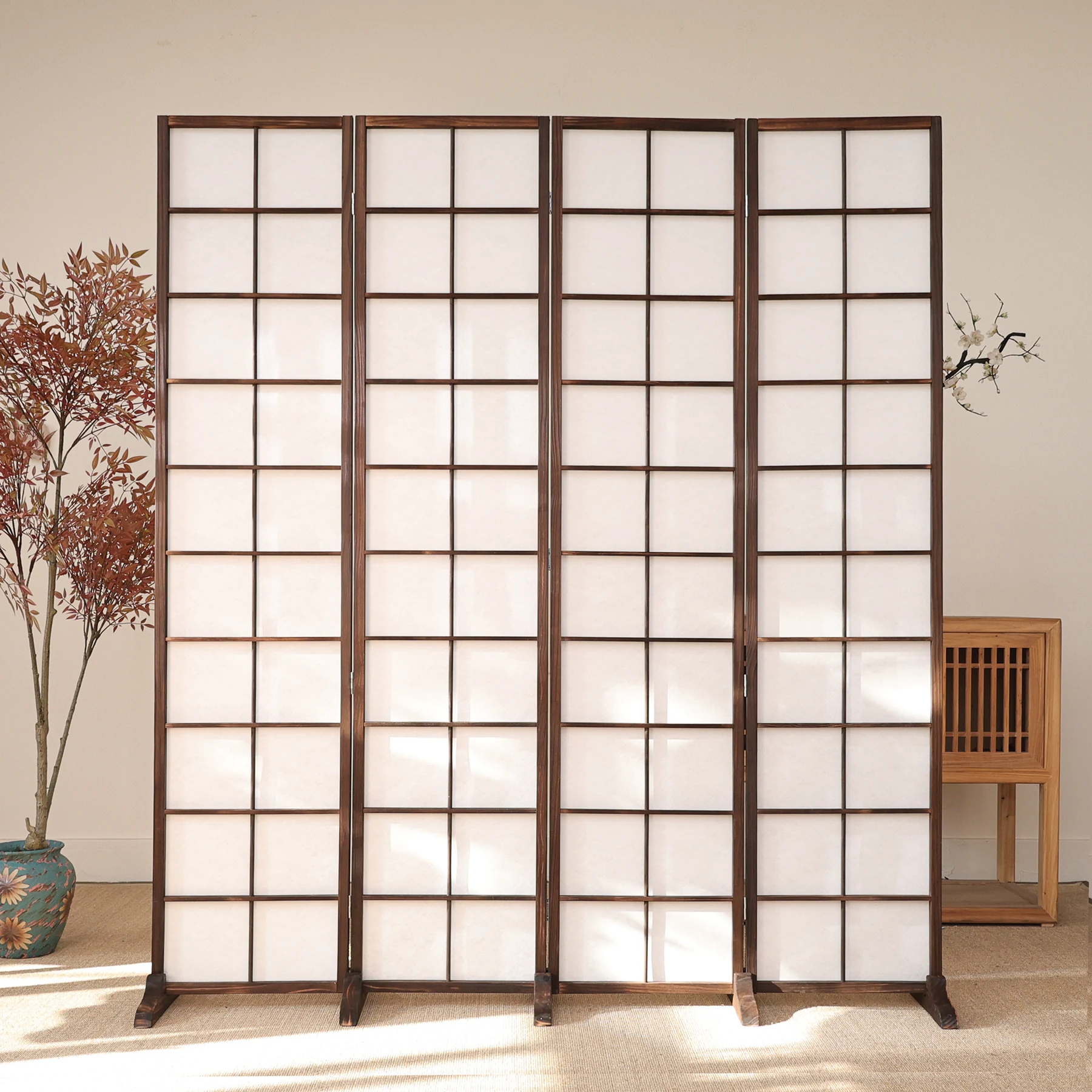
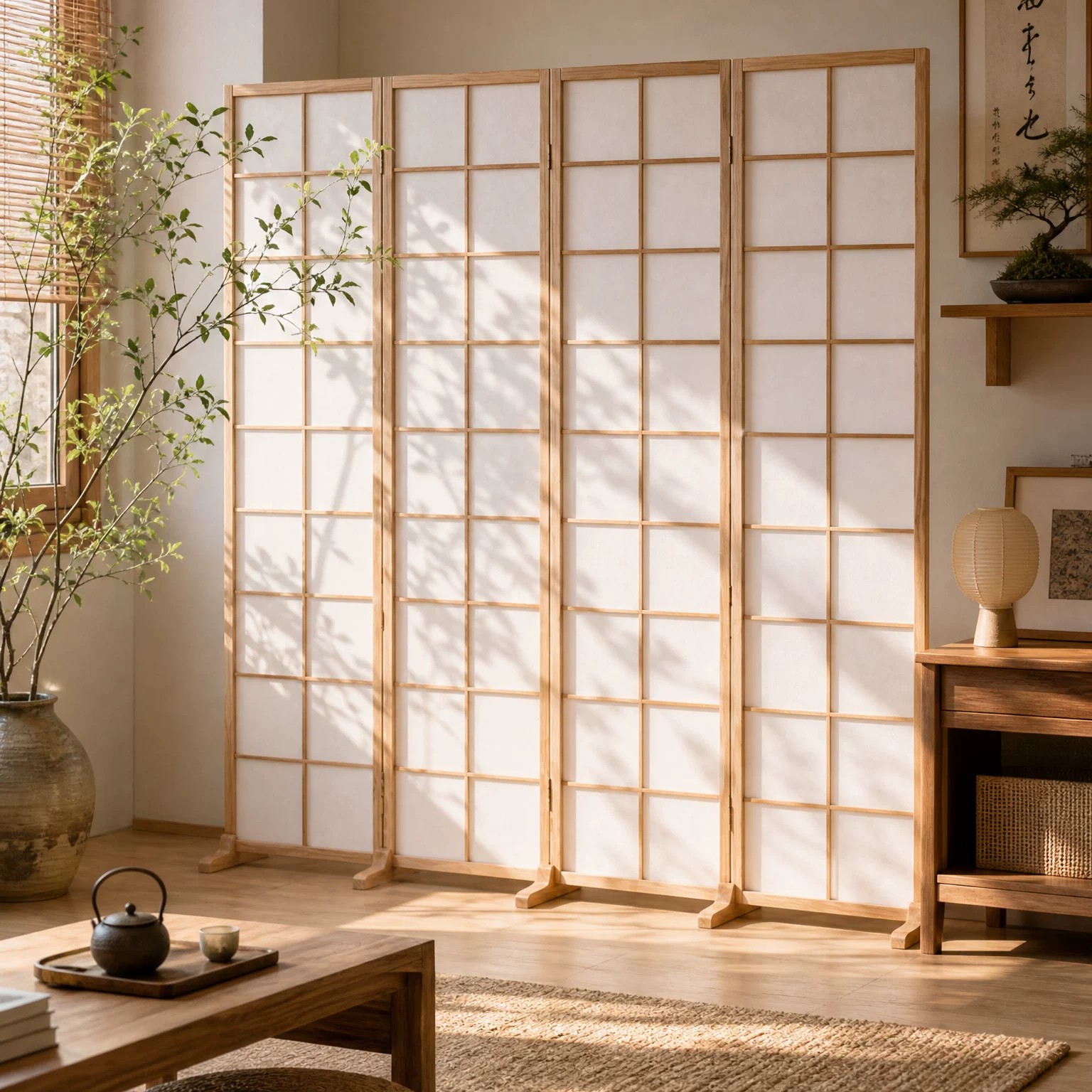
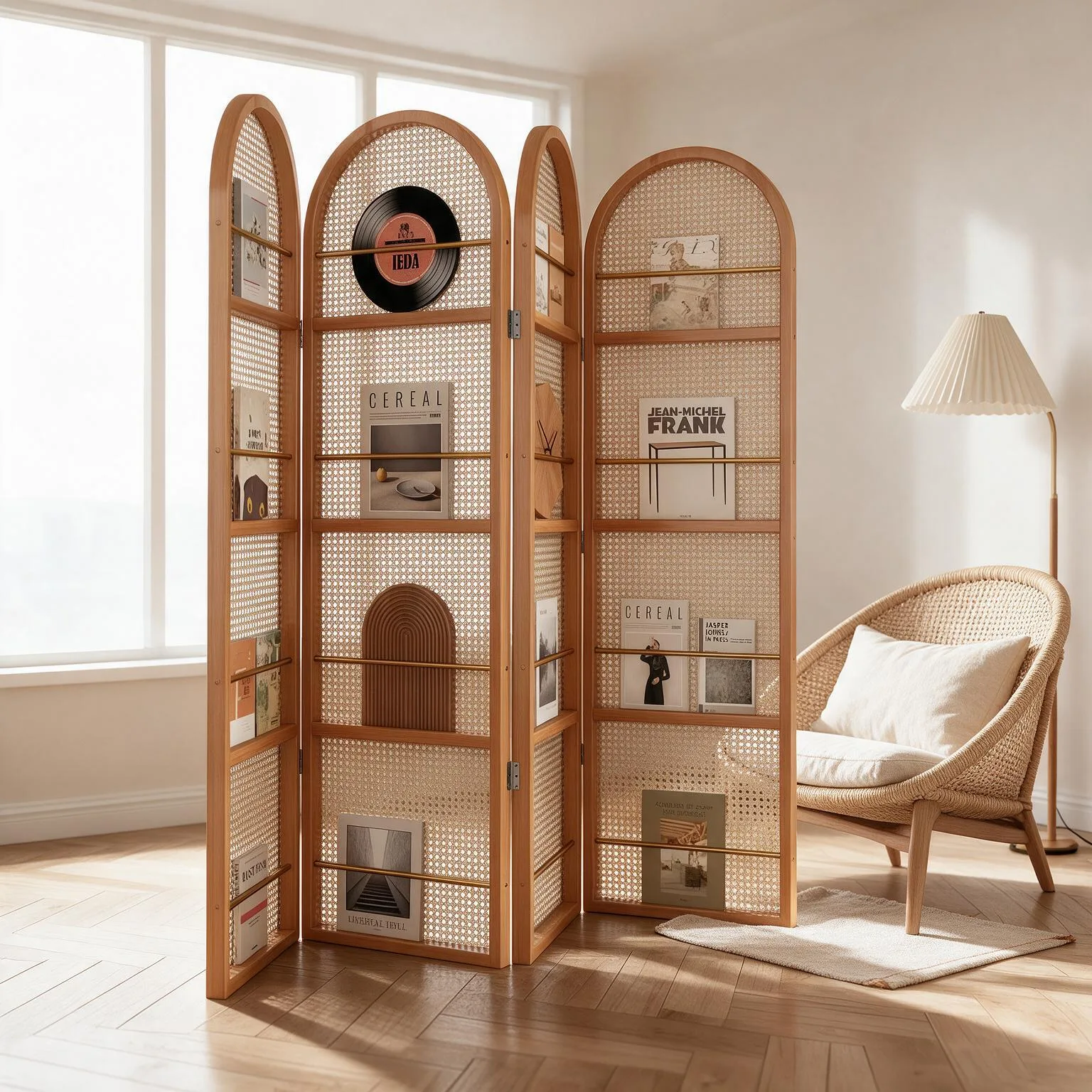
Spatial planning within hospitality environments—encompassing luxury hotels, resorts, and high-end restaurants—demands a sophisticated balance between operational efficiency, aesthetic narrative, and guest experience. The configuration of these commercial spaces must facilitate seamless circulation while simultaneously defining distinct zones for privacy, dining, relaxation, and social interaction. Increasingly, architects and interior designers are moving away from rigid, permanent structural interventions in favor of flexible, modular, and tactically placed architectural systems. Among these, rattan partitions and screens have emerged as highly effective instruments for dynamic spatial demarcation.
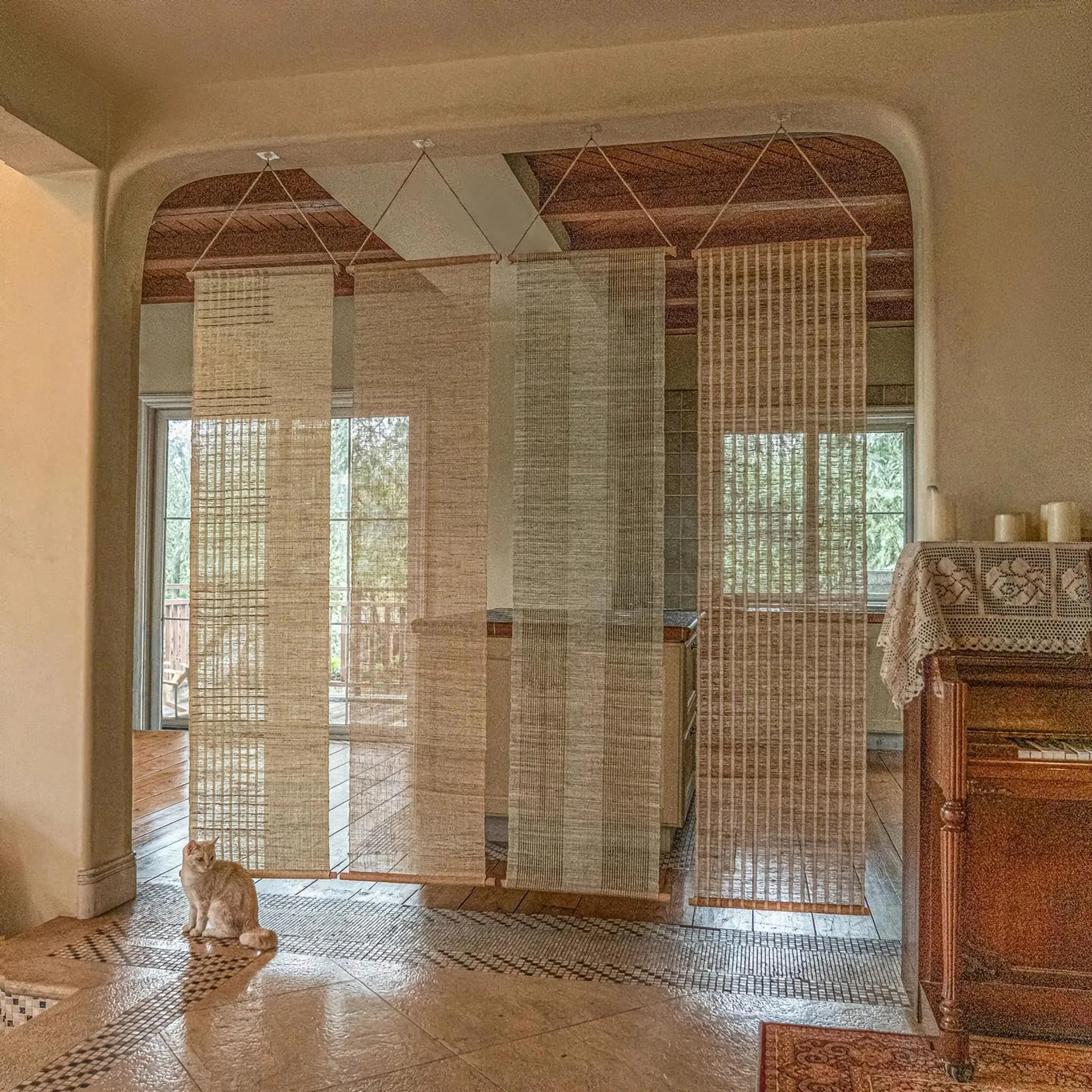
The strategic deployment of rattan partitions and screens allows for the physical separation of areas without compromising the visual continuity or the flow of natural light within a volume. This quality of ‘transparent enclosure’ is crucial in contemporary hospitality design, where maximizing perceived space and connection to the environment is prioritized. Bambooforma recognizes the intricate requirements of commercial spatial planning and offers customizable natural material solutions to meet these challenges.
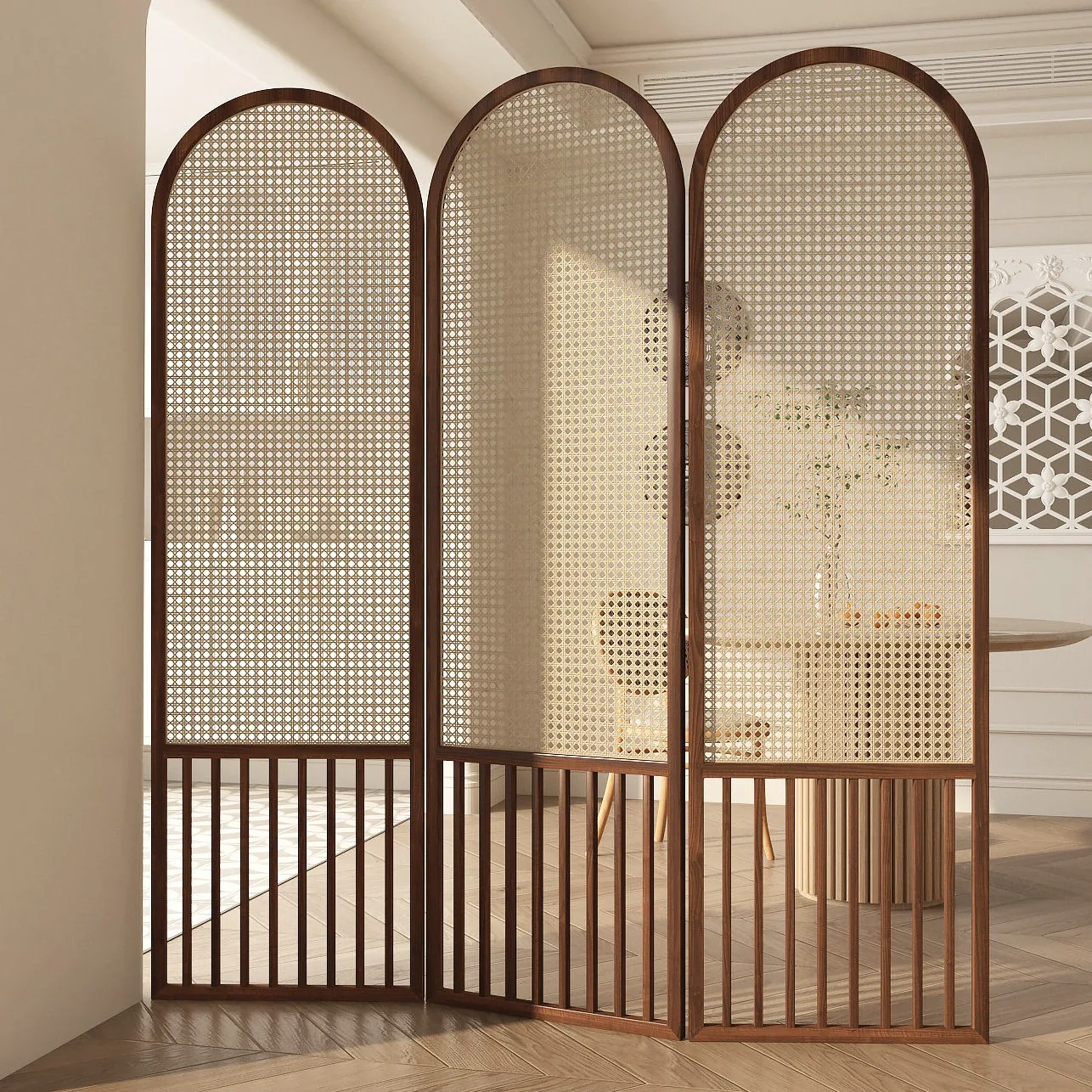
In traditional spatial planning, defining a new zone often required constructing drywall or installing heavy masonry, creating permanent barriers that could stifle the atmosphere of a lounge or lobby. The introduction of architectural rattan systems provides a lighter, more adaptable alternative. These systems function as permeable boundaries, creating necessary definition for areas such as restaurant host stations, private dining nooks, or intimate seating arrangements within a expansive hotel atrium.
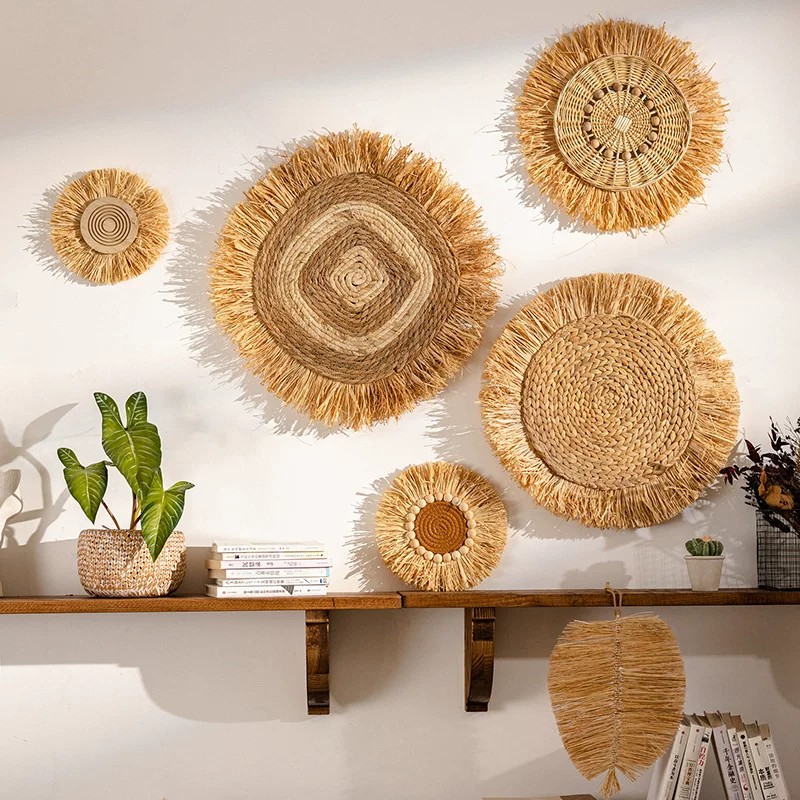
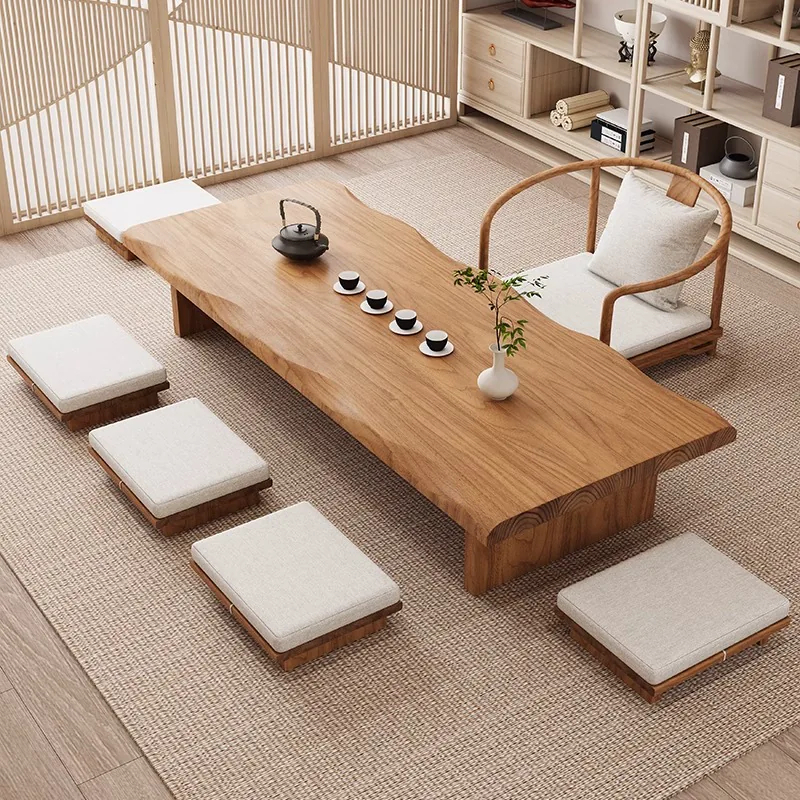
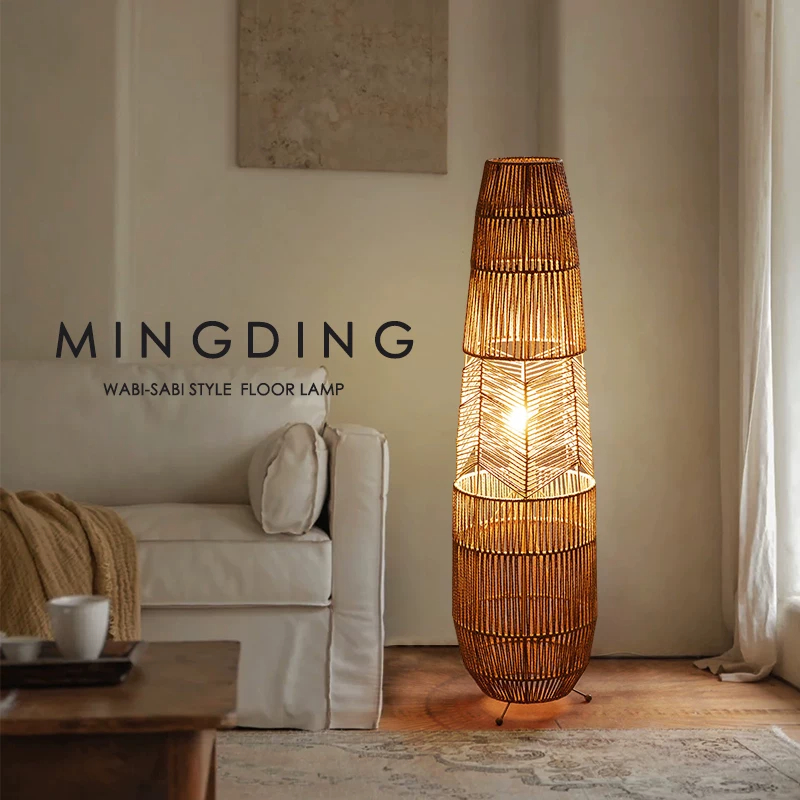
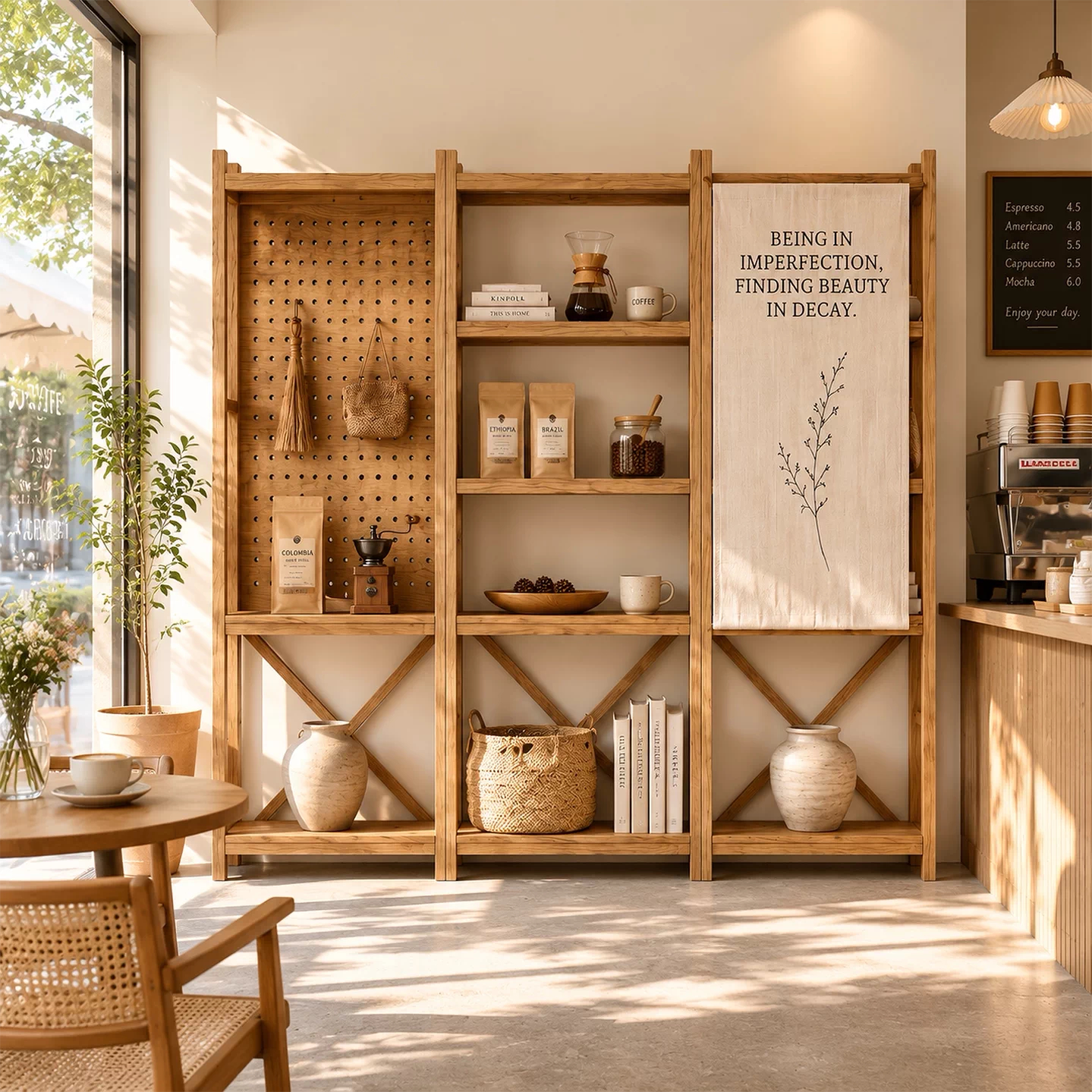
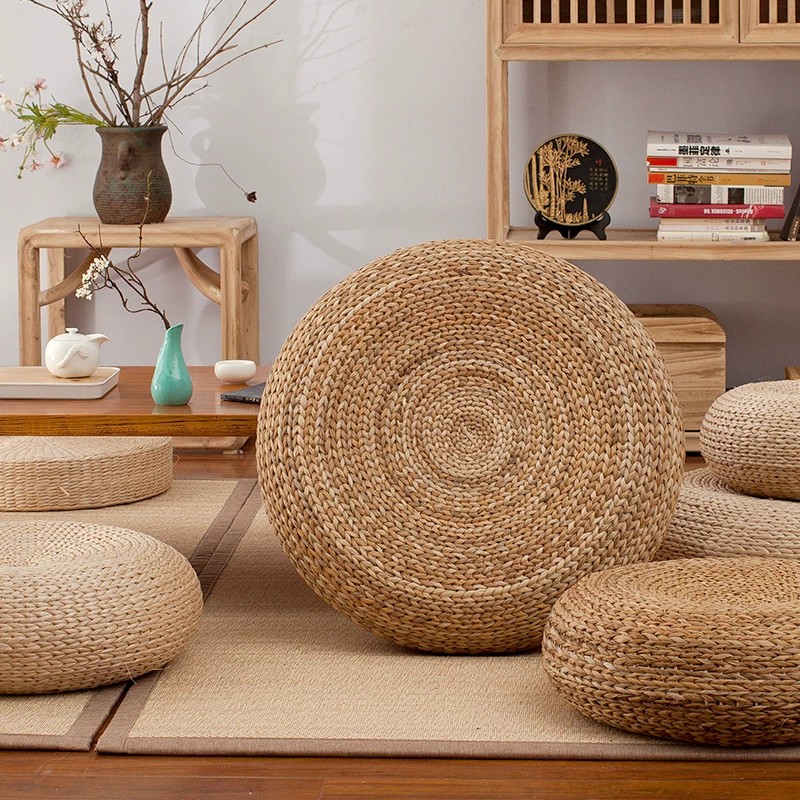
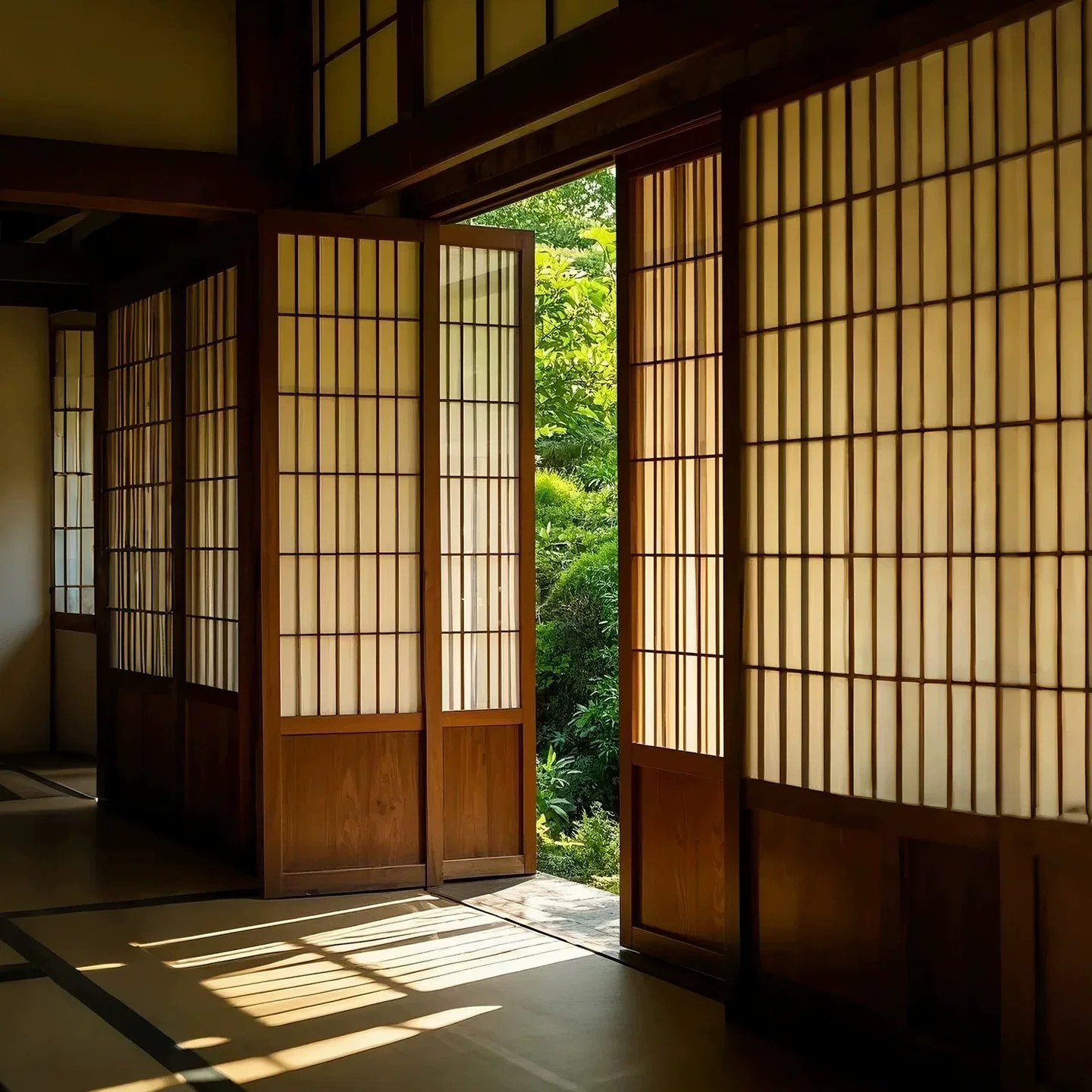
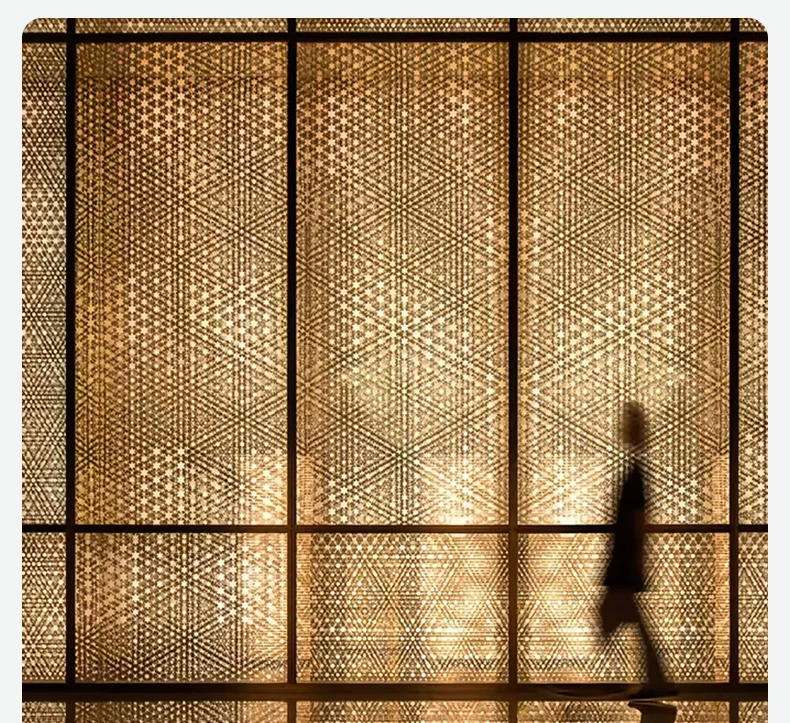
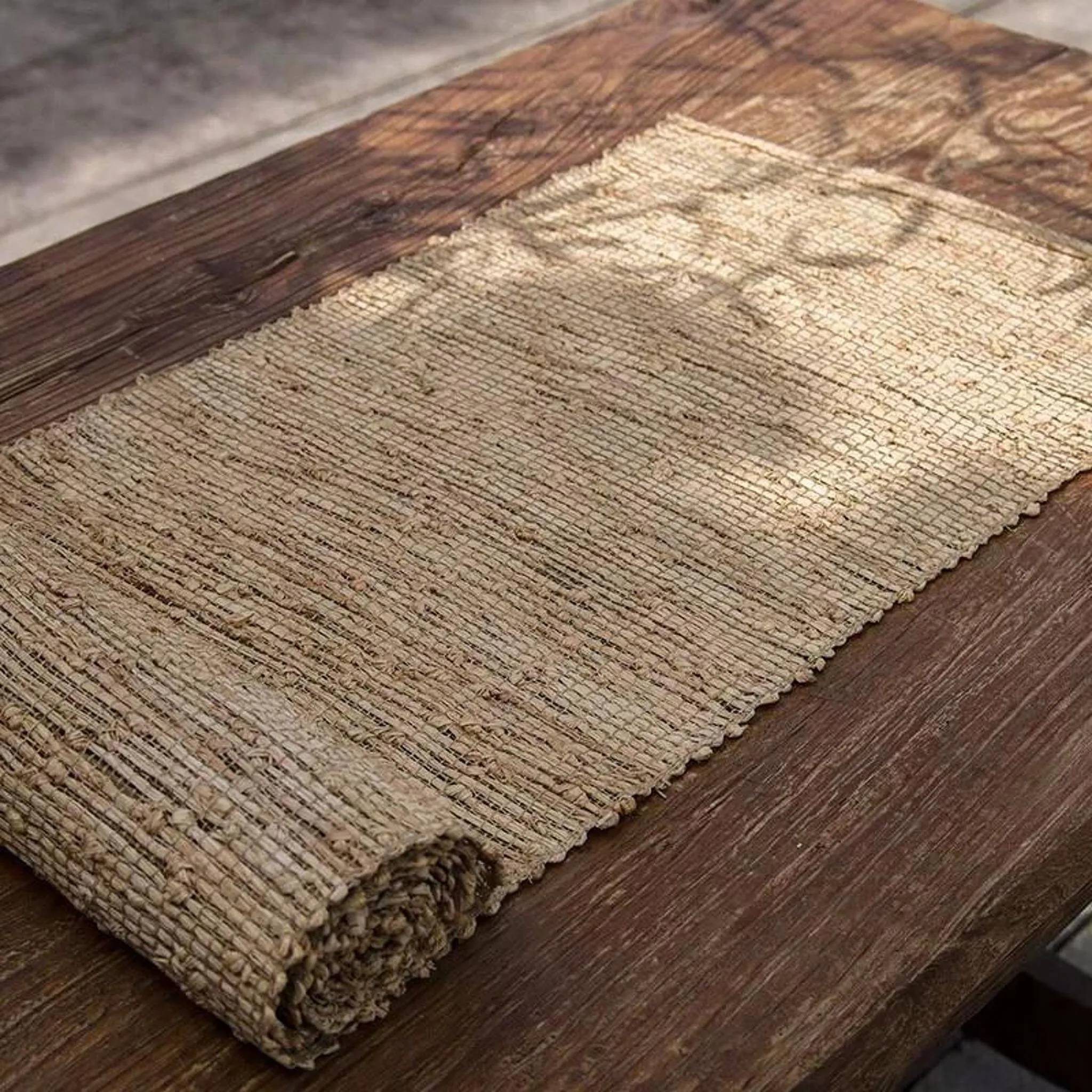
Rattan partitions and screens contribute a textural depth that synthetics cannot replicate. The intricate weave patterns, inherent to rattan construction, filter light dynamically, casting soft shadows that change throughout the day, enhancing the biophilic quality of the interior. In Japandi-inspired interiors—a prevailing aesthetic in luxury hospitality—rattan serves as a critical bridge between Scandinavian minimalism and rustic Japanese elegance, offering warmth and organic irregularity to sophisticated spaces.
While aesthetics are paramount, specifyers for hospitality projects must prioritize material performance and longevity. Rattan, derived from the strong, flexible stems of climbing palms, is inherently durable and resilient. However, for commercial applications, rigorous material selection and appropriate finish specifications are essential. Bambooforma ensures that the rattan utilized in their architectural systems undergoes necessary treatment to enhance stability and resistance to wear.
The strength-to-weight ratio of rattan is particularly advantageous for large-scale partitions and movable screens. These architectural elements are lightweight enough to be repositioned as the functional needs of a space evolve—such as transitioning a lounge from daytime coffee service to evening cocktails—yet robust enough to withstand daily interaction in high-traffic areas. This operational flexibility is a key differentiator in optimizing the utility and revenue potential of hospitality square footage.
Guest experience is deeply influenced by perceived privacy and acoustic comfort. In open-plan designs, managing noise levels and creating secluded areas is often challenging. While not offering the full sound attenuation of solid walls, rattan partitions and screens significantly improve acoustic conditions by diffusing sound waves, preventing harsh echo and reverberation. The complex geometry of the weave breaks up sound paths, contributing to a more comfortable auditory environment.
Visually, these screens provide essential screening without total isolation. A well-placed rattan partition can shelter dining guests from the high traffic of a corridor or provide a sense of seclusion for hotel guests working in a communal business lounge, while still allowing them to feel connected to the larger atmosphere. This balance is critical for fostering a welcoming environment that cater to the diverse needs of modern travelers and patrons.
The inherent versatility of rattan lends itself to significant customization, enabling architects and designers to tailor screens to the specific aesthetic and functional requirements of a project. Custom natural material systems allow for precise specification of weave density—ranging from open, airy patterns that emphasize light transmission to tight, complex weaves that maximize privacy. Frame designs can incorporate wood, metal, or other sustainable materials to achieve specific structural profiles or integration with existing architectural elements.
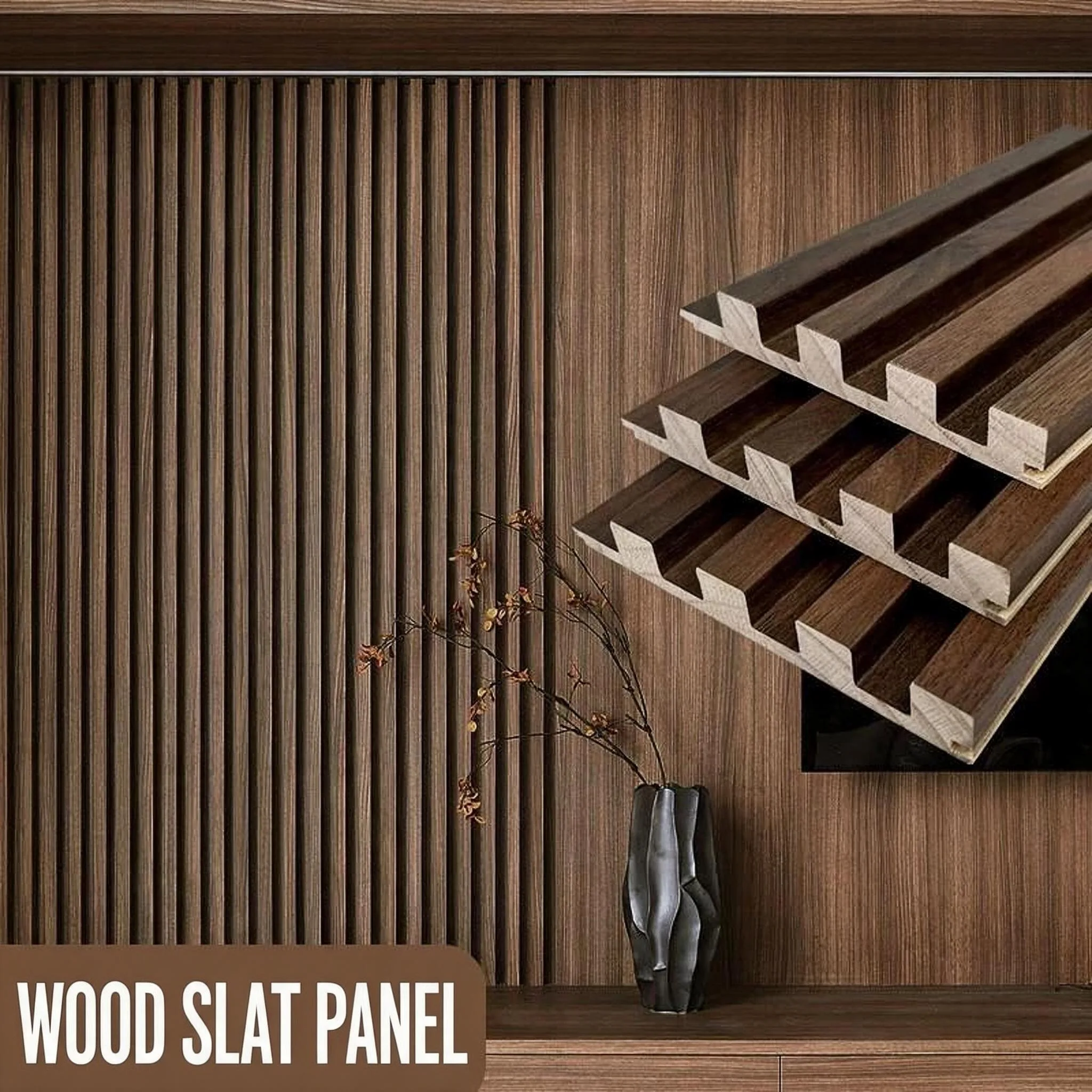
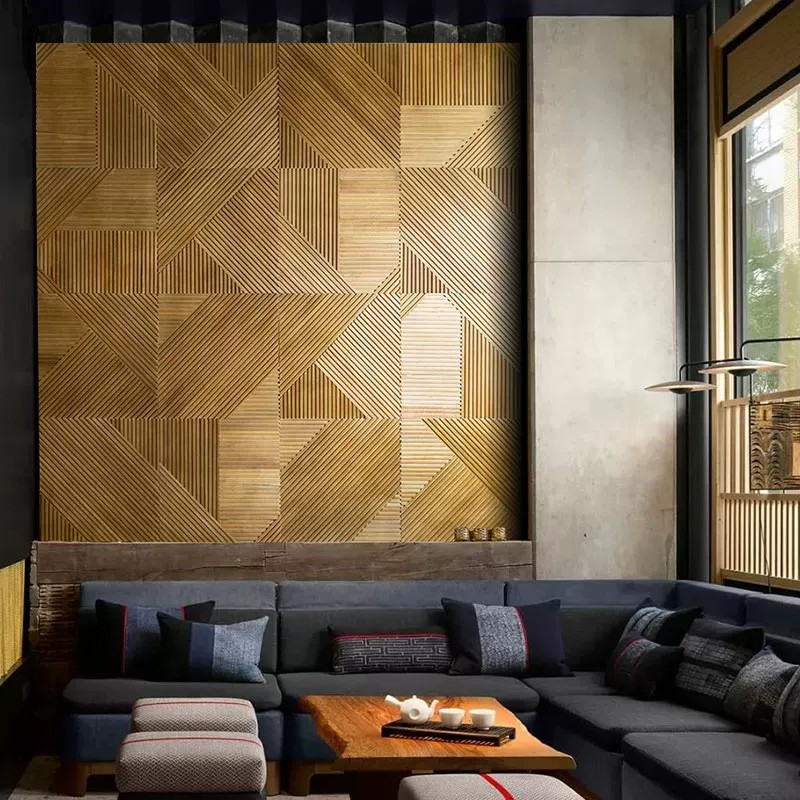
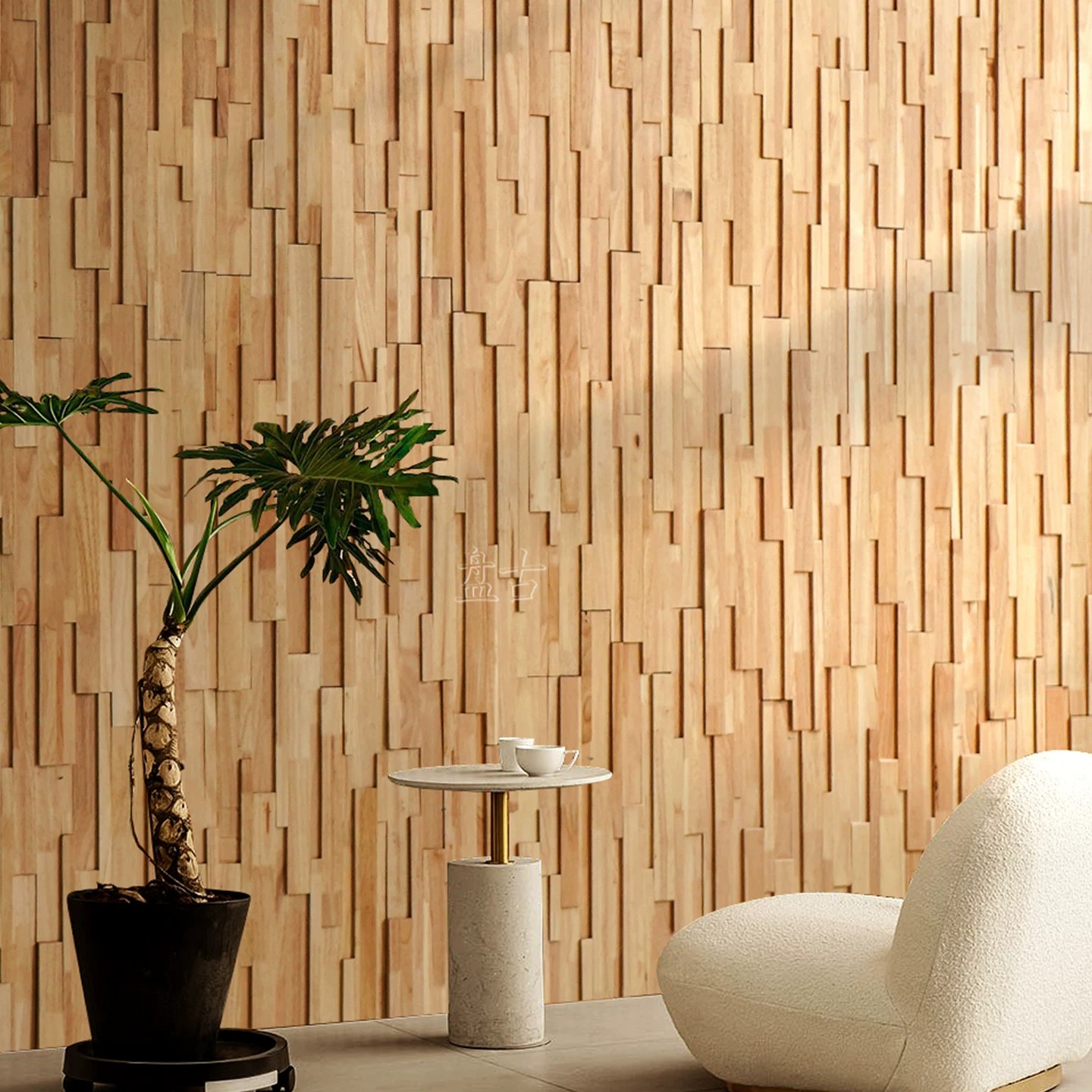
Beyond freestanding screens, rattan is increasingly integrated into complex wall cladding, ceiling systems, and custom joinery. The material can be curved to soften hard architectural lines or utilized in repetitive modular panels to create substantial visual impact. This scope for customization empowers design teams to develop unique brand identities through bespoke architectural detailing, moving beyond off-the-shelf solutions towards articulated, memorable guest experiences.
In contemporary hospitality development, sustainable design is no longer a peripheral consideration but a core commercial mandate. Discerning developers and operators recognize that integration of renewable materials enhances brand equity and resonates with environmentally conscious clientele. Rattan is a highly renewable resource, growing rapidly and often harvested in a manner that supports the preservation of existing forest ecosystems.
Specifying Rattan partitions and screens in hospitality interiors demonstrates a commitment to sustainable architectural solutions. It aligns the project with international sustainability benchmarks and contributes to healthier indoor air quality by reducing reliance on synthetic, high-VOC emitting materials. The longevity and repairability of well-crafted rattan systems further enhance their life-cycle sustainability, ensuring long-term value for asset owners.
Ensuring the successful application of rattan within hospitality environments requires diligent material selection. It is critical to differentiate between decorative-grade rattan suitable for low-impact residential use and high-specification architectural systems engineered for commercial durability. For high-traffic areas, specifies should look for rattan with consistent fiber quality, robust joinery, and appropriate protective finishes that resist abrasion and facilitate cleaning.
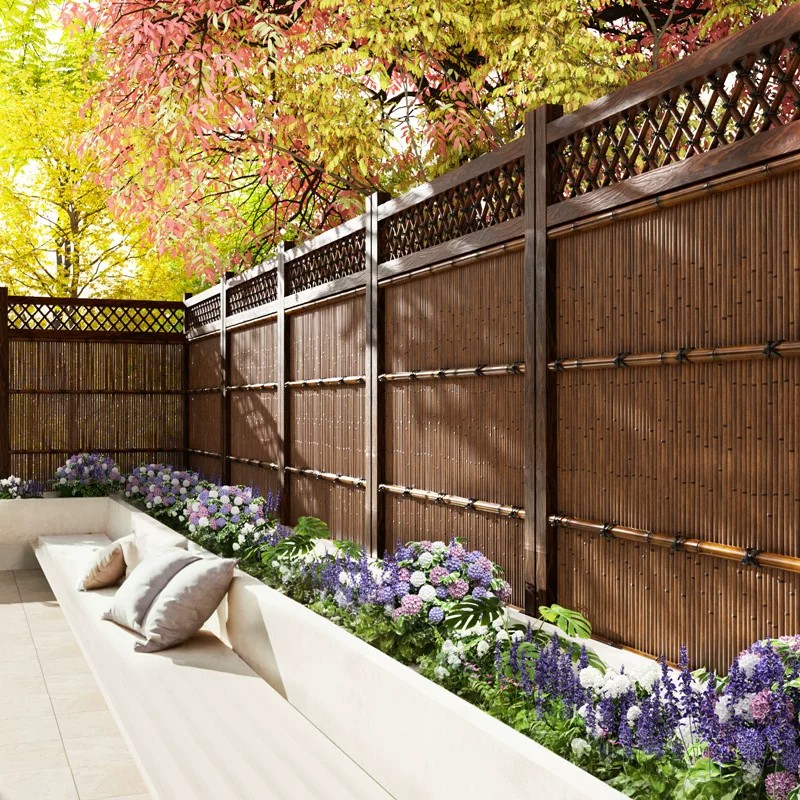
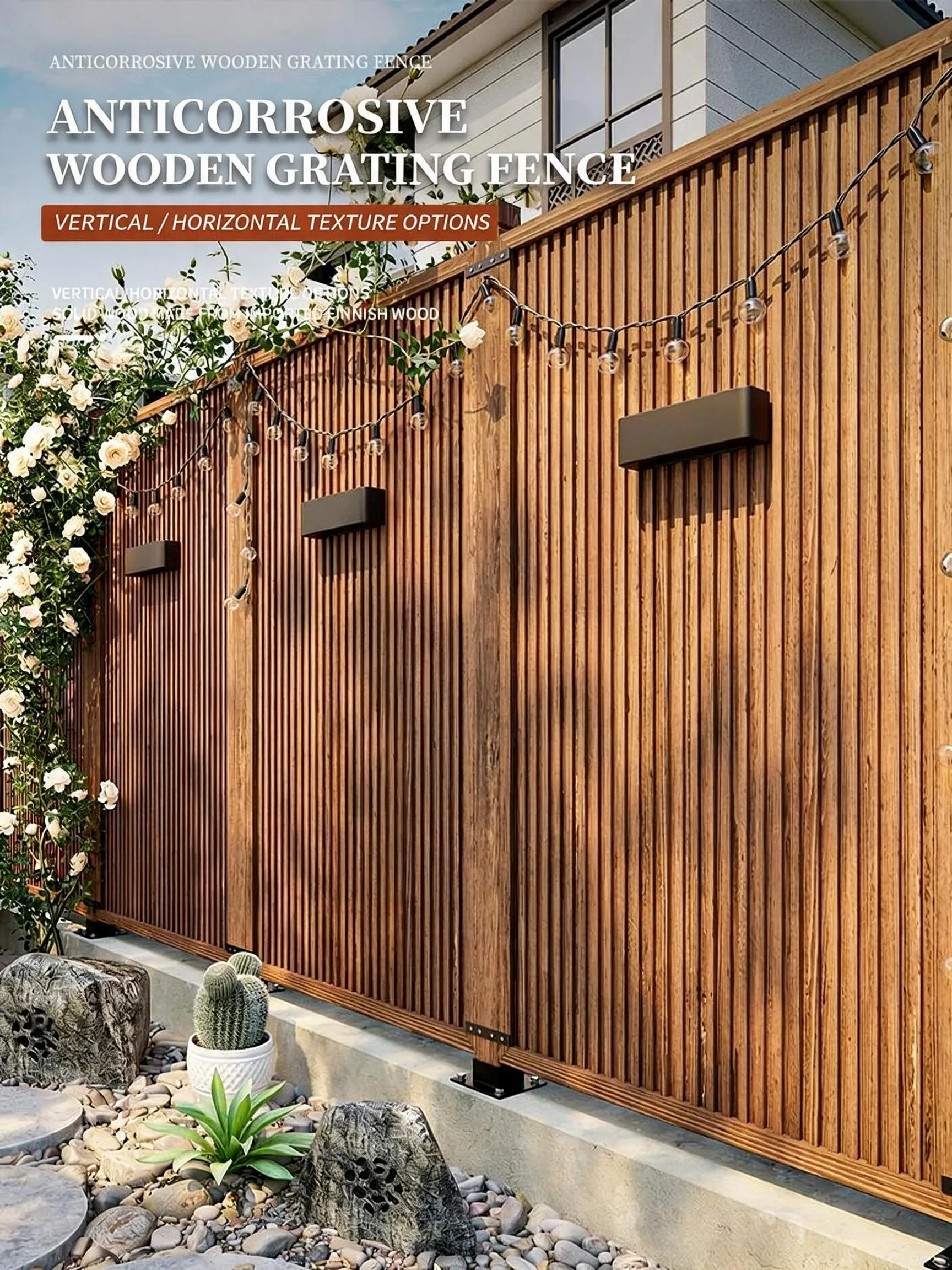
Maintenance, while minimal for premium systems, must be structured. Regular dusting and occasional cleaning with a damp cloth are generally sufficient. For systems deployed in semi-outdoor environments, such as resort terraces or open-air restaurants, appropriate UV and moisture-resistant treatments are mandatory to prevent premature degradation. Engaging with an experienced supplier like Bambooforma ensures access to the technical guidance necessary to select and maintain rattan systems effectively.
Rattan is inherently strong and flexible. When specified correctly with robust construction and professional-grade finishes, rattan systems are exceptionally durable and capable of withstanding the rigors of high-traffic environments like hotel lobbies and busy restaurants.
Yes, significant customization is possible. Design teams can specify unique weave patterns, panel sizes, frame materials, and installation methods—including freestanding, floor-to-ceiling fixed, or track-mounted sliding systems—to meet precise architectural and interior design specifications.
Rattan is suitable for covered or semi-outdoor applications such as terrace zoning. However, for fully exposed outdoor environments, proper material selection, finish specification (including UV and moisture resistance), and a structured maintenance plan are essential to ensure longevity.
Lead times vary based on project scale, complexity of custom weaves, and frame fabrication. Early engagement with specialists like Bambooforma during the design development phase allows for efficient production scheduling and ensures timely integration into the construction timeline.
The use of Rattan partitions and screens represents a sophisticated, sustainable, and highly functional solution for optimizing spatial planning in hospitality environments. These agile architectural systems empower designers to articulate complex spatial narratives, enhance guest privacy and comfort, and introduce desirable natural textures, all while maintaining the operational flexibility critical to modern commercial spaces. As the demand for authentic, biophilic, and adaptable hospitality design continues to grow, natural material systems will remain an indispensable component of the architect’s toolkit. Bambooforma stands ready to assist architectural professionals and hospitality developers in realizing the full potential of custom natural material solutions for their premier projects, from initial concept to immaculate execution.
52.89
52.99
219