
Modern Natural Material Architectural Systems in Hospitality Design
Explore how modern natural material architectural systems transform luxury hospitality design, enhancing guest experience and sustainability.

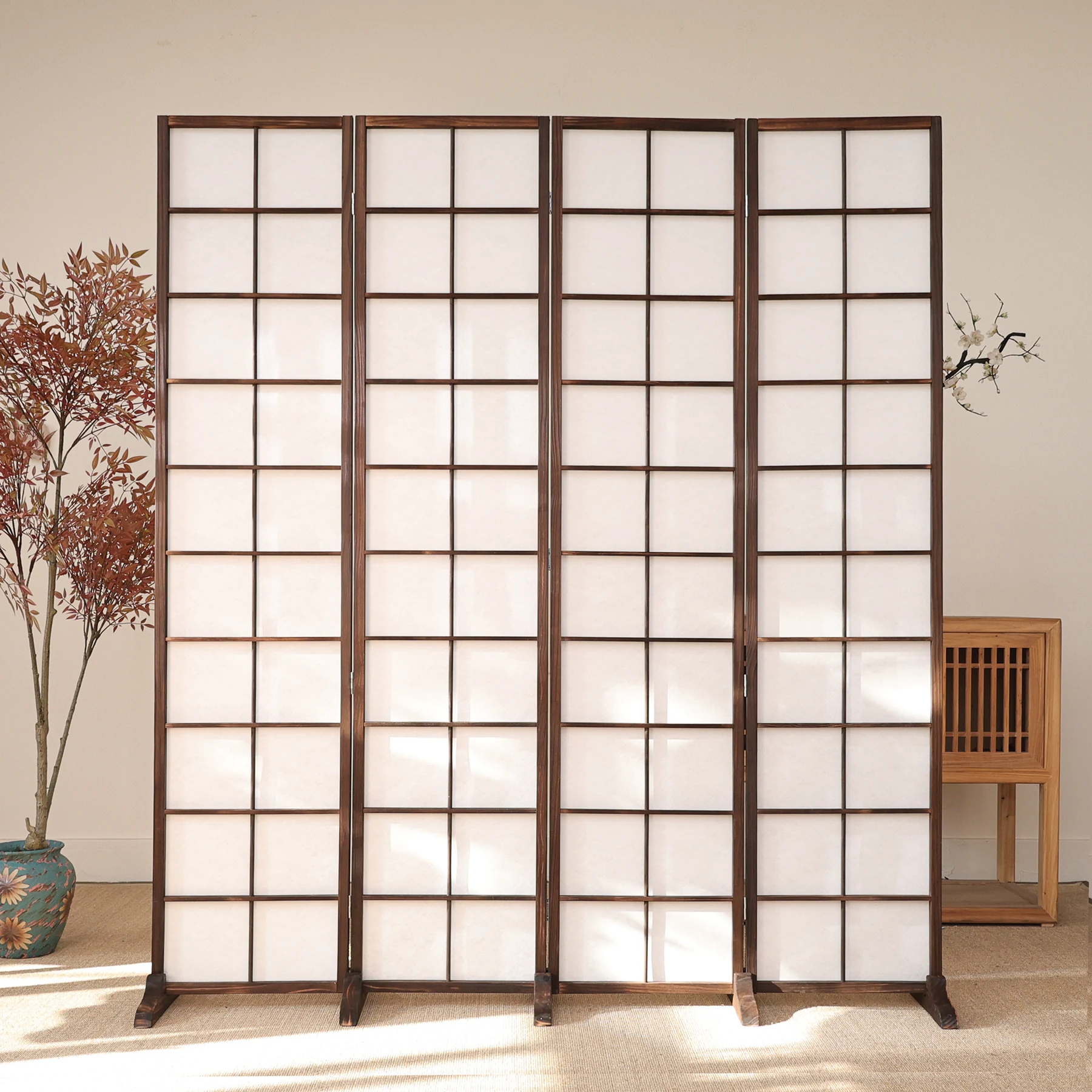
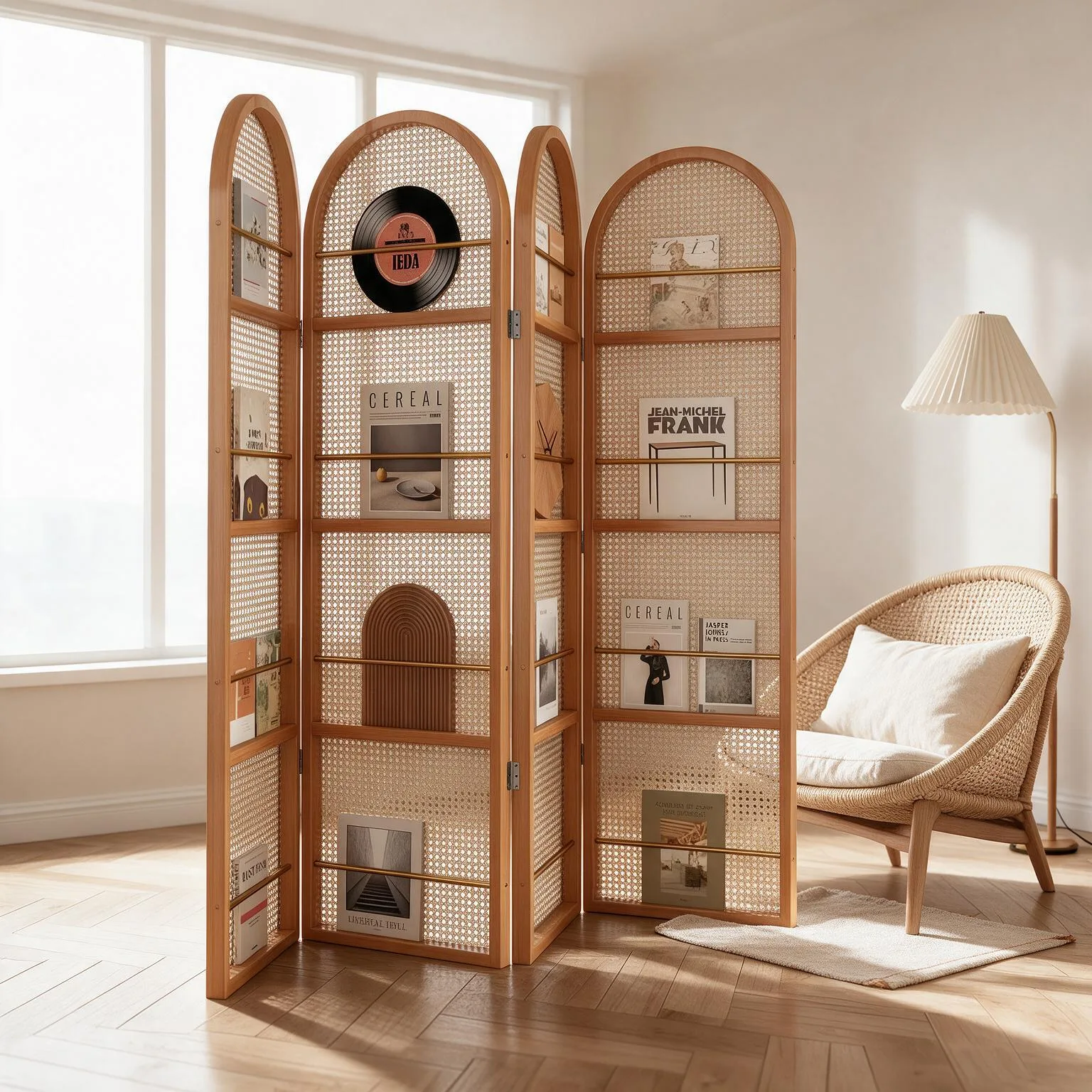
In contemporary commercial architecture and luxury hospitality design, the challenge often lies in balancing expansive, open spatial concepts with the functional necessity for defined zones and intimate areas. Traditional drywall partitions frequently prove too rigid and permanent for dynamic environments such as hotel lobbies, upscale restaurants, and modern flexible workspaces. This is where high-quality decorative room dividers emerge as an essential architectural system, offering a sophisticated blend of aesthetic value, spatial flexibility, and sustainable materiality.
As architects and interior designers seek to create memorable guest experiences and efficient commercial layouts, the integration of natural materials within these dividing systems has become paramount. Bambooforma, a leader in premium natural material architectural solutions, specializes in creating custom systems that meet these rigorous design and performance standards.
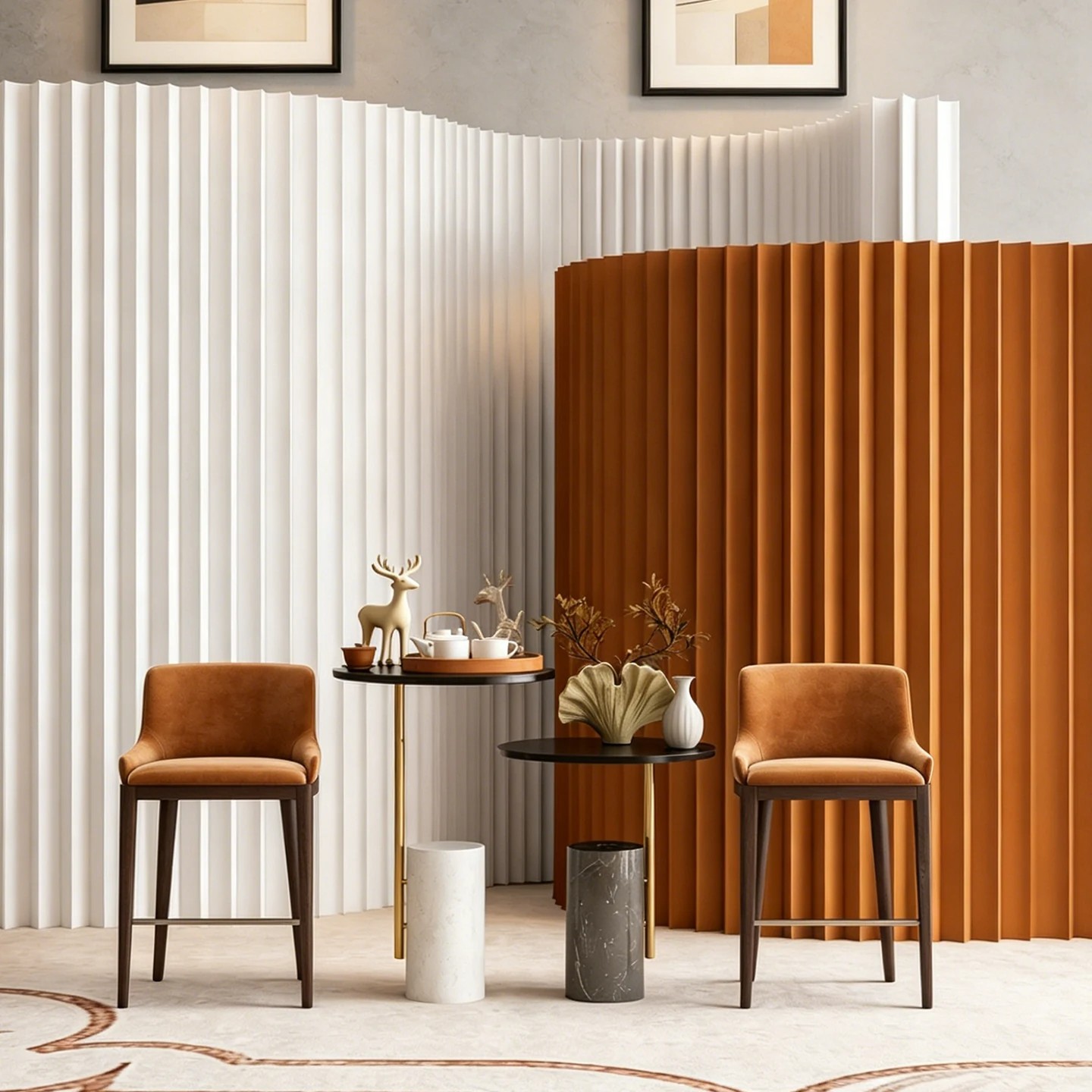
Within luxury hospitality projects, space programming is critical. A sprawling resort lobby must feel welcoming yet structured; it needs to accommodate check-in circulation, comfortable lounge pockets, and perhaps a discreet bar area, all within one cohesive volume. Decorative room dividers serve as invaluable tools for this type of strategic zoning.
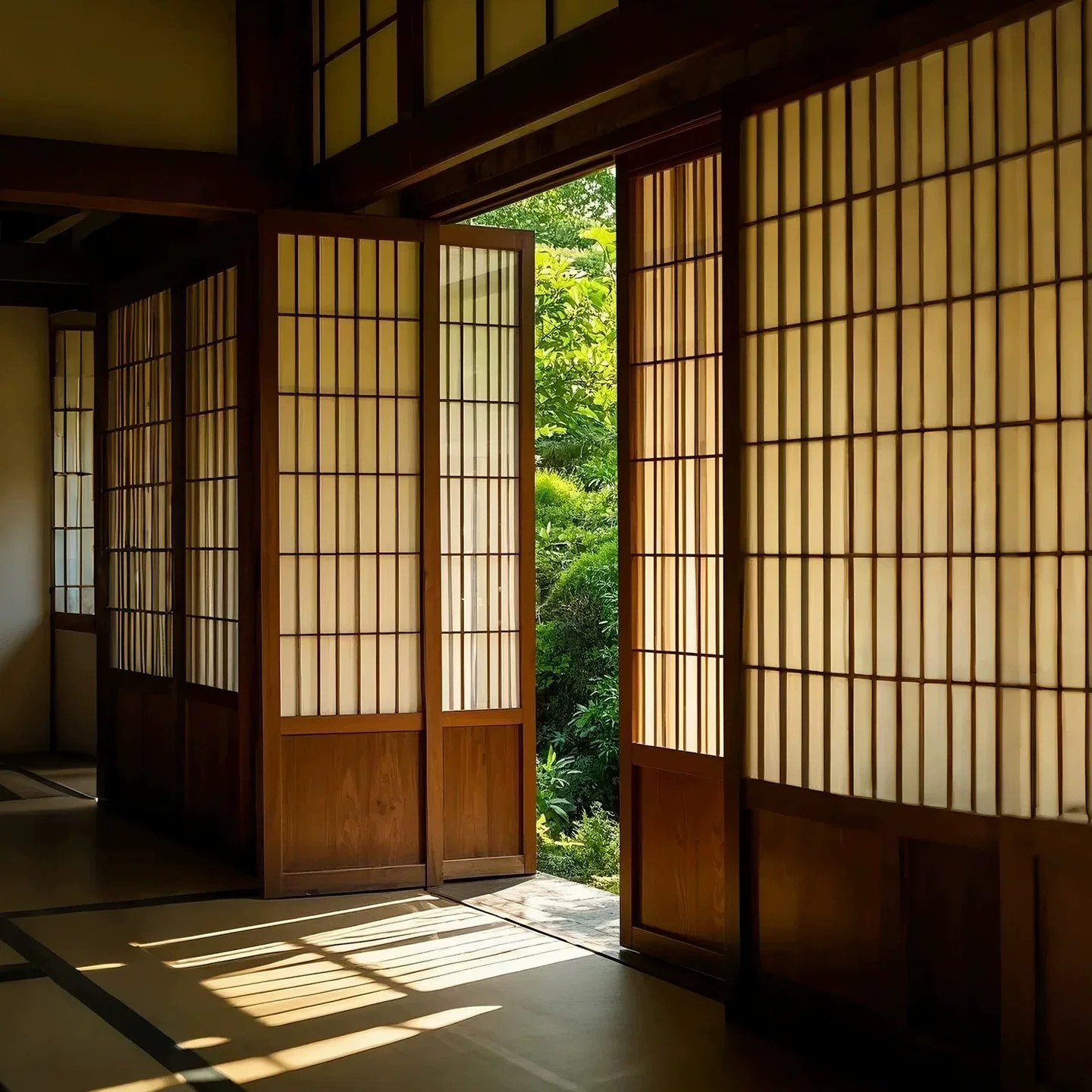
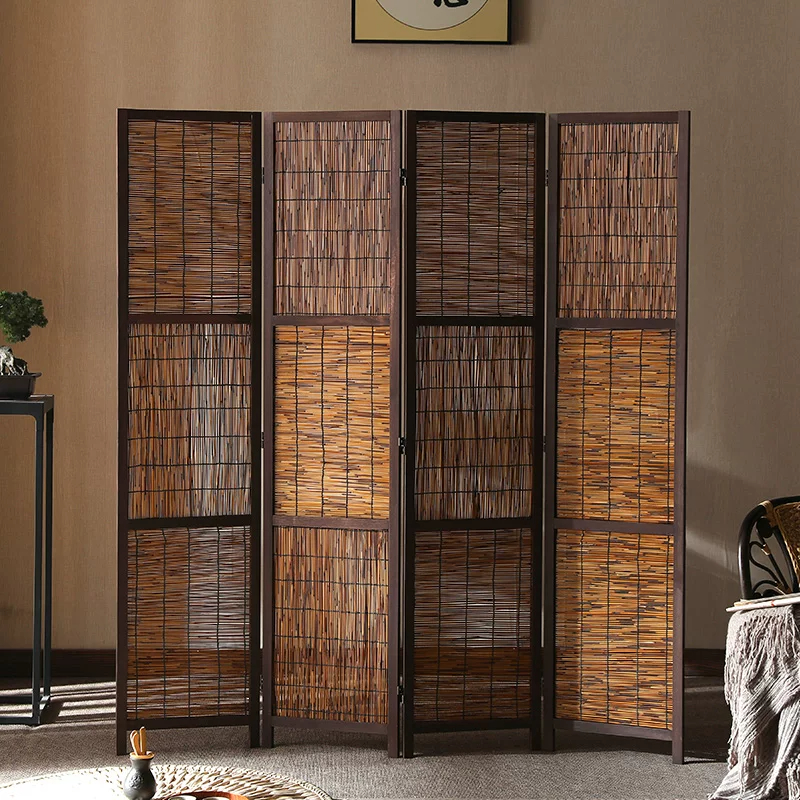
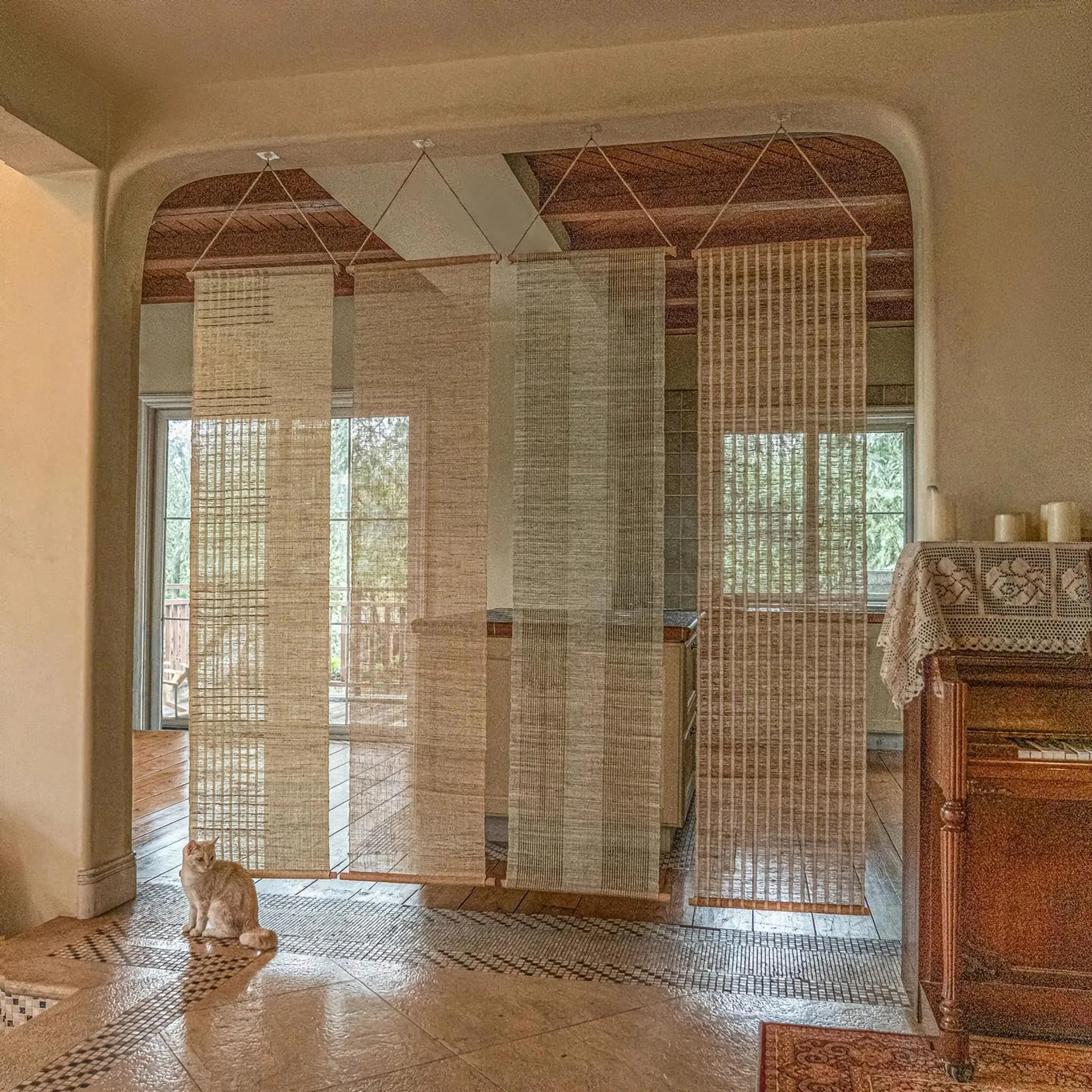
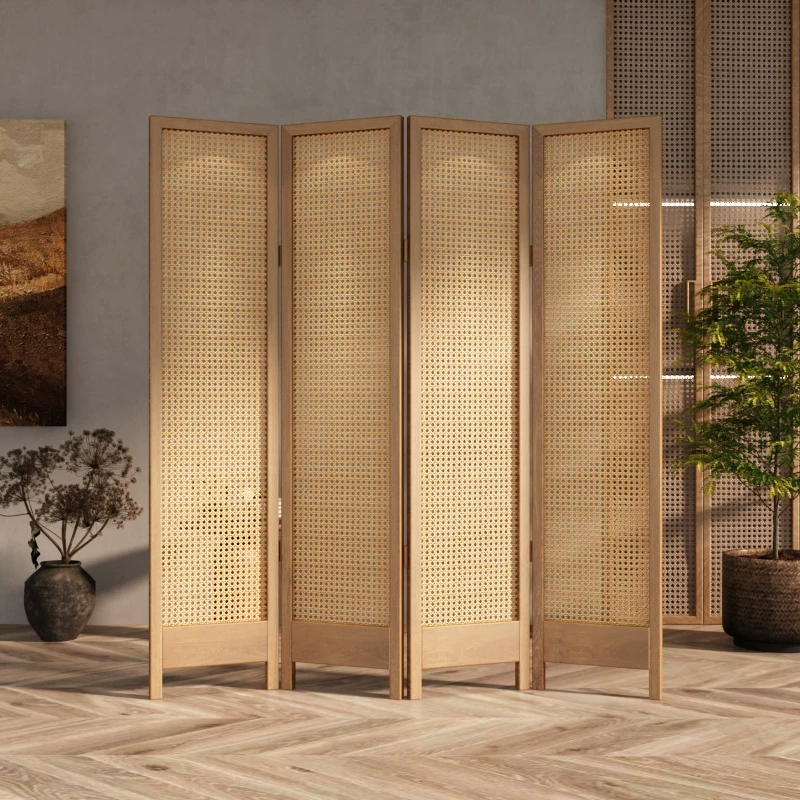
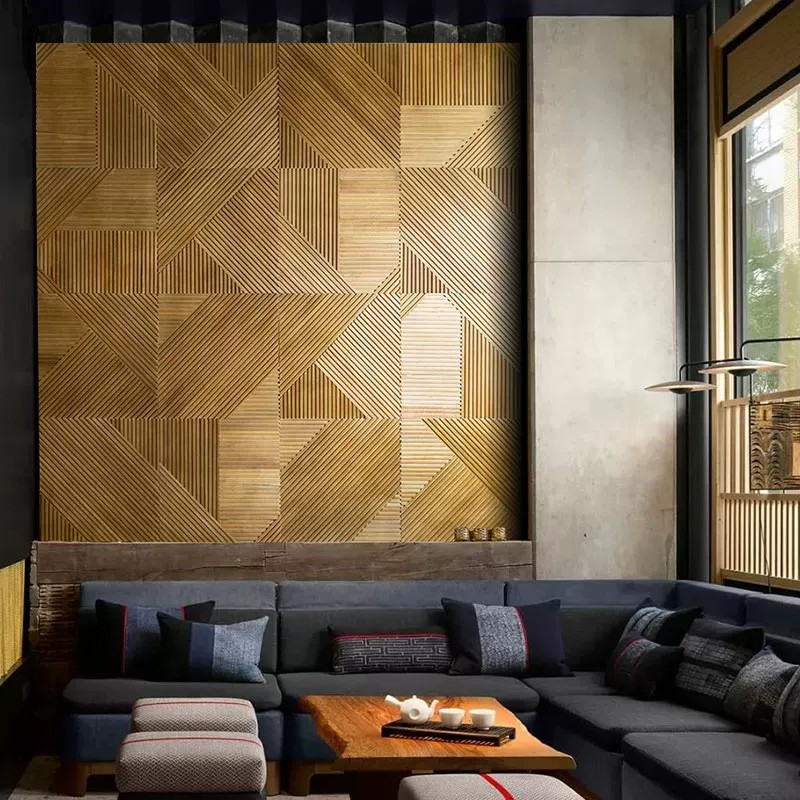
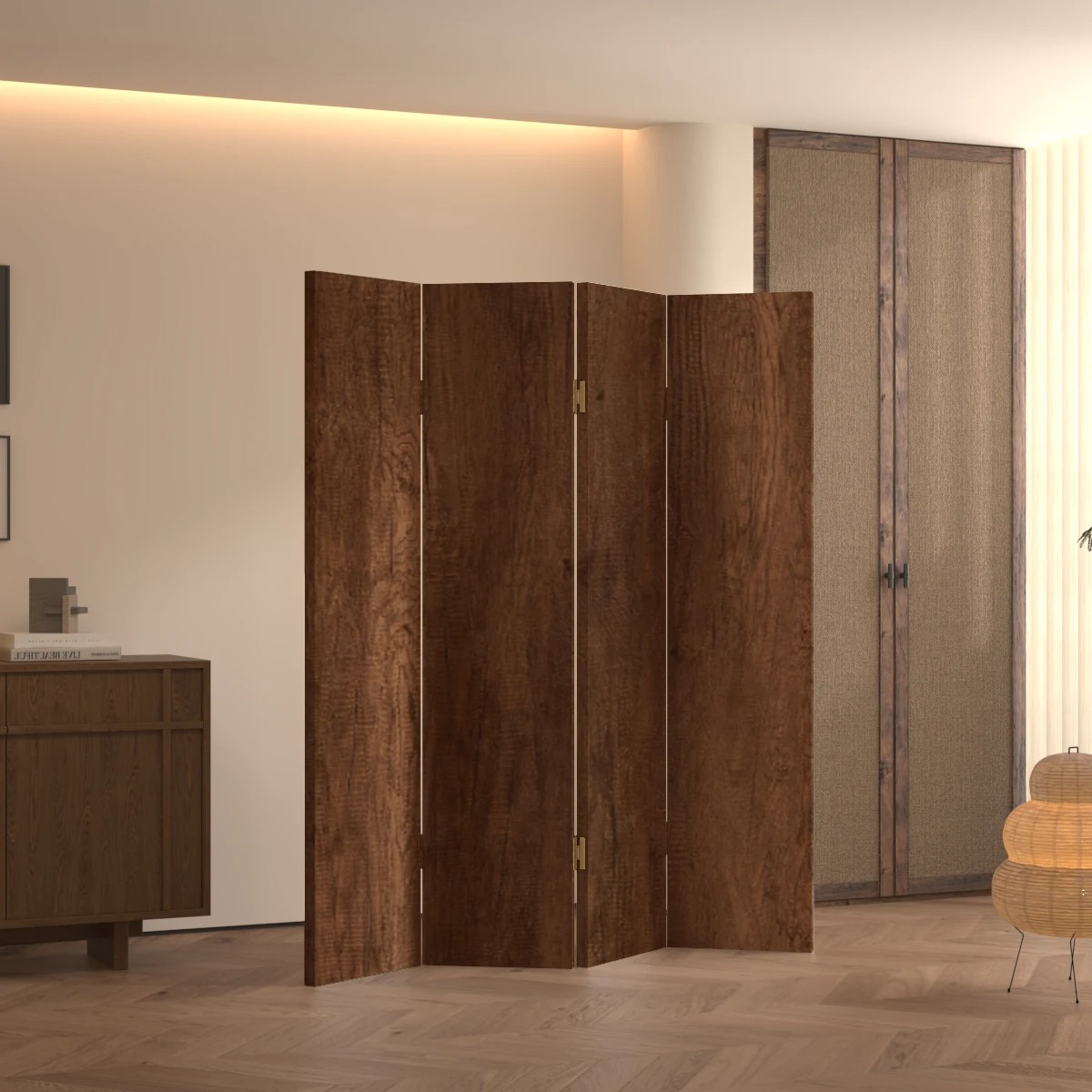
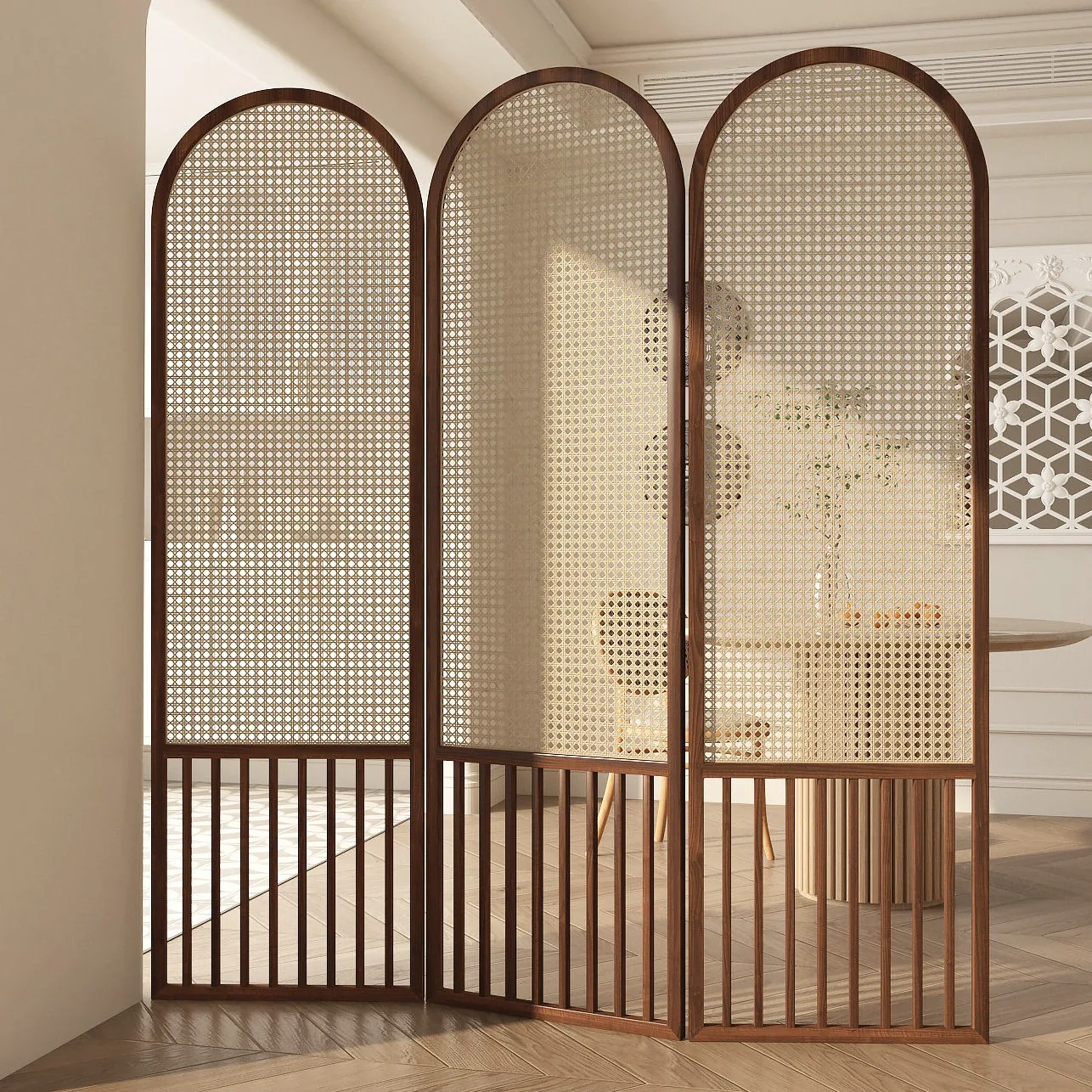
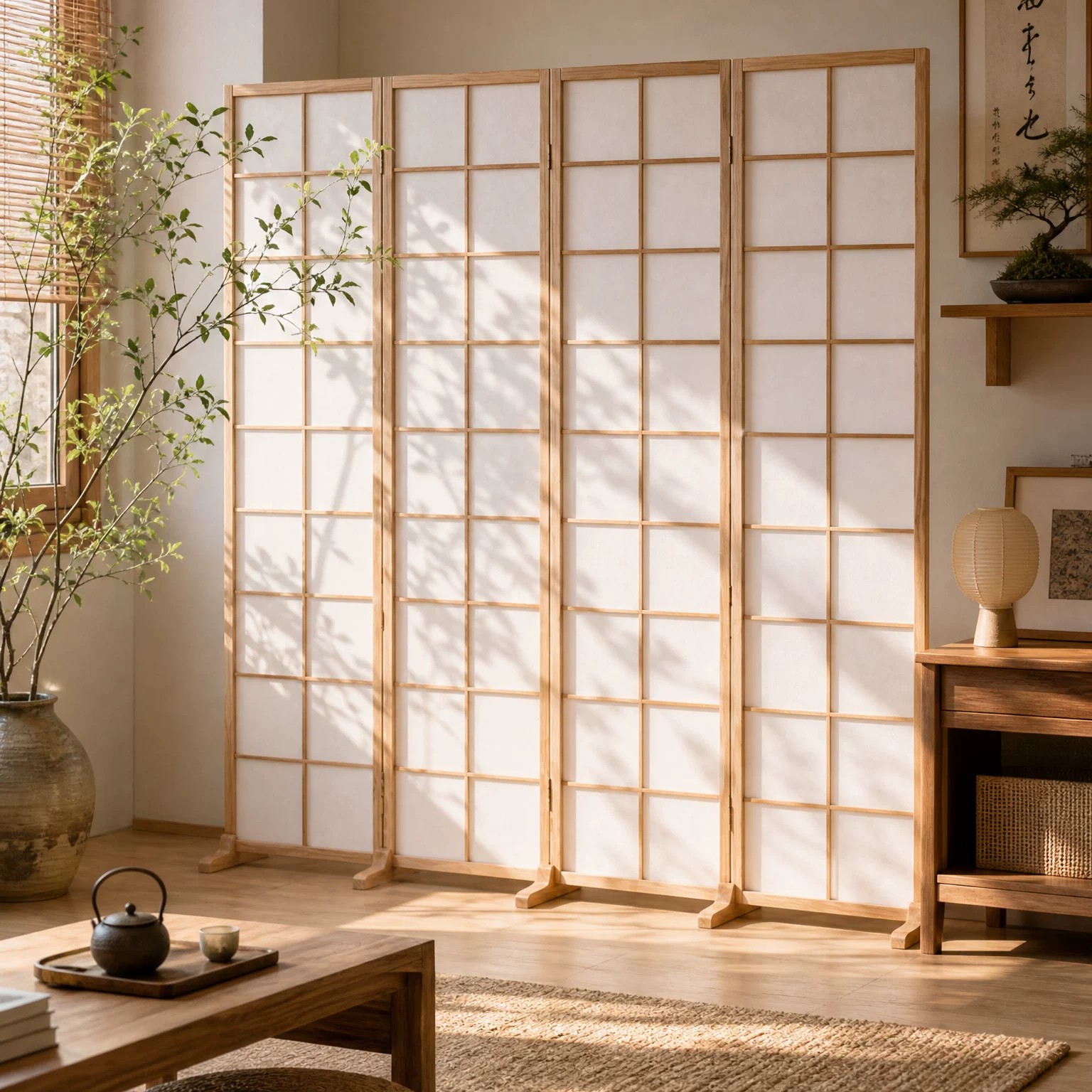
Unlike opaque walls that can truncate a space and obstruct natural light, decorative screens offer visual permeability. They create psychological boundaries without sacrificing the sense of openness. A carefully specified bamboo screen system can demarcate a private dining area in a restaurant or create secluded seating areas within a larger lounge, enhancing the feeling of exclusive luxury for guests while maintaining the overall design intent.
The choice of material for commercial partitions significantly impacts the durability, acoustic performance, and overall atmosphere of the space. While generic metal or composite options exist, natural materials offer distinct advantages, particularly when aiming for a premium, sustainable aesthetic.
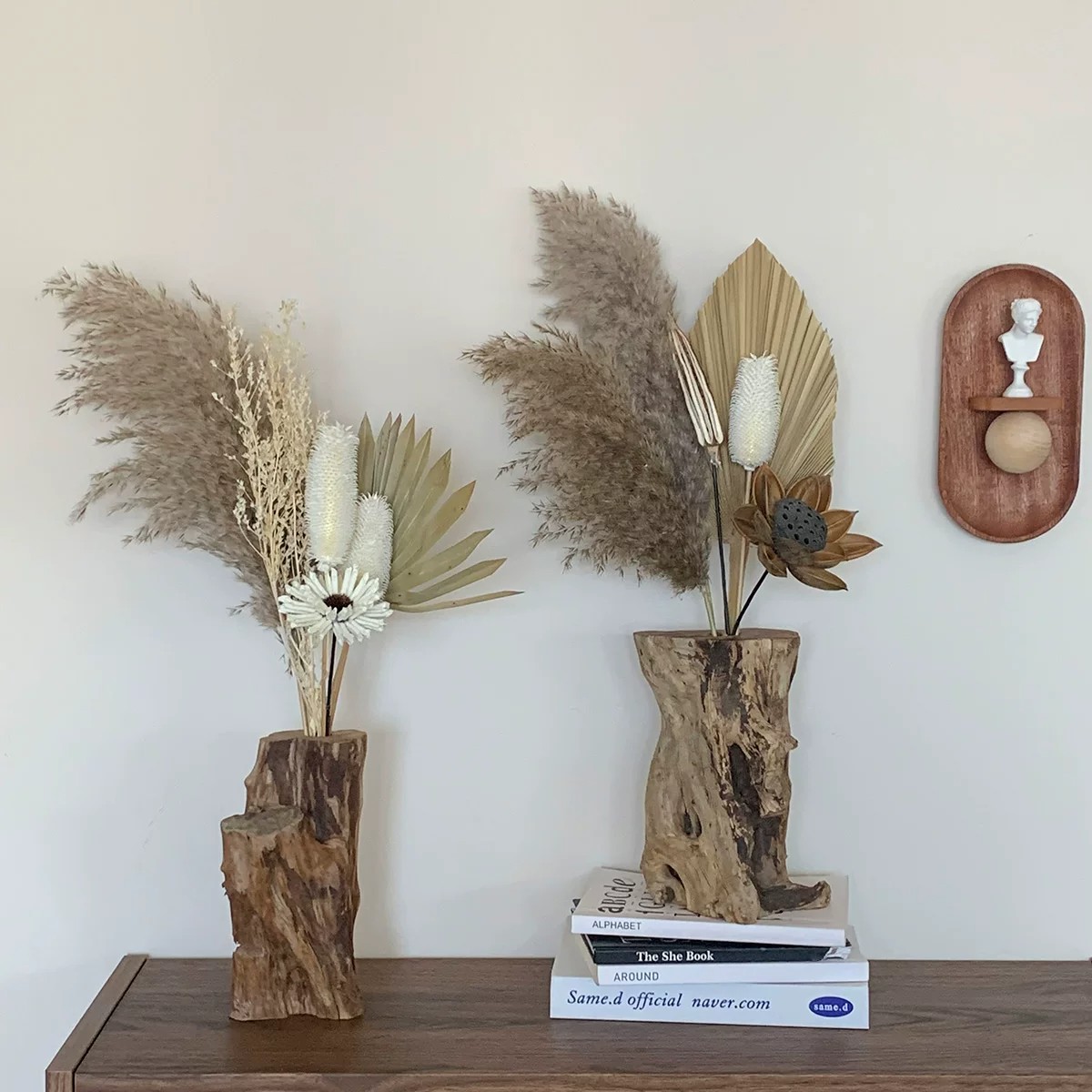
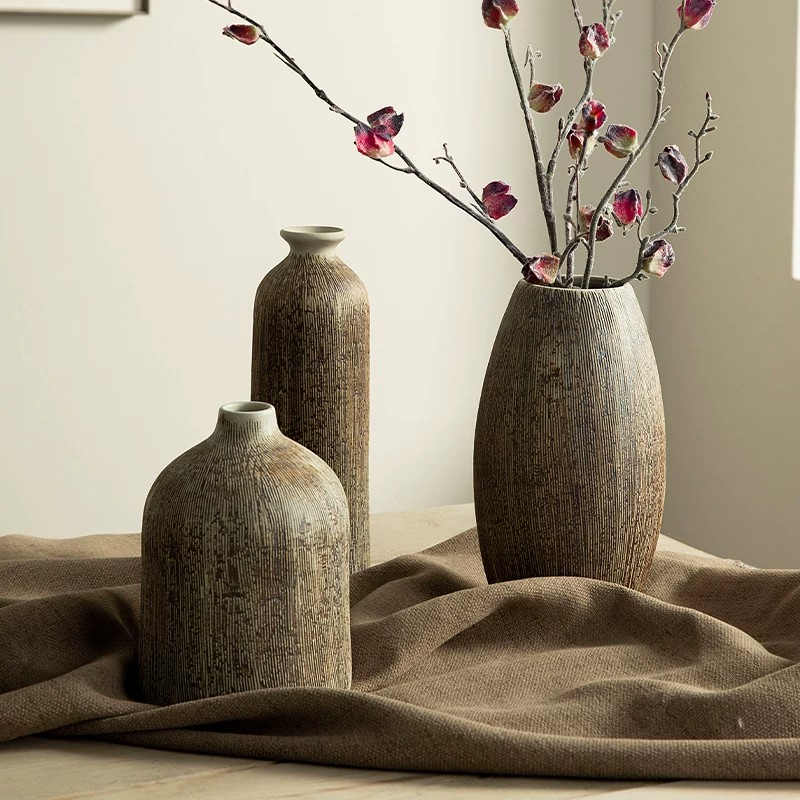
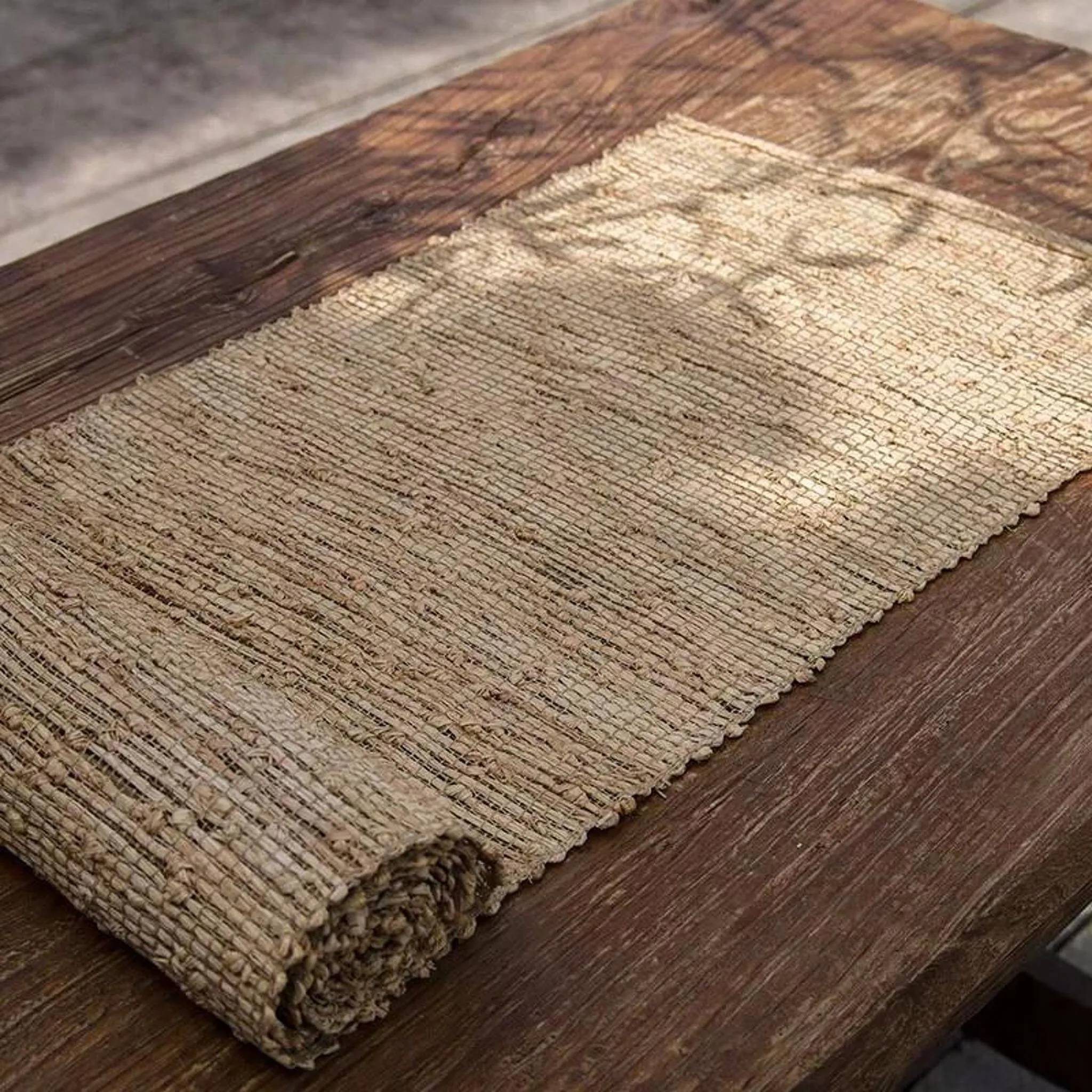
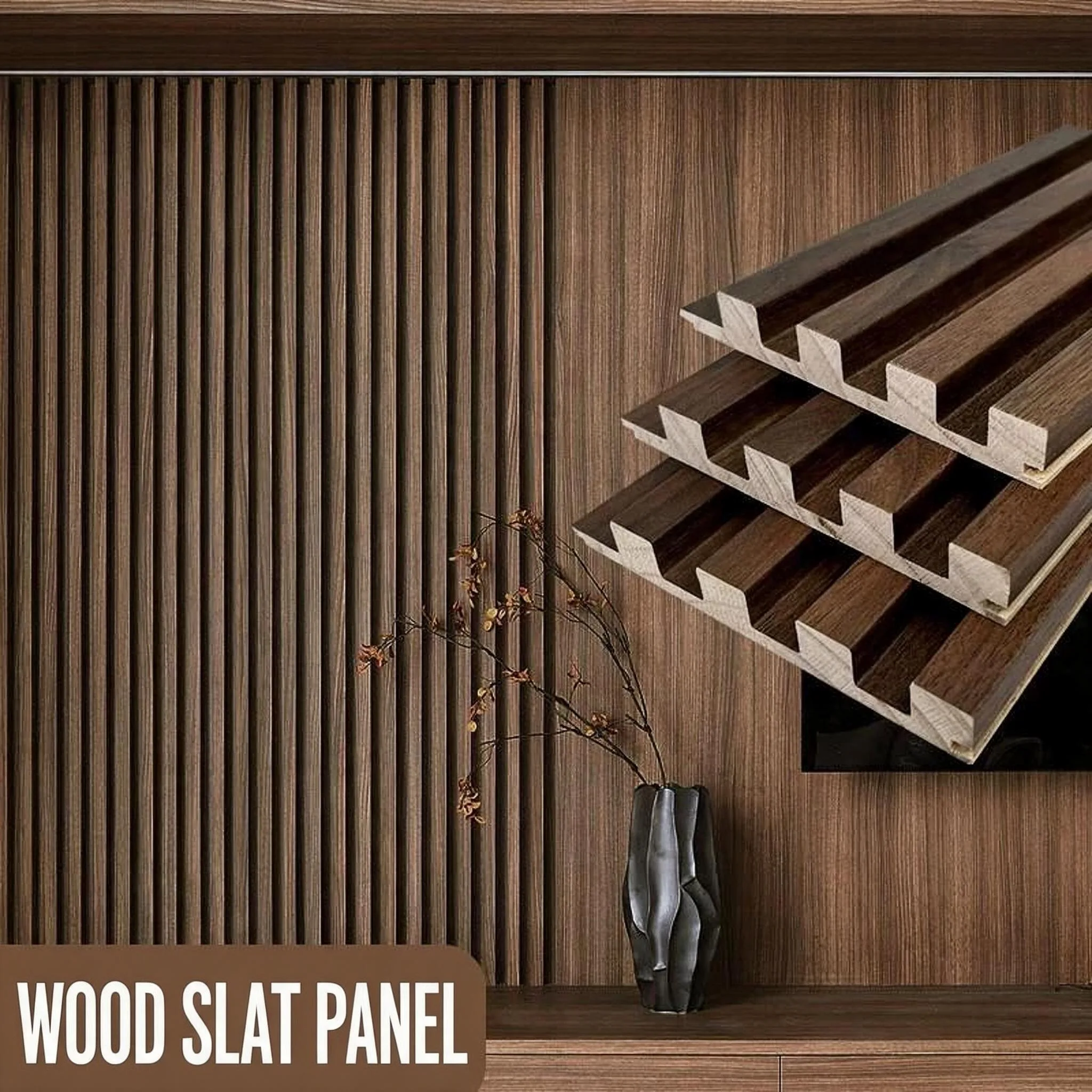
Bamboo and high-grade wood align perfectly with current trends toward biophilic design and the Japandi aesthetic—a fusion of Japanese minimalism and Scandinavian functionality. The natural variation in grain and color brings warmth and texture to commercial interiors that can often feel sterile. Decorative room dividers crafted from sustainable bamboo provide a tactile quality that guests appreciate, fostering a deeper connection to the natural environment.
For large-scale commercial developments, sustainability certification and LEED credits are major considerations. Natural materials, especially rapidly renewable options like bamboo, offer a low carbon footprint compared to energy-intensive material manufacturing. Specifying these materials demonstrates a commitment to environmentally responsible hospitality development.
A standard, off-the-shelf product rarely satisfies the unique demands of a luxury commercial project. Successful integration of decorative room dividers requires a high degree of customization.
Architects and designers often require specific dimensions, bespoke patterns, unique finishes, and precise mounting hardware. The technical aspects are just as crucial as the aesthetics. How will the screen be anchored to the ceiling or floor? Can it withstand high-traffic commercial use? Will it interface correctly with the lighting and HVAC systems?
Working with an expert provider like Bambooforma allows for the development of custom architectural systems tailored precisely to these requirements. From initial design concept through engineering and fabrication, customization ensures the final product is not only beautiful but also structurally sound and functional within the commercial context.
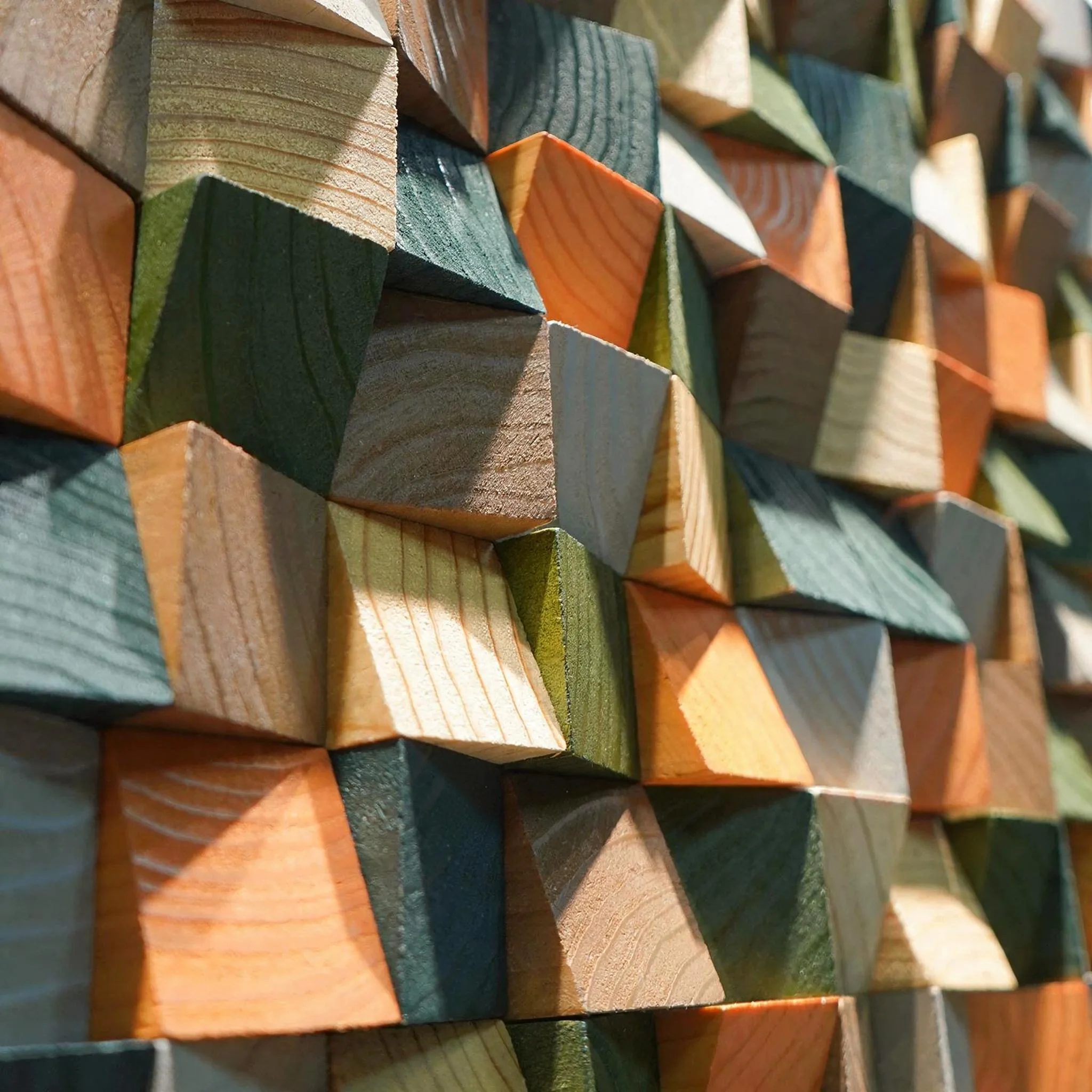
Beyond spatial delineation, decorative room dividers play a significant role in the environmental comfort of a space. While not providing full acoustic isolation like a solid wall, complex perforated or latticed screens excel at sound scattering. In loud environments, such as popular restaurants or busy hotel lobbies, these dividers can help reduce echo and moderate overall noise levels.
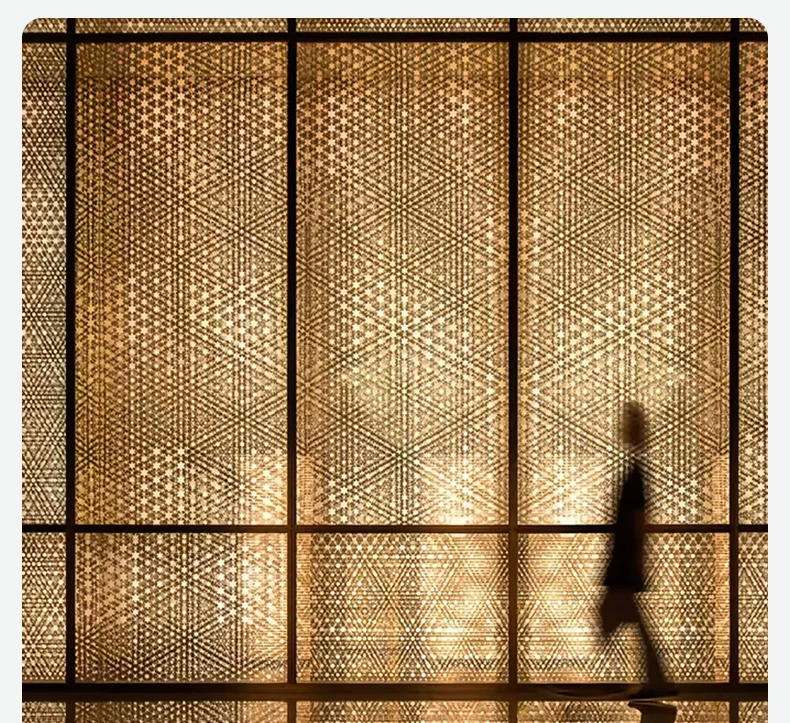
Furthermore, the way these systems interact with light is a critical design element. A precisely engineered pattern can filter natural sunlight, casting intricate shadows throughout the day. In the evening, strategic lighting integrated within or around the decorative screens can transform them into sculptural feature elements, adding dramatic effect and enhancing the luxury ambiance.
When specifying decorative room dividers for hospitality or commercial projects, consider the following:
While not soundproof, highly textured or porous dividers, such as those made from bamboo or with complex patterns, excel at scattering and diffusing sound waves. This reduces reverberation and helps moderate overall sound levels within open-plan environments.
Mounting methods typically include floor-to-ceiling pressure systems, top-hung tracks for sliding functionality, or integrated steel structures that allow the divider to operate as a self-supporting architectural feature. The choice depends on the material, weight, and desired flexibility.
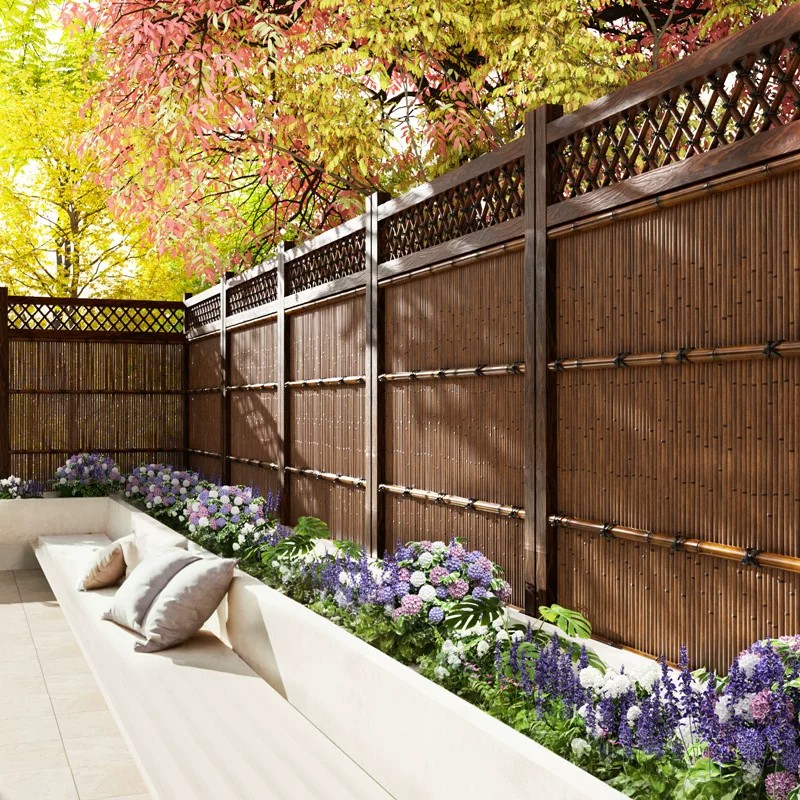
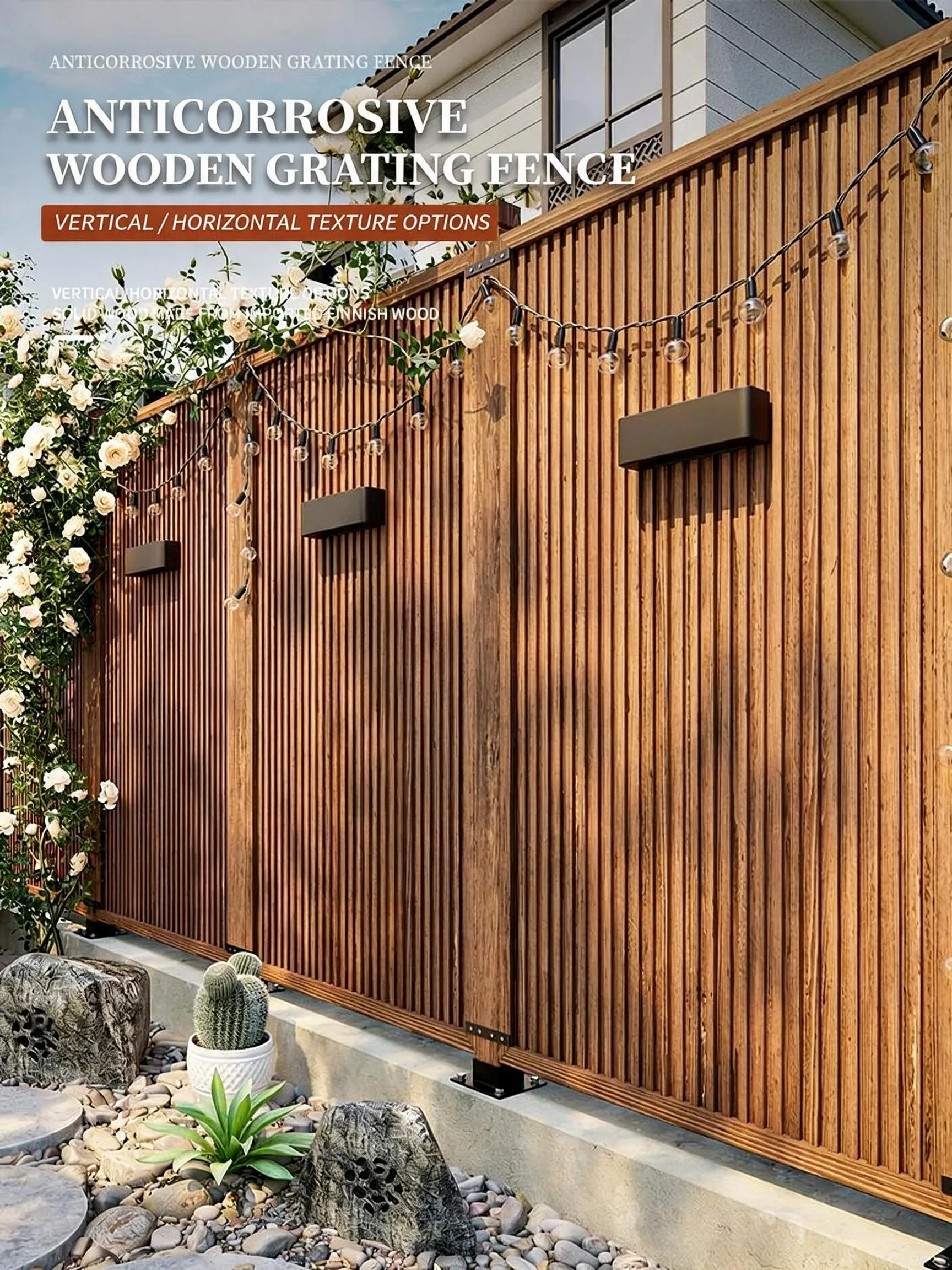
Yes, but the material must be appropriately treated and finished for exterior applications. Certain bamboo species and specialized engineered options are designed specifically for durability in outdoor privacy screens or dining areas.
Specifying rapidly renewable materials like bamboo can contribute to LEED credits and other green building certifications, supporting the project’s overall sustainability goals.
Decorative room dividers are more than simple furniture; they are sophisticated architectural systems capable of transforming commercial and hospitality spaces. By thoughtfully defining zones, enhancing acoustics, managing light, and integrating natural warmth, these systems offer unparalleled value. When aiming for a luxury, sustainable, and memorable interior, the careful specification of high-quality, custom-engineered solutions is paramount.
Bambooforma is dedicated to supporting architects and designers in realizing these complex design visions. Our expertise in premium bamboo architectural systems ensures that your project benefits from both exceptional aesthetic quality and durable performance. Contact Bambooforma today to discuss your custom architectural material requirements for your next luxury project.
52.89
52.99
219