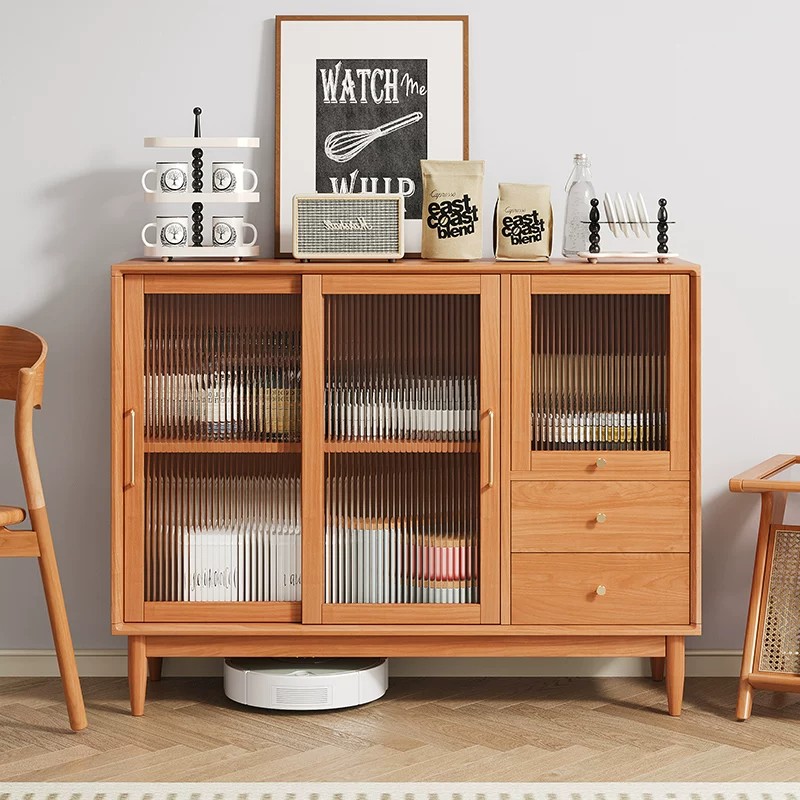
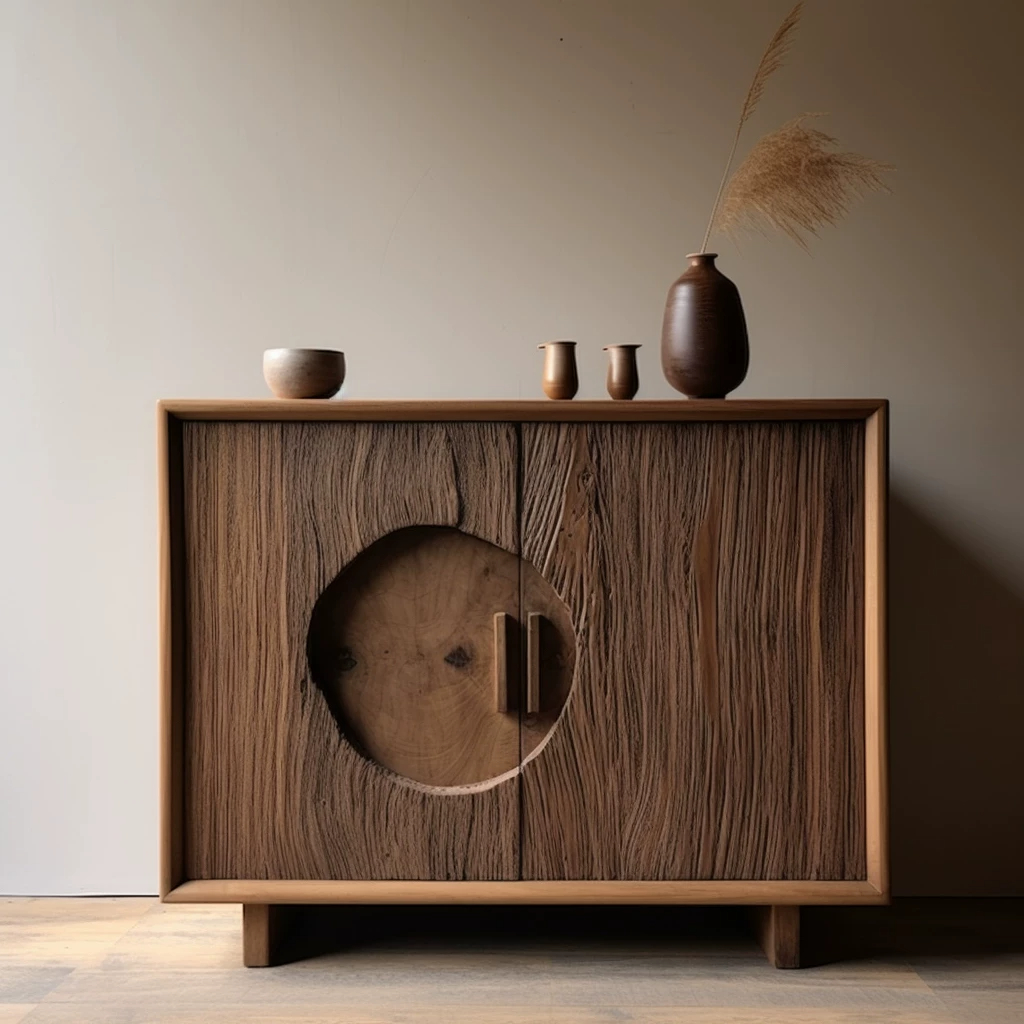
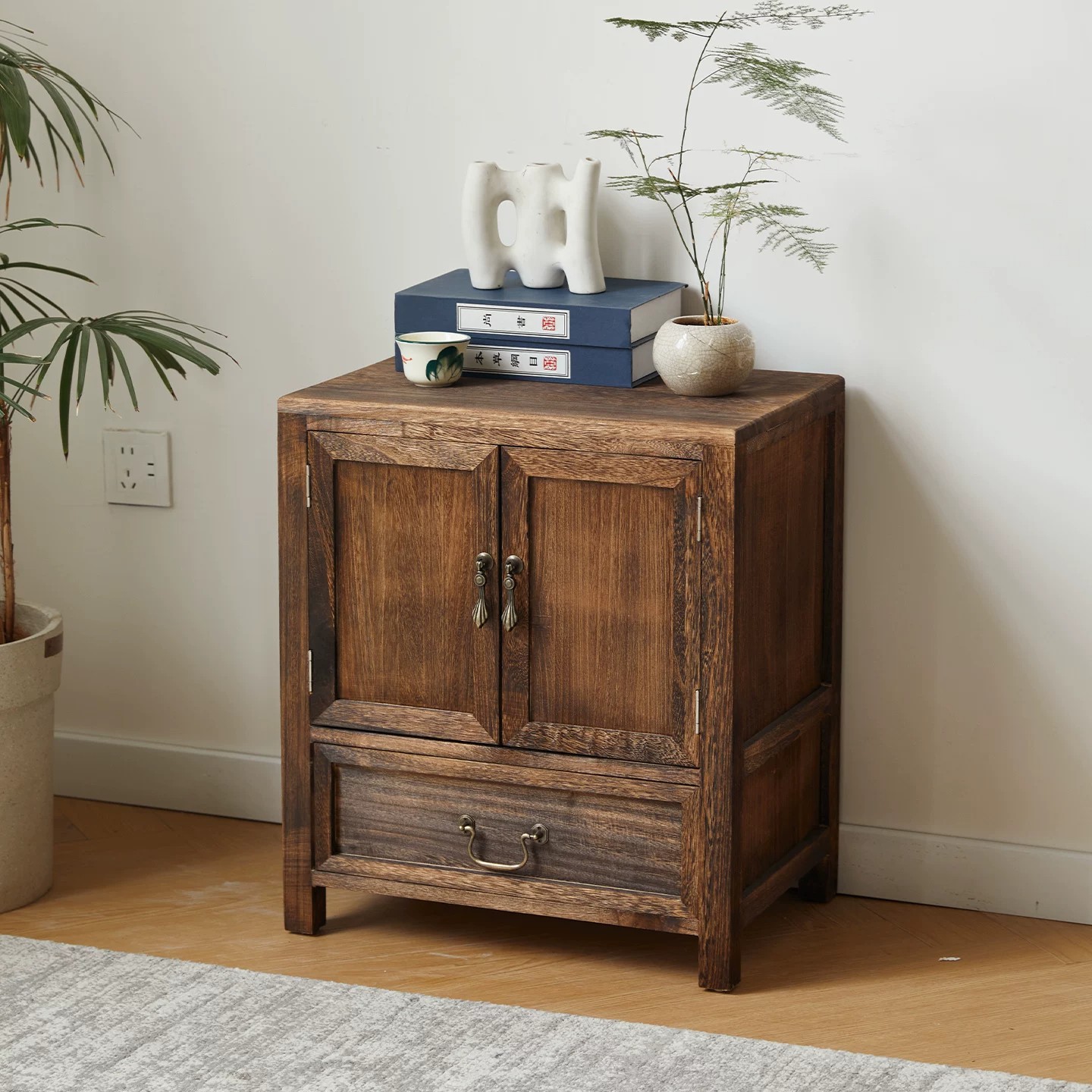
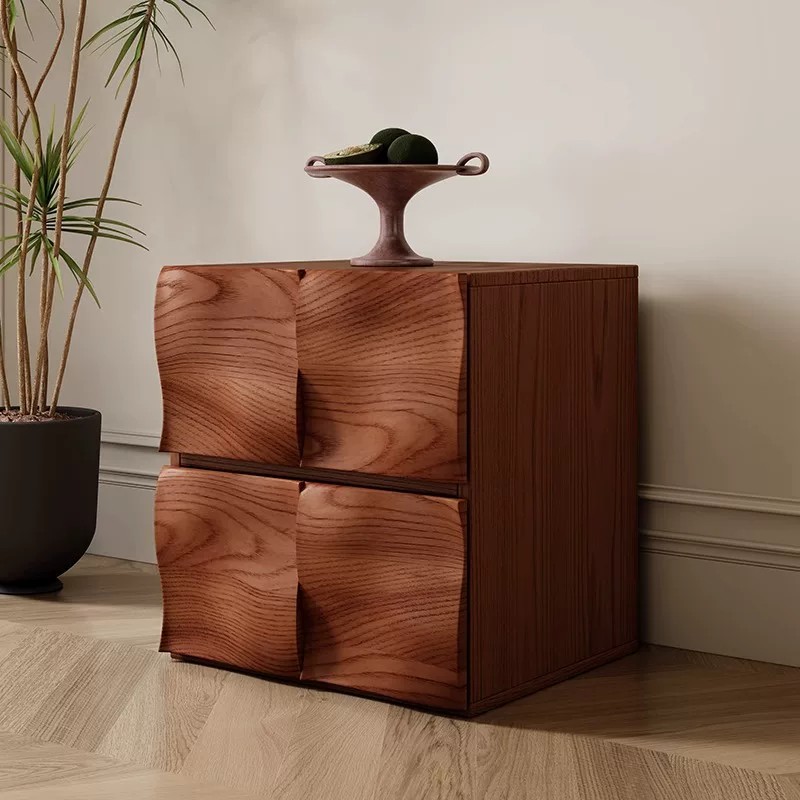




Modern Natural Material Architectural Systems in Hospitality Design
Explore how modern natural material architectural systems transform luxury hospitality design, enhancing guest experience and sustainability.

In the competitive landscape of luxury hospitality, creating a distinctive and memorable guest experience is paramount. Today’s discerning travelers seek more than just accommodation; they crave environments that resonate with authenticity, comfort, and sustainable values. For architects and interior designers, achieving this requires a sophisticated approach to material selection. Embracing natural material architectural systems has emerged as a key strategy for defining the character of modern hotels, resorts, and high-end restaurants.
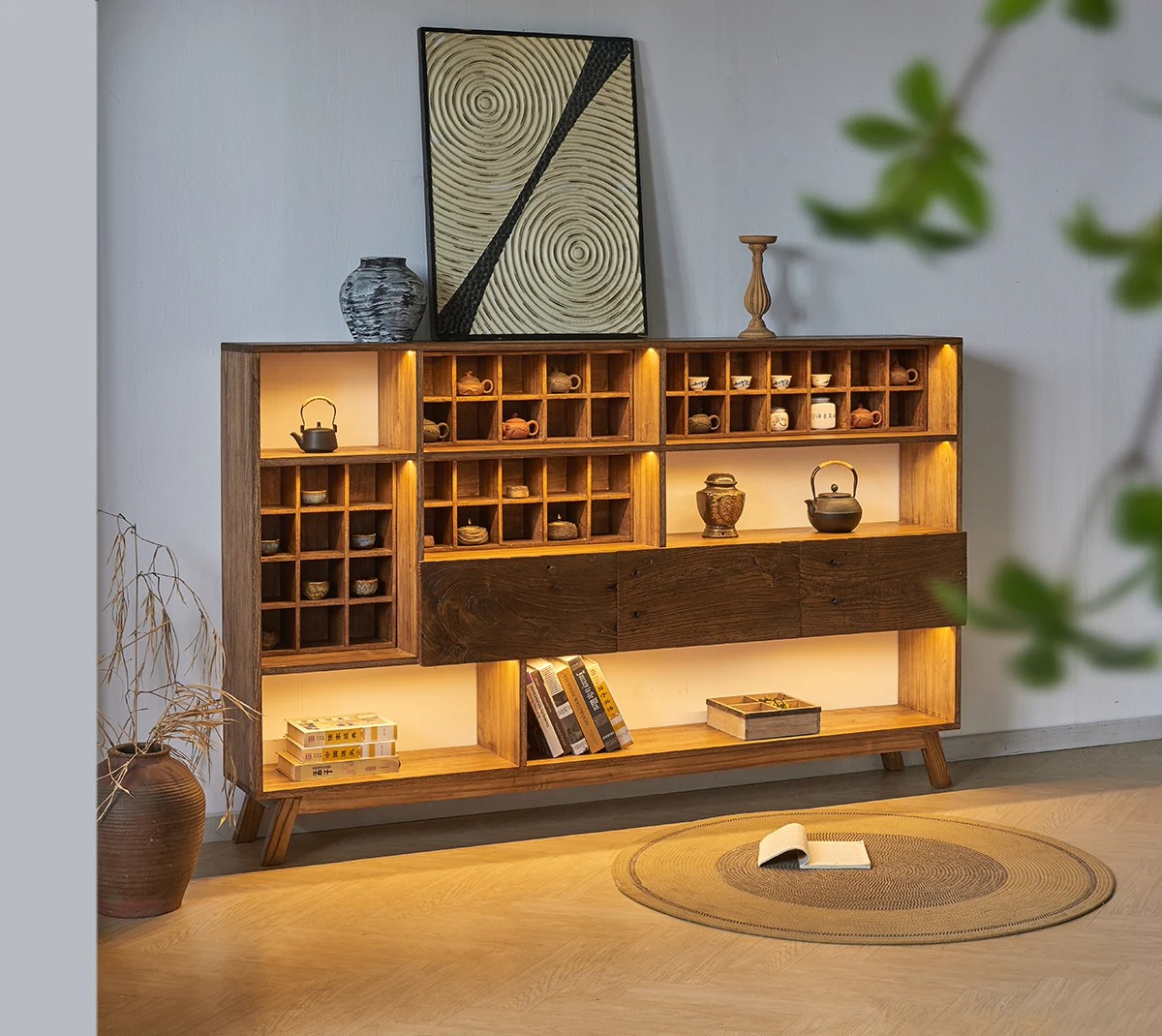
These systems, which integrate elements like wood, bamboo, and rattan into coherent architectural applications, offer a unique combination of aesthetic warmth, tactile richness, and environmental responsibility. From grand lobby entrances to intimate guest rooms, natural material architectural systems provide the versatile toolkit necessary to craft spaces that are both visually stunning and deeply grounded in nature.
The inclination towards natural materials is deeply rooted in human psychology, often referred to as biophilia. Biophilic design principles suggest that incorporating natural elements into the built environment can reduce stress, enhance well-being, and improve overall satisfaction. In a hospitality context, this translates directly to a superior guest experience.
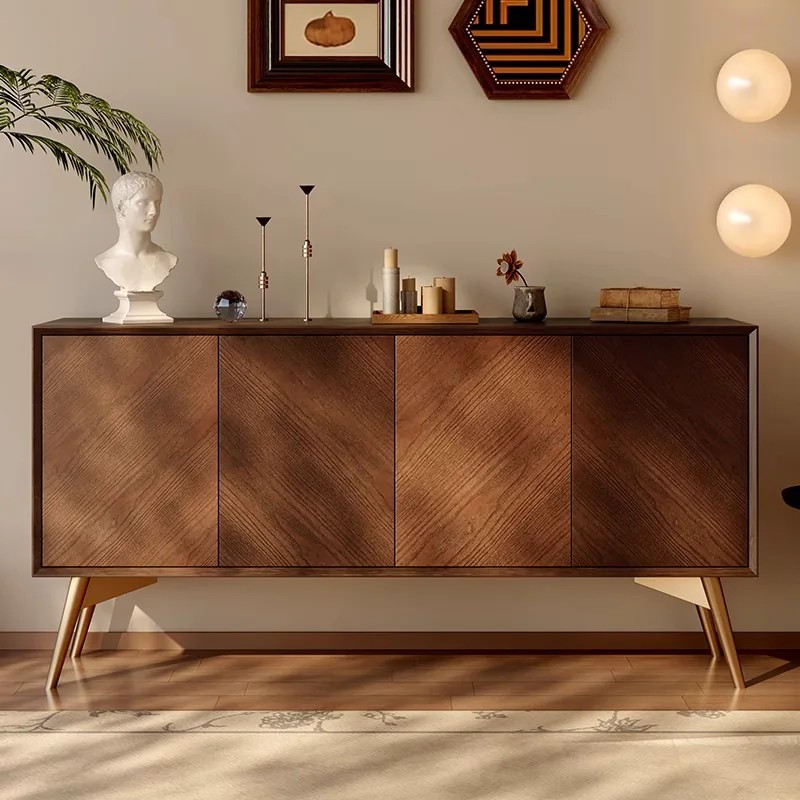
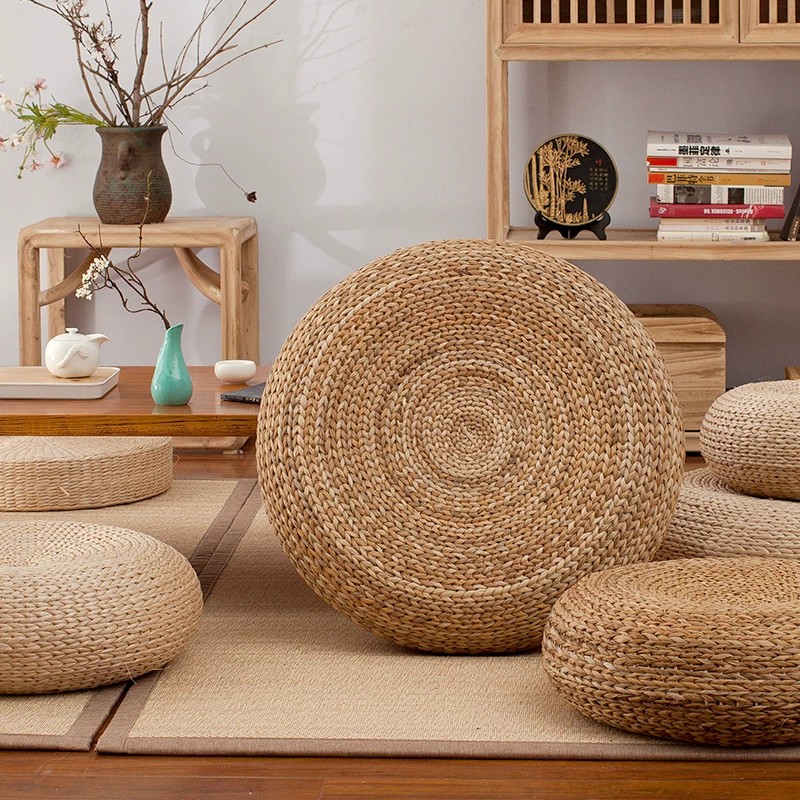
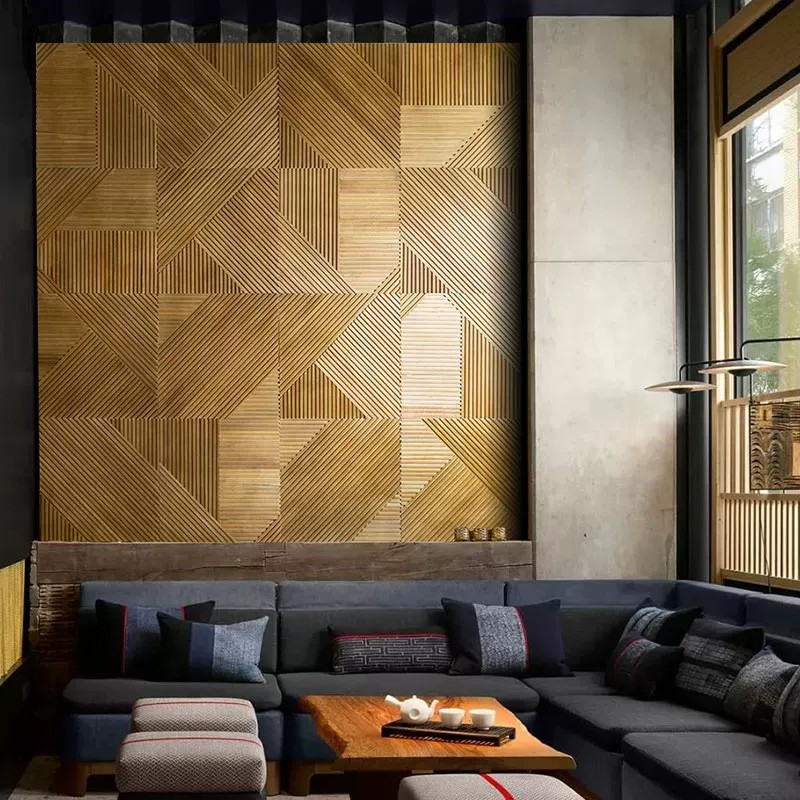
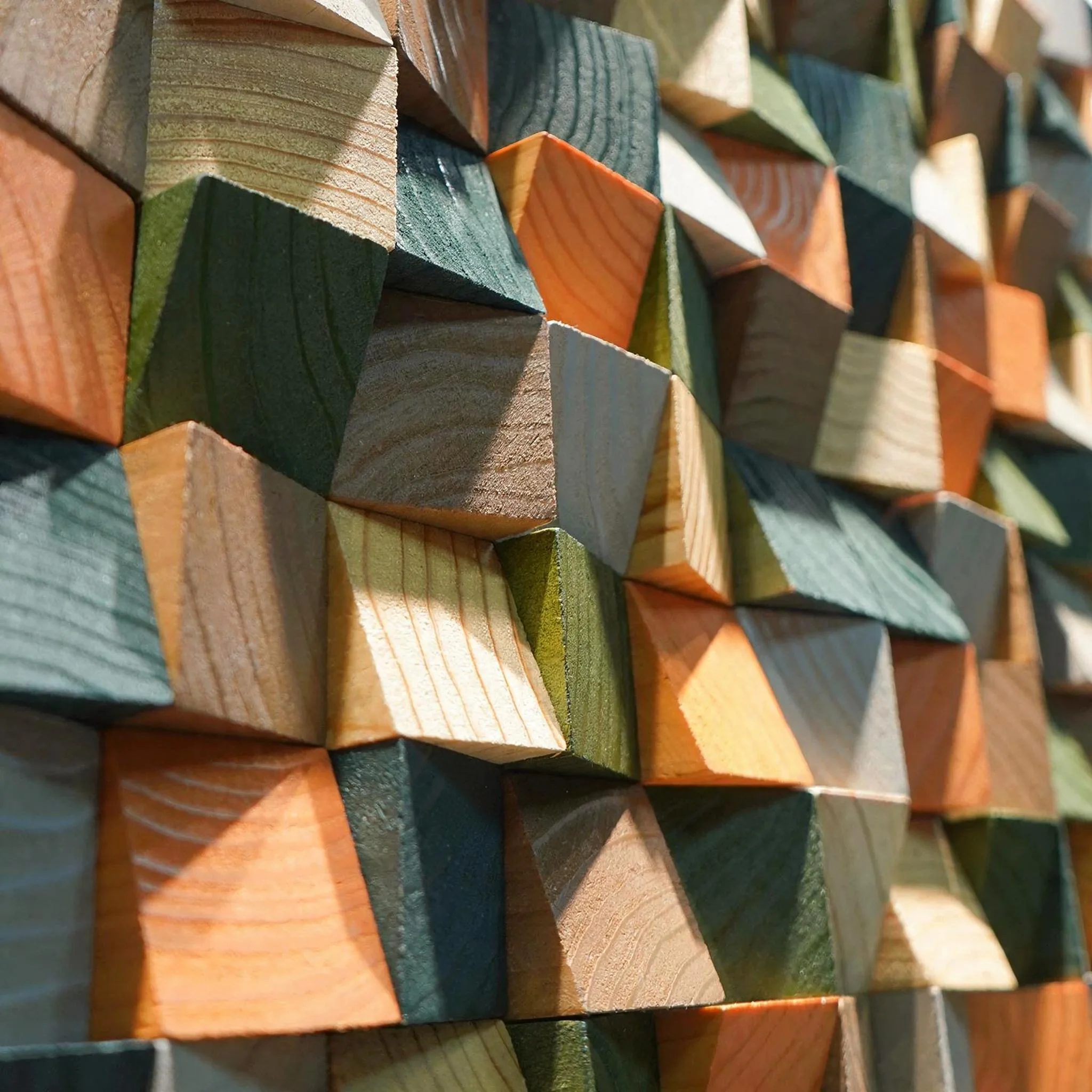
Unlike synthetic materials, natural wood and bamboo possess inherent variations in grain, color, and texture. These minor imperfections convey a sense of authenticity and craftsmanship that is difficult to replicate artificially. When deployed as natural material architectural systems—such as large-scale wall cladding or complex ceiling installations—these materials impart a palpable warmth, immediately making guests feel more comfortable and at ease.
Natural materials can be powerful tools for grounding a project in its geographical context. For a tropical resort, this might mean utilizing intricate rattan screens or sustainable bamboo structures. For a mountain lodge, heavy timber elements or textured wood cladding might be more appropriate. By selecting materials that reflect the local environment, architects can create a stronger sense of place, enhancing the narrative of the hospitality brand.
The versatility of natural material architectural systems allows them to be implemented effectively across various areas within a hospitality project, each serving a specific aesthetic and functional purpose.
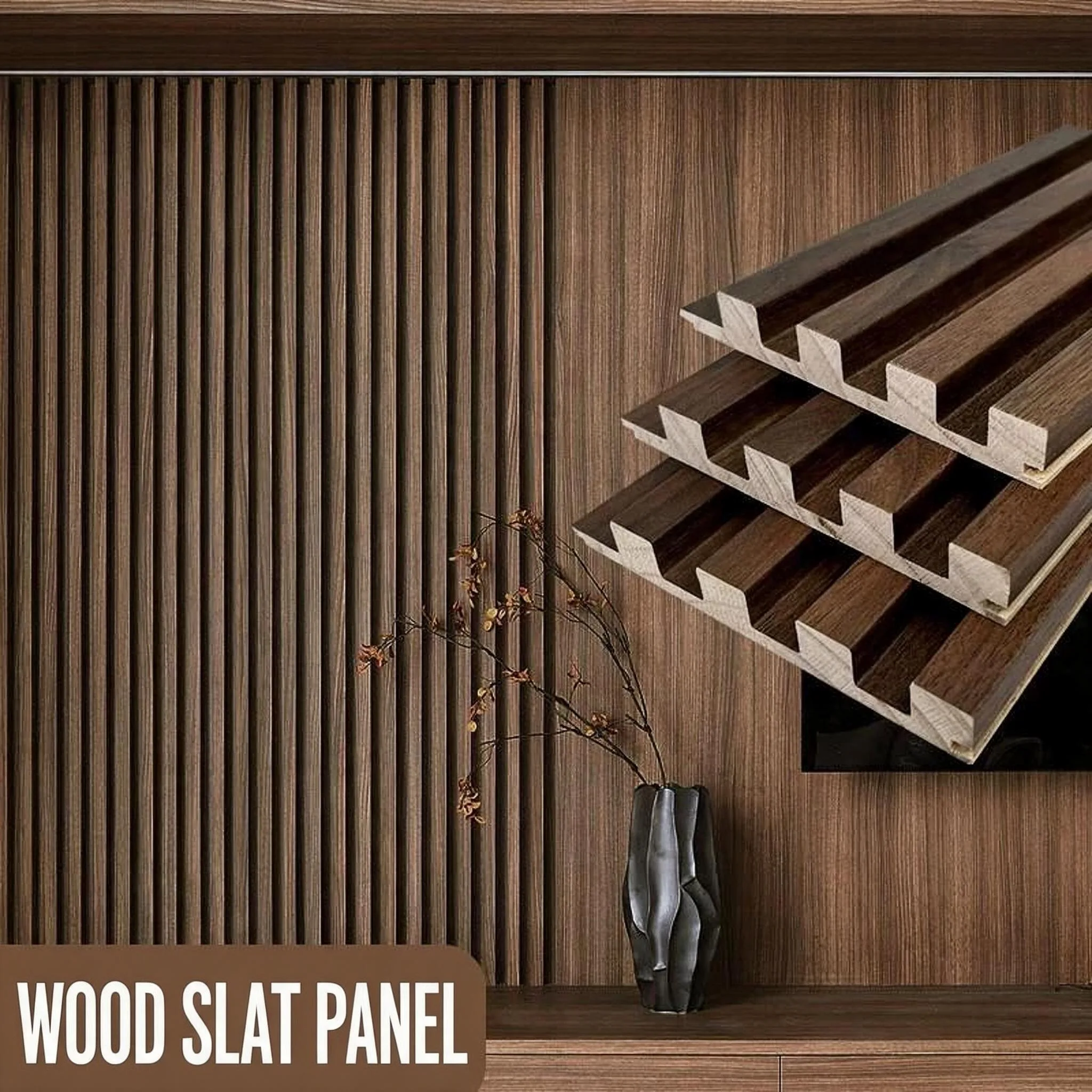
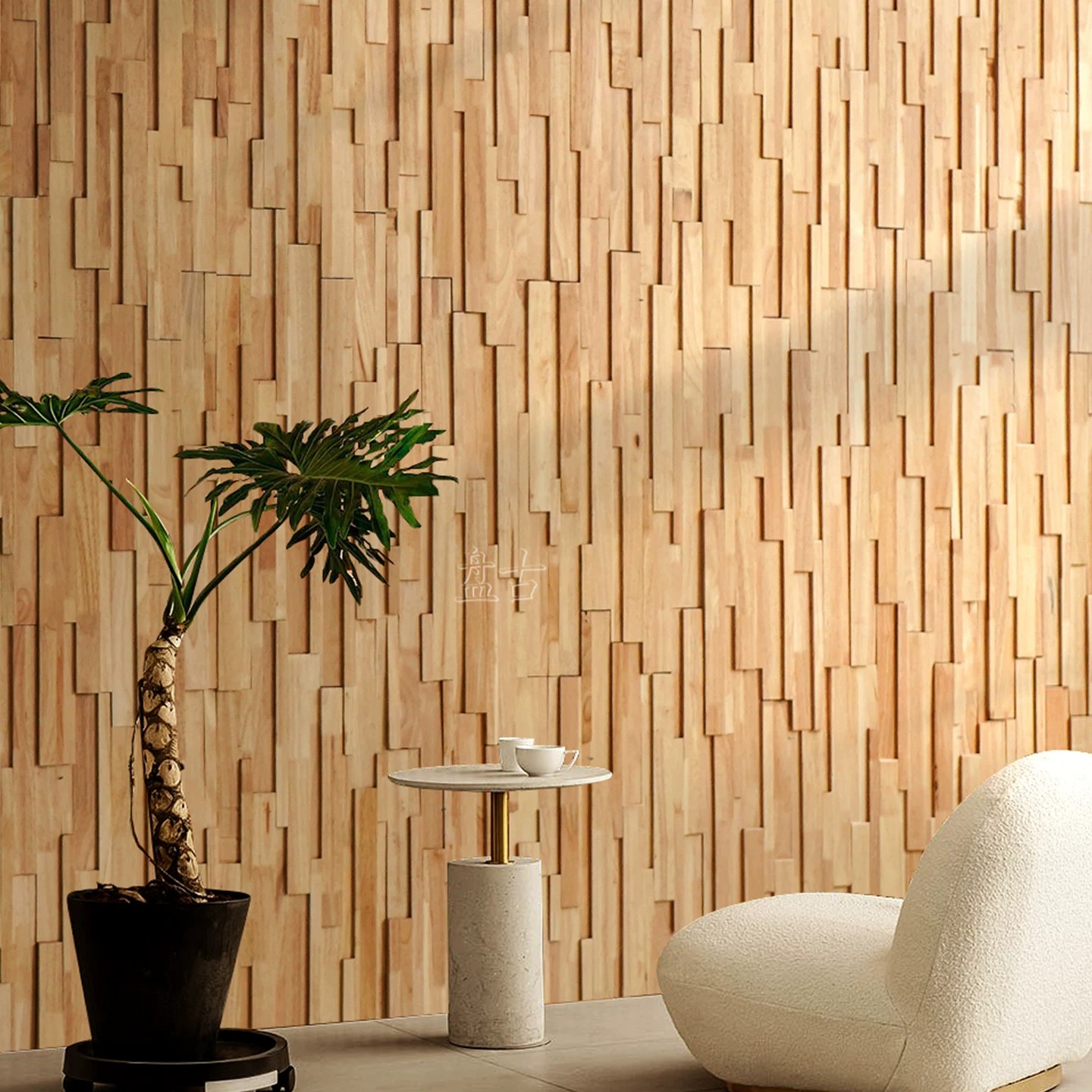
The lobby sets the tone for the entire guest experience. Large-format custom architectural systems, such as dramatic feature walls clad in rich wood or sustainable bamboo, create an immediate focal point. These installations can guide traffic flow, define seating areas, and establish the luxurious, natural aesthetic from the moment a guest arrives.
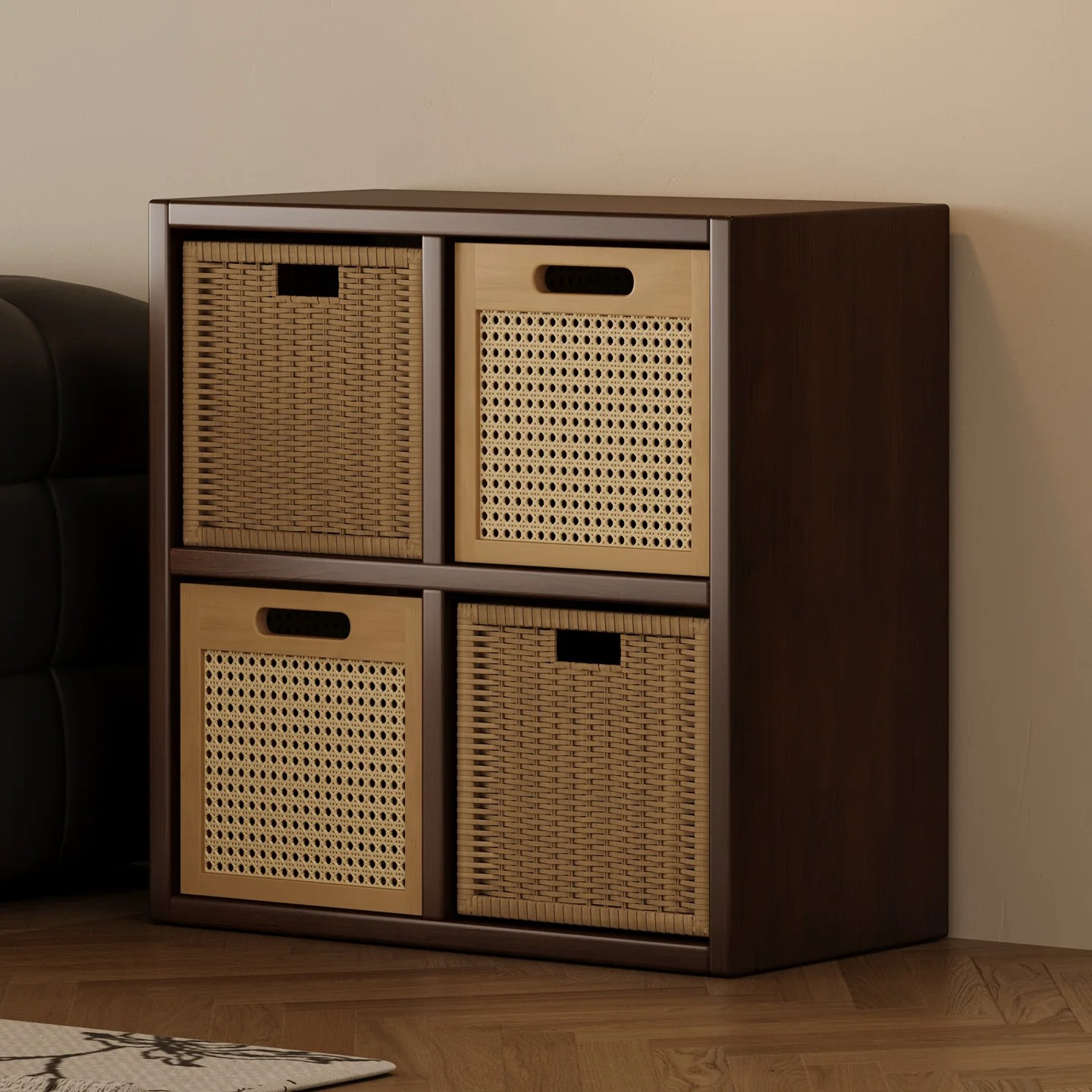
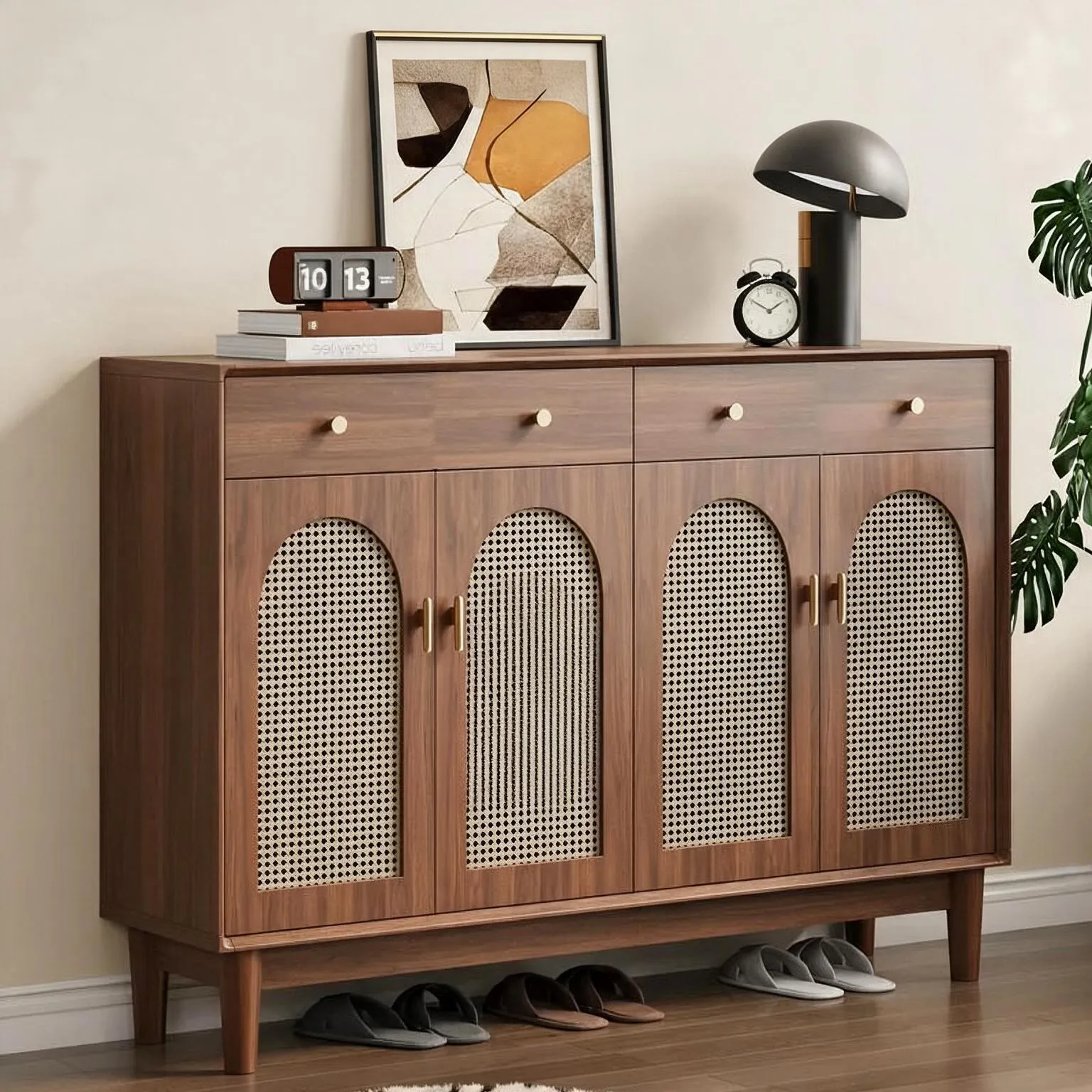
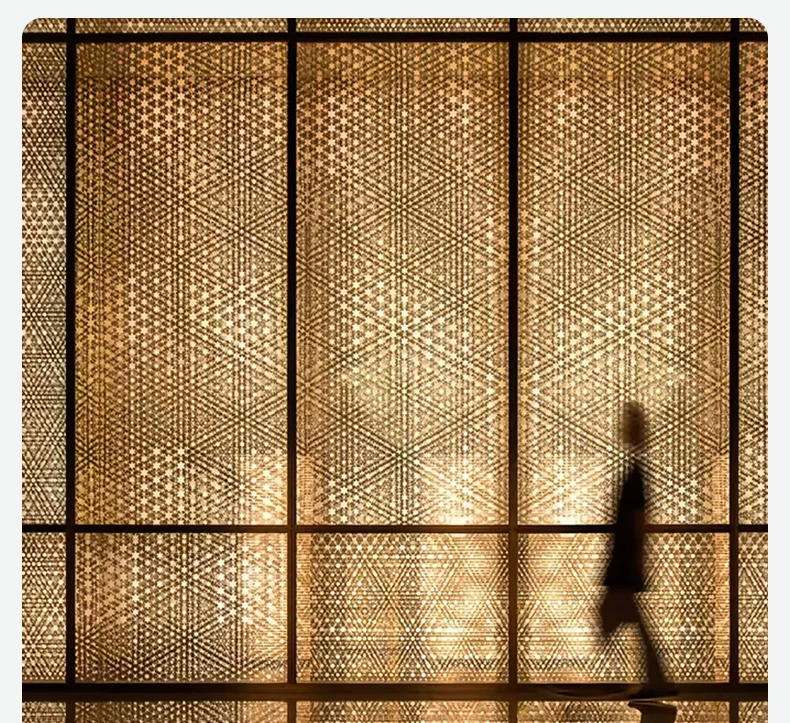
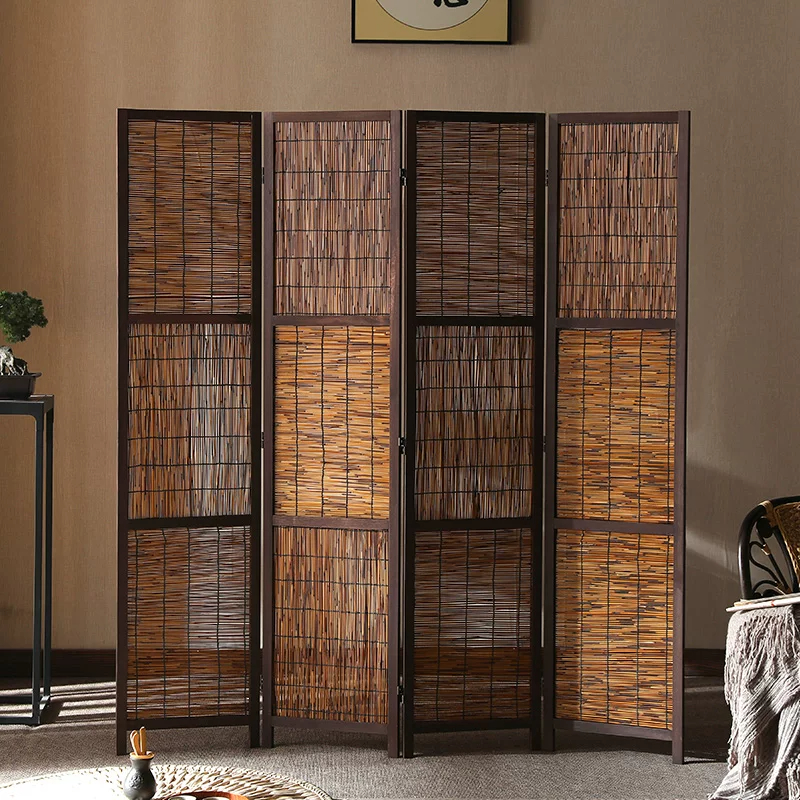
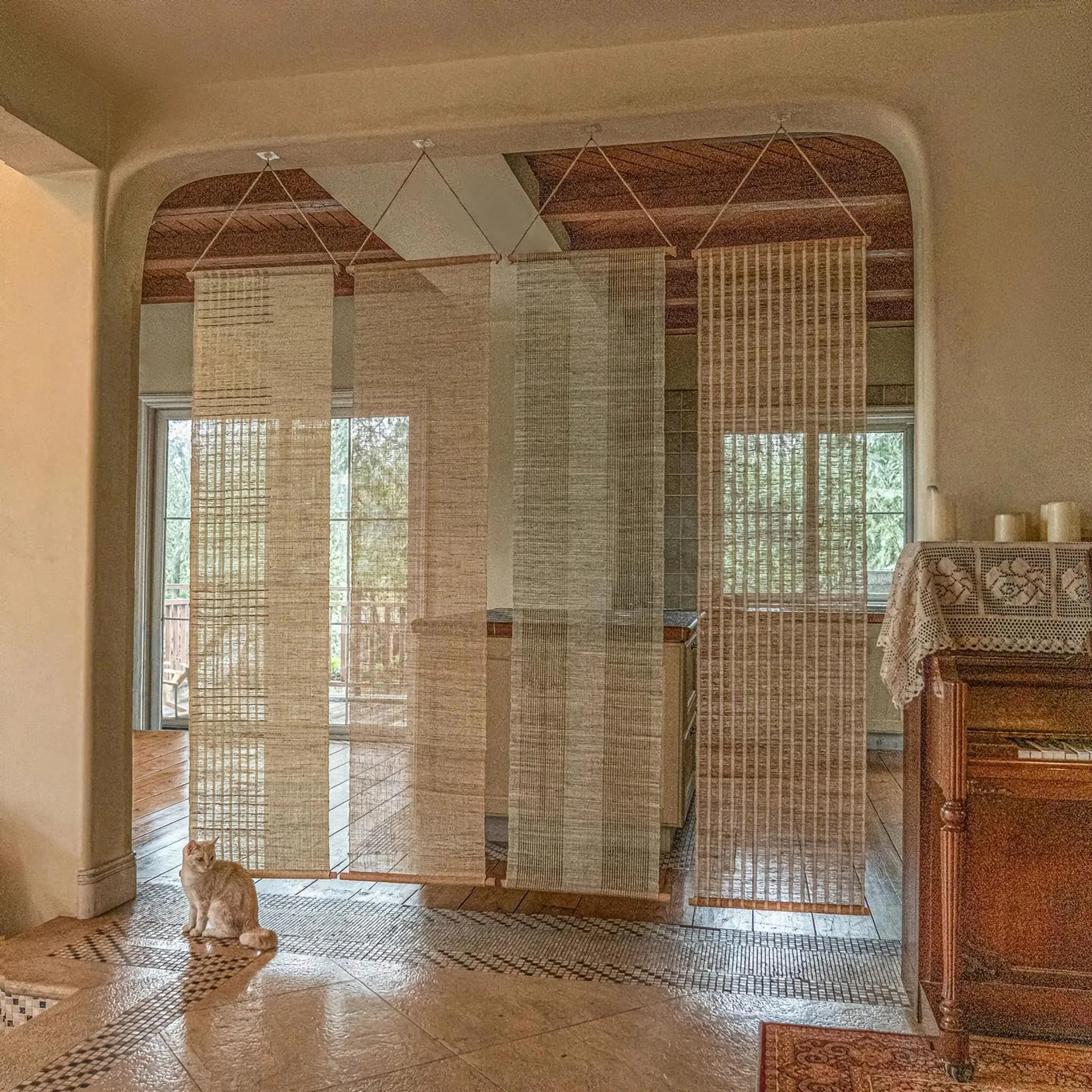
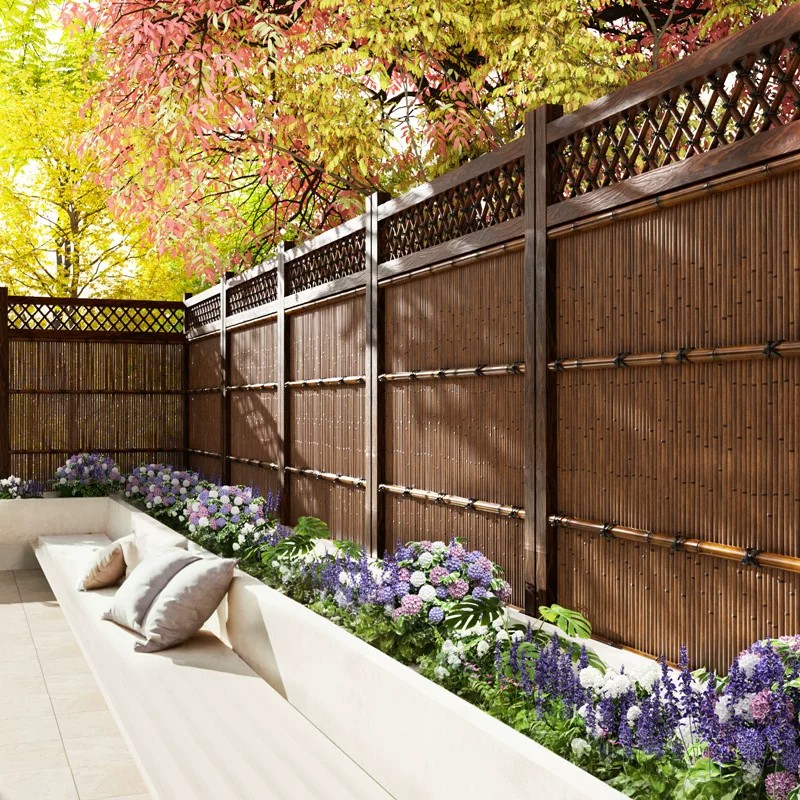
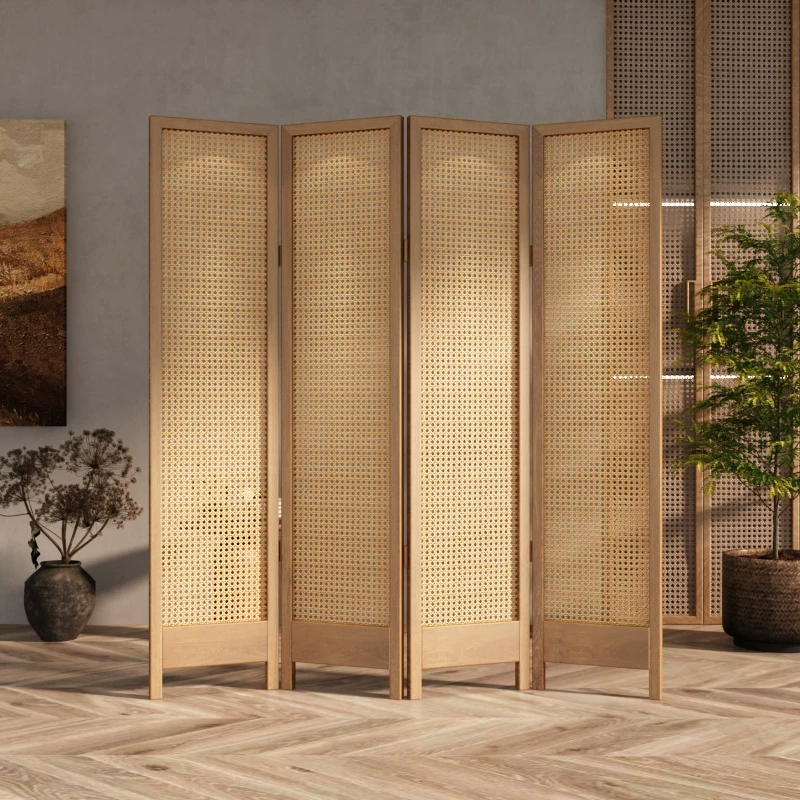
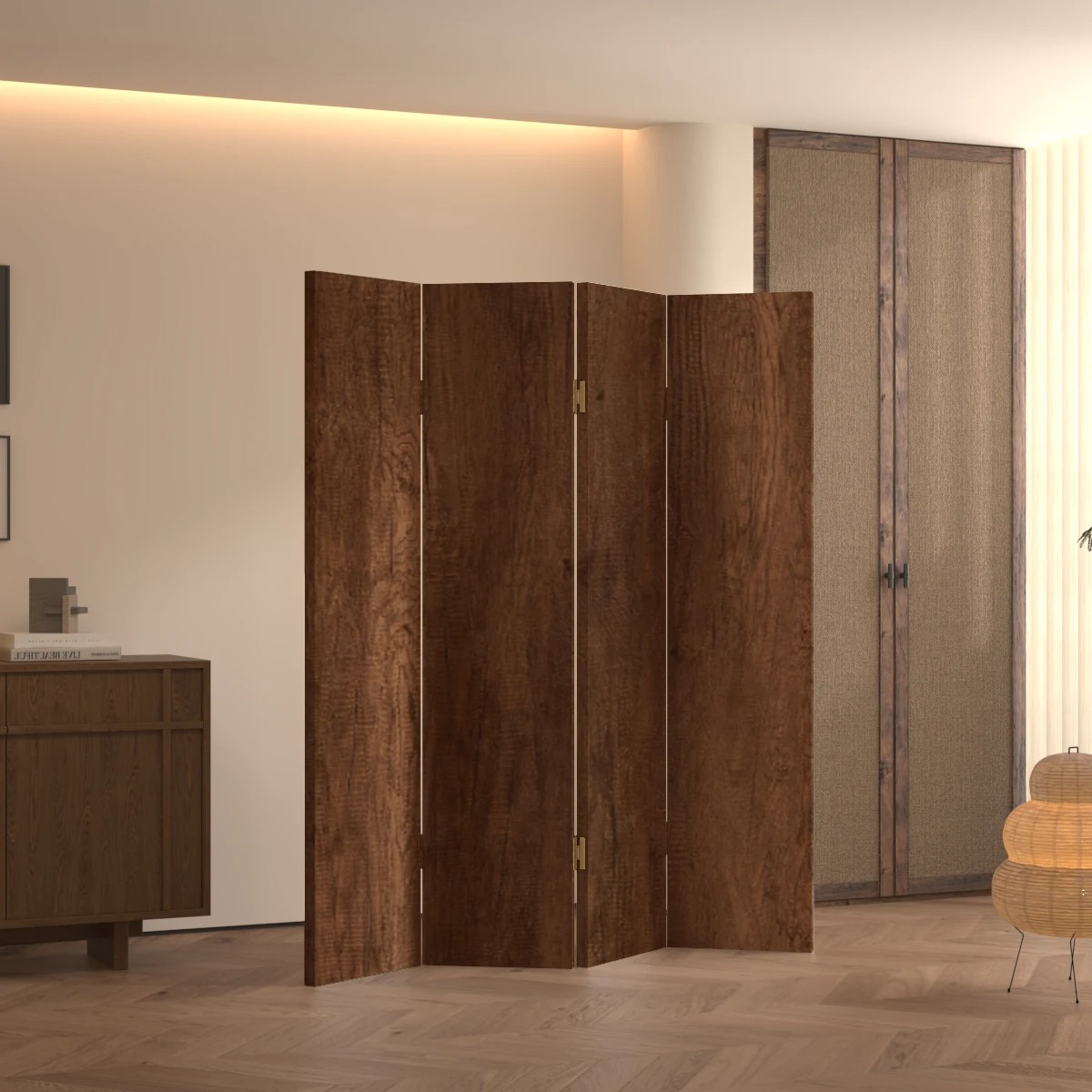
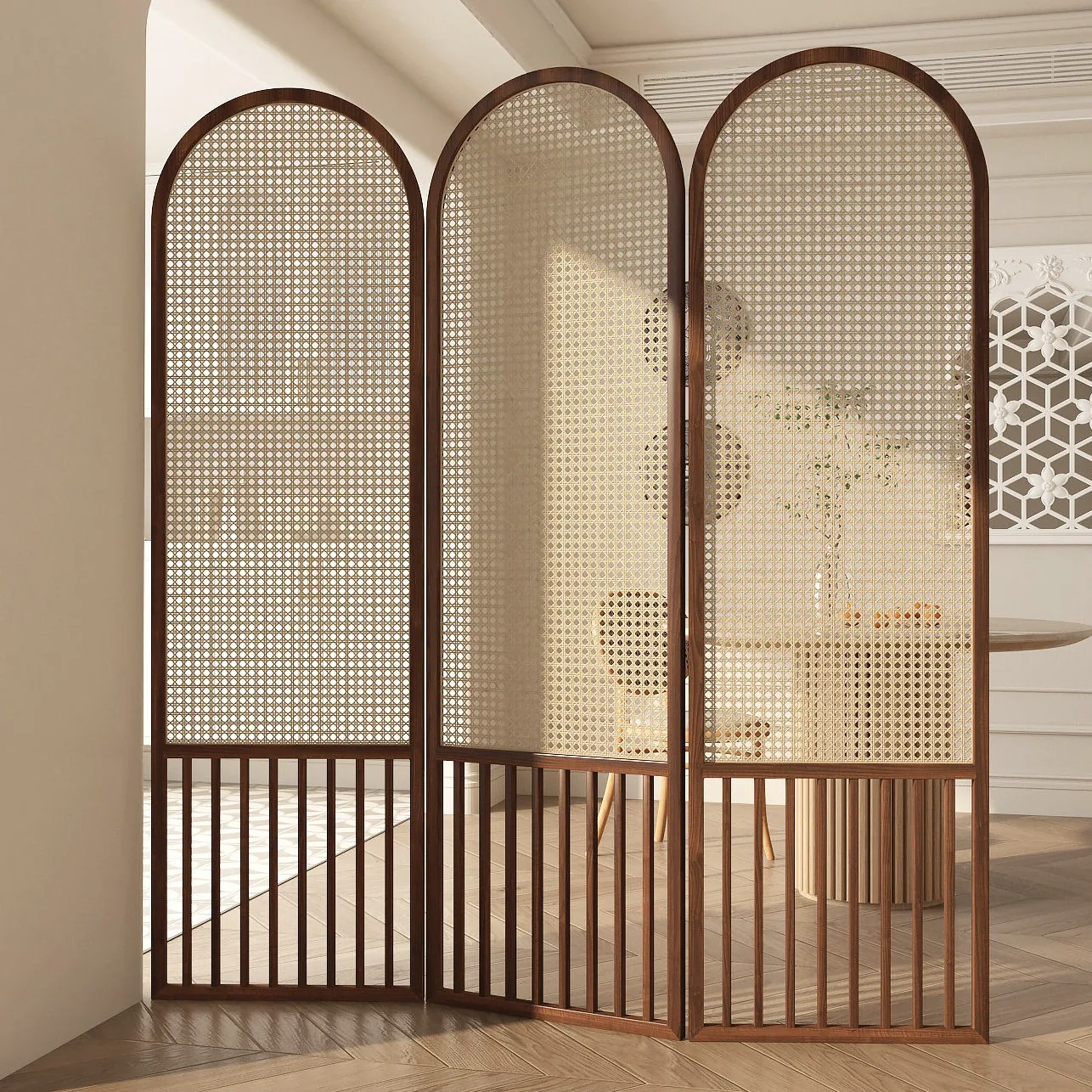
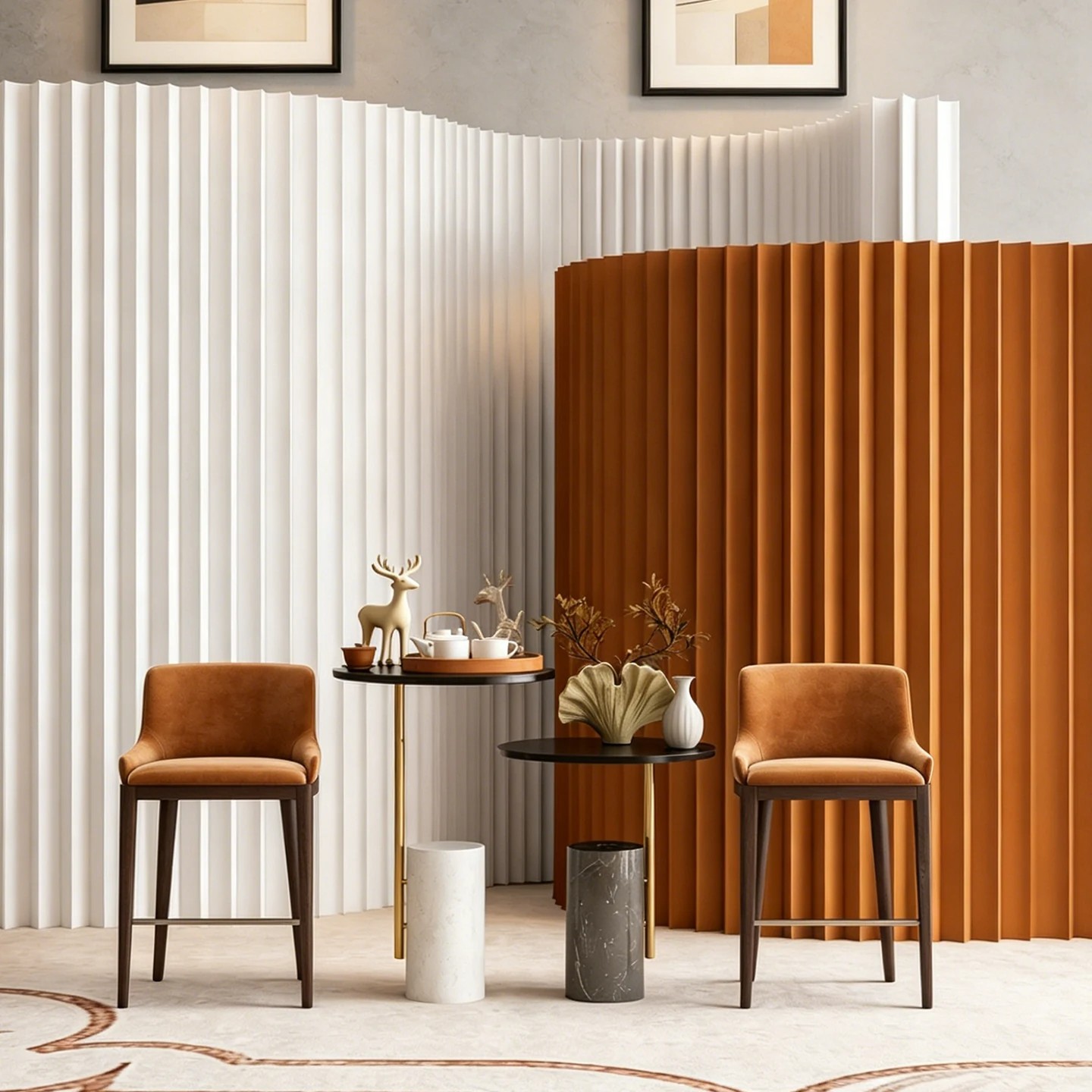
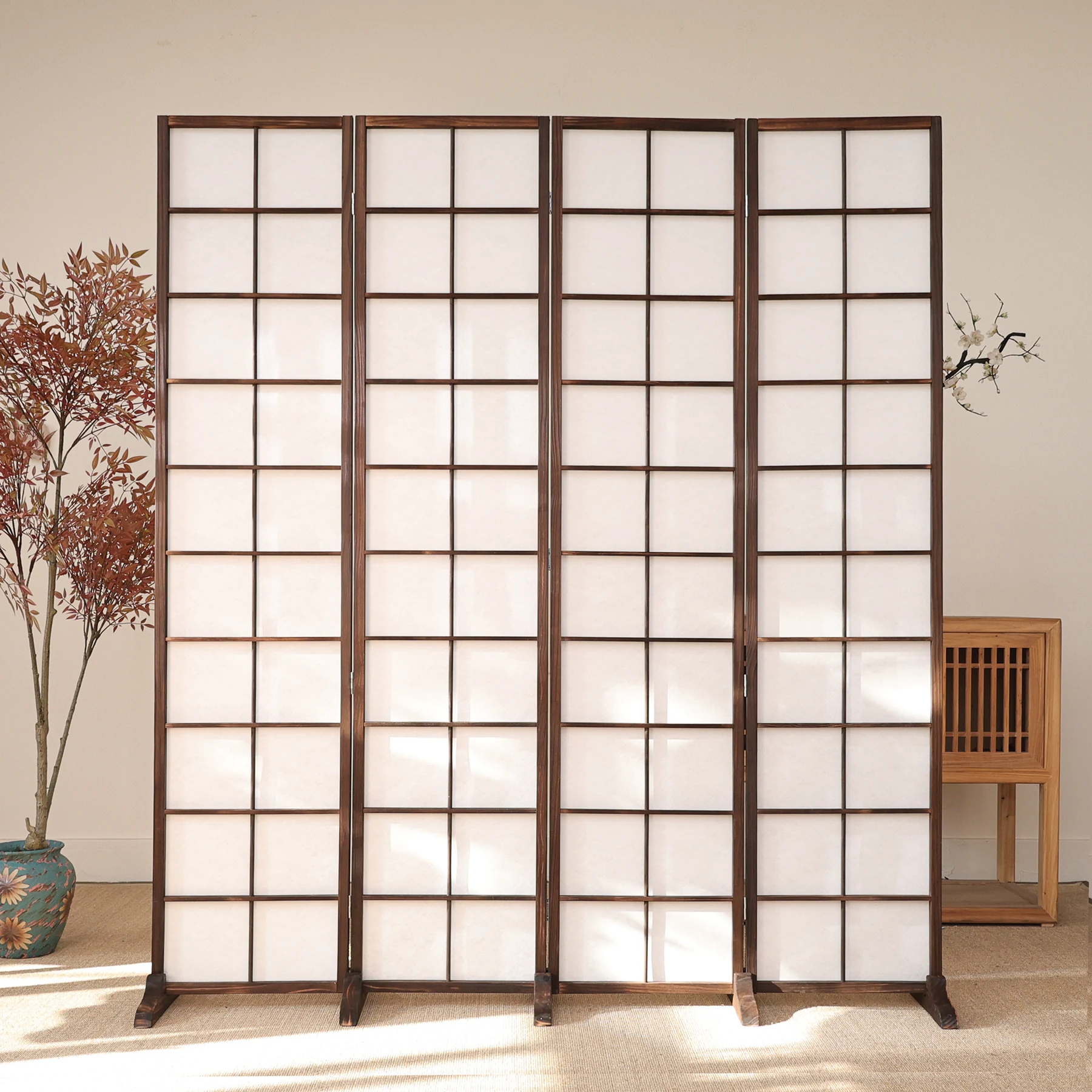
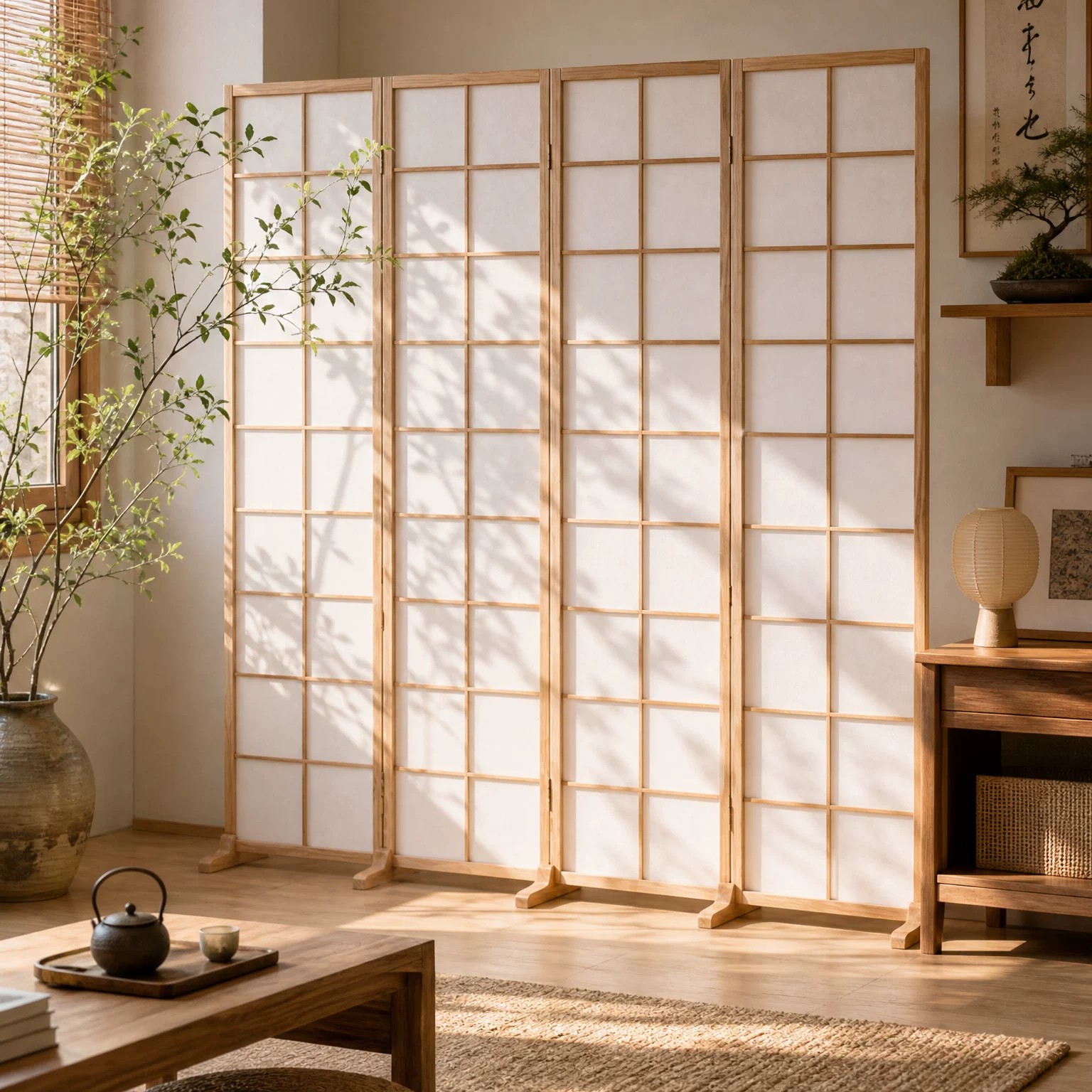
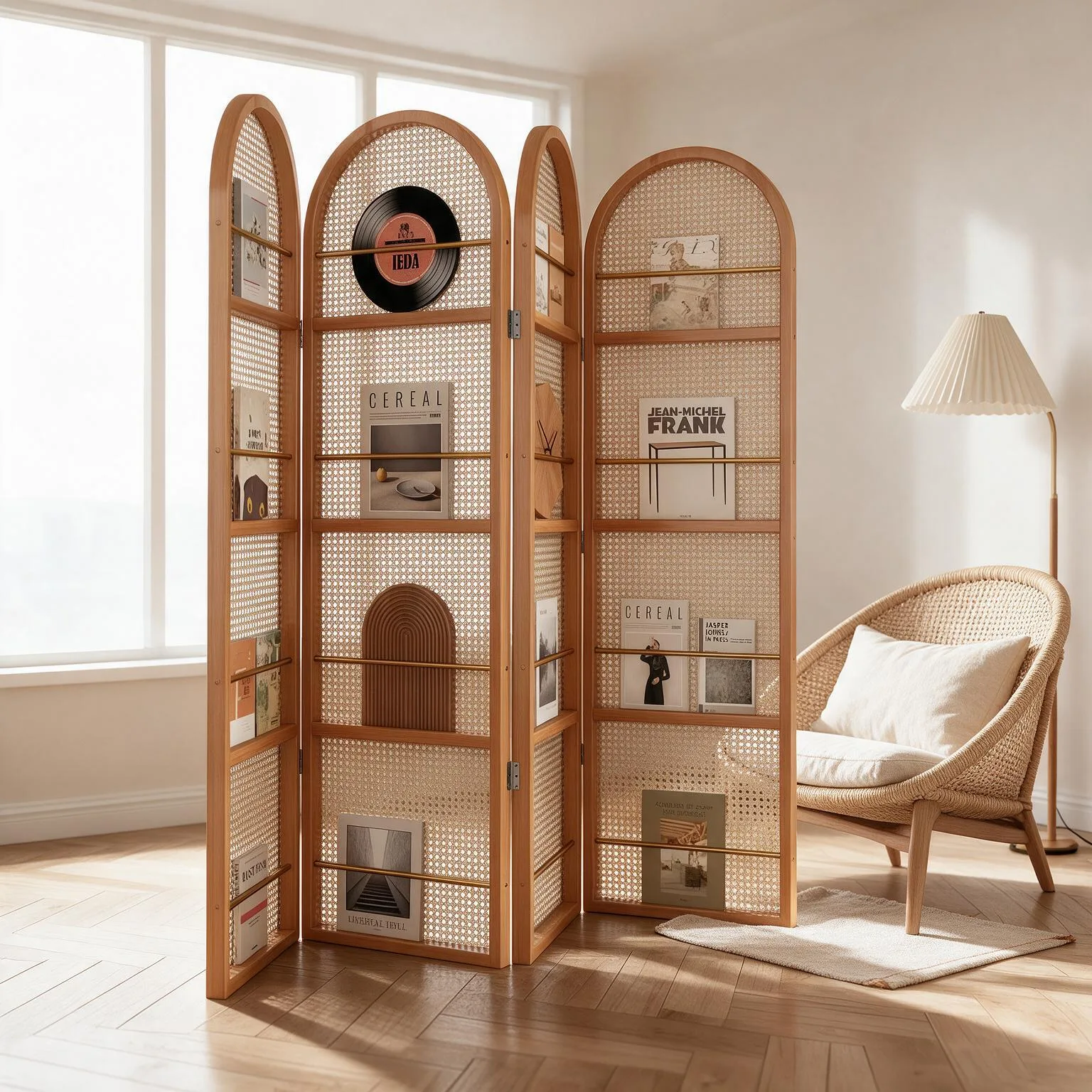
In hospitality dining, atmosphere is as crucial as the cuisine. Natural materials excel at creating intimate and inviting dining environments. Ceiling systems incorporating open-weave rattan or slatted bamboo can define intimate spaces within larger dining rooms. Furthermore, bamboo partitions and decorative screens offer a sophisticated way to create private dining alcoves or separate the bar area from the main restaurant without completely obstructing views or light.
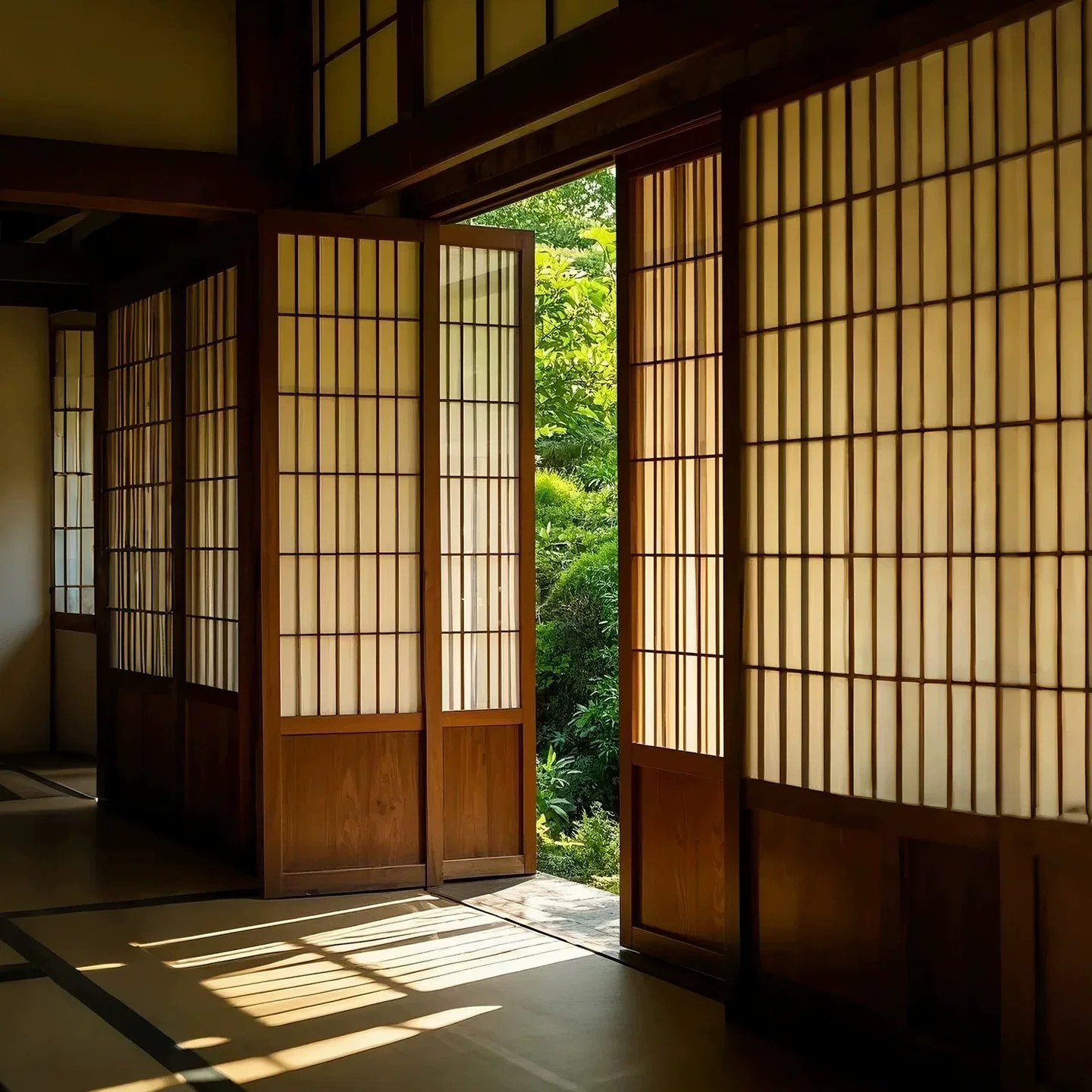
The guest room is a private sanctuary. Here, the use of natural materials should emphasize calm and comfort. Consider natural material headboard feature walls, textured cladding, or sustainable room dividers that separate the sleeping area from a lounge or dressing space. These elements contribute to a healthier indoor environment and a profound sense of relaxation.
While the aesthetic appeal of natural material architectural systems is clear, hospitality projects demand rigorous performance standards. Materials must withstand high traffic, regular cleaning, and adhere to strict safety regulations.
When specifying wood, bamboo, or rattan for commercial use, proper treatment and finishing are essential. High-quality natural materials, when correctly processed and sealed, offer excellent durability. For example, engineered bamboo products can often surpass traditional hardwoods in hardness and stability, making them suitable for demanding applications. Architects must ensure that the specified systems include appropriate protective finishes to resist wear and maintain their appearance over time.
Fire safety is non-negotiable in hospitality design. Natural material systems must be treated with appropriate fire retardants to meet international building codes. Leading suppliers of natural material architectural systems provide certified products that comply with these critical safety standards, ensuring that aesthetic goals do not compromise guest safety.
Hospitality environments can be noisy. Natural materials, particularly when configured as slatted or perforated systems, offer inherent acoustic benefits. They can help absorb sound, reducing reverberation in large spaces like lobbies and restaurants, thereby creating a more comfortable and pleasant acoustic environment.
Sustainability is no longer an optional add-on; it is a fundamental requirement for modern luxury hospitality development. Utilizing natural material architectural systems, especially those based on rapidly renewable resources like bamboo, supports green building initiatives and contributes to certifications such as LEED or BREEAM. Specifying materials from responsibly managed sources allows hospitality brands to demonstrate their commitment to environmental stewardship, a factor increasingly important to contemporary travelers.
Bambooforma is dedicated to supporting architects and designers in realizing their vision for sustainable, luxury hospitality spaces through our range of premium natural material architectural systems.
The integration of natural material architectural systems is a transformative approach to hospitality design. By moving beyond superficial decoration to deeply integrated architectural elements, designers can create spaces that are authentically luxurious, sustainably responsible, and emotionally resonant for guests. As the industry continues to evolve, the demand for environments that offer comfort, connection, and a sense of well-being will only grow. Embracing the innate beauty and technical performance of natural materials is essential for creating the hospitality experiences of the future.
For more insights and to explore custom solutions for your hospitality project, consider a professional consultation on incorporating sophisticated natural material architectural systems.
They are integrated architectural components, such as wall cladding, ceiling treatments, and partitioning systems, that are fabricated primarily from natural materials like wood, bamboo, and rattan. These systems are designed for both aesthetic appeal and structural performance in commercial and luxury residential projects.
When specified correctly, these systems are highly durable. Premium natural materials, particularly engineered bamboo, offer exceptional hardness and stability. They receive specialized commercial-grade finishes to resist wear, moisture, and stains, ensuring long-term performance in demanding hospitality settings.
Yes. Natural material architectural systems can be treated with fire-retardant coatings during the manufacturing process to ensure they meet the stringent fire safety standards and building codes required for commercial hospitality projects. Always request certification from the supplier.
Using rapidly renewable materials like bamboo or responsibly sourced wood helps reduce the carbon footprint of a project. These materials are biodegradable and often support biophilic design principles, which are central to modern sustainable architecture and certified green building standards.
52.89
52.99
219