


Understanding Bamboo Partition Fire Ratings for Hospitality Projects
Navigating bamboo partition fire ratings for hotels and restaurants. Expert guide for architects on compliance, safety, and natural material design.

In contemporary luxury commercial architecture, the challenge lies not only in creating visually stunning environments but also in managing the auditory experience. The trend towards open-plan designs in hotels, resorts, and high-end restaurants often conflicts with the need for acoustic comfort and intimate zoning. Bambooforma recognizes that achieving this balance requires sophisticated solutions that integrate both form and function. This article explores how decorative screens, particularly those crafted from natural materials like bamboo and rattan, serve as crucial architectural elements that enhance both aesthetics and acoustics.
Acoustic comfort is a significant, yet often overlooked, component of guest satisfaction in luxury hospitality. Excessive noise in a hotel lobby, reverberation in a fine dining restaurant, or lack of privacy in a spa can severely detract from the perceived quality of the space. Architects and designers must address these sound issues without sacrificing the aesthetic vision.
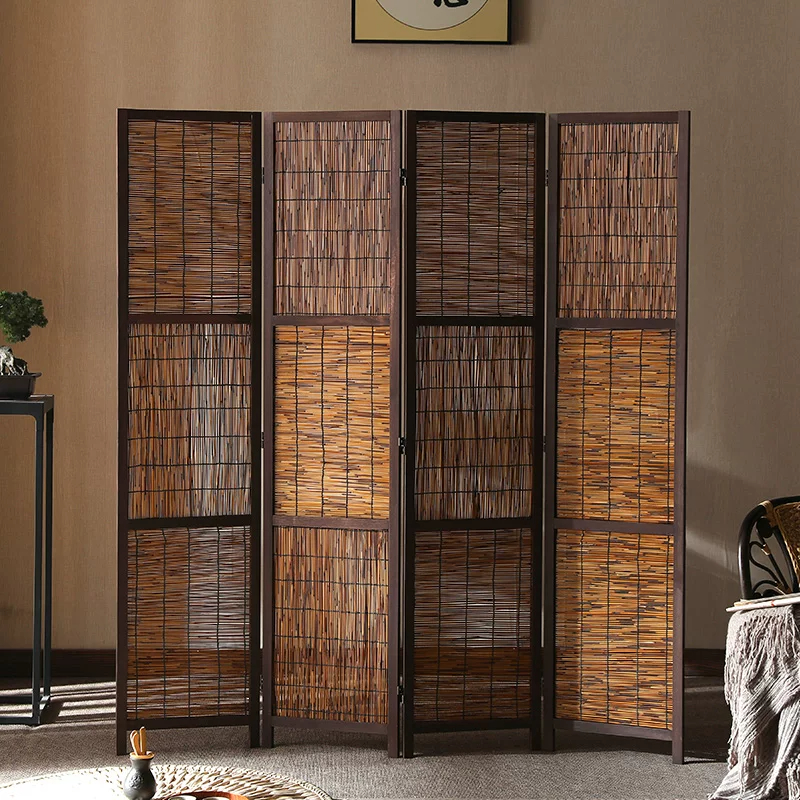
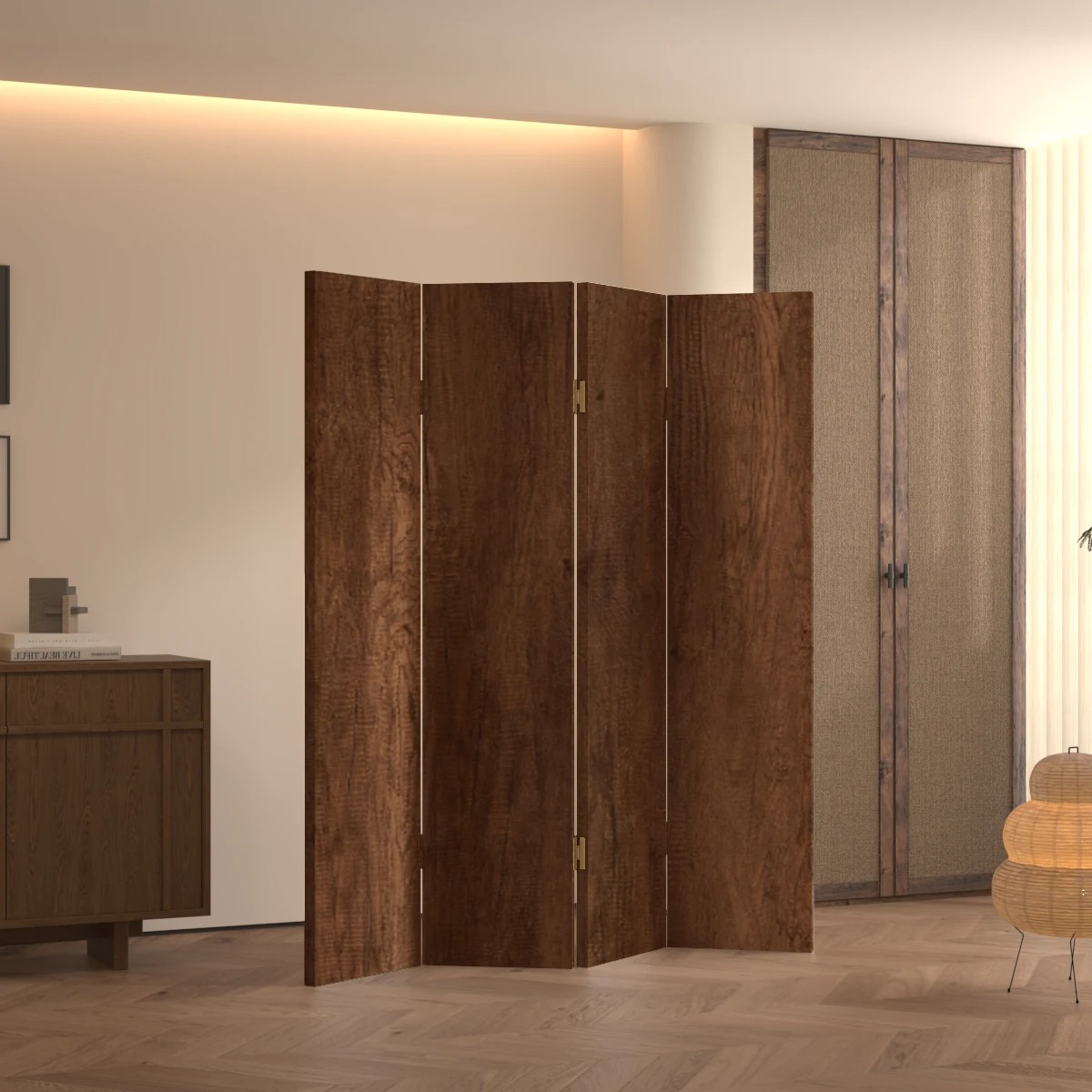
Traditional acoustic treatments can sometimes appear industrial or clash with a refined interior design palette. Decorative screens offer a versatile alternative. By thoughtfully placing these functional partitions, designers can mitigate sound transmission and reduce reverberation while simultaneously introducing texture, warmth, and visual interest. The objective is to create distinct ‘zones’ within larger spaces, fostering a sense of exclusivity and tranquility that is essential for premium environments.
Decorative screens influence the acoustic properties of a space through several mechanisms, primarily absorption, diffusion, and attenuation.
When sound waves encounter a surface, they are either reflected, absorbed, or transmitted. Hard, reflective surfaces (like glass or polished concrete, common in modern design) cause sound to bounce, creating echoes and increasing overall noise levels. Decorative screens, especially those made from porous or fibrous natural materials, can absorb a portion of this sound energy, preventing it from reflecting back into the room.
While a single screen might not provide complete soundproofing, it significantly attenuates (reduces the intensity of) sound as it passes through. This is particularly effective for managing ambient noise and creating speech privacy between adjacent seating areas in restaurants or lounges.
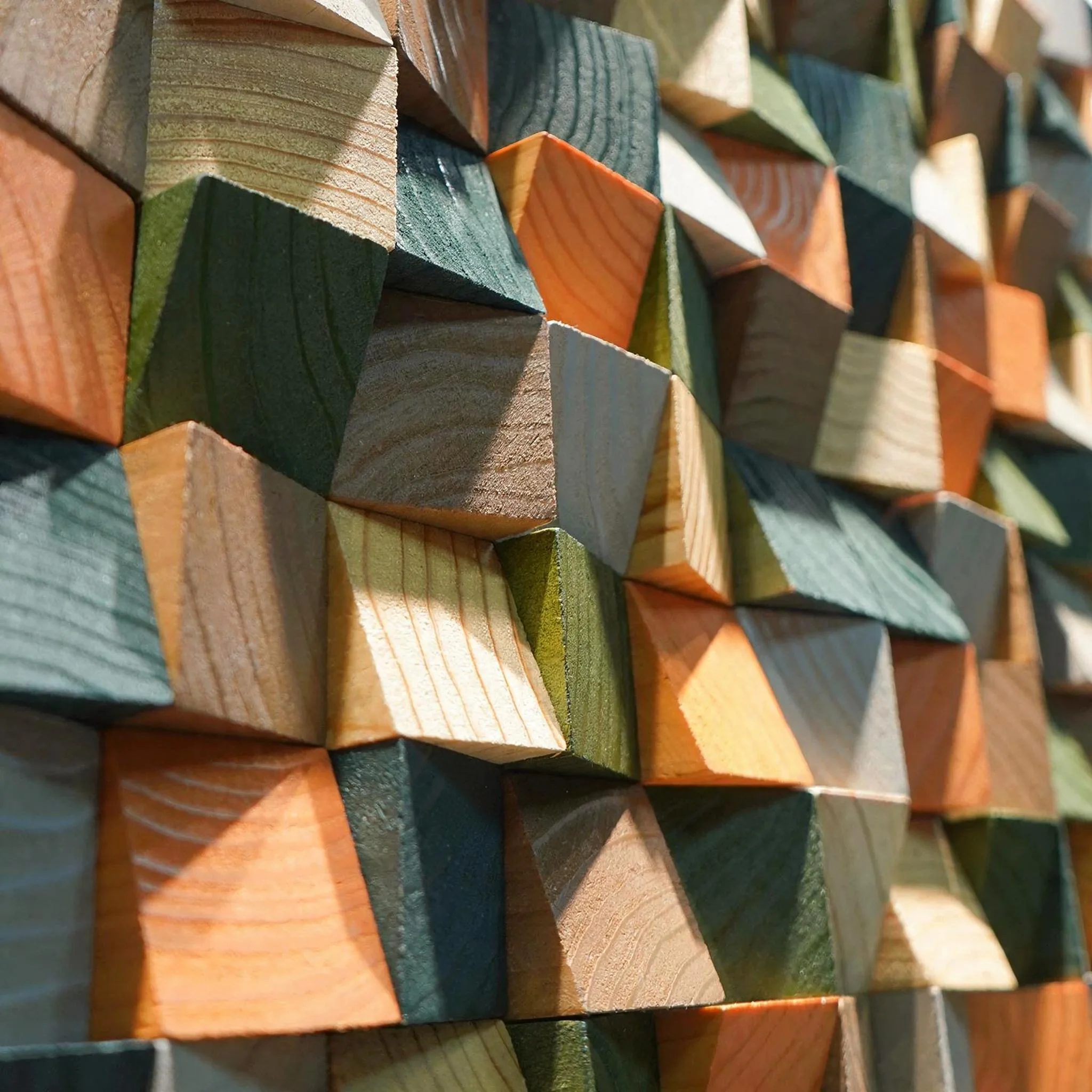
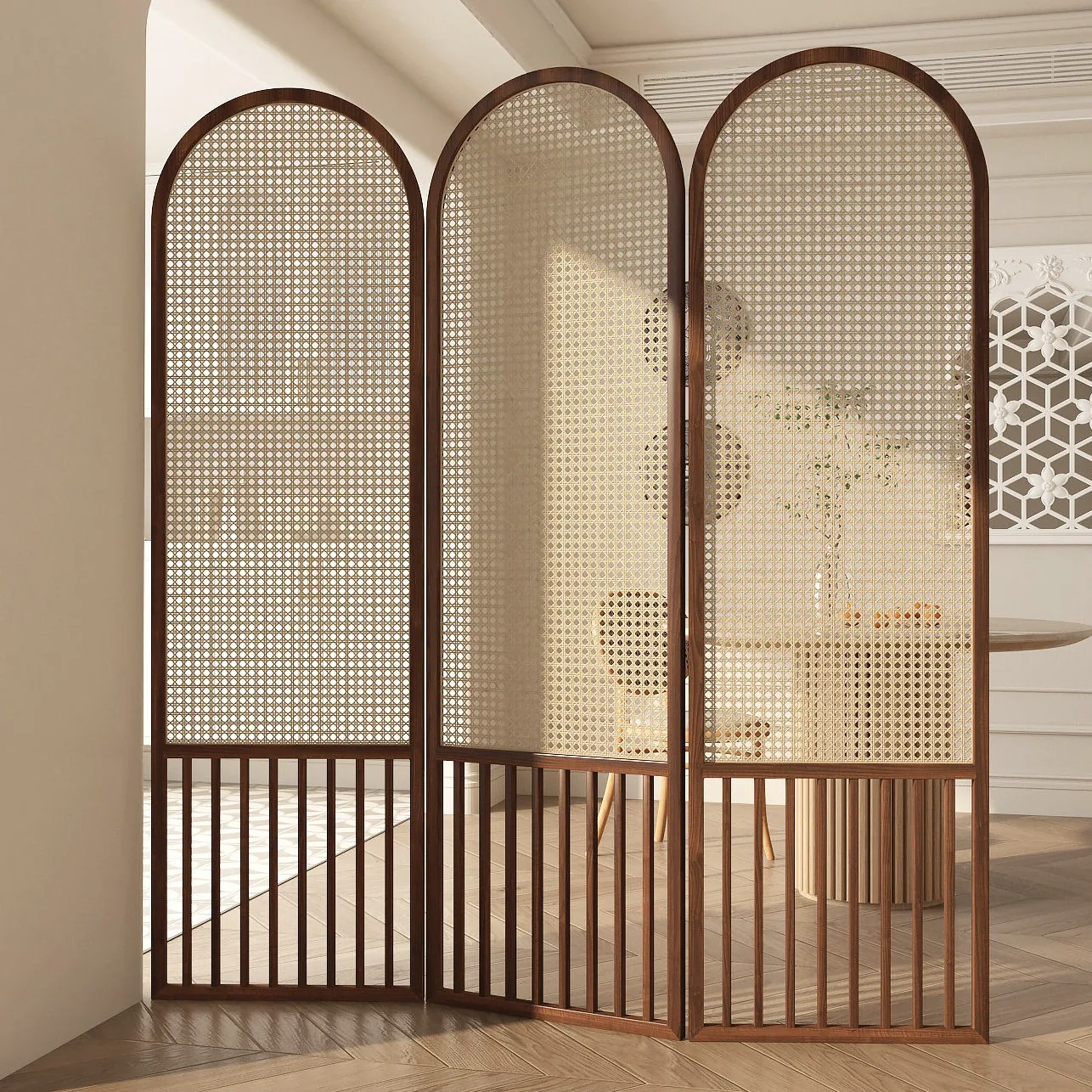
Perhaps more critically than absorption, decorative screens contribute to sound diffusion. Diffusion is the scattering of sound waves, which prevents harsh reflections and flutter echoes. Screens with complex patterns, varied textures, or intricate latices—characteristics often found in Japandi-inspired or natural material designs—break up sound waves and scatter them in multiple directions. This creates a more even and pleasing acoustic environment, enhancing clarity for conversation without making the space feel ‘dead’ or overly muted.
The choice of material for decorative screens is pivotal for both aesthetic impact and acoustic performance. Natural materials offer inherent advantages that synthetics often lack.
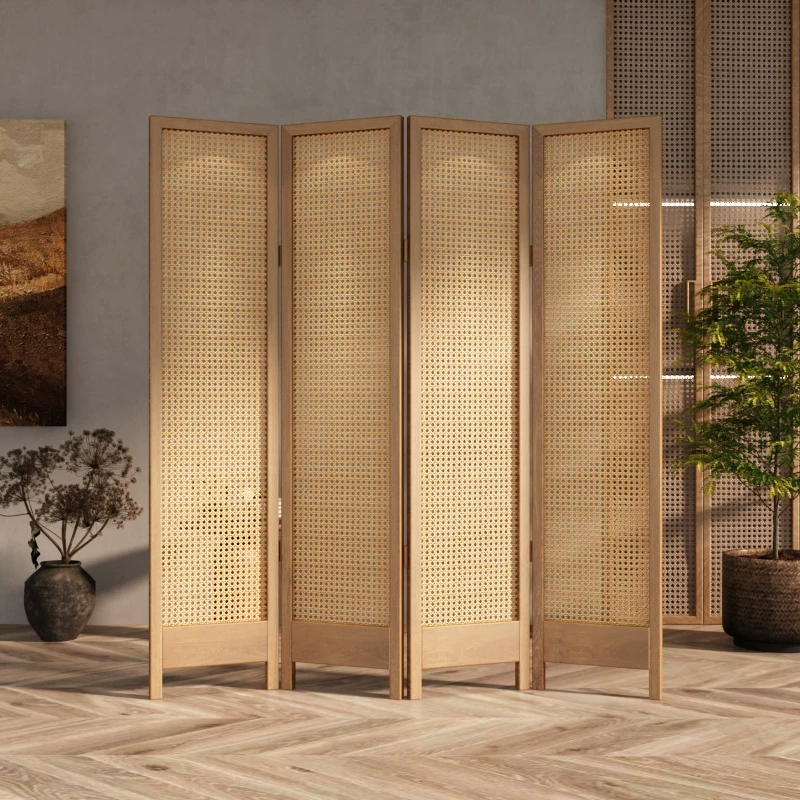
Bamboo, for instance, is not only sustainable and visually warm but also possesses complex internal structures that contribute to sound attenuation. Rattan and other woven materials provide natural porosity, excellent for diffusing and absorbing sound. These materials align perfectly with the growing demand for biophilic design and the tranquil aesthetics of Japandi architecture, while delivering tangible functional benefits.
While acoustic performance is crucial, the primary role of decorative screens in luxury spaces remains aesthetic. They are architectural accents that define style and influence atmosphere.
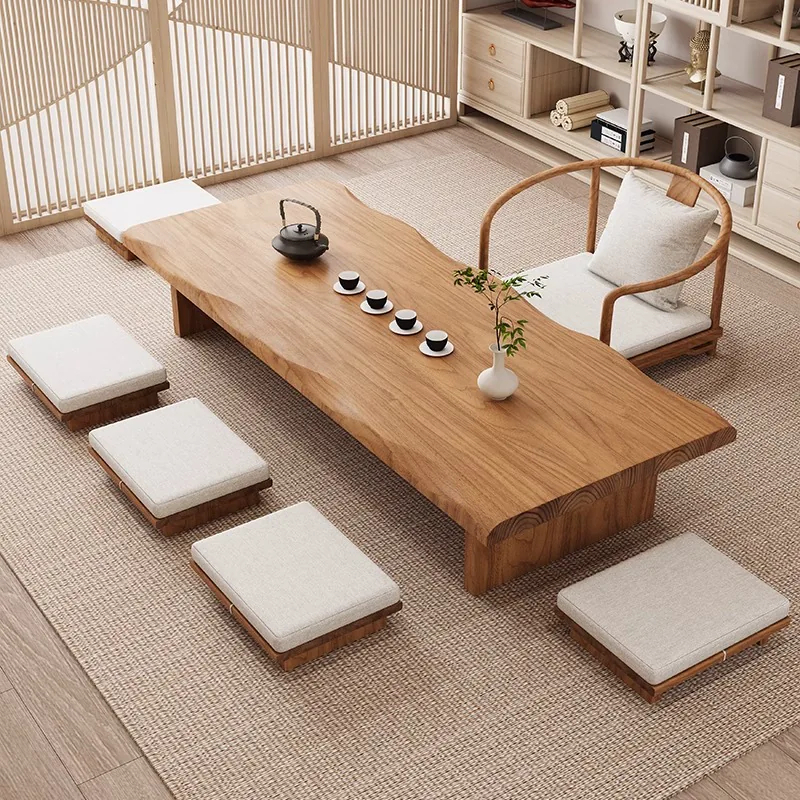
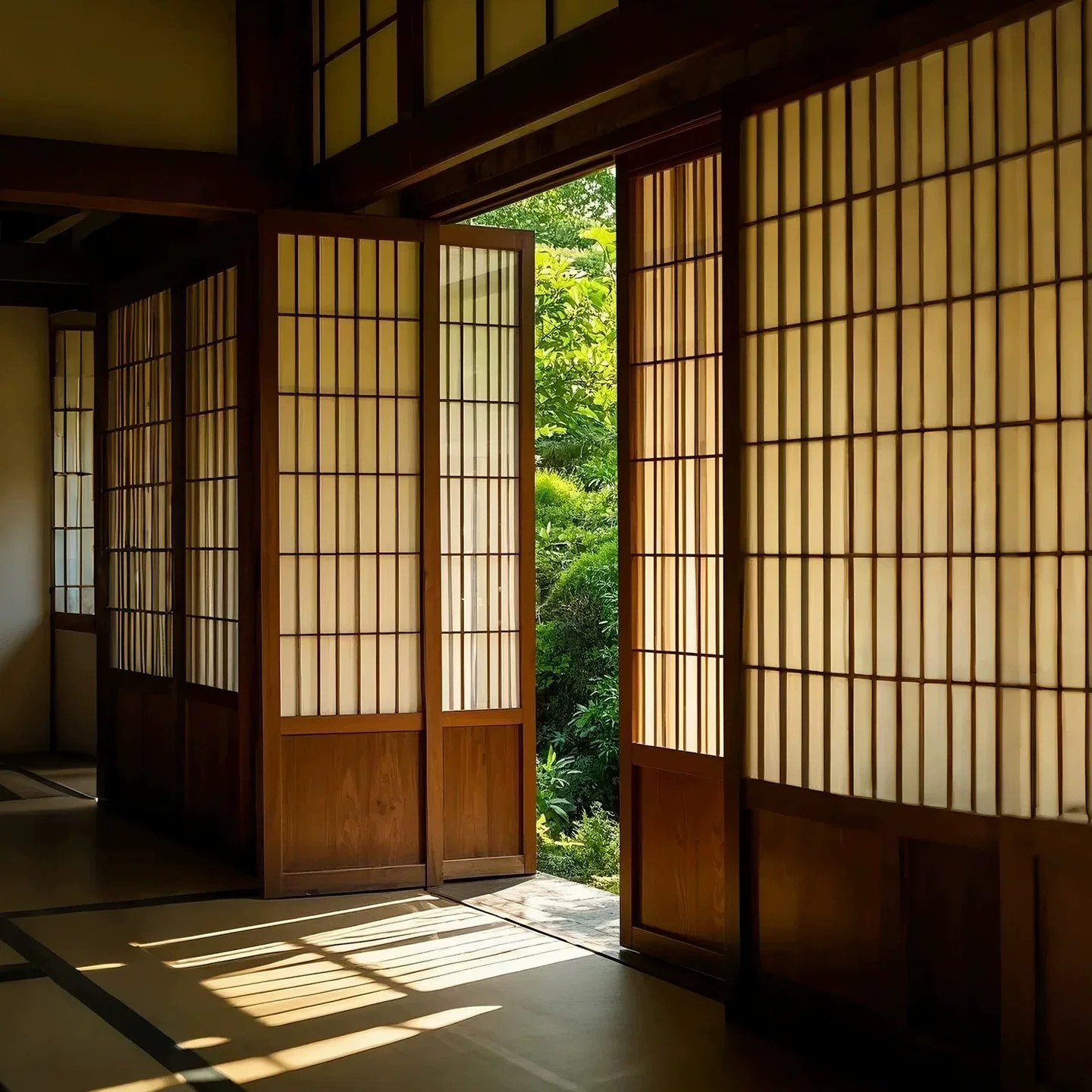
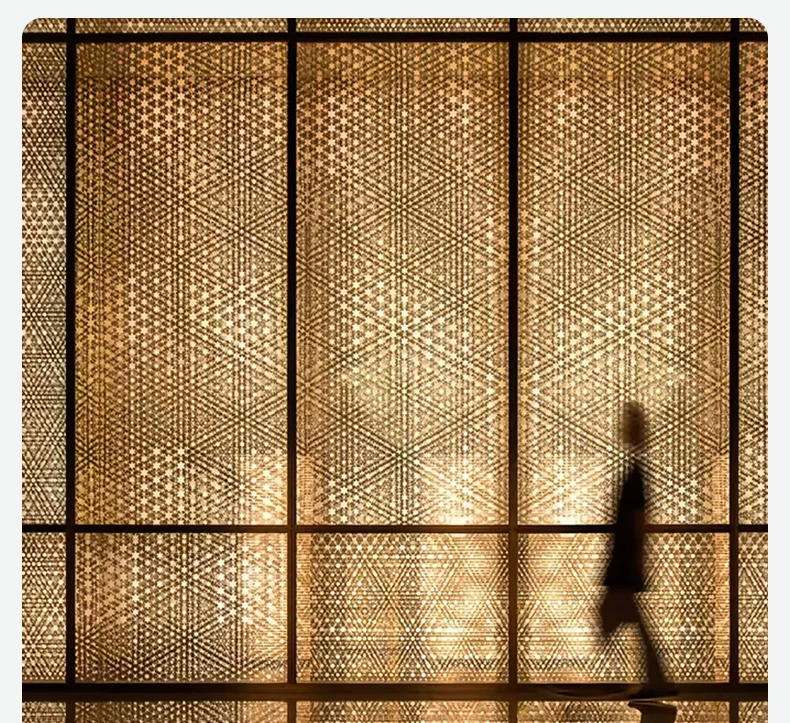
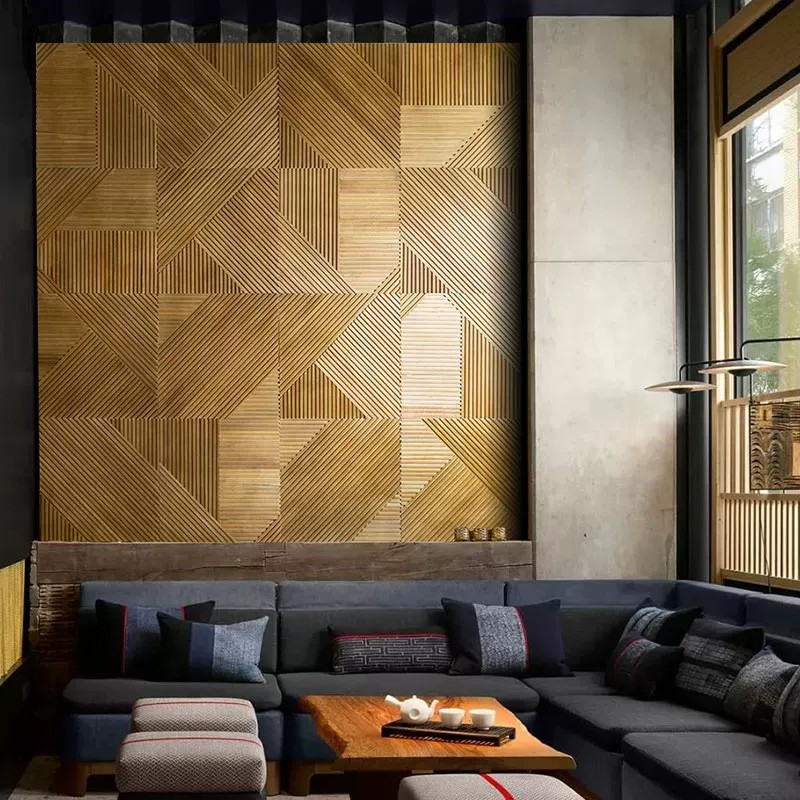
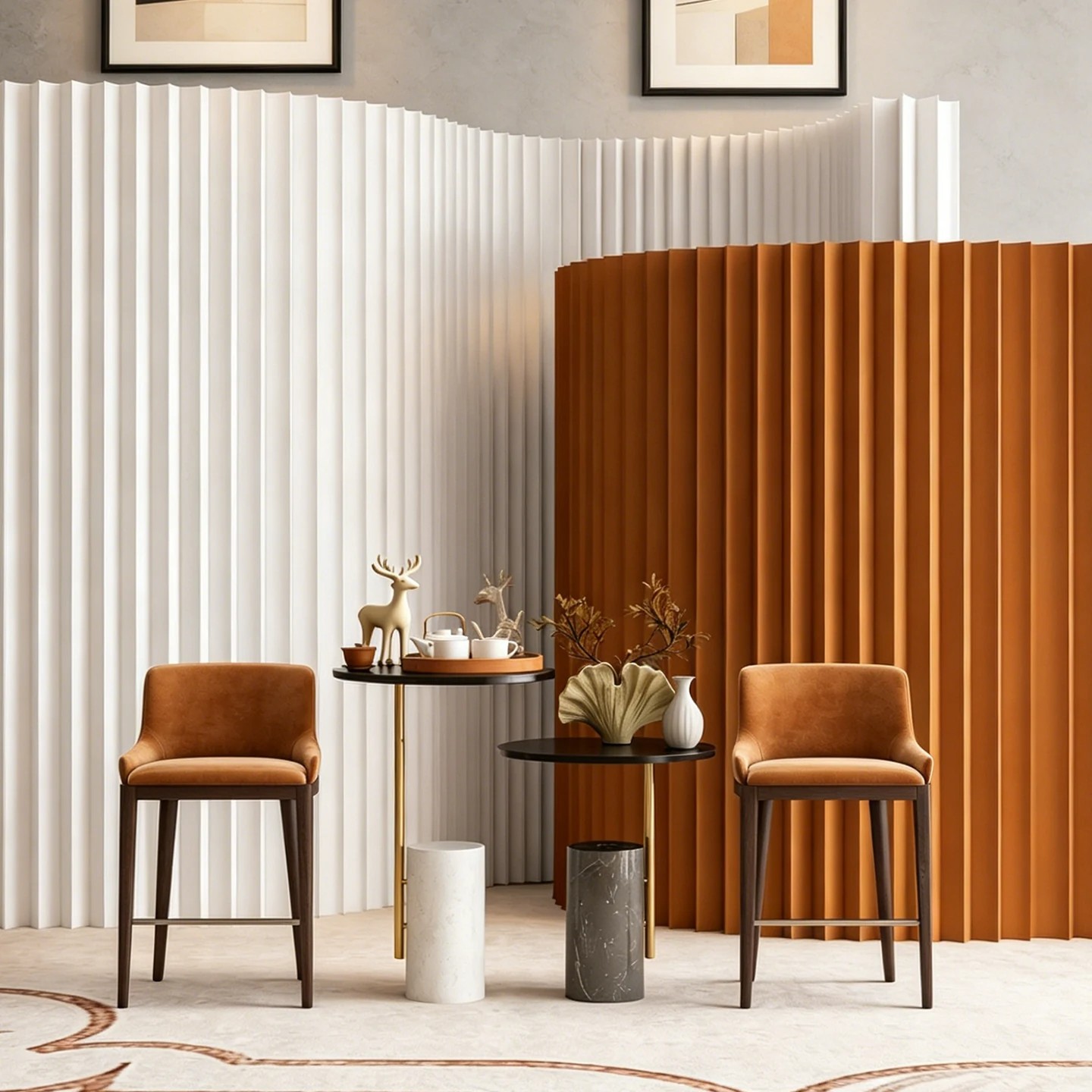
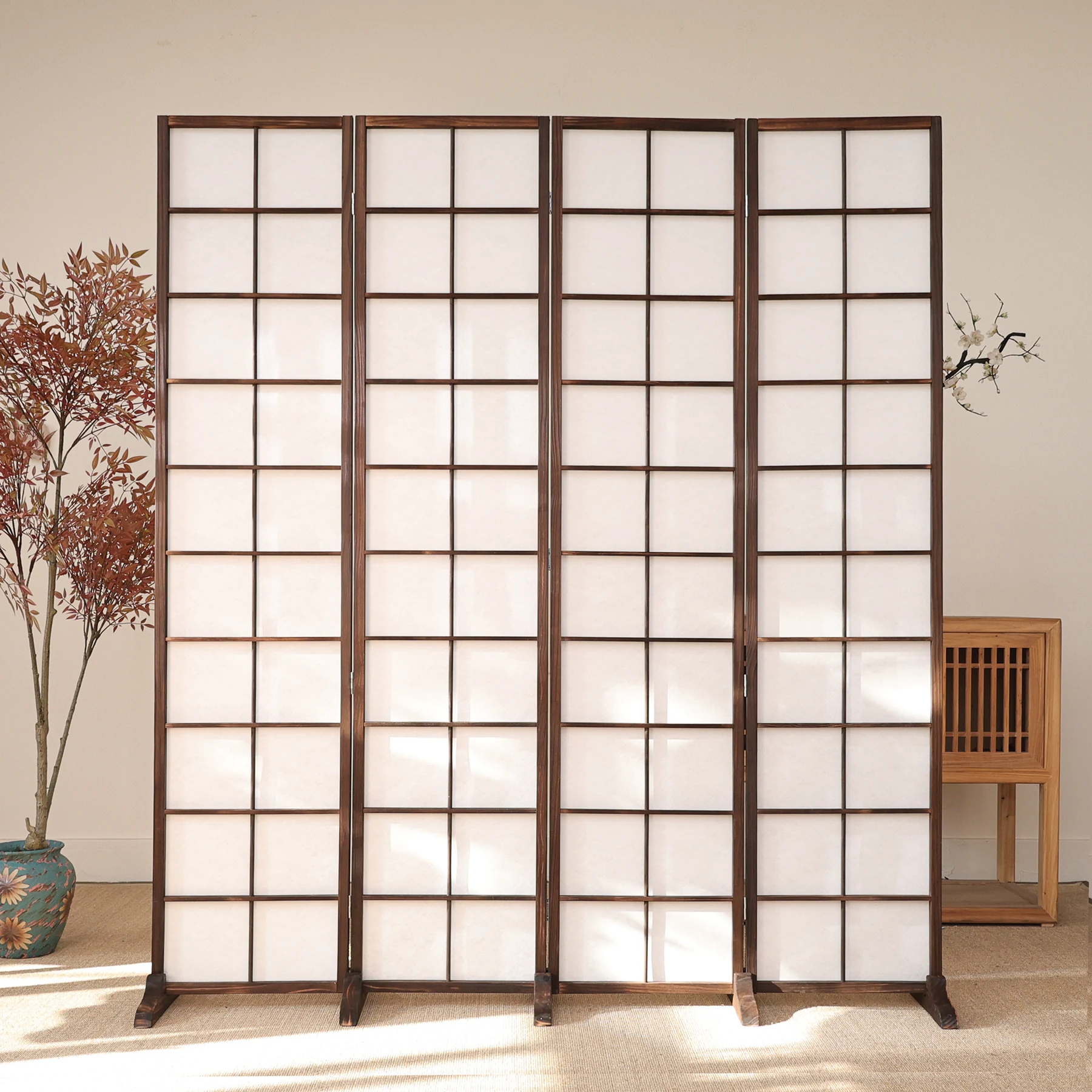
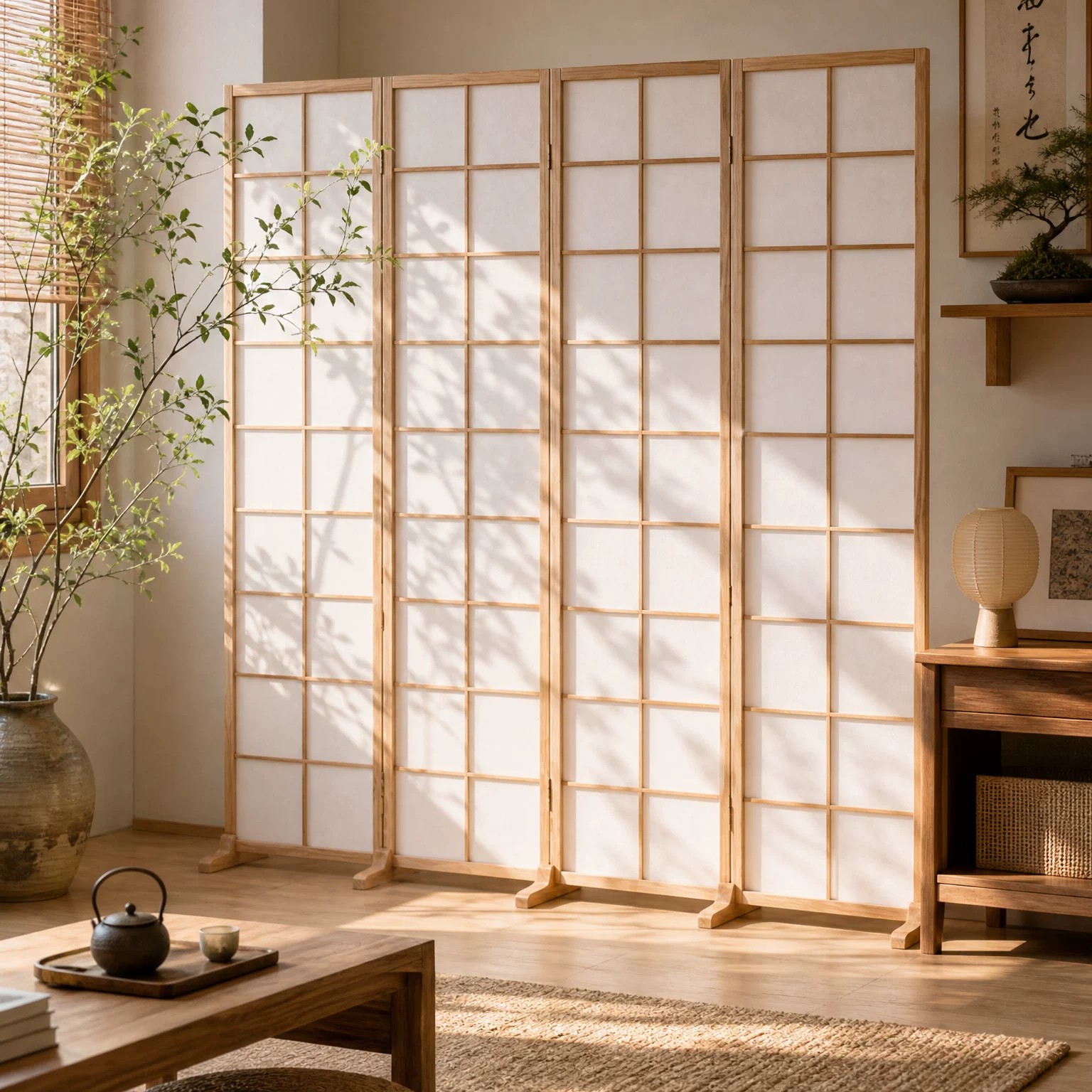
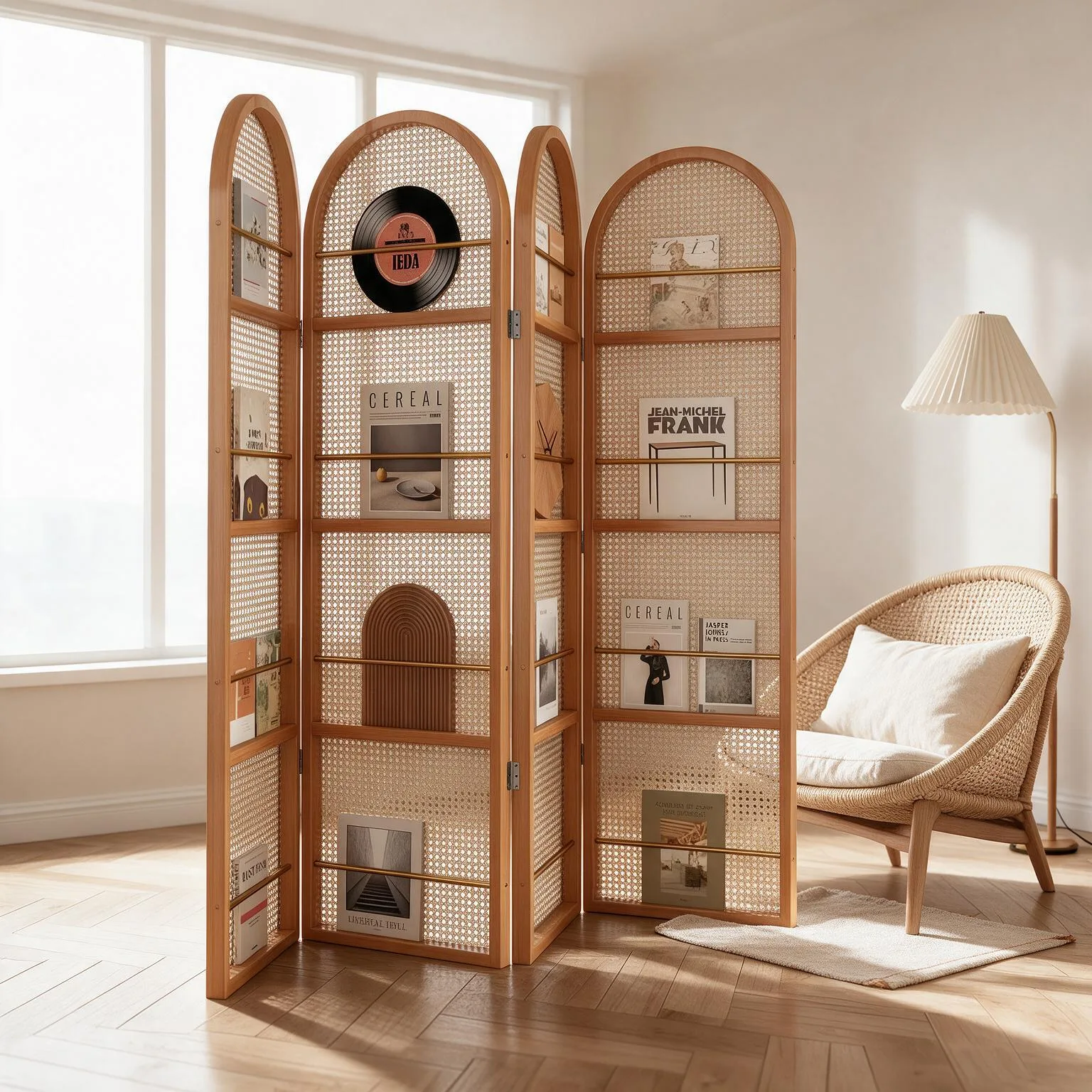
A well-designed decorative screen should do more than just divide space; it should enhance the overall design narrative. In hospitality projects, custom screens can incorporate cultural motifs, geometric patterns, or organic textures that resonate with the brand identity. They can filter light, creating dynamic shadows that change throughout the day, adding depth and character to interiors.Furthermore, screens made from natural materials introduce a layer of organic luxury that resonates with discerning guests. The tactile quality of bamboo or wood, contrasted with sleek modern finishes, creates a sophisticated visual tension that defines high-end design.
The strategic deployment of decorative screens is highly effective in various commercial contexts:
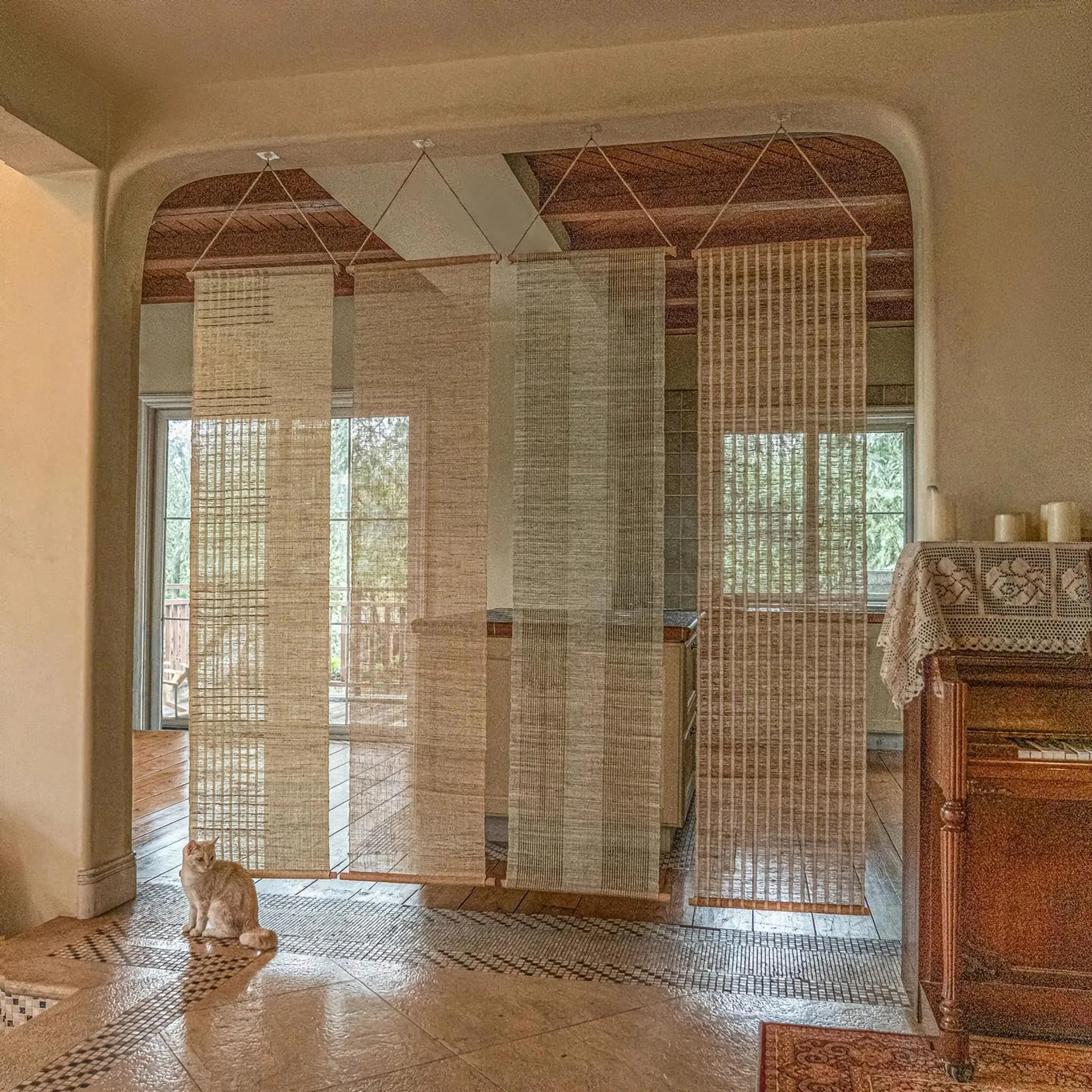
Lobbies are multi-functional spaces needing areas for registration, waiting, socializing, and sometimes working. Custom decorative screens can delineate these zones, providing a sense of privacy and reducing the transfer of noise from busy check-in desks to relaxed seating areas. This improves both functionality and guest experience.
In restaurants, screens are invaluable for creating intimate dining nooks without isolating guests from the overall atmosphere. By strategically placing screens between tables or sections, designers can significantly lower ambient noise levels, facilitating easier conversation and enhancing the overall dining comfort.
In environments dedicated to relaxation, acoustic control is paramount. Decorative screens in natural materials contribute to the serene aesthetic while effectively baffling sound, ensuring that relaxation areas remain peaceful even if adjacent to active spaces.
To successfully integrate decorative screens for both acoustics and aesthetics, Bambooforma recommends the following professional considerations:
While not complete soundproofing solutions (which require airtight barriers), decorative screens are highly effective for sound *control*. They excel at sound diffusion (reducing echo) and attenuation (reducing noise transfer between zones), creating a significantly more comfortable acoustic environment, especially when using sound-diffusing materials like bamboo or rattan.
Yes. Customization is essential for premium commercial projects. Bambooforma specializes in custom architectural systems, allowing architects and designers to specify exact dimensions, patterns, finishes, and frame designs to meet the precise needs of their space and design vision.
Natural material screens, particularly high-quality bamboo systems, are durable and suitable for commercial use. Maintenance generally involves regular dusting and occasional cleaning with a damp cloth. For wet environments like spas, specific finishes are applied to ensure longevity and hygiene. Bambooforma provides specific maintenance guidance based on the material and environment.
Bamboo, in particular, is an extremely sustainable and rapidly renewable resource. Incorporating natural material screens supports biophilic design principles and can contribute to green building certifications (like LEED), appealing to eco-conscious developers and clients.
In the demanding realm of luxury commercial architecture, decorative screens emerge as indispensable multi-functional elements. By expertly balancing aesthetics and acoustics, they enable designers to create sophisticated, zoned environments that foster comfort, privacy, and visual delight. When crafted from premium natural materials and integrated thoughtfully, these architectural solutions elevate the guest experience while adhering to principles of sustainable and innovative design. Bambooforma invites architects and developers to explore the potential of custom-designed natural material systems to achieve this vital harmony in their next project. Contact us for a professional consultation on integrating custom acoustic and aesthetic solutions into your commercial designs.
52.89
52.99
219