



Understanding Bamboo Partition Fire Ratings for Hospitality Projects
Navigating bamboo partition fire ratings for hotels and restaurants. Expert guide for architects on compliance, safety, and natural material design.
In the competitive landscape of luxury hospitality, developers and architects are constantly seeking material solutions that balance aesthetic distinctiveness, structural integrity, and environmental responsibility. Sustainable bamboo architecture has emerged from a niche ecological preference to a sophisticated staple of high-end resort and hotel design. This versatile material offers a unique opportunity to align commercial development with the growing global demand for sustainable tourism and biophilic environments.
Bambooforma recognizes that for architects and hospitality developers, the choice of material is not merely aesthetic; it is a strategic decision impacting project lifecycle, guest experience, and brand positioning. This article examines the strategic integration of sustainable bamboo architecture within commercial hospitality projects.
The global hospitality industry is undergoing a significant transformation. Discerning travelers are increasingly favoring destinations that demonstrate a genuine commitment to environmental stewardship. For developers, this shift requires moving beyond token green initiatives and integrating sustainability into the core architectural fabric of the project.
Sustainable bamboo architecture provides a visible, tangible, and highly aesthetic solution. Bamboo is one of the fastest-growing renewable resources on Earth, capable of harvesting within three to five years, compared to decades for traditional hardwoods. This rapid regeneration, coupled with its ability to sequester significant amounts of carbon dioxide, makes it a premier choice for reducing the embodied carbon of a project.
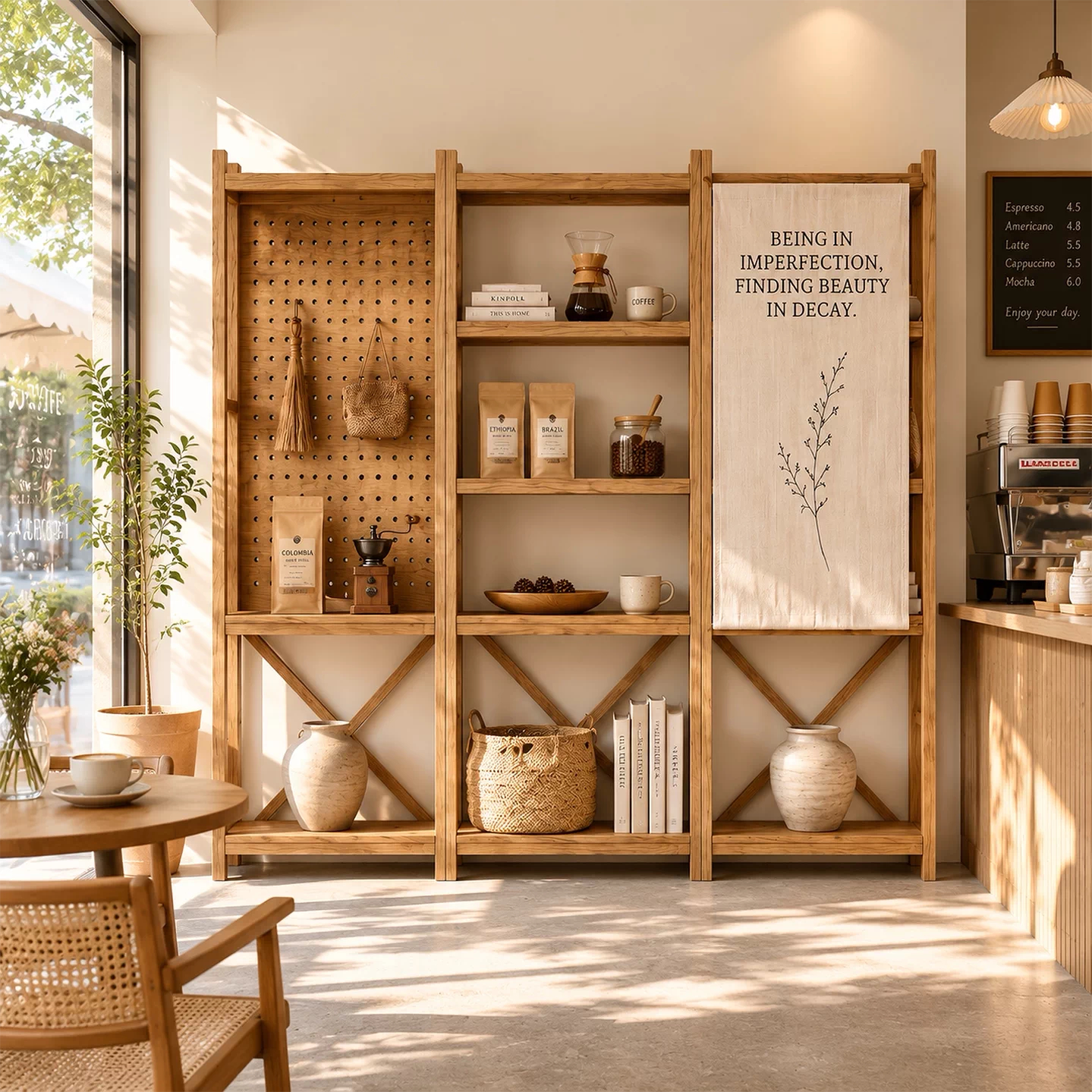
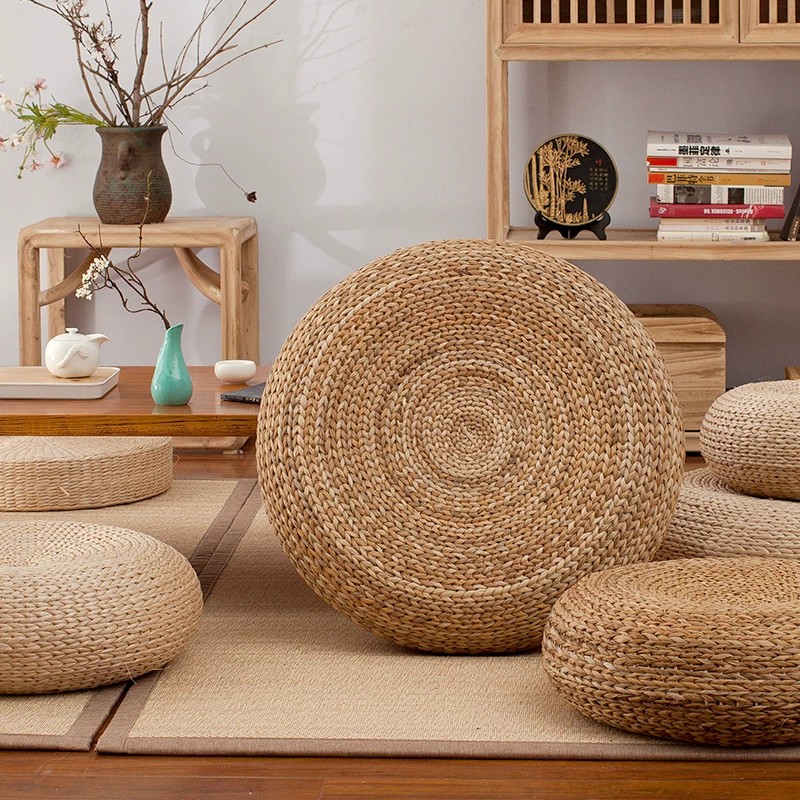
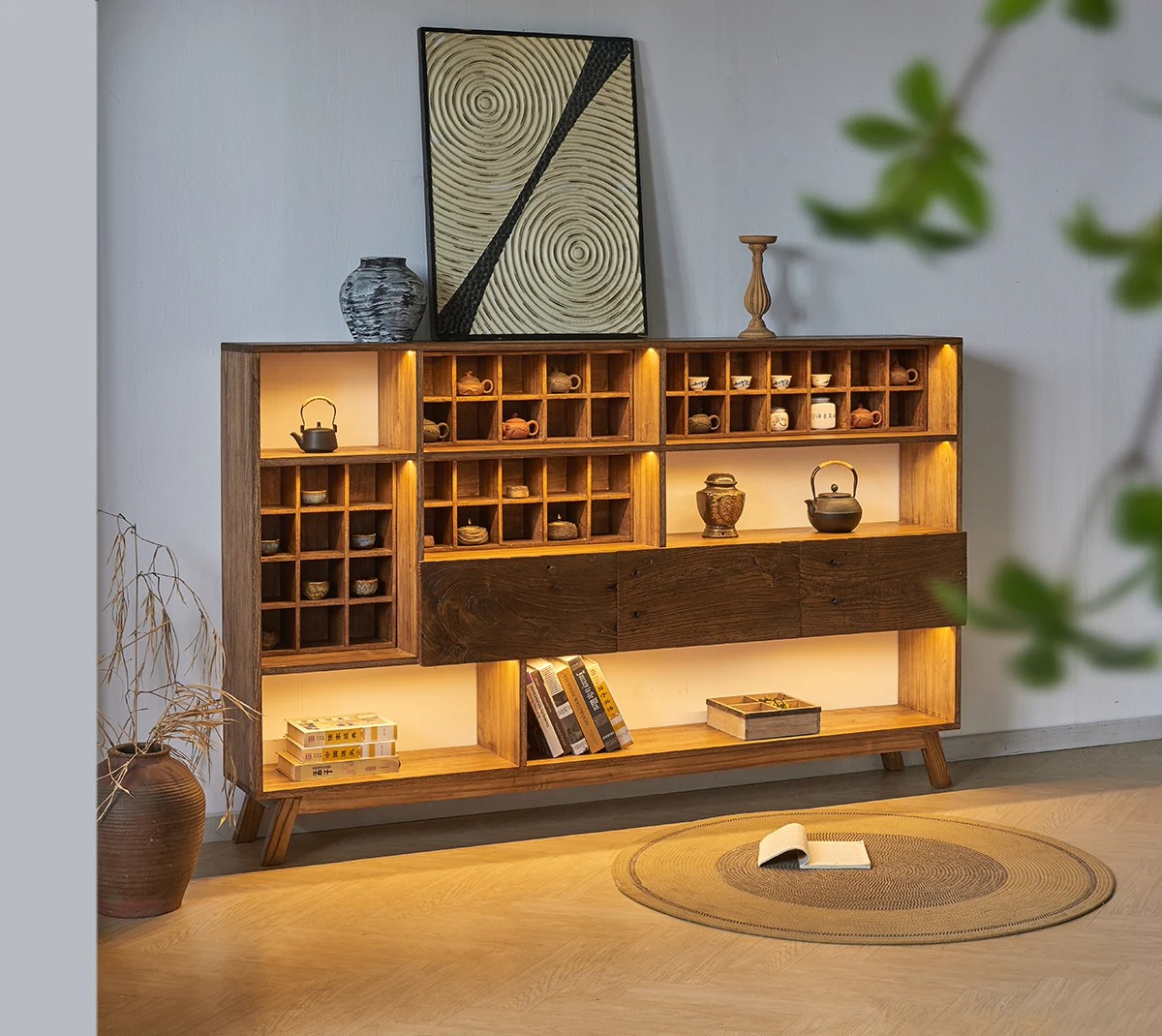
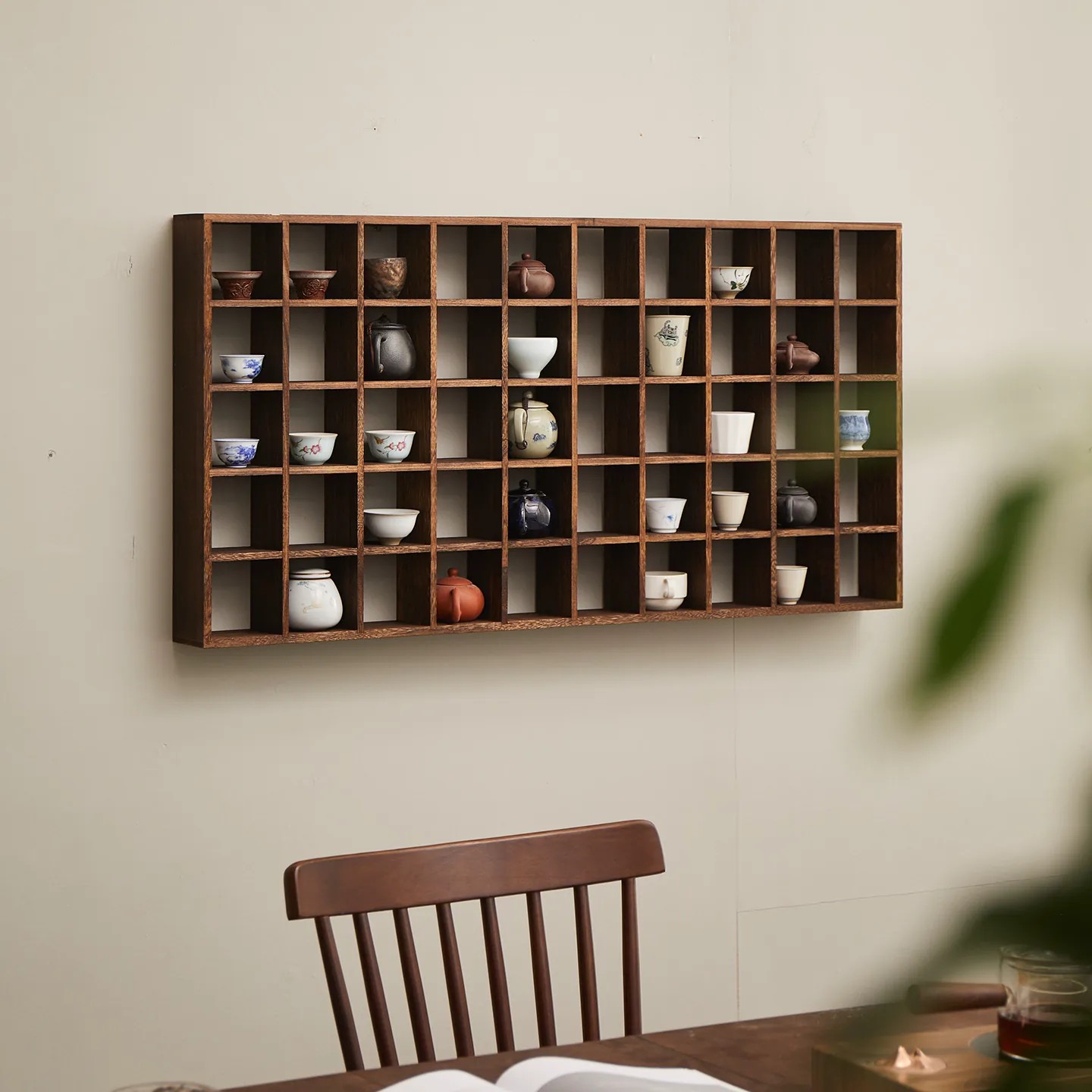
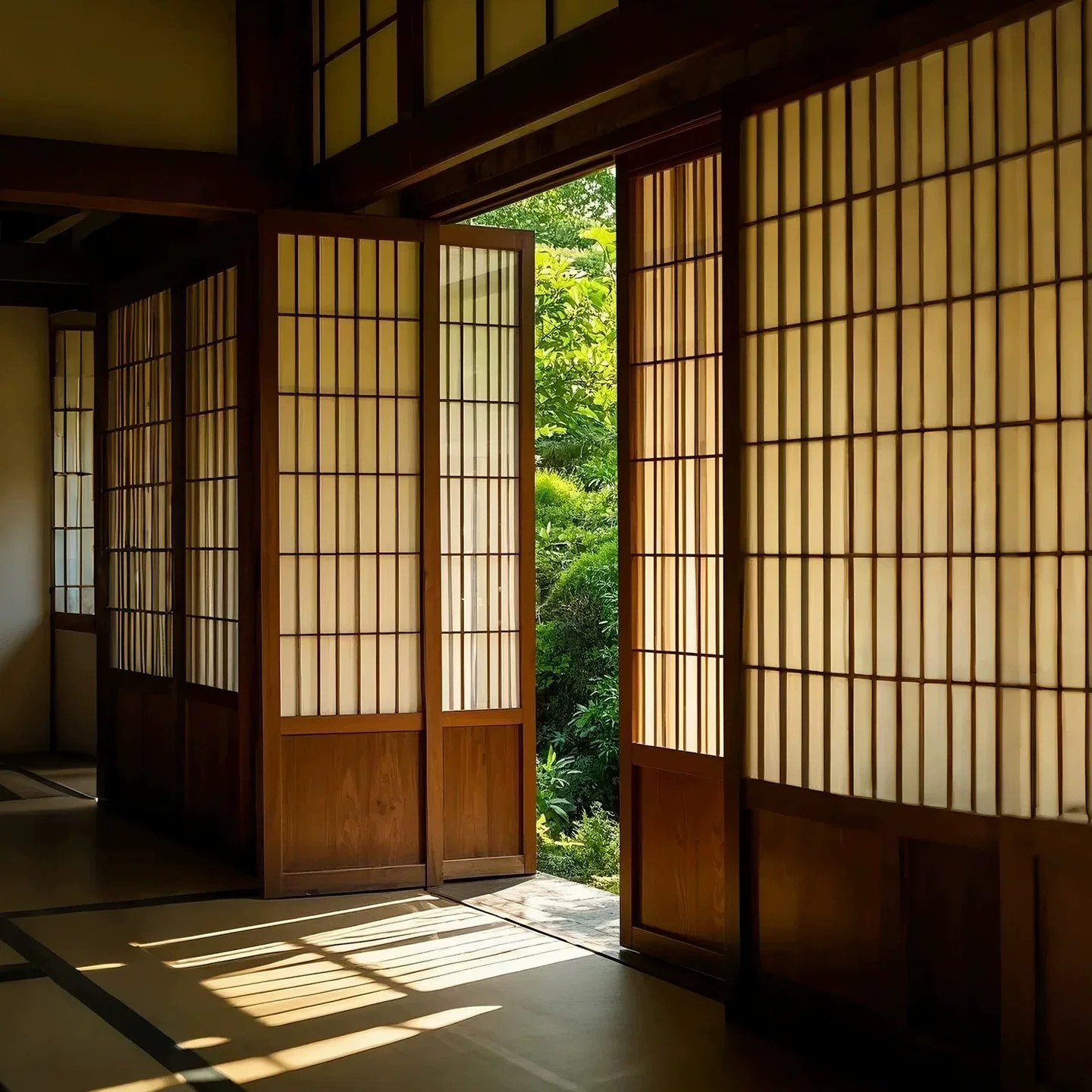
From a design perspective, bamboo offers warmth, texture, and a sense of connection to nature that is essential for creating authentic, restful hospitality environments. Its natural aesthetic complements a wide range of architectural styles, particularly the popular Japandi and modern tropical movements, which prioritize clean lines, natural materials, and functional elegance.
The versatility of bamboo allows it to be utilized across various applications within a hotel or resort, creating a cohesive and immersive guest experience. Custom architectural systems using engineered bamboo can satisfy both decorative and functional requirements in high-traffic commercial zones.
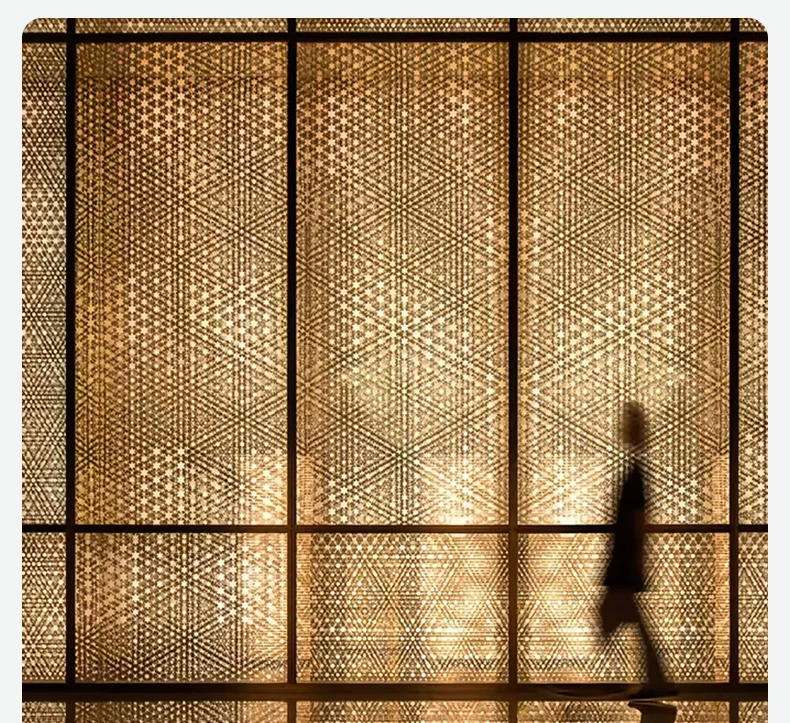
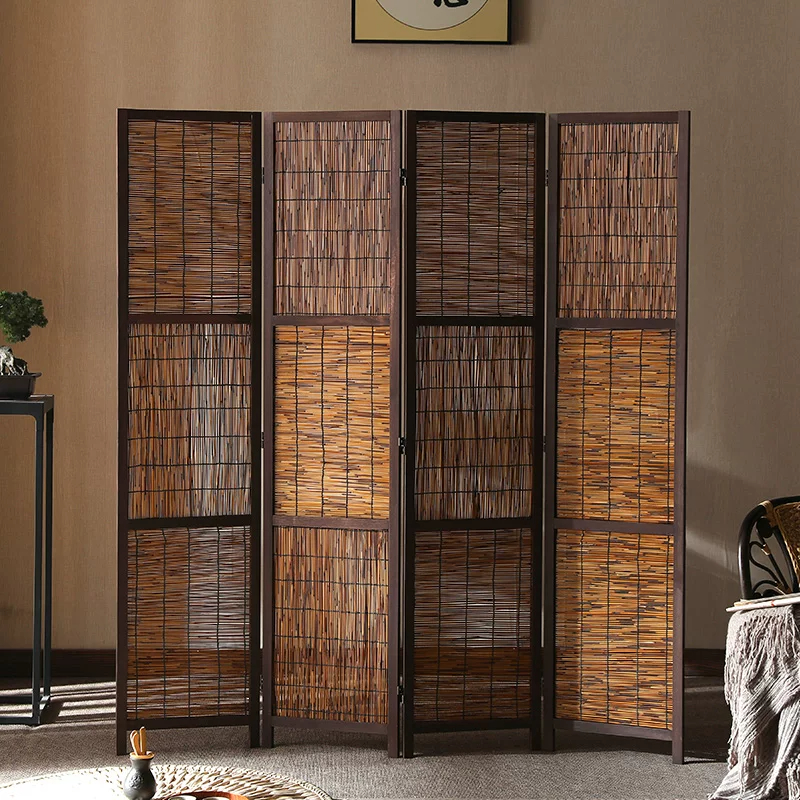
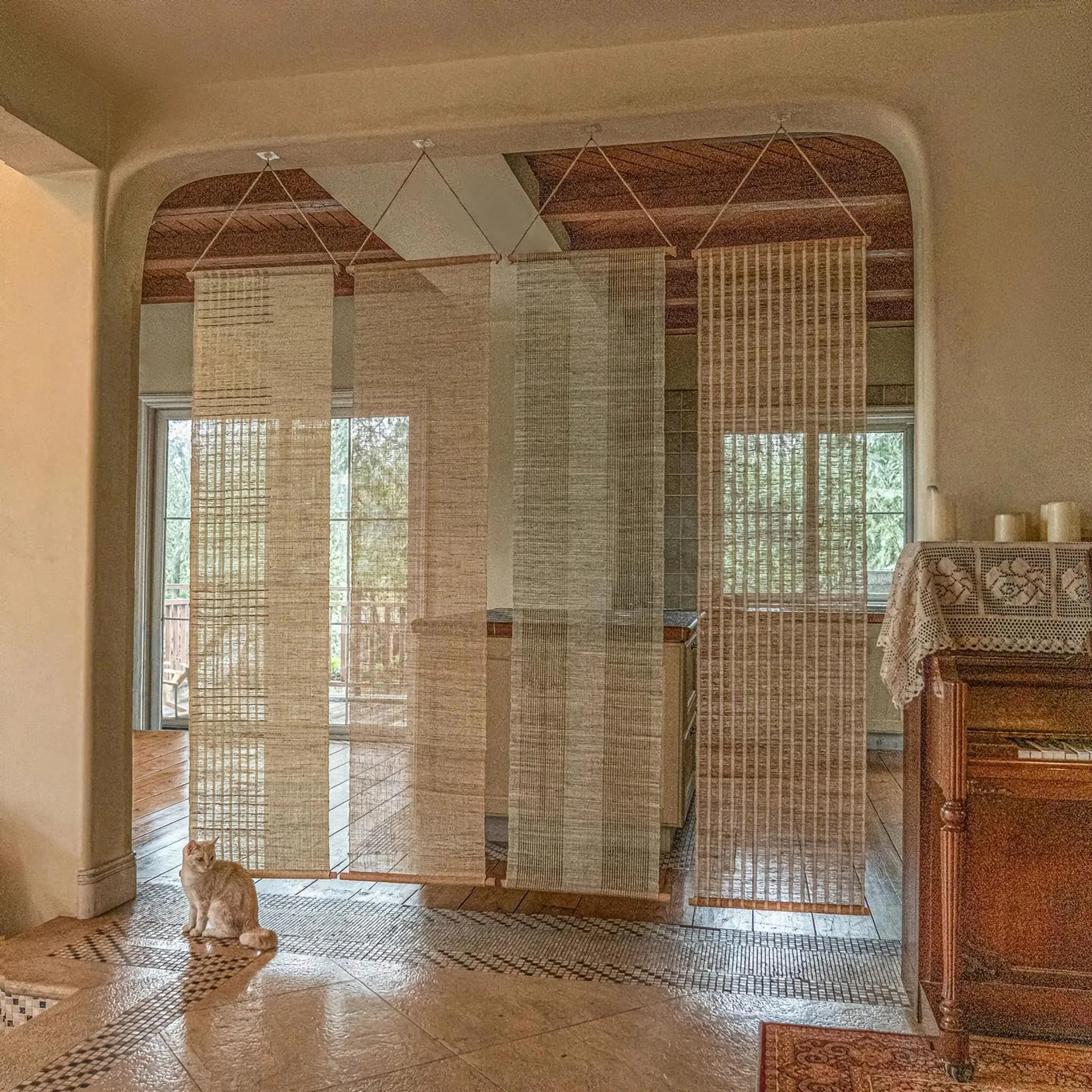
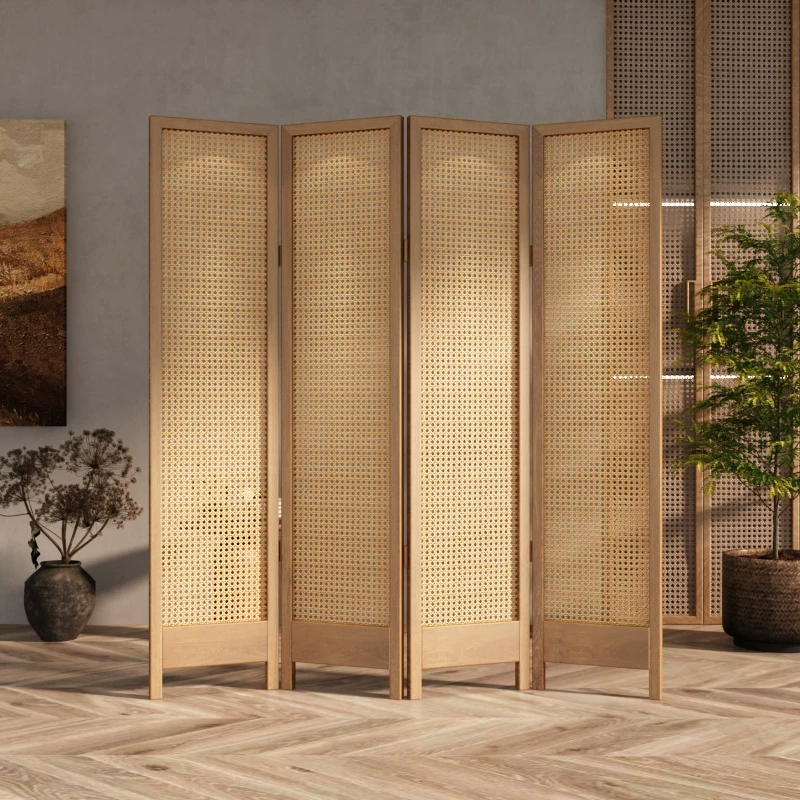
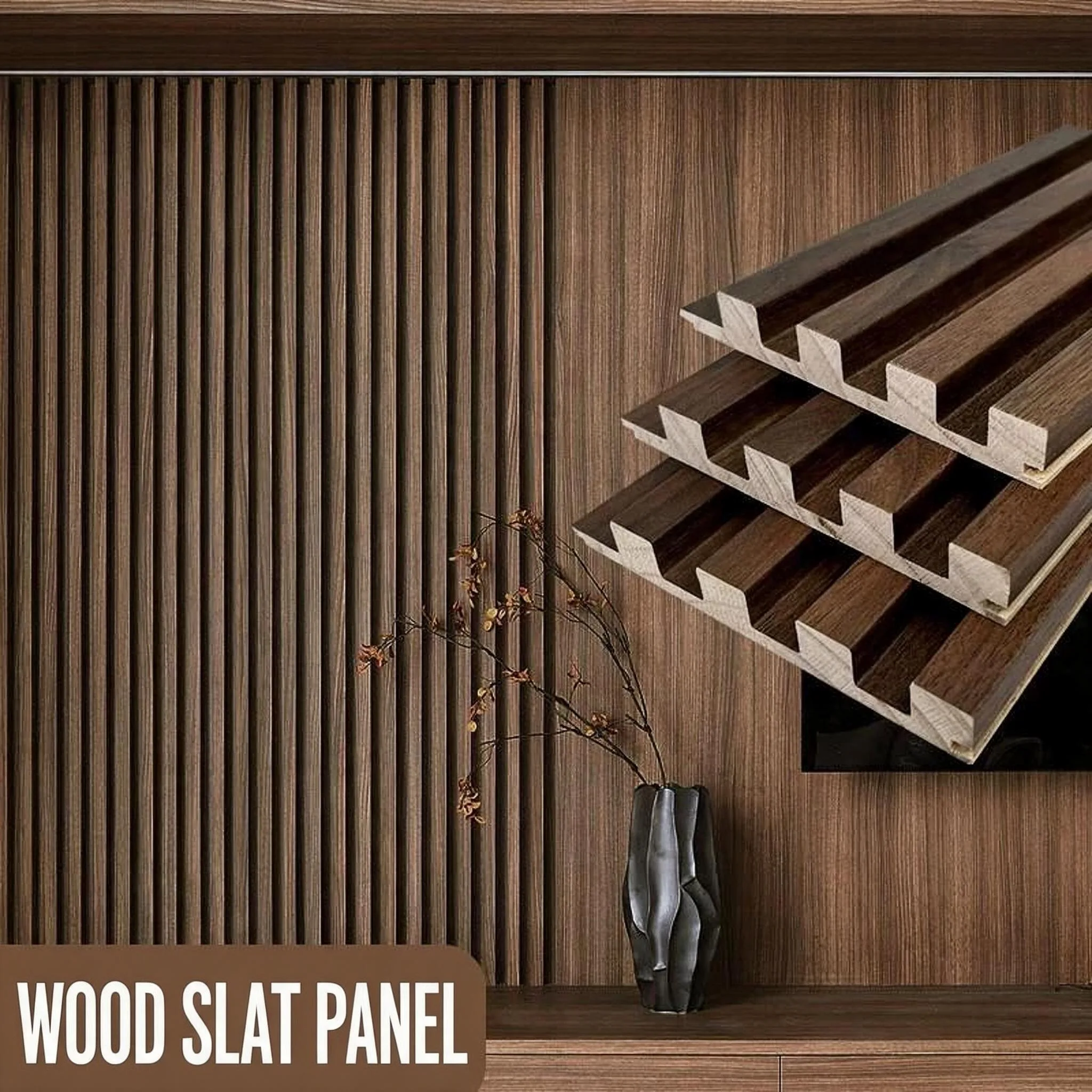
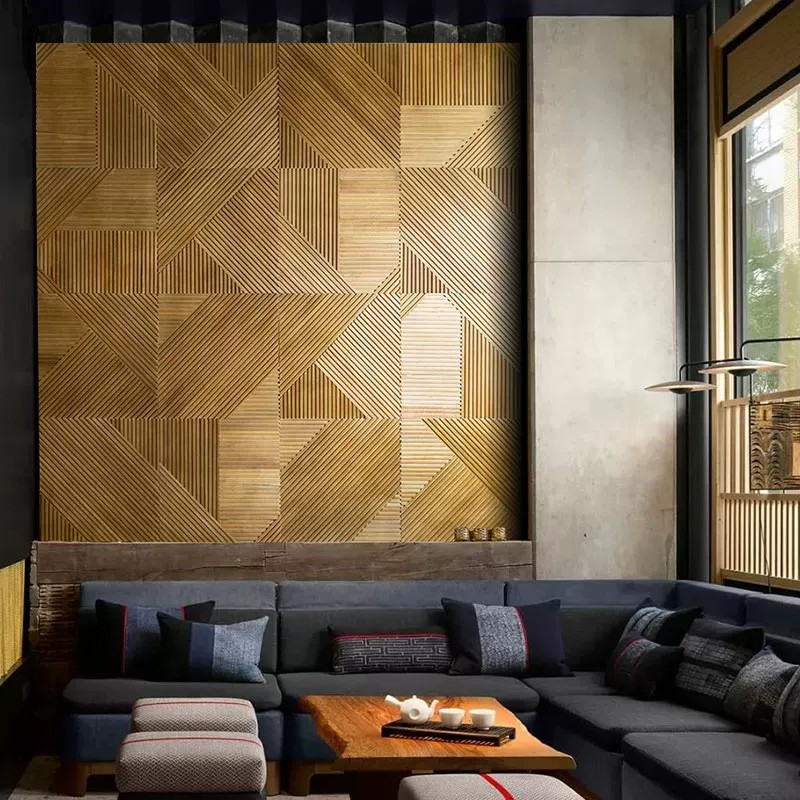
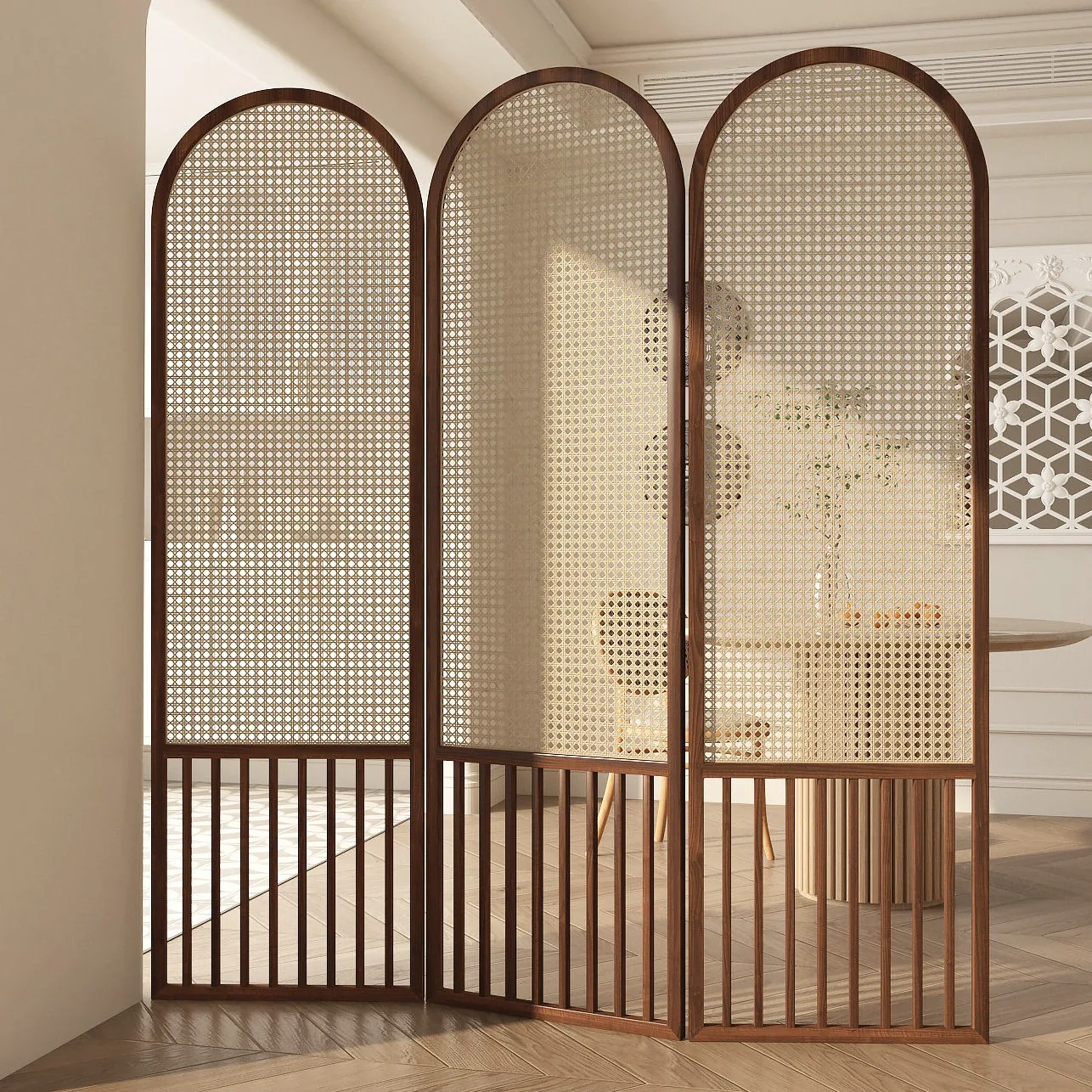
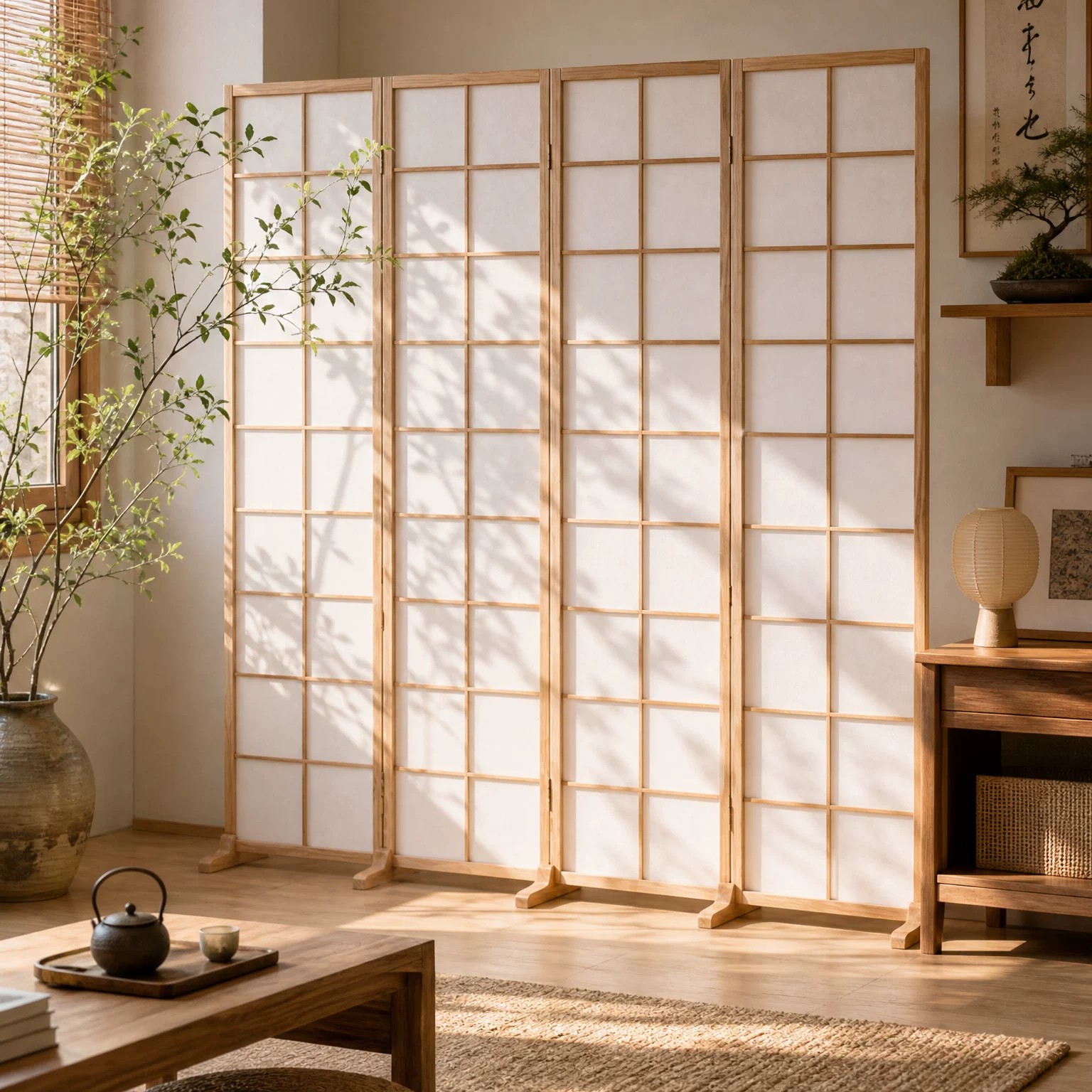
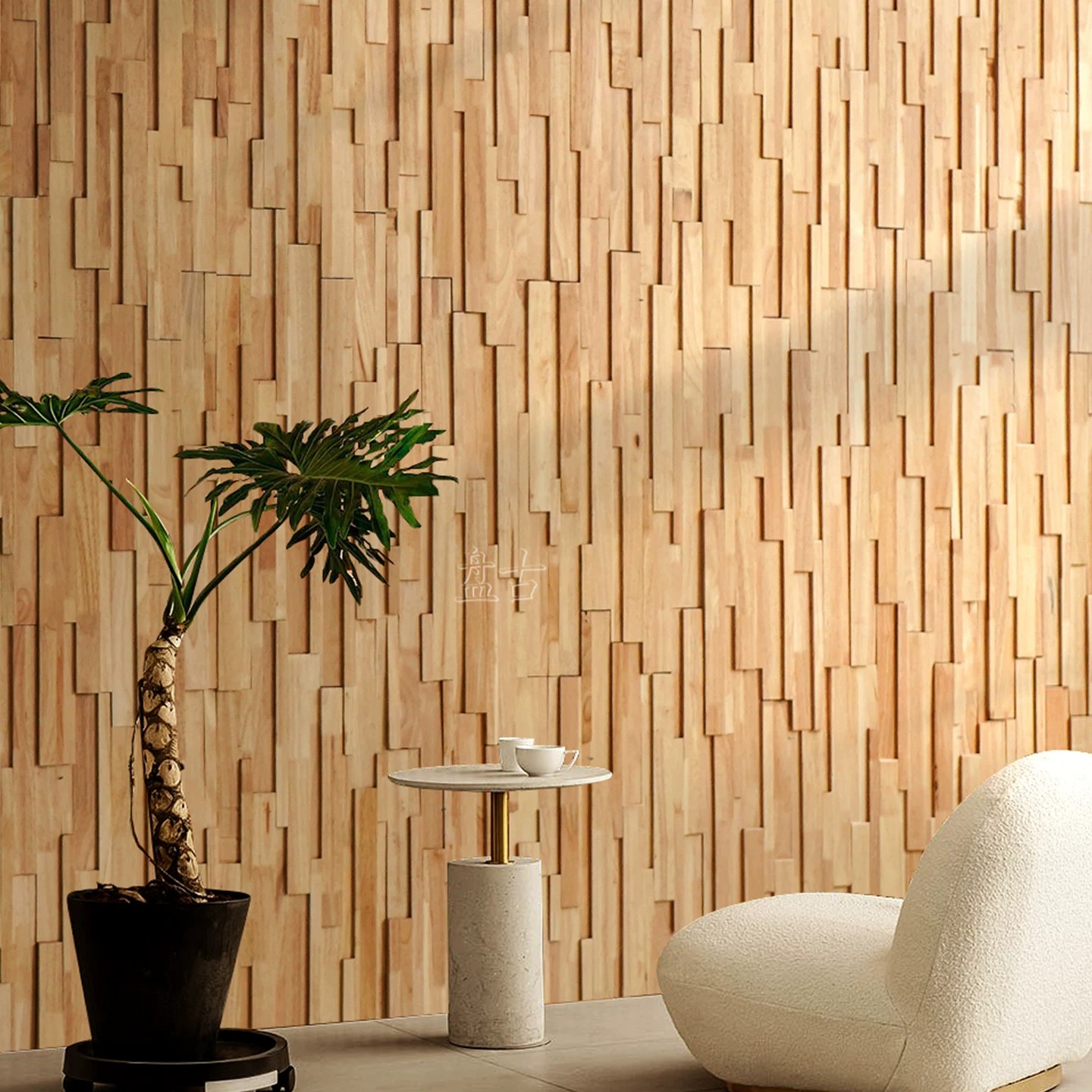
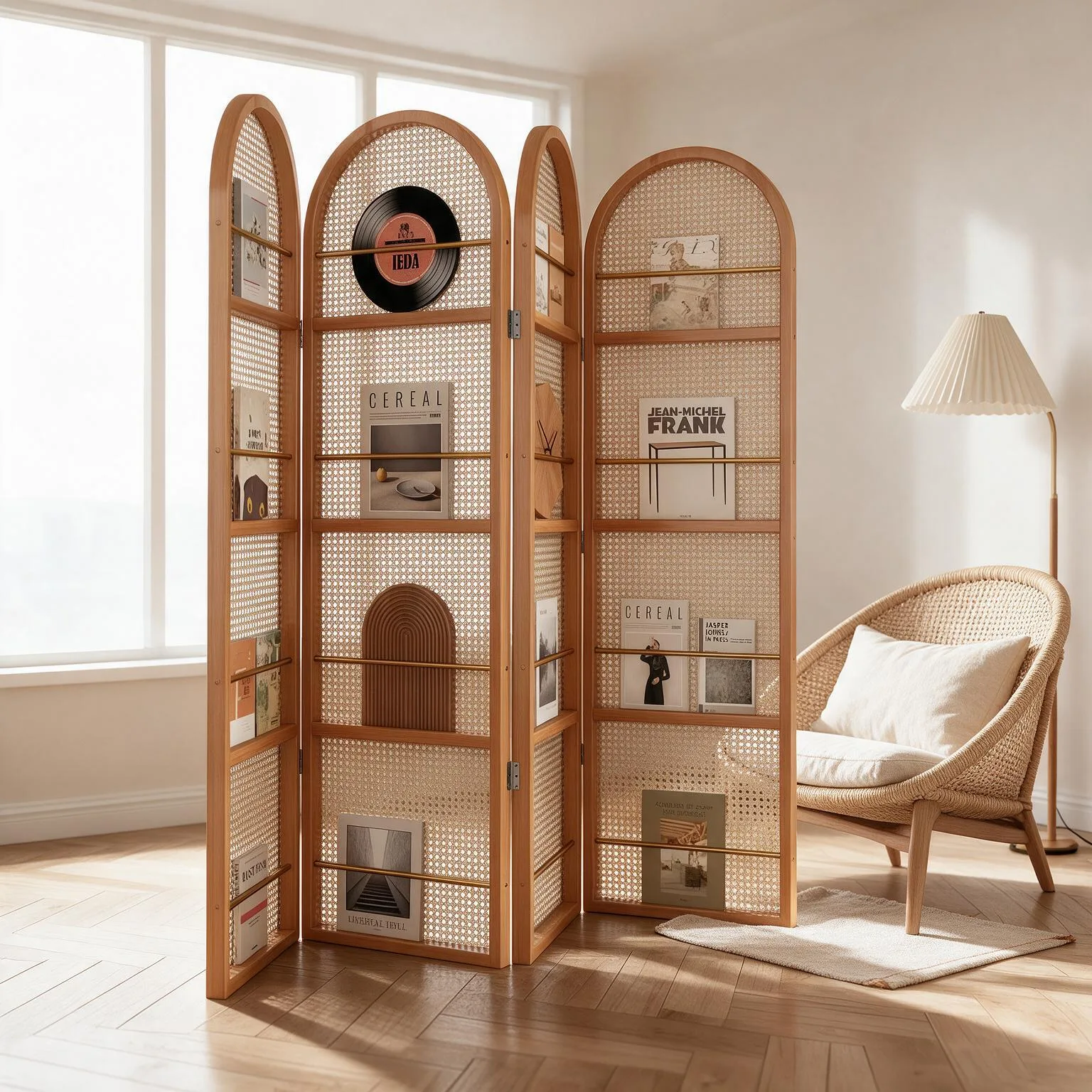
The lobby sets the tone for the entire guest experience. Large-scale bamboo installations, such as intricate ceiling features or expansive feature walls, create immediate visual impact. Engineered bamboo cladding can define reception areas, provide acoustic dampening, and add textural depth to otherwise monolithic spaces. Bamboo partitions offer an elegant method for zoning large lobbies, creating intimate seating areas without obstructing sightlines or light.
In guest rooms, the focus is on creating a sanctuary. Sustainable bamboo architecture can be applied on a smaller, detailed scale. Accent walls behind headboards, subtle bamboo screens separating dressing areas from the main room, or custom bamboo joinery contribute to a serene atmosphere. The material’s innate warmth enhances the feeling of luxury and comfort, which is critical for positive guest reviews.
Restaurants, spas, and wellness centers within hospitality projects require material solutions that are durable, hygienic, and conducive to relaxation or atmosphere.
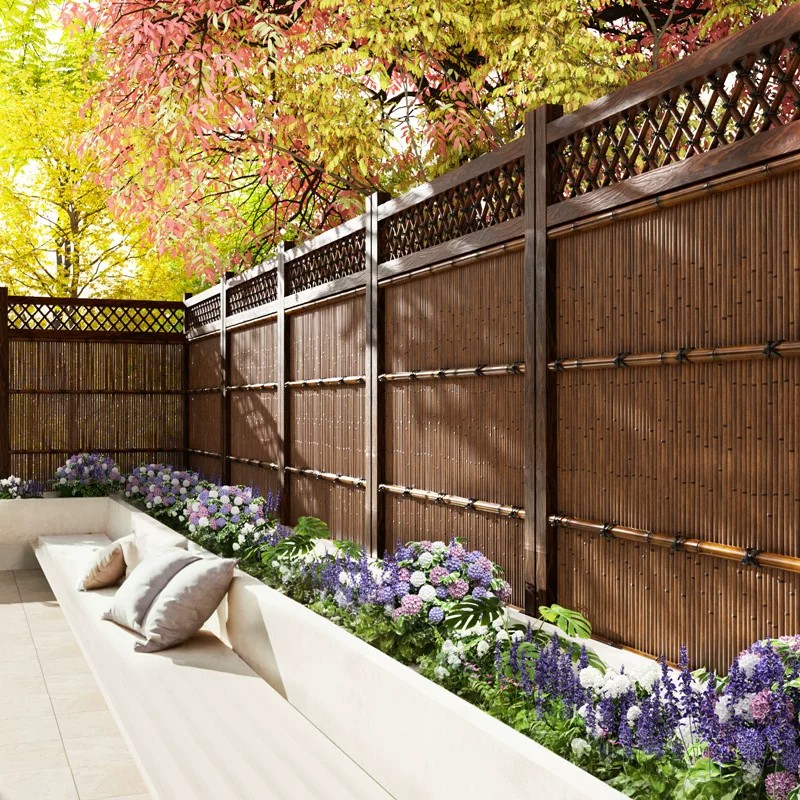
Bamboo is highly effective in restaurant environments for acoustic management. The material absorbs sound better than hard surfaces like concrete or tile, creating a more pleasant dining atmosphere. Complex bamboo ceiling micro-lattice systems can hide services while providing acoustic attenuation. Decorative bamboo screens can also provide necessary privacy between tables in fine dining settings or define distinct zones within a larger food and beverage outlet.
The connection between natural materials and wellness is well-documented. For spas and wellness centers, bamboo is an ideal material to promote tranquility. Its natural, organic form relaxes the eye, while its texture adds a sensory element to the environment. Bamboo can be used for wall coverings in treatment rooms, flooring in yoga pavilions, or privacy screens in relaxation lounges. The moisture resistance of properly treated bamboo also makes it suitable for certain areas within spa environments.
While the aesthetic and environmental benefits of sustainable bamboo architecture are clear, architects and developers must address practical performance criteria. Commercial applications demand high durability and strict adherence to safety codes.
It is crucial to distinguish between raw, round-pole bamboo and engineered bamboo. While round poles have their place in thematic design, high-performance commercial interiors require engineered bamboo products. These are produced by laminating bamboo strips or strands under high pressure, resulting in material with predictable mechanical properties, high dimensional stability, and exceptional hardness (often exceeding traditional hardwoods like oak or maple).
In the hospitality sector, fire compliance is non-negotiable. Bamboo is naturally combustible, but engineered bamboo systems can be pressure-treated with fire retardants during manufacturing to meet strict international fire safety standards (such as Class A or Class B ratings). Specifiers must ensure that the bamboo products selected hold the necessary certifications for their specific application and jurisdiction.
Maintenance requirements for interior bamboo applications are relatively low, comparable to pre-finished hardwood. A regular cleaning schedule with appropriate non-abrasive products is generally sufficient. For areas exposed to high wear or moisture, such as spa changing rooms, a specialized protective coating may be required and should be periodically reapplied to maintain performance.
Bambooforma provides extensive technical data and specification guidance to ensure that all custom bamboo architectural systems meet the rigorous demands of hospitality environments.
Integrating sustainable bamboo architecture goes beyond aesthetics and performance; it is a fundamental component of biophilic design. Biophilia, the innate human affinity for nature, is proven to improve well-being, reduce stress, and enhance cognitive function. By incorporating natural materials like bamboo into hotel environments, designers create spaces that inherently feel better to occupy.
Furthermore, the visible use of sustainable bamboo demonstrates a brand’s genuine commitment to environmental responsibility. In an era of rampant ‘greenwashing’, authentic material choices speak louder than marketing copy. A hospitality development that uses certified sustainable bamboo sends a clear, positive message to its guests about its values.
Yes, specifically engineered bamboo. Through the lamination process, engineered bamboo becomes extremely hard and stable, often surpassing the durability and hardness of traditional hardwoods like oak. It is highly resistant to indentation and wear, making it excellent for flooring, wall cladding, and high-use joinery in hotels and restaurants.
While raw bamboo is flammable, engineered bamboo products destined for commercial use can be factory-treated with fire retardants to achieve strict fire ratings, such as Class A (ASTM E84) or Euroclass B. Specifiers must always request and verify the fire certification of the specific bamboo product they intend to use.
Raw bamboo refers to the natural round culm. While strong, its variable diameter and taper make it challenging for precise joinery and structural predictability. Engineered bamboo is produced by cutting the culms into strips, treating them, and laminating them together under heat and pressure. This creates a rectangular material with standardized dimensions and predictable engineering properties, crucial for architectural applications.
Not necessarily. While the bamboo plant itself is sustainable, the processing and transportation can impact its overall eco-credentials. It is vital to source bamboo from suppliers that can demonstrate responsible harvesting practices and use eco-friendly resins (with low or no added formaldehyde) in the engineering process. Certification from organizations like the Forest Stewardship Council (FSC) can also be a key indicator.
For interior applications, bamboo requires maintenance similar to hardwood. Regular dust mopping and damp mopping with pH-neutral cleaners are usually sufficient. In very high-wear areas, periodic re-coating of the finish may be necessary to maintain its protective layer and aesthetic.
The integration of sustainable bamboo architecture into hospitality design represents a sophisticated convergence of luxury, functionality, and environmental stewardship. For architects and developers, bamboo offers a durable, code-compliant, and highly customizable alternative to traditional materials, perfectly suited to modern hospitality trends such as Japandi and biophilic design.
As the industry moves towards regenerative tourism, visible and authentic material choices are essential for building brand trust and delivering exceptional guest experiences. Bambooforma specializes in providing custom-engineered bamboo systems tailored specifically for the rigorous demands of luxury hospitality projects, supporting designers from conceptualization through to successful implementation.
To discuss how sustainable bamboo systems can elevate your next hospitality project, we invite you to contact us for a professional material consultation.
52.89
52.99
219