


Understanding Bamboo Partition Fire Ratings for Hospitality Projects
Navigating bamboo partition fire ratings for hotels and restaurants. Expert guide for architects on compliance, safety, and natural material design.
In the competitive landscape of luxury hospitality, creating a distinct and memorable guest experience is paramount. Architects and interior designers are increasingly turning to natural material architectural systems to infuse spaces with authenticity, warmth, and a connection to the environment. These systems, encompassing everything from sophisticated wall cladding to intricate ceiling treatments and functional partitions, offer a sustainable approach to high-end design that resonates with modern travelers. Bambooforma, a specialist in premium natural material architectural solutions, recognizes that the strategic integration of these systems is not just an aesthetic choice but a crucial element in crafting immersive hospitality environments.
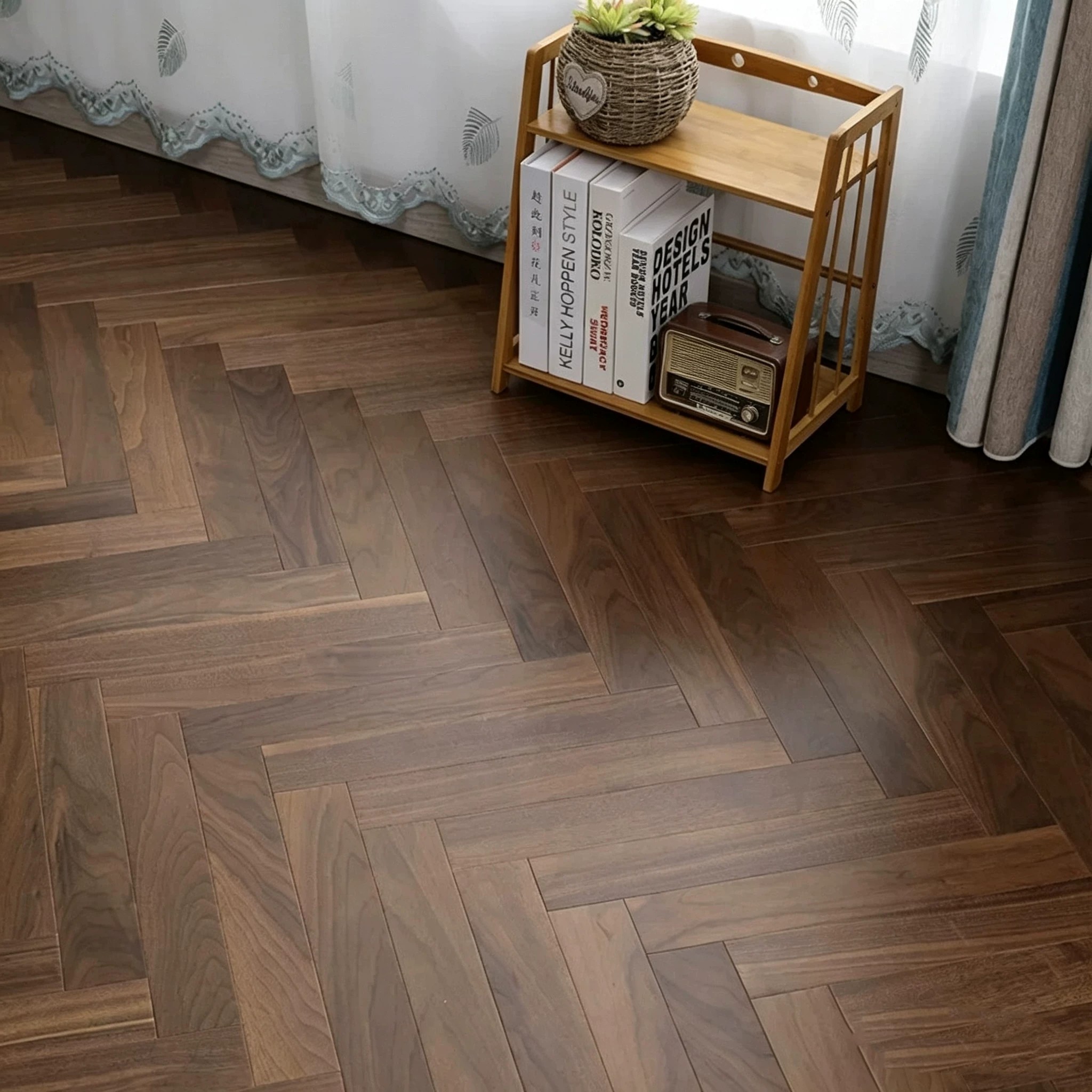
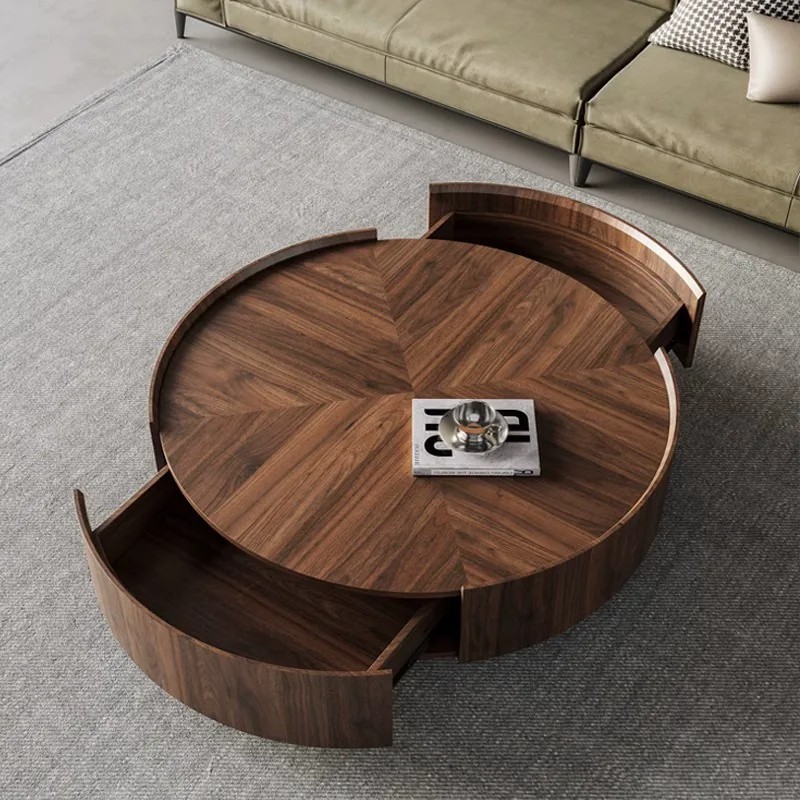
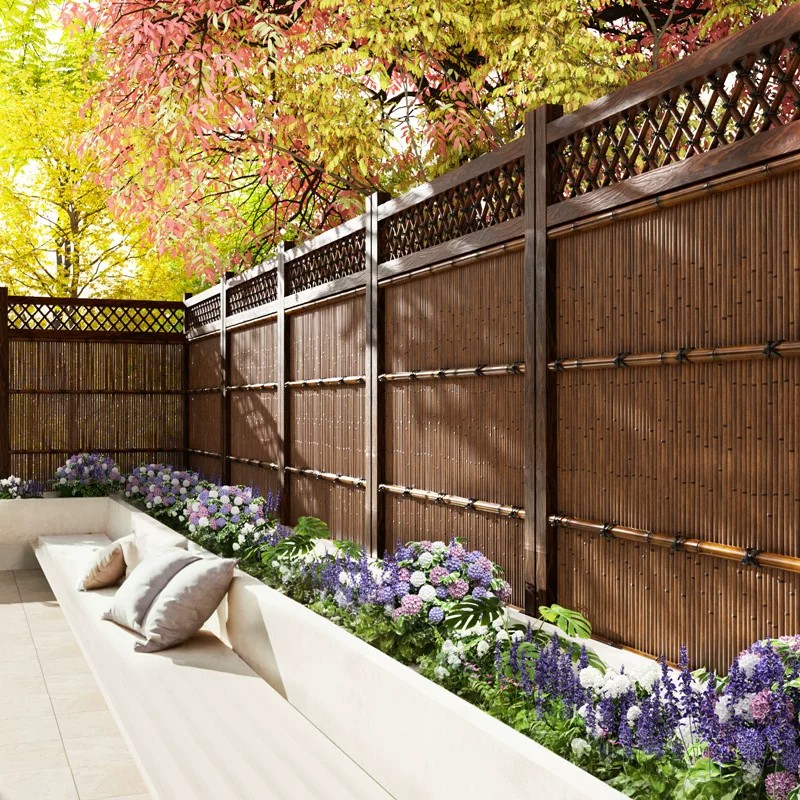
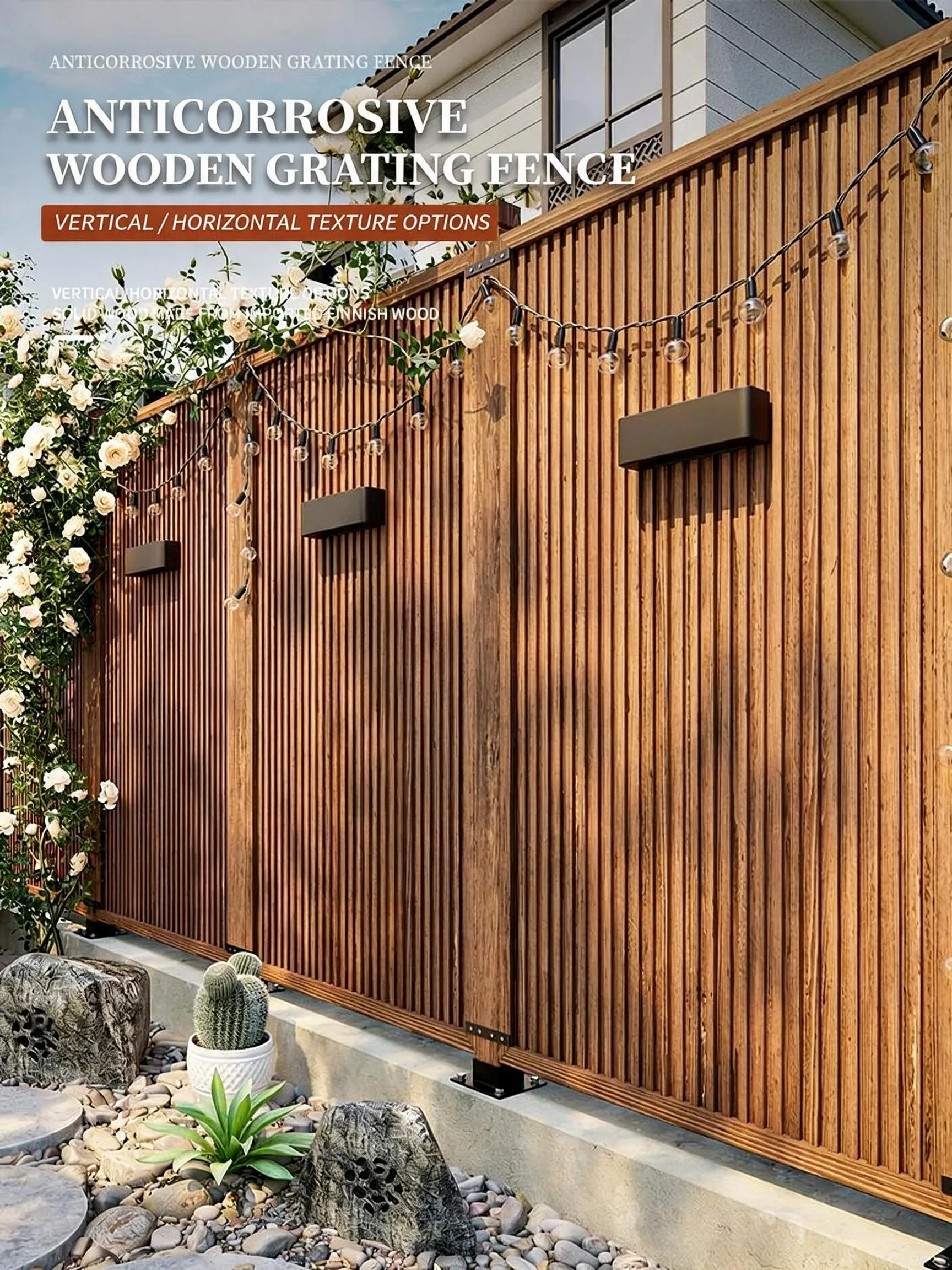
Integrating natural material architectural systems requires a thoughtful approach that balances visual impact with functional requirements. For high-traffic hospitality settings like hotel lobbies, restaurants, and guest rooms, the durability and maintenance of materials are critical considerations. Unlike superficial applications, genuine architectural systems offer structural integrity and long-term performance. Architects often utilize these systems to define distinct zones within large open spaces, manage acoustics, and guide guest flow, all while enhancing the overall design narrative. The inherent textures and varied tones of wood, bamboo, and rattan add a layer of complexity and sophistication that synthetic alternatives fail to replicate.
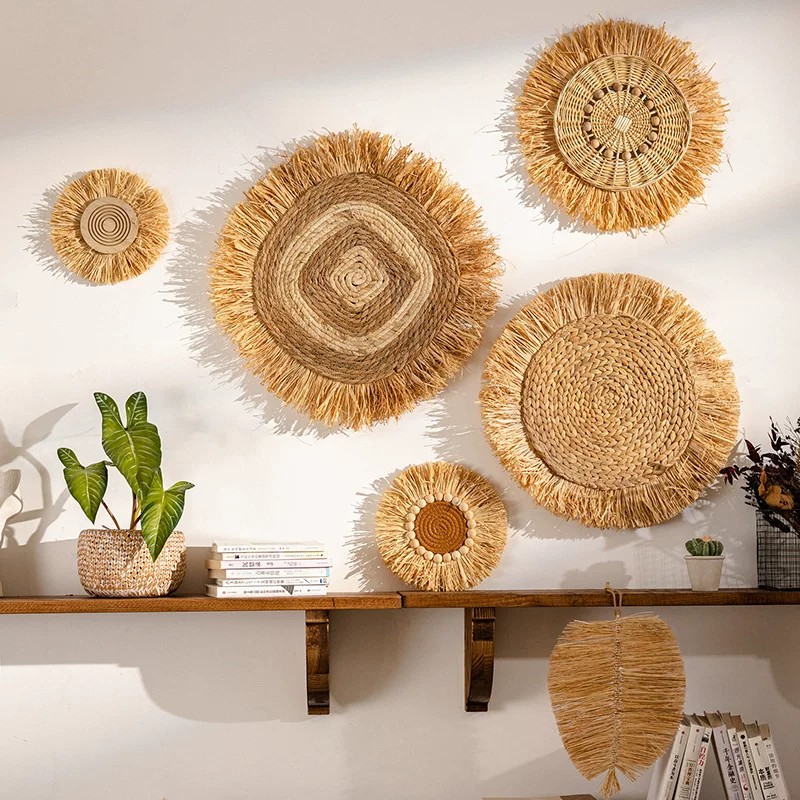
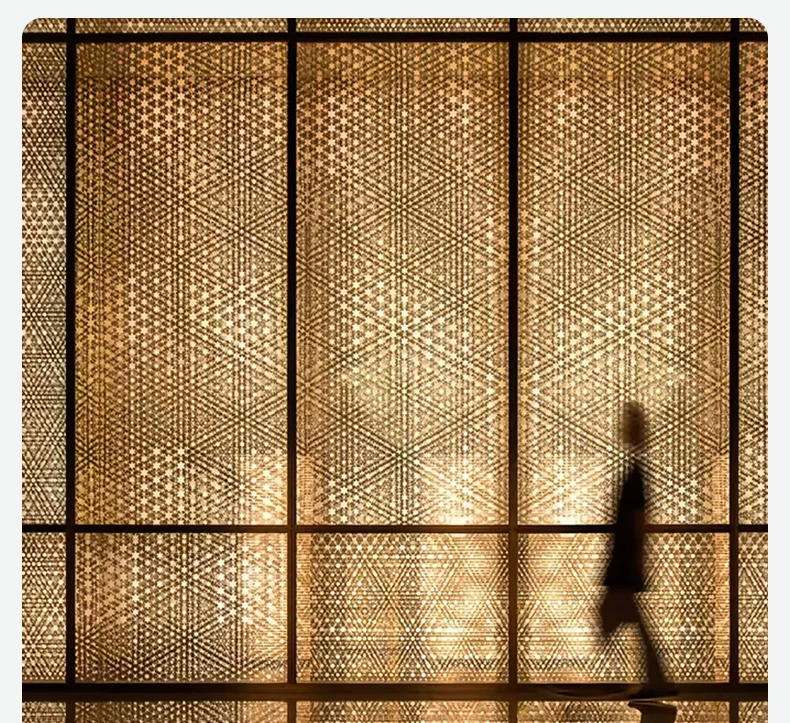
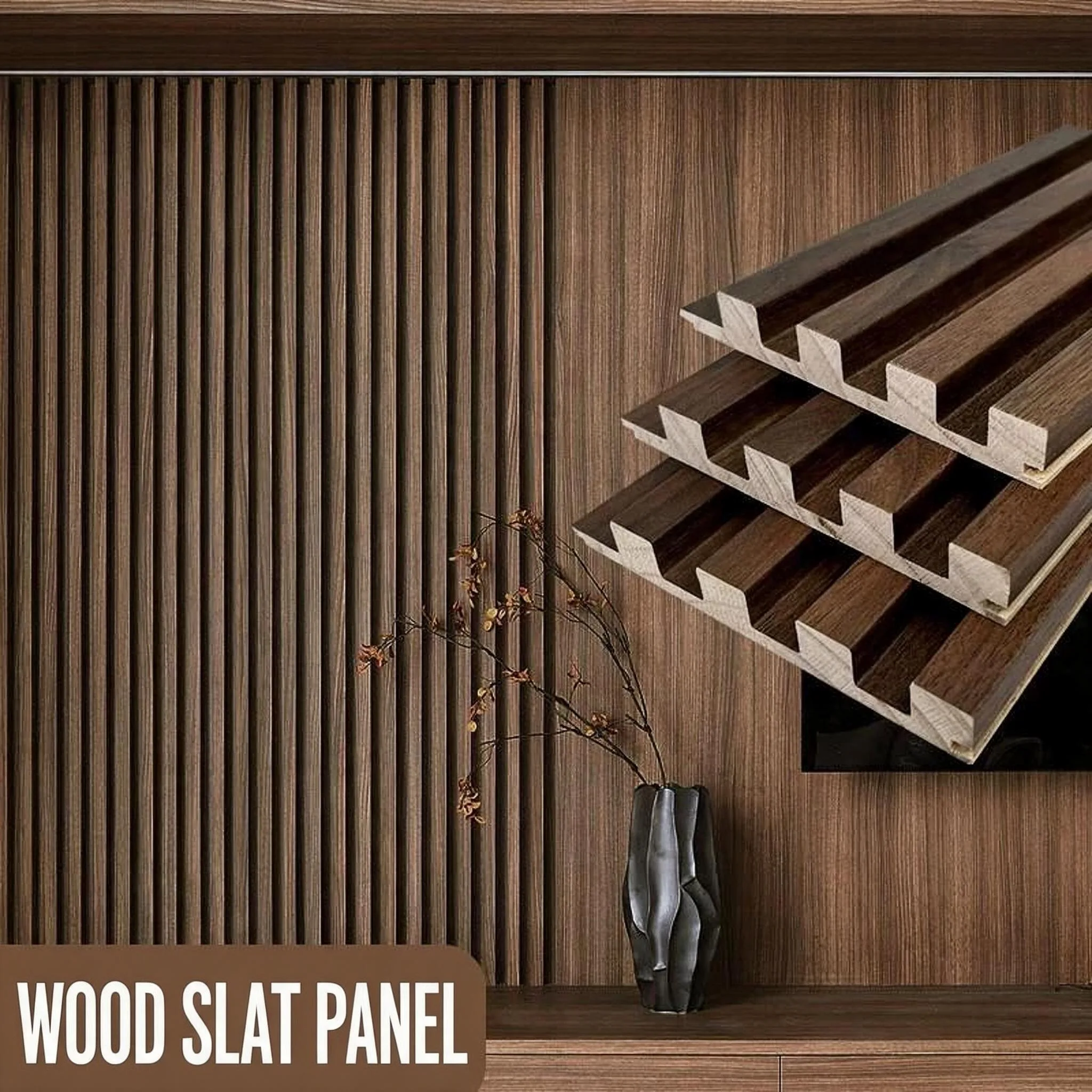
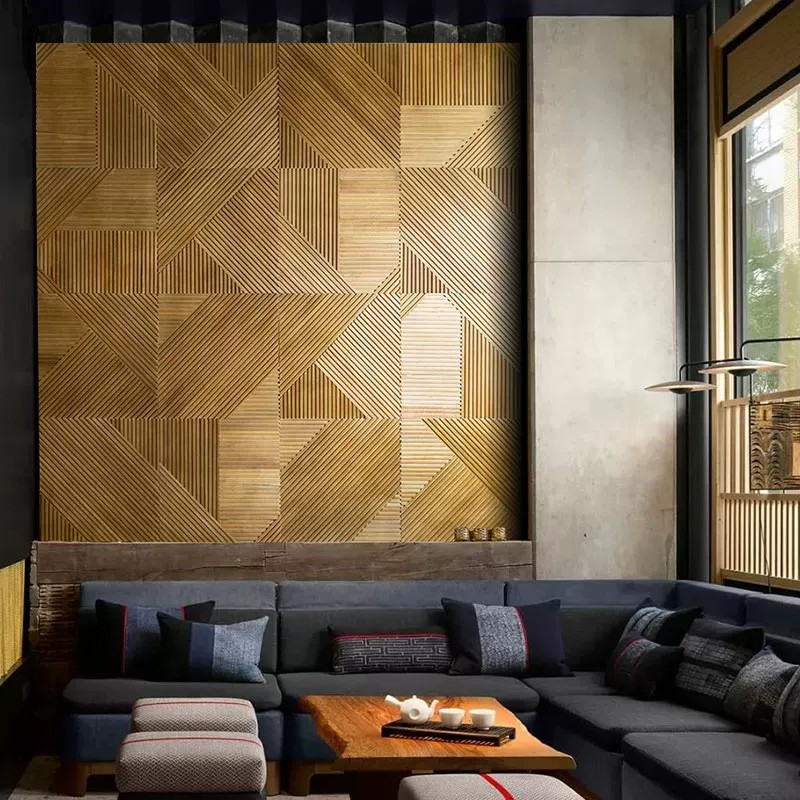
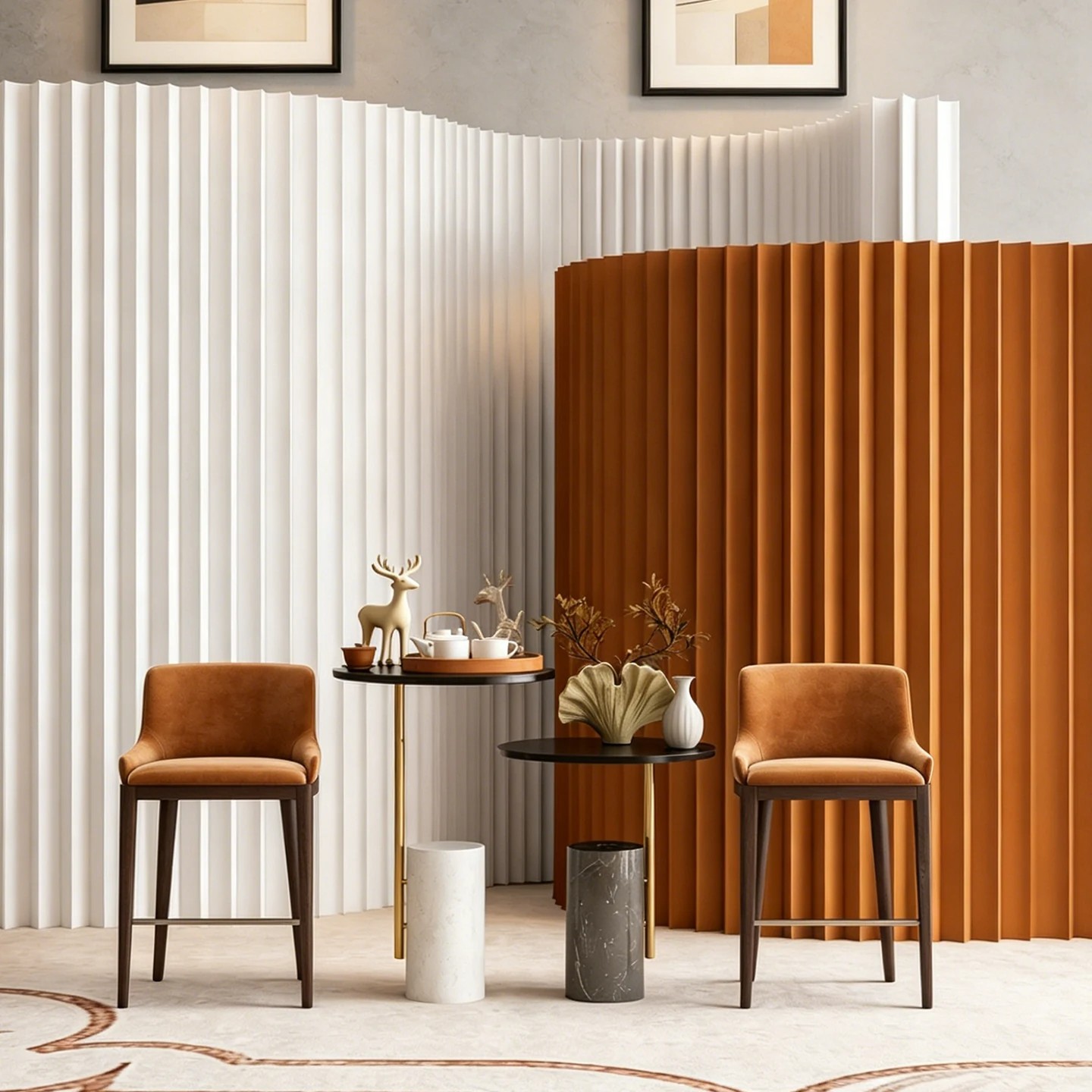
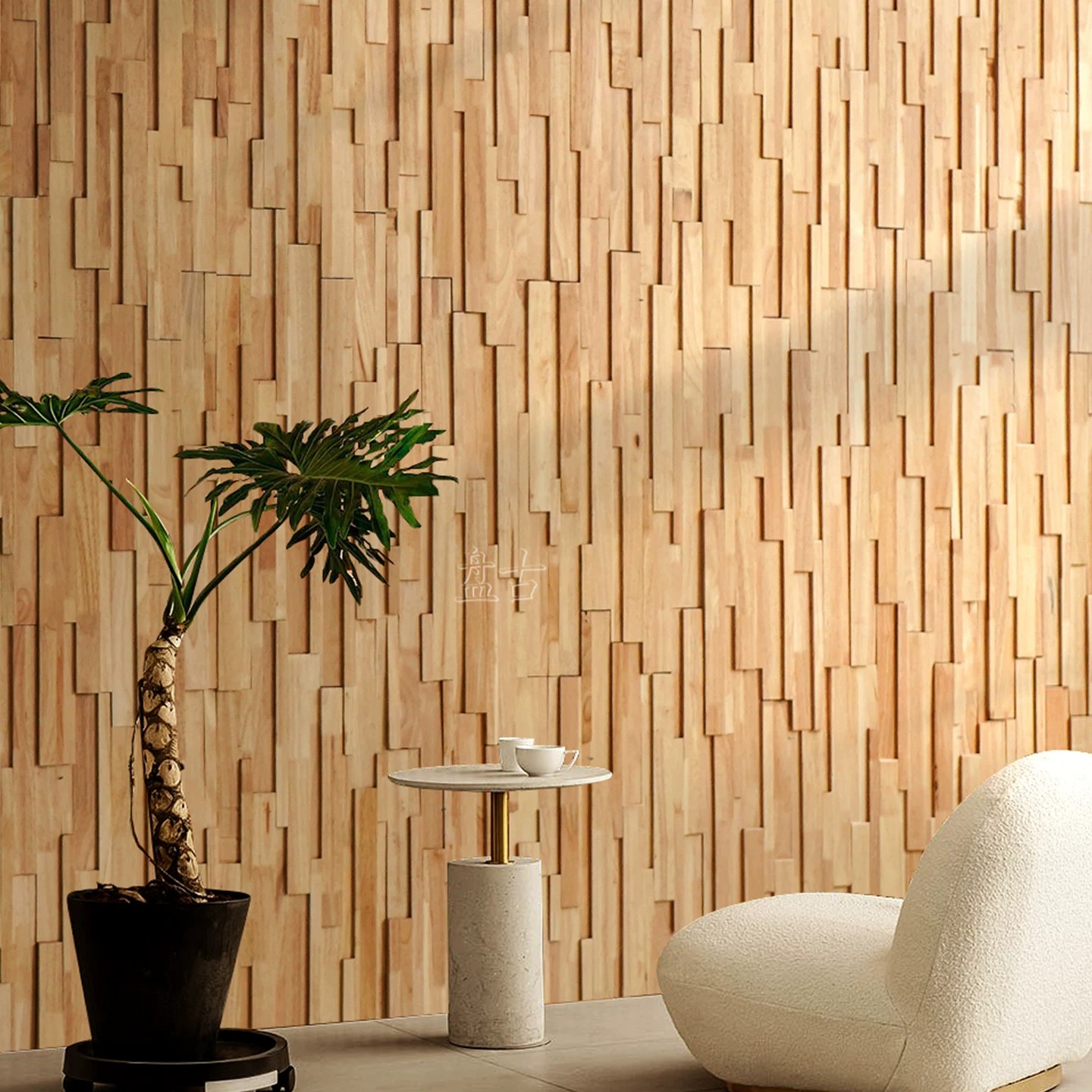
The lobby serves as the first touchpoint for guests, establishing the hotel’s identity and setting the tone for their stay. Grand-scale natural material architectural systems, such as expansive feature walls or intricate ceiling installations, can create a powerful visual statement. Imagine a soaring hotel lobby adorned with cascading bamboo screens or sculpted wood paneling that draws the eye upward, evoking a sense of awe and connection to nature. These systems can effectively delineate waiting areas, reception desks, and concierge stations, fostering a sense of organization and flow.
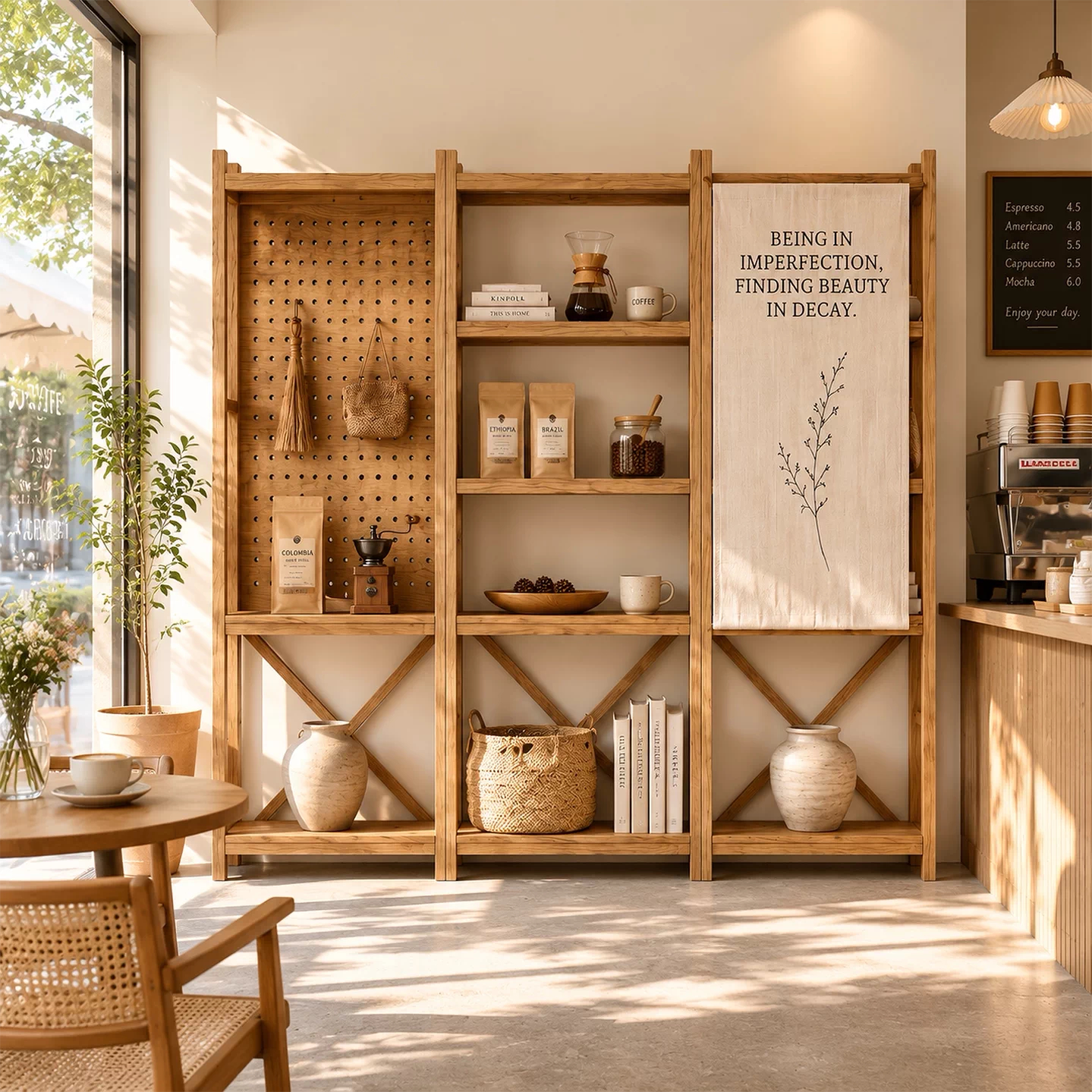
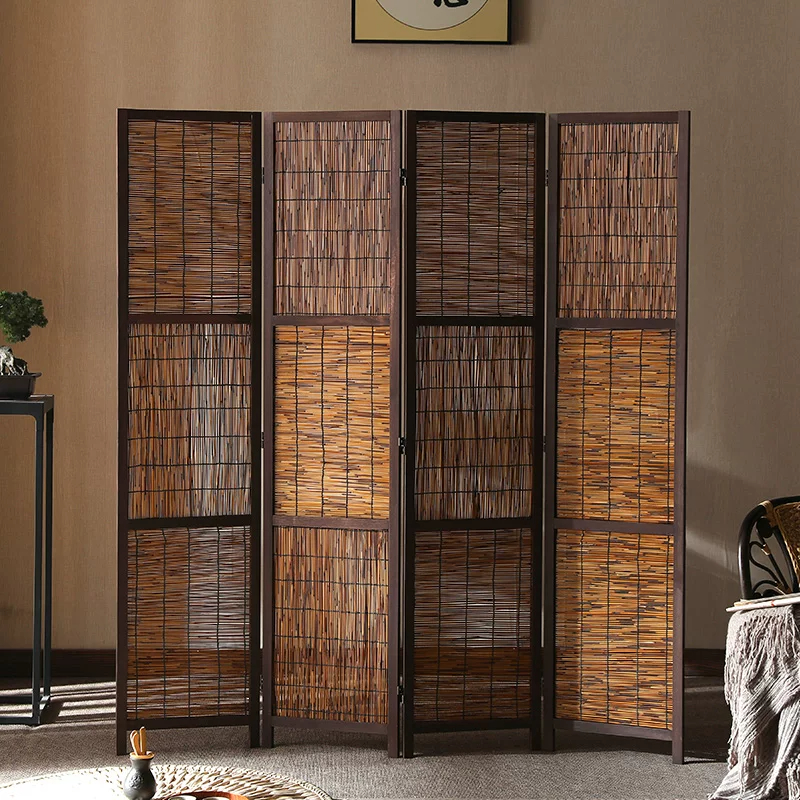
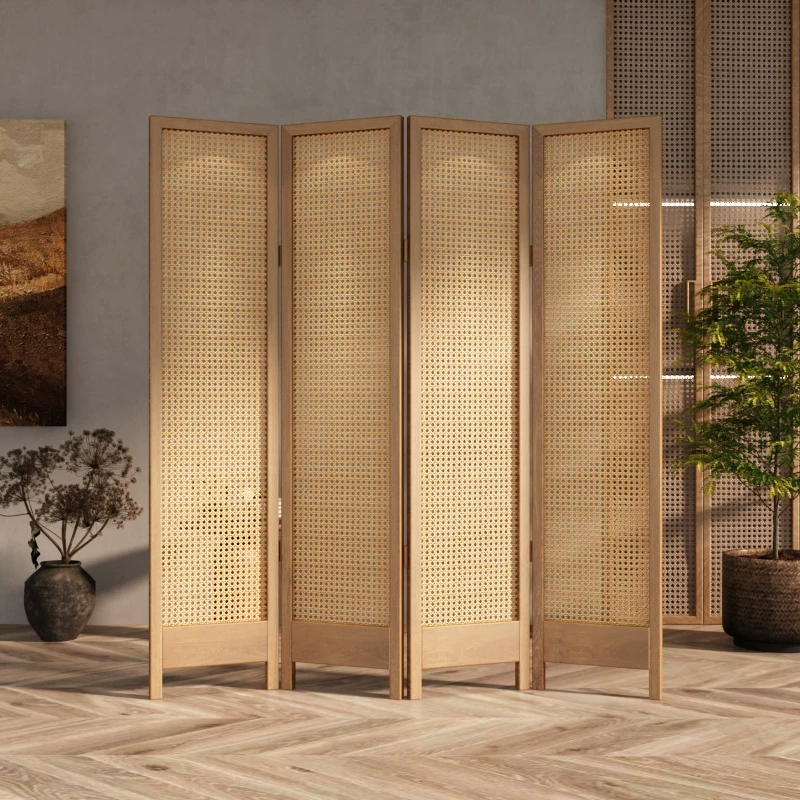
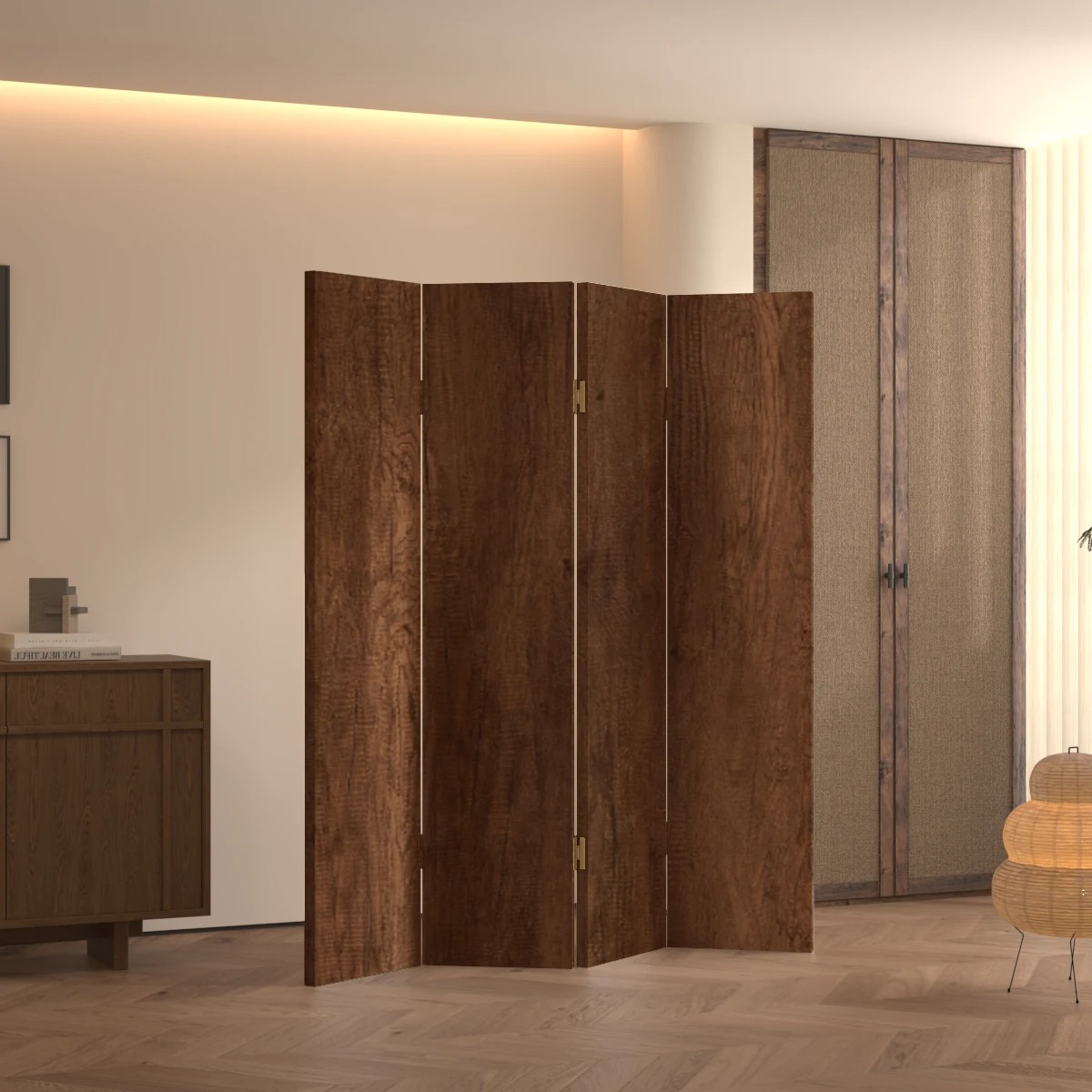
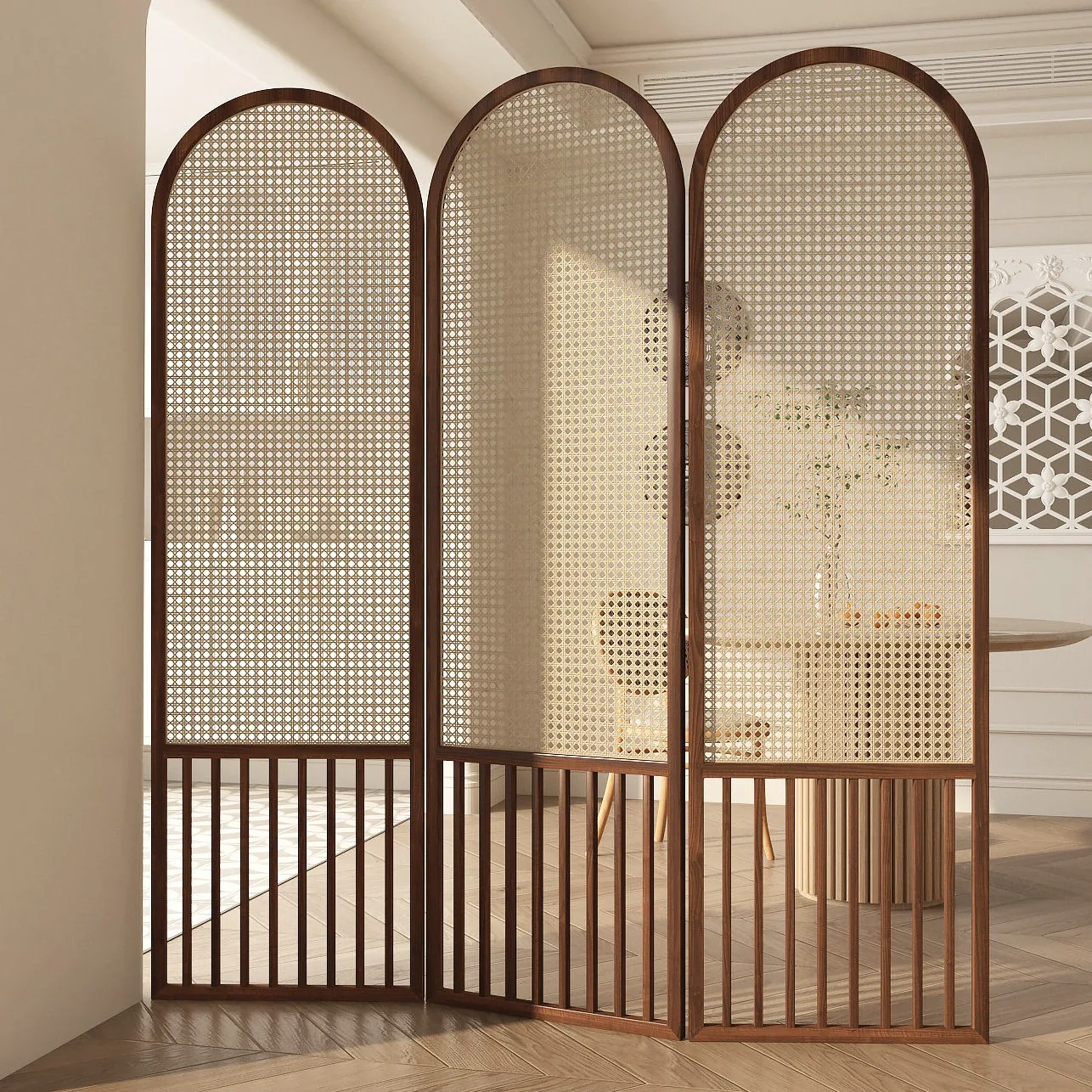
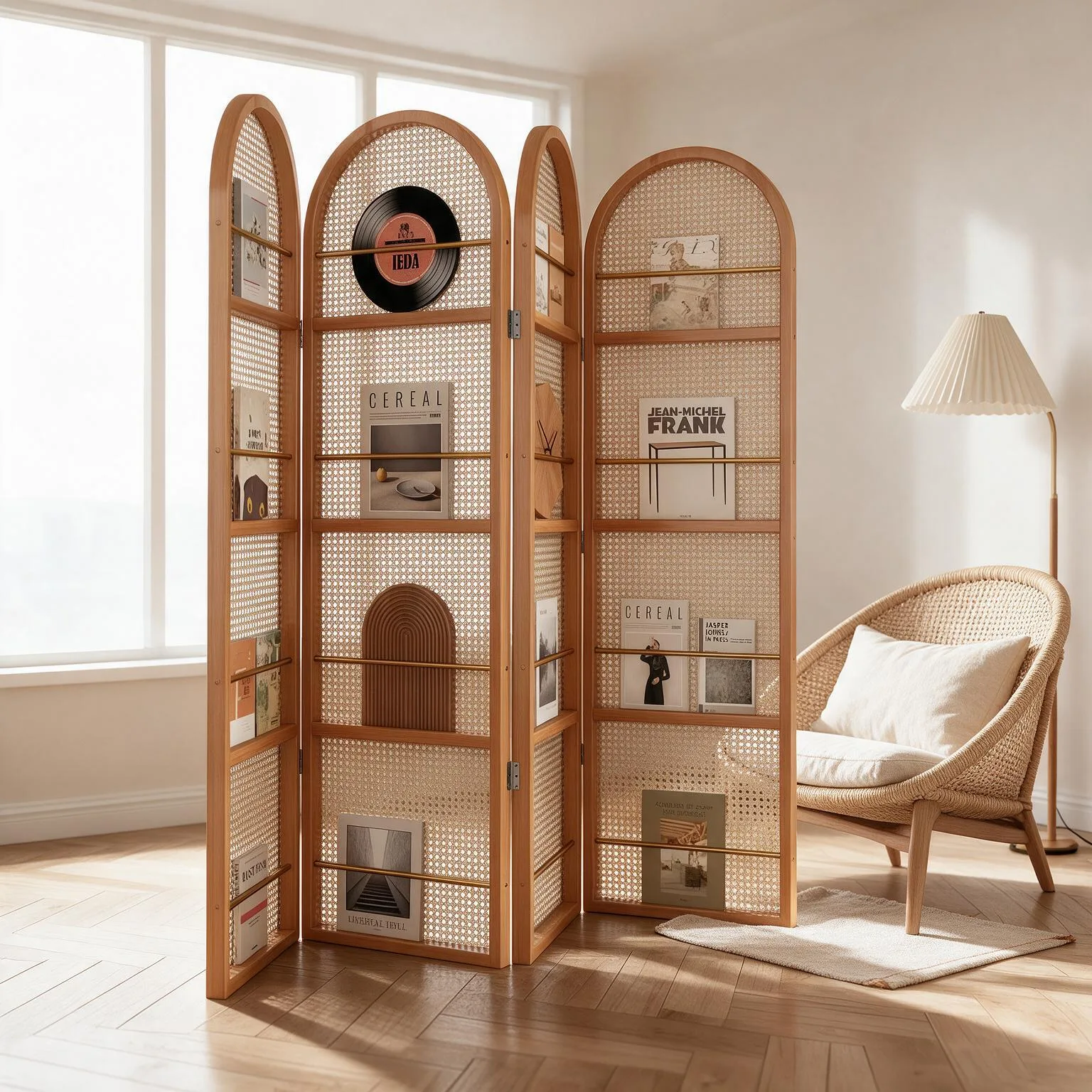
In dining and social spaces, natural material architectural systems are instrumental in shaping the atmosphere and guest experience. Screens and partitions crafted from natural fibers like rattan or finely milled wood can create intimate dining alcoves without completely closing off areas, maintaining a sense of openness and energy. Ceiling systems, integrating lighting and acoustic treatment, contribute to the comfort and mood of the space. The tactile quality of natural materials adds warmth and authenticity, complementing diverse culinary concepts.
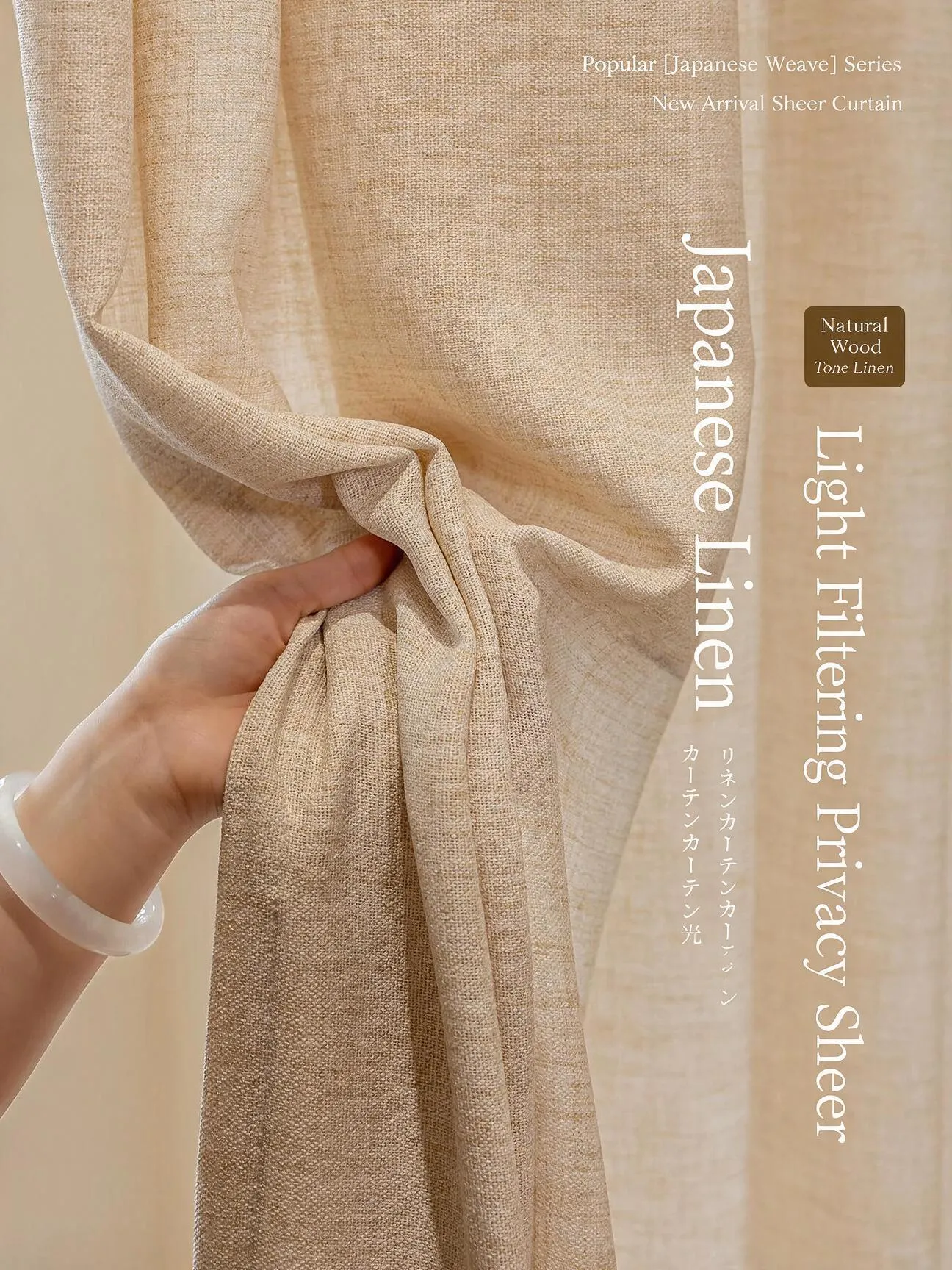
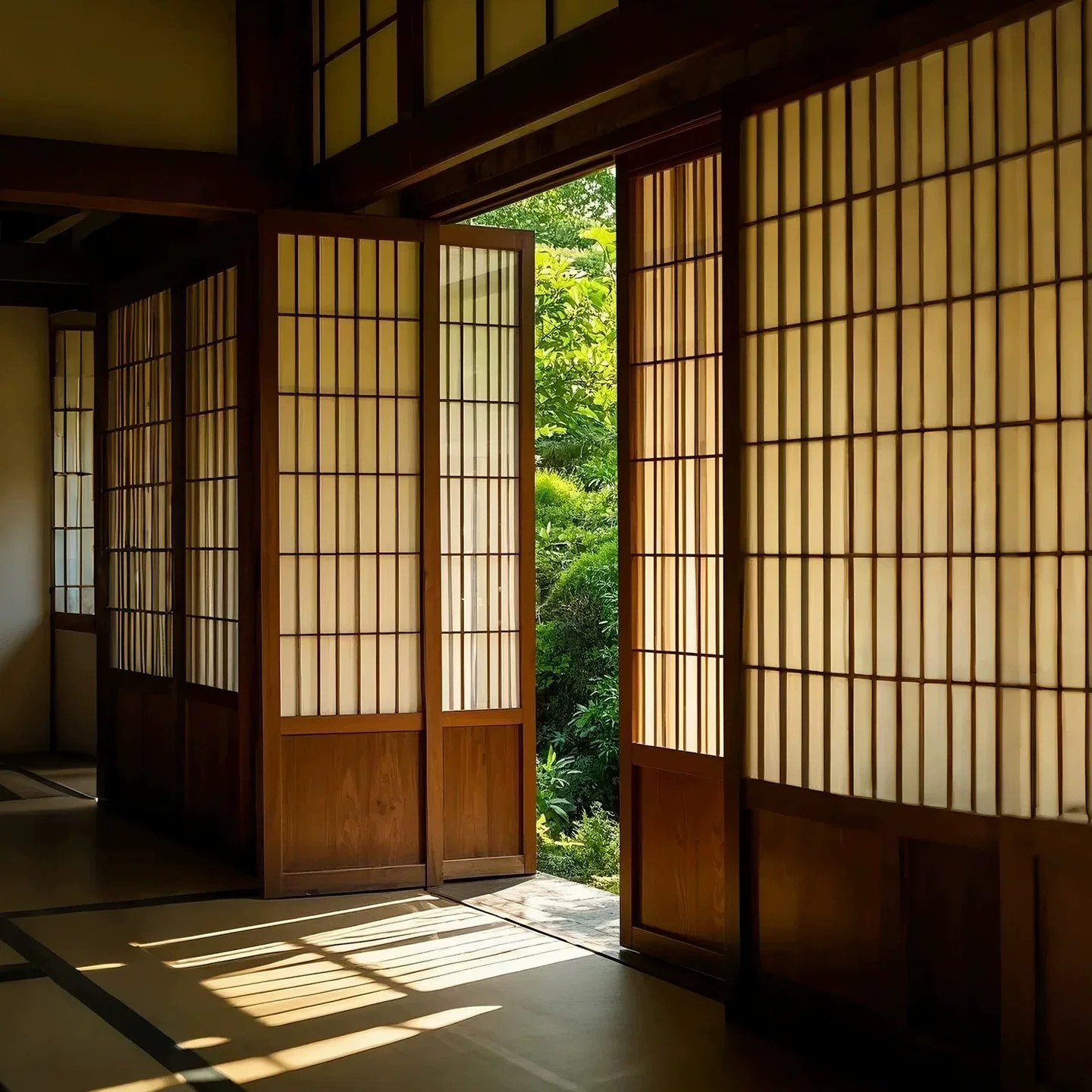
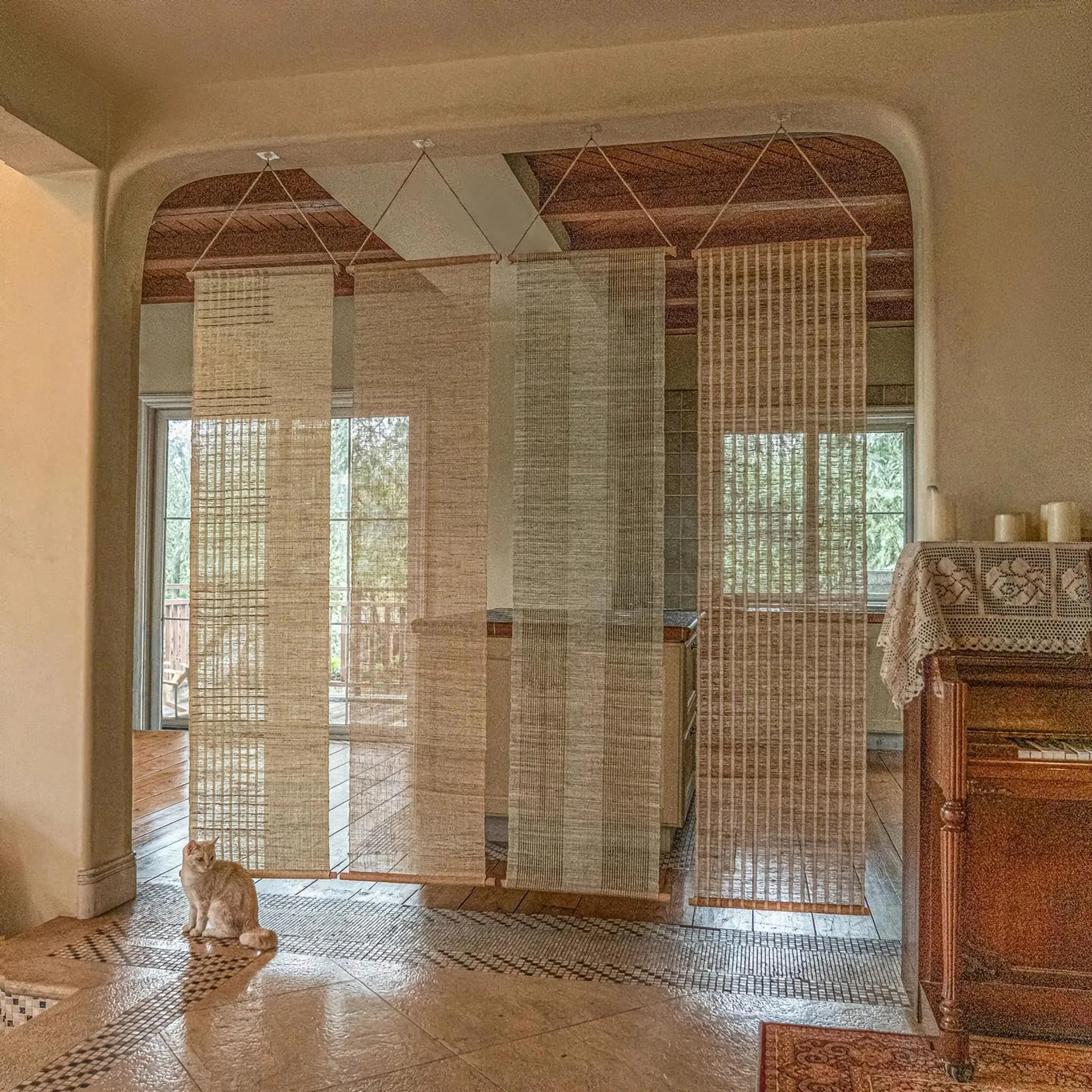
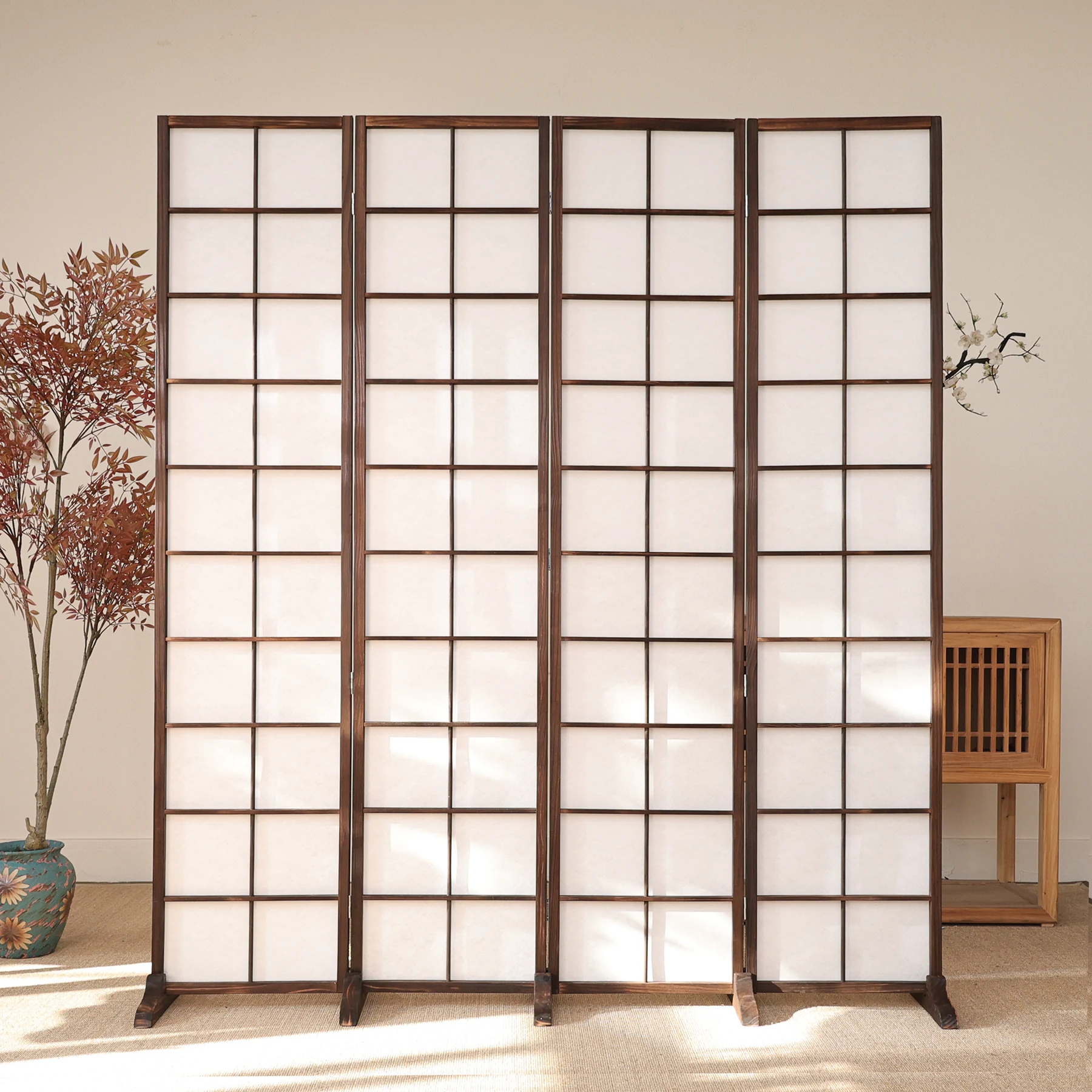
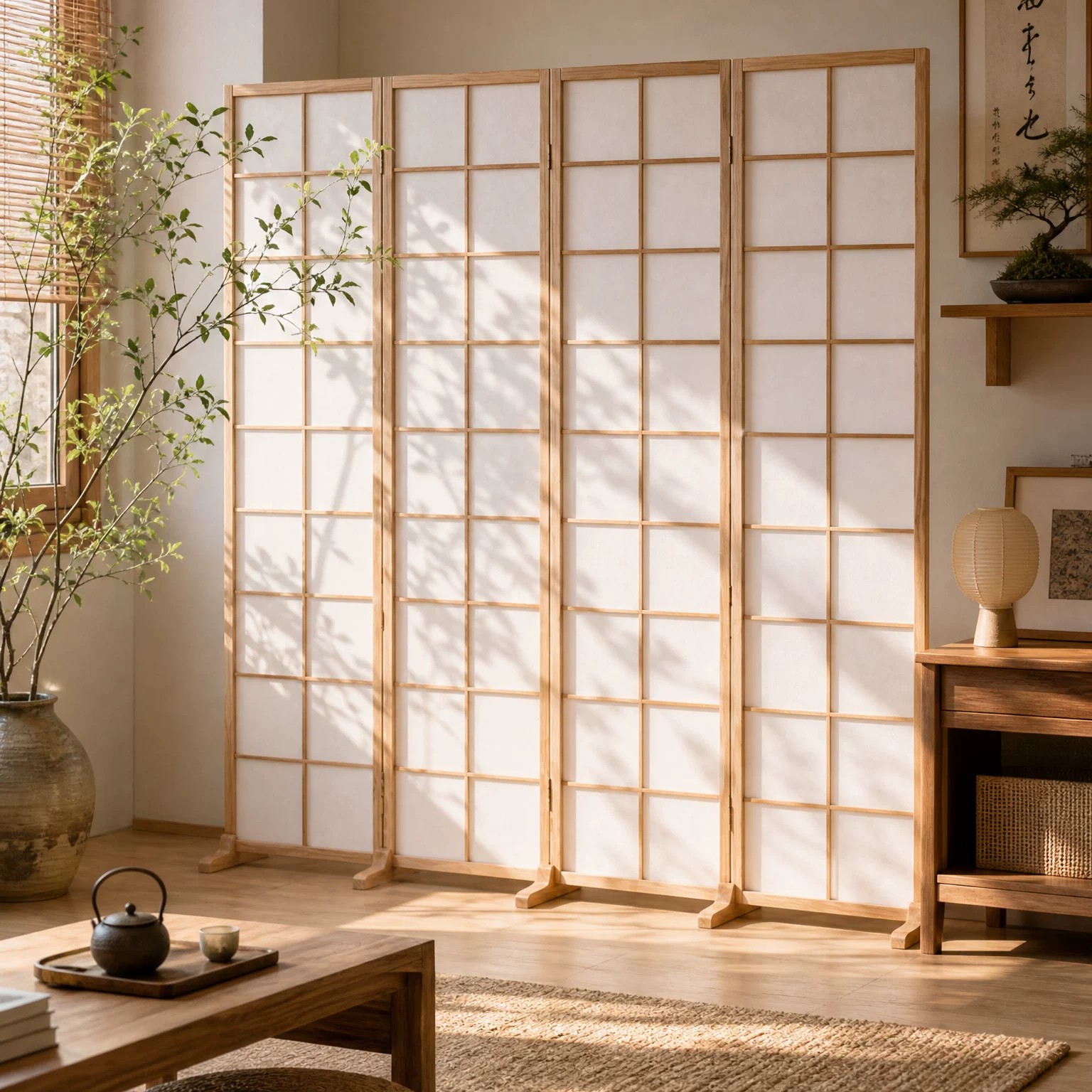
Guest rooms are private sanctuaries where comfort and tranquility are paramount. Natural material architectural systems can be employed in headboard designs, feature walls, and even integrated cabinetry to create a calming and luxurious ambiance. Sliding screens made from light-filtering materials can separate sleeping areas from living spaces, optimizing functionality in smaller layouts while enhancing the sense of space. The use of natural materials in these intimate settings contributes to a feeling of well-being and connection to the local environment.
Beyond aesthetic appeal, natural material architectural systems offer significant design value and commercial advantages in hospitality projects:
Successful integration of natural material architectural systems hinges on careful planning and execution. Consider these expert recommendations:
Properly engineered and finished natural material systems are highly durable. Specific species selection, treatment, and structural design all contribute to withstanding the demands of commercial use. Bambooforma provides solutions tailored to high-traffic environments.
Yes, many natural materials, particularly rapidly renewable resources like bamboo, offer significant sustainability benefits. It’s crucial to source from reputable suppliers who adhere to responsible harvesting and manufacturing practices.
Customization is a significant advantage of architectural systems. Suppliers often offer bespoke solutions in terms of material choice, pattern, finish, and overall configuration to realize unique design visions.
Natural material architectural systems offer a compelling pathway for hospitality designers to create distinctive, sustainable, and guest-centric spaces. By integrating these systems thoughtfully across various areas within hotels, resorts, and restaurants, architects and designers can enhance aesthetics, improve functionality, and foster a deeper connection with nature. For customized natural material architectural solutions that elevate luxury hospitality design, consult with the experts at Bambooforma.
52.89
52.99
219