Japanese Screens as an Alternative to Permanent Partition Walls
Explore how a Japanese screen partition offers a temporary, flexible alternative to a partition wall in hospitality, commercial, and residential projects.

In the landscape of modern hospitality, the demand for unique, experiential, and tranquil spaces is paramount. Architects and interior designers are increasingly turning to Japanese hotel interior design principles to create serene environments that resonate with contemporary travellers. A pivotal element in achieving this aesthetic, while addressing practical space management, is the integration of thoughtful partitioning. Utilizing a Japanese room divider in hotel settings, particularly within boutique establishments, offers a sophisticated solution for defining areas without sacrificing the precious sense of openness.
Bambooforma, a specialist in premium natural material architectural systems, understands the nuance required for these high-end applications. The strategic use of a boutique hotel room divider can transform a standard guest room into a multi-functional sanctuary, echoing the principles of traditional Japanese ryokans adapted for modern luxury. Whether crafting a dedicated dressing area, subtly separating a bathroom, or defining a lounge space within a suite, the right partition is both functional and sculptural.
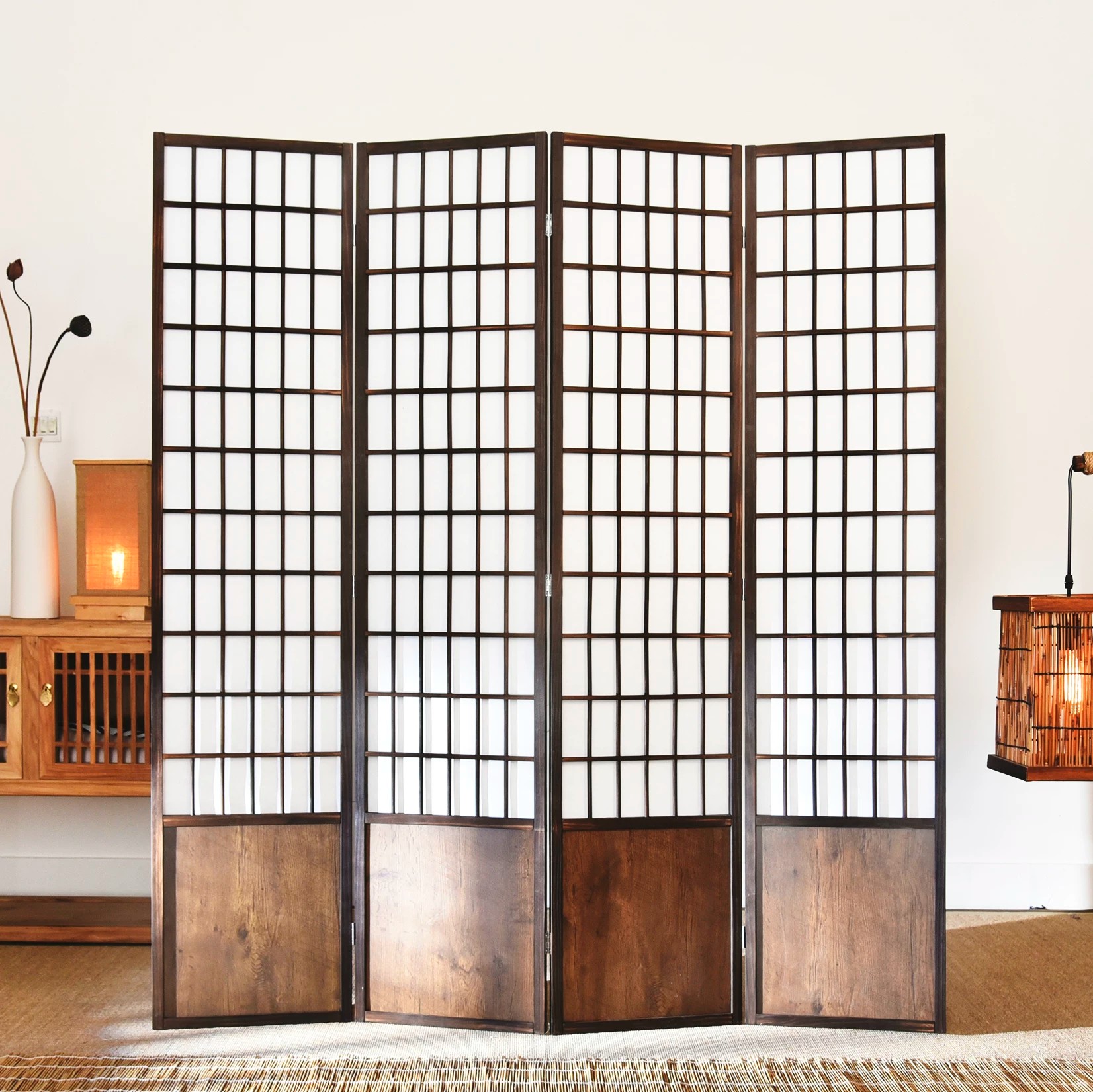
The core appeal of a Japanese room divider in hotel environments lies in its ability to balance privacy with permeability. Unlike solid walls, these systems allow light to filter through, maintaining a visual connection between spaces while establishing clear boundaries. For hospitality developers, this architectural language speaks to sustainability, sophistication, and a commitment to guest well-being.
Material selection is crucial. Traditional Shoji screens utilize translucent paper, but for the rigorous demands of commercial hospitality, more durable interpretations are required. This is where natural material interior systems, utilizing sustainable bamboo or high-quality wood, offer the ideal blend of authenticity and longevity. These materials add texture, warmth, and an organic element that engineered products cannot replicate.
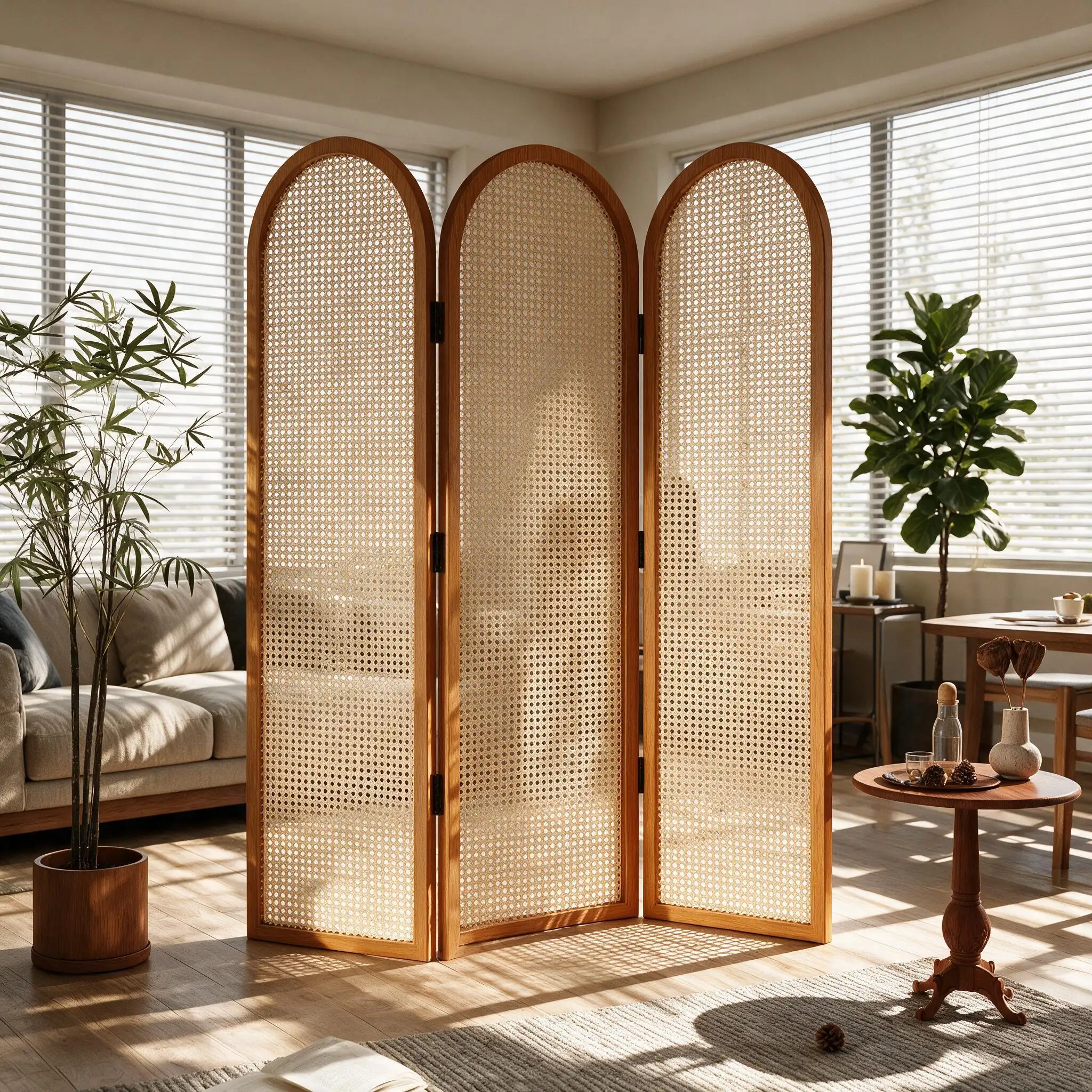
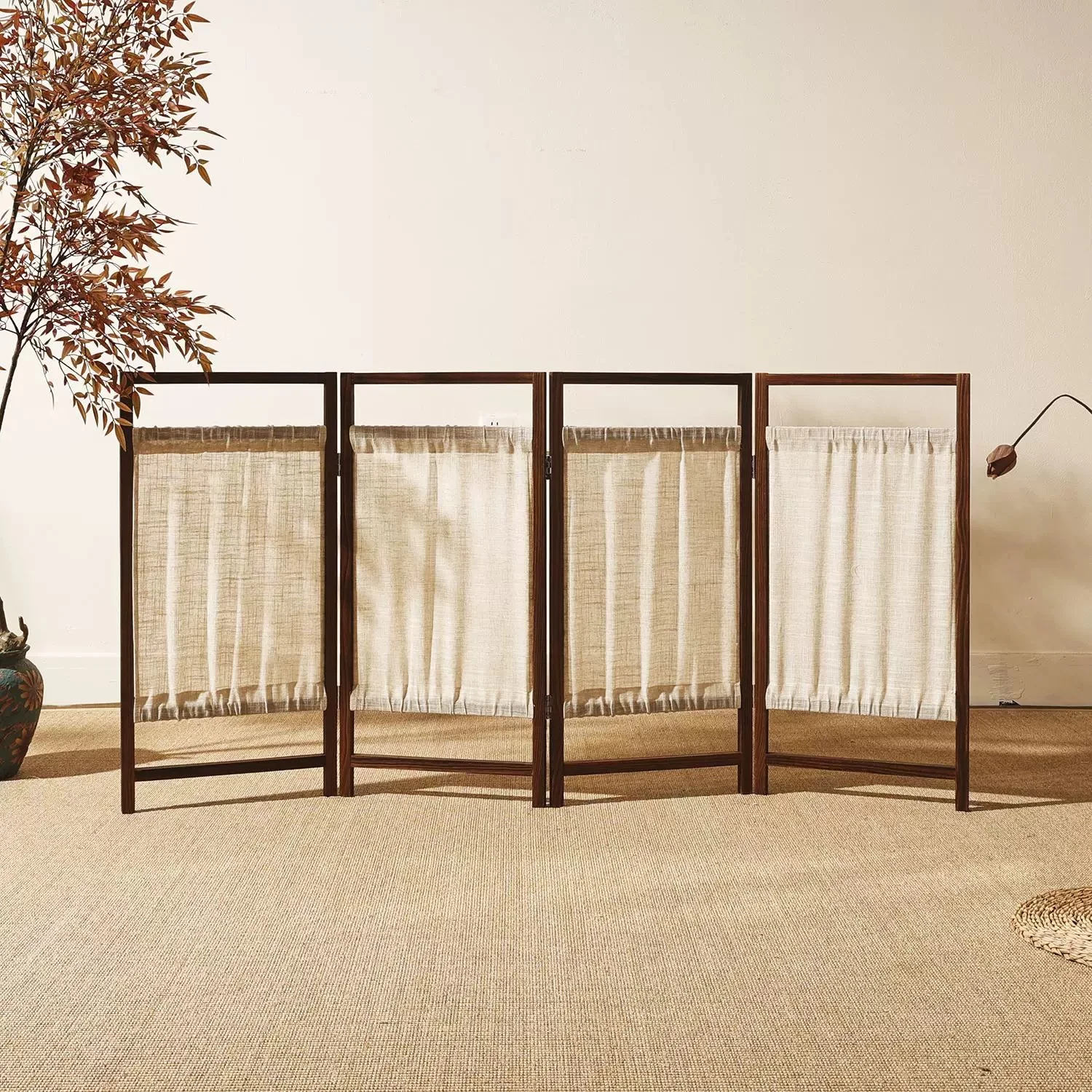
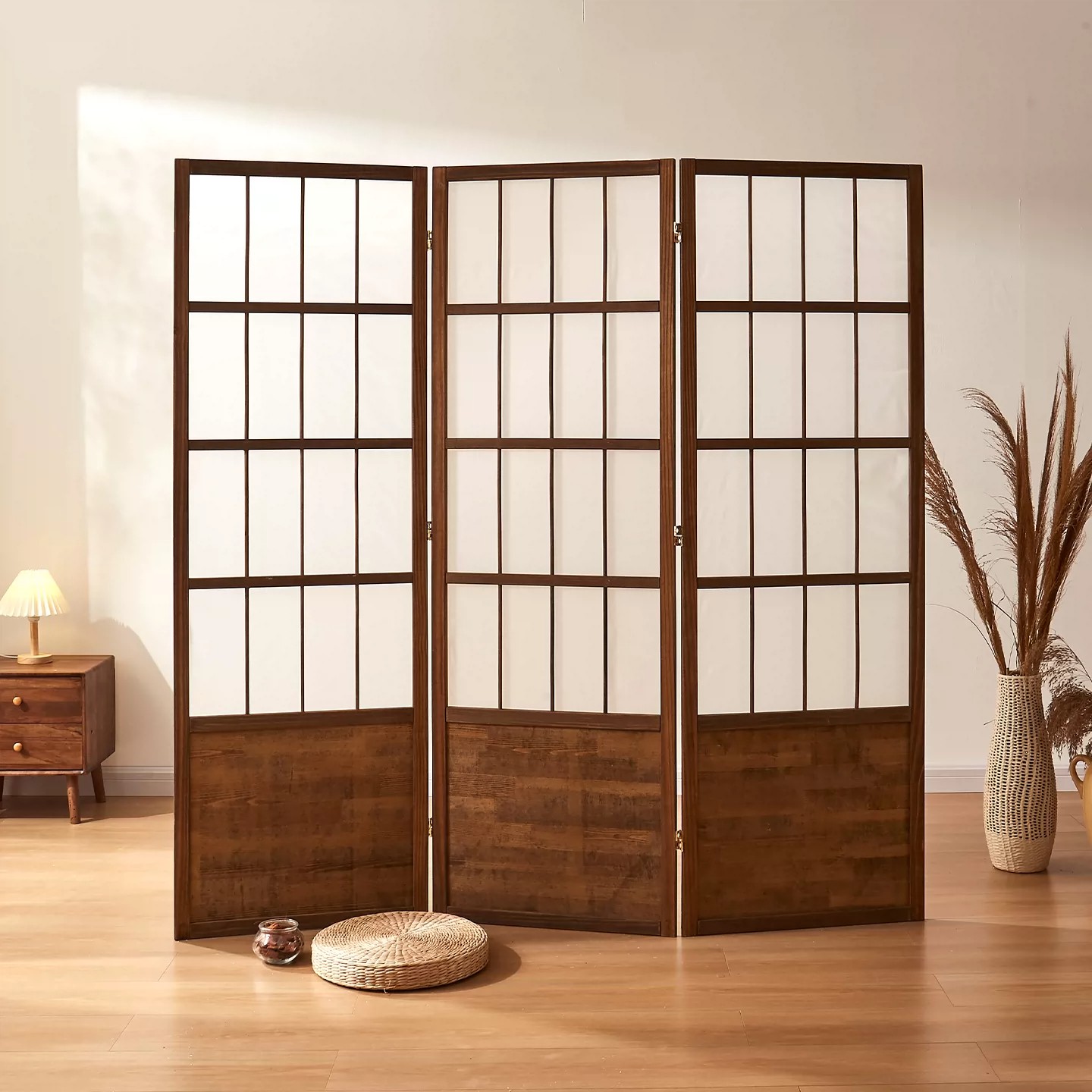
Modern boutique guest rooms often feature open layouts to maximize perceived square footage. However, a lack of definition can feel cold or impractical. A strategically placed guest room screen can create necessary zoning. For example, a partial-height or semi-translucent screen can obscure the view of the bed from the entrance, creating a sense of arrival and enhanced privacy.
While inspiring, traditional residential Japanese partitions often lack the structural integrity required for high-traffic hotel environments. Bambooforma addresses this through engineered architectural systems. Utilizing precision-machined bamboo or sustainably sourced timber, these systems offer the aesthetic of a Japanese room divider for hotel applications with the durability of commercial-grade construction.
Bamboo, in particular, is an exceptional material for these applications. It is highly sustainable, possesses remarkable tensile strength, and is naturally resistant to warping—critical factors for custom architectural systems in hospitality.
The application of these dividers extends beyond the guest room. In boutique hotel lobbies, restaurants, and spas, partitions are essential for creating intimate zones within larger volumes.
Every boutique hotel project possesses a distinct brand identity and architectural context. Off-the-shelf solutions rarely suffice for luxury applications. The capability for custom manufacturing is essential when specifying a boutique hotel room divider.
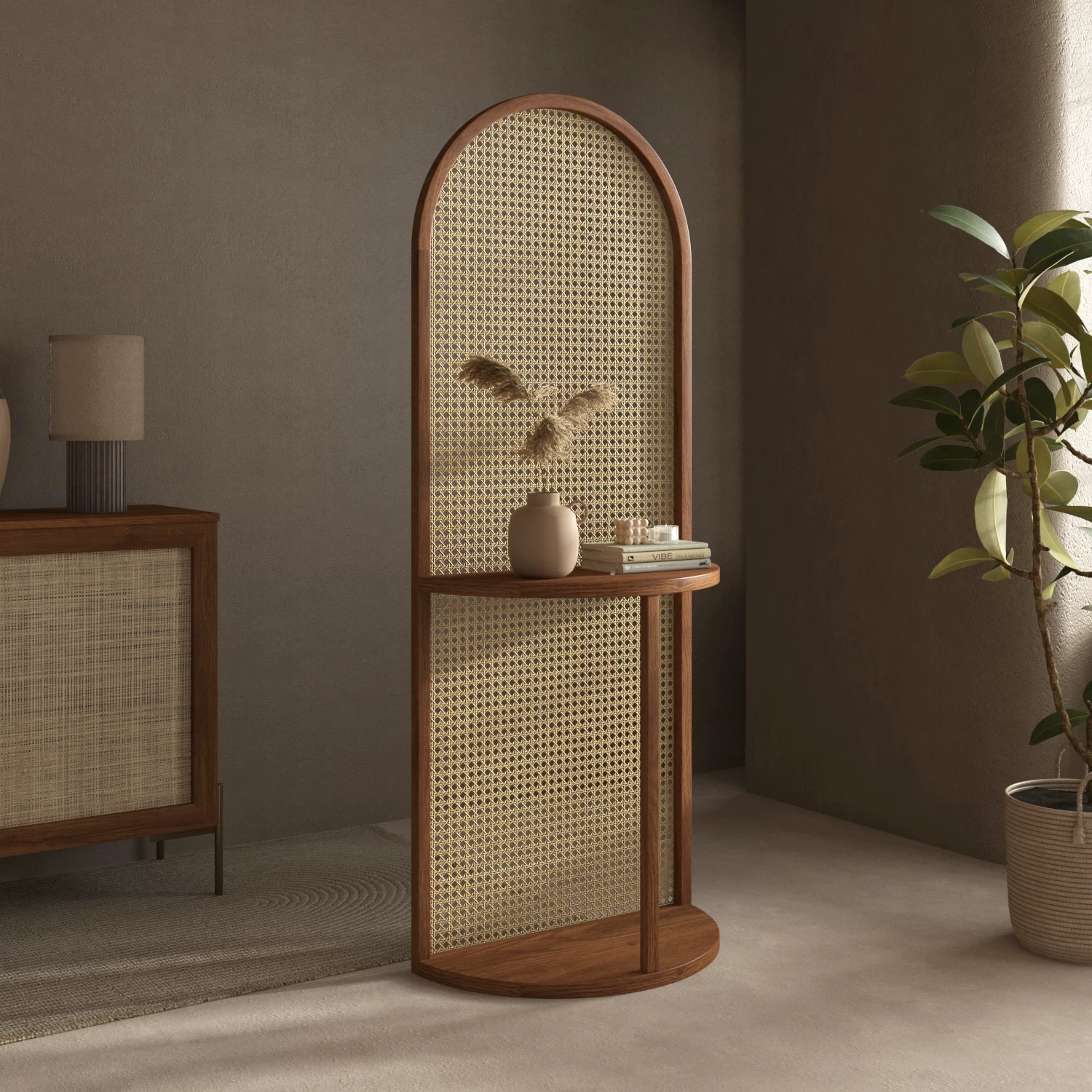
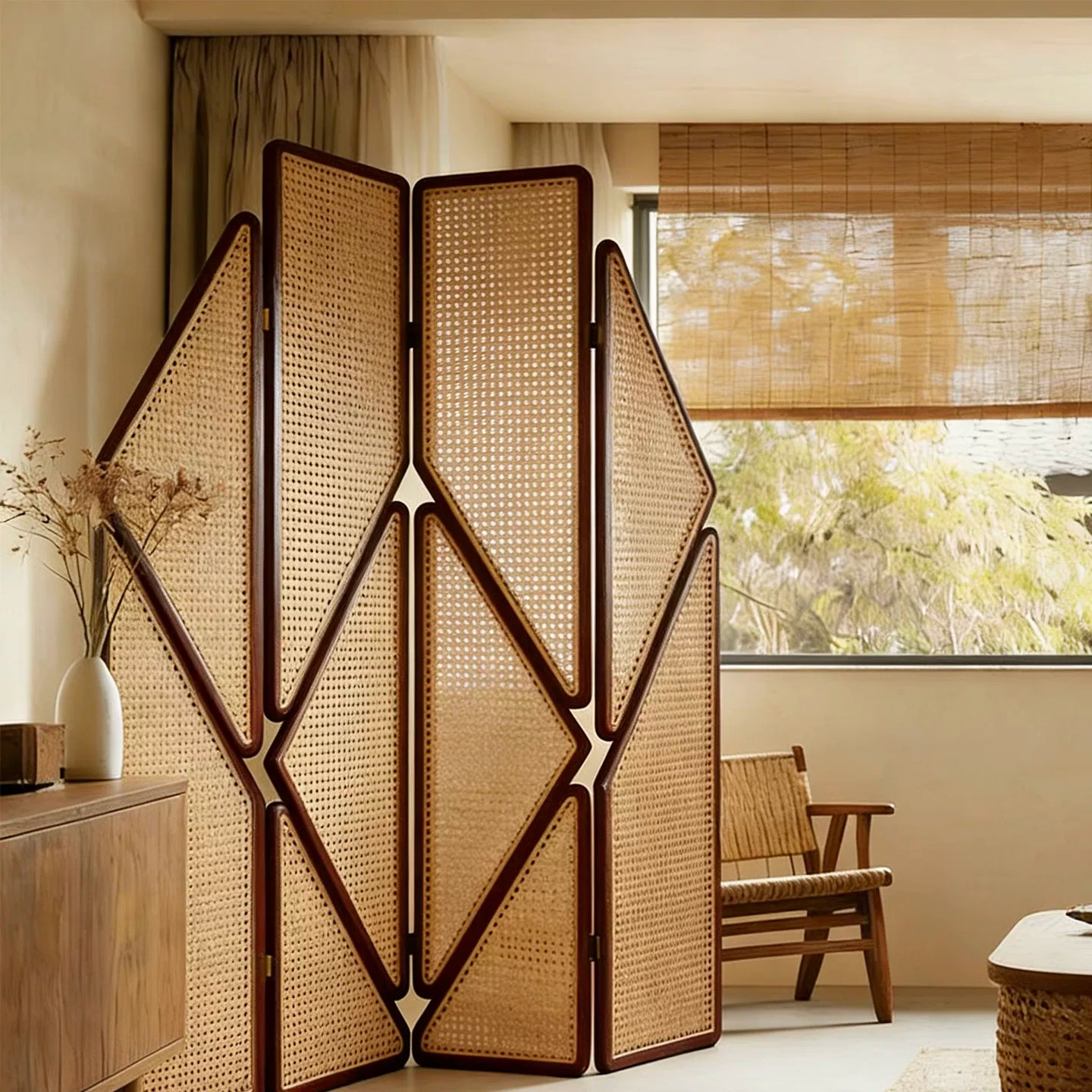
Architects require flexibility in dimensions, finishes, and transparency levels. Whether the design calls for a minimalist, precise linear bamboo slatted system (evoking a contemporary Japandi feel) or a bolder, textural weave of rattan, customization allows the partition to become an integrated part of the interior architecture, rather than an afterthought.
A primary concern for hotel operators is maintenance. Natural material systems destined for hospitality use must be finished with high-performance, low-VOC coatings that resist marking and are easy to clean. Modular systems, where individual components can be repaired or replaced if damaged, are highly advantageous for long-term operational efficiency.
When incorporating Japanese-inspired screens into a hospitality project, consider the following:
Integrating a Japanese room divider in hotel designs provides an elegant, sustainable, and highly functional solution for modern space programming. By carefully selecting materials like premium bamboo and leveraging custom manufacturing capabilities, architects and hospitality developers can create guest experiences rooted in tranquility and sophisticated design. Bambooforma stands ready to support these visionary projects with expert materiality and tailored architectural systems that elevate the standard of luxury hospitality. For detailed specifications and custom solutions, contact our team for a professional consultation.
When engineered as architectural systems rather than decorative pieces, natural material dividers from species like bamboo are extremely durable. Proper finishing with commercial-grade coatings ensures resistance to wear and tear, and modular designs allow for easy maintenance or component replacement.
Standard visual partitions like slatted bamboo screens diffuse sound but do not provide true acoustic isolation. If acoustic privacy is required (e.g., between a bathroom and a sleeping area), specified systems integrating acoustic glass, solid lower panels, or specialized infills must be utilized.
Yes, custom fabrication is essential for hospitality. Bambooforma architectural systems can be customized in height, width, material thickness, finish, and the degree of openness (slat spacing or weave density) to perfectly align with the specific architectural context and brand identity of the boutique hotel.
For commercial hospitality applications, these systems are typically supplied with durable, factory-applied finishes. Maintenance generally involves regular dusting or wiping with a damp cloth and mild, non-abrasive cleaner. Periodically checking and tightening fixing hardware is also recommended.