
Modern Natural Material Architectural Systems in Hospitality Design
Explore how modern natural material architectural systems transform luxury hospitality design, enhancing guest experience and sustainability.
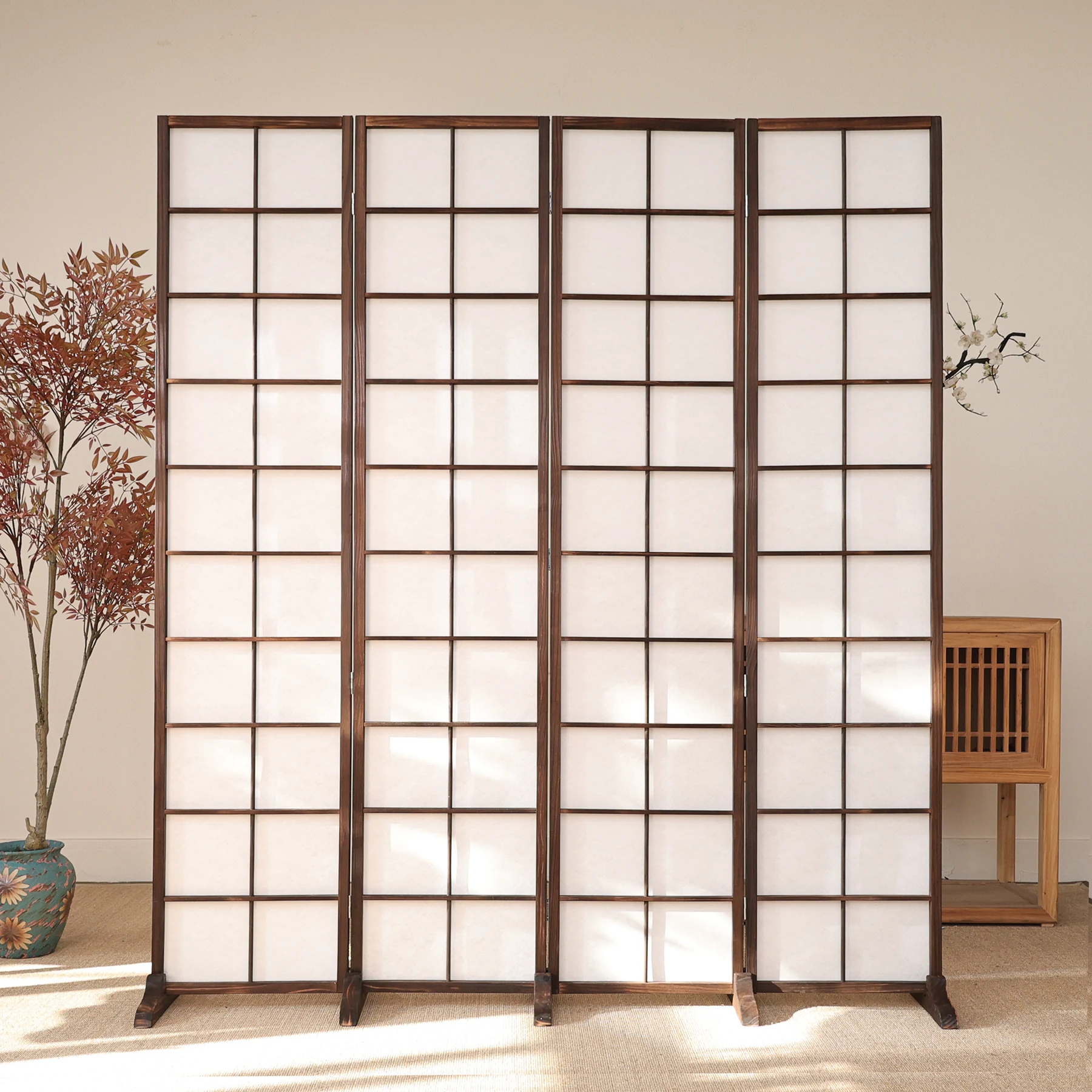
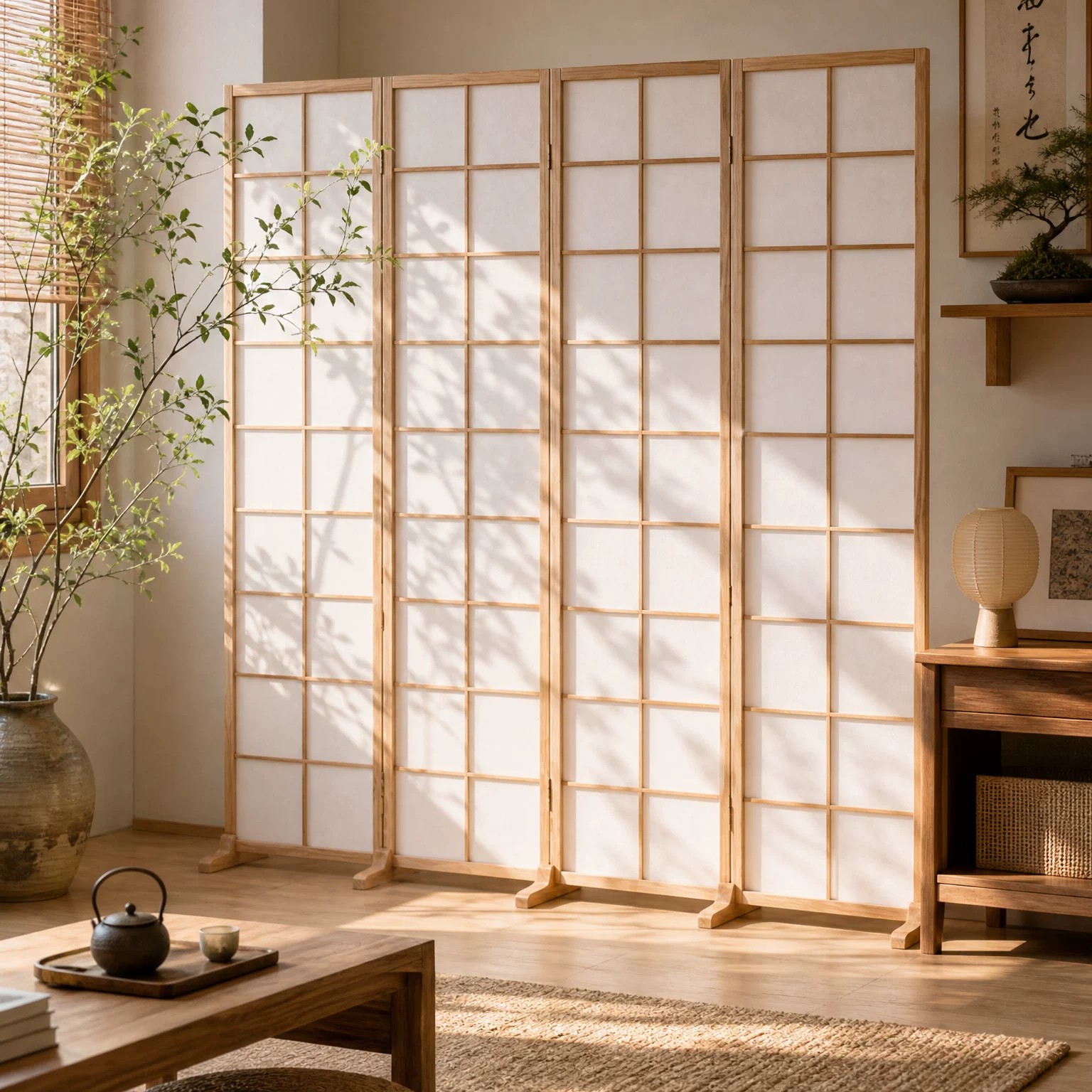
In contemporary commercial interior design, particularly within hospitality and modern office environments, the challenge lies in balance: creating distinct zones while maintaining a sense of openness and flow. As floor plans evolve away from rigid, permanent walls towards flexible, adaptable layouts, the choice of partitioning systems becomes critical. Architects and designers are increasingly turning to natural materials to resolve these spatial challenges, with bamboo partitions emerging as a premier choice for their aesthetic versatility, structural integrity, and sustainable profile.
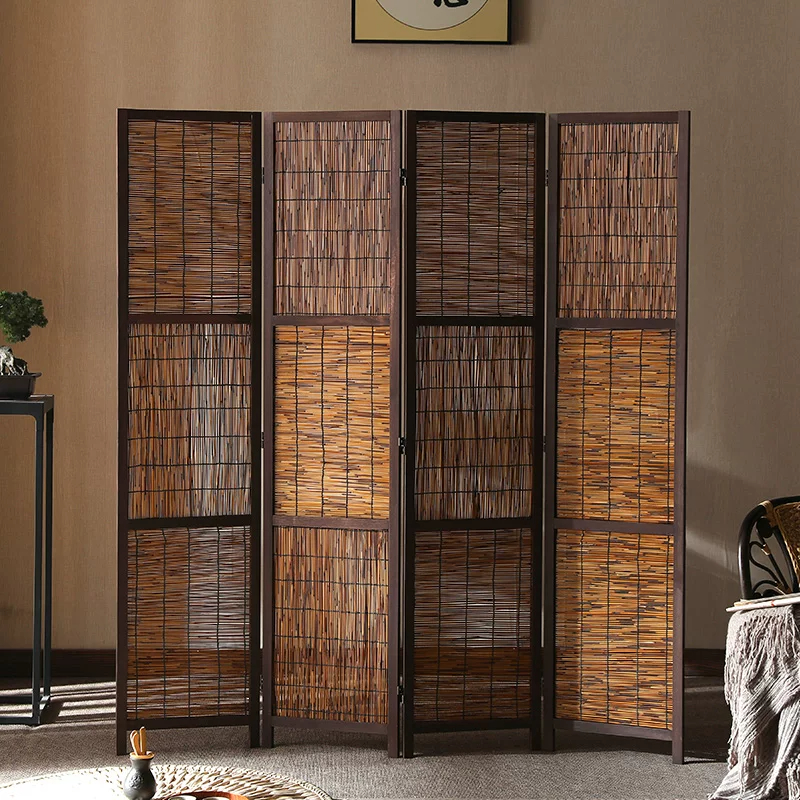
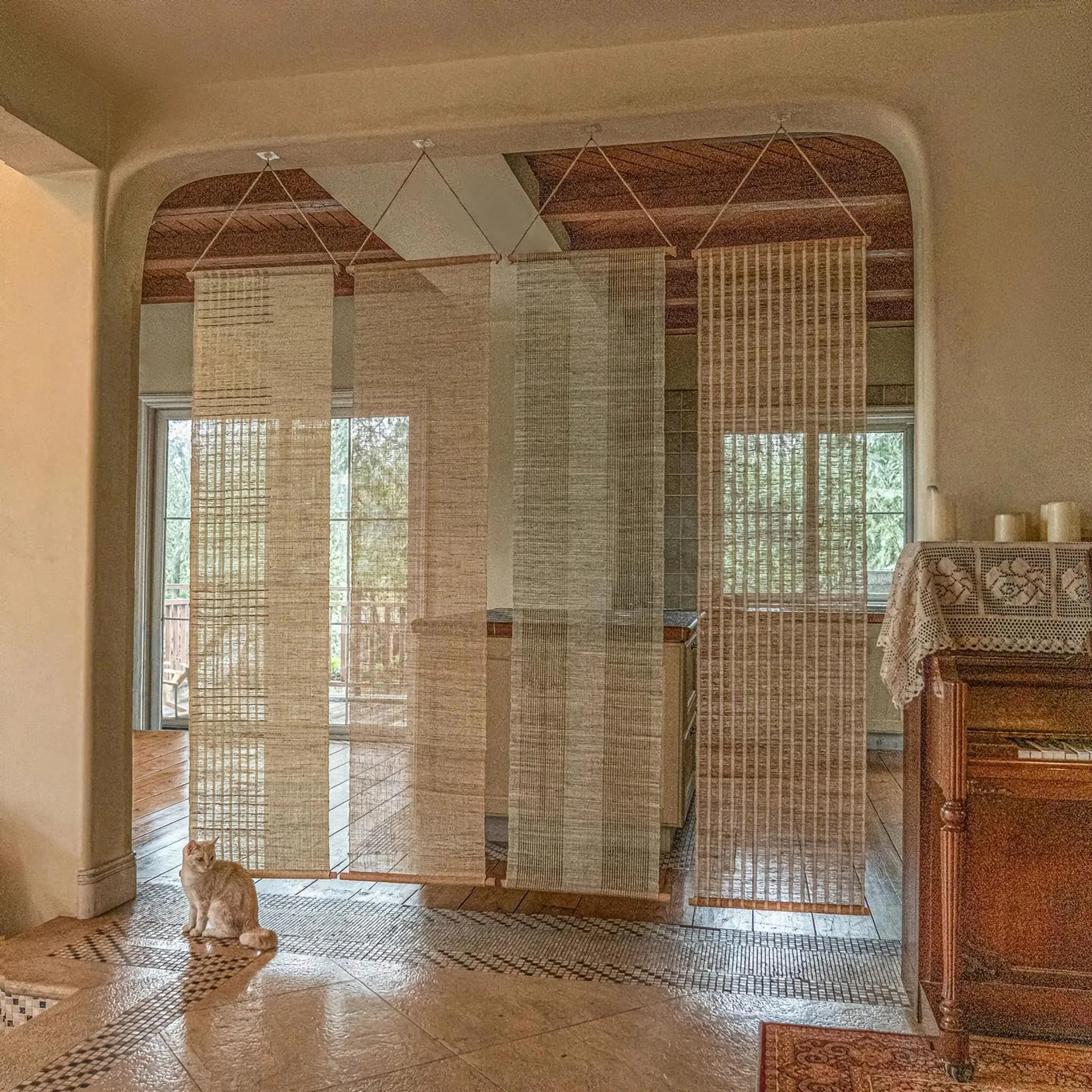
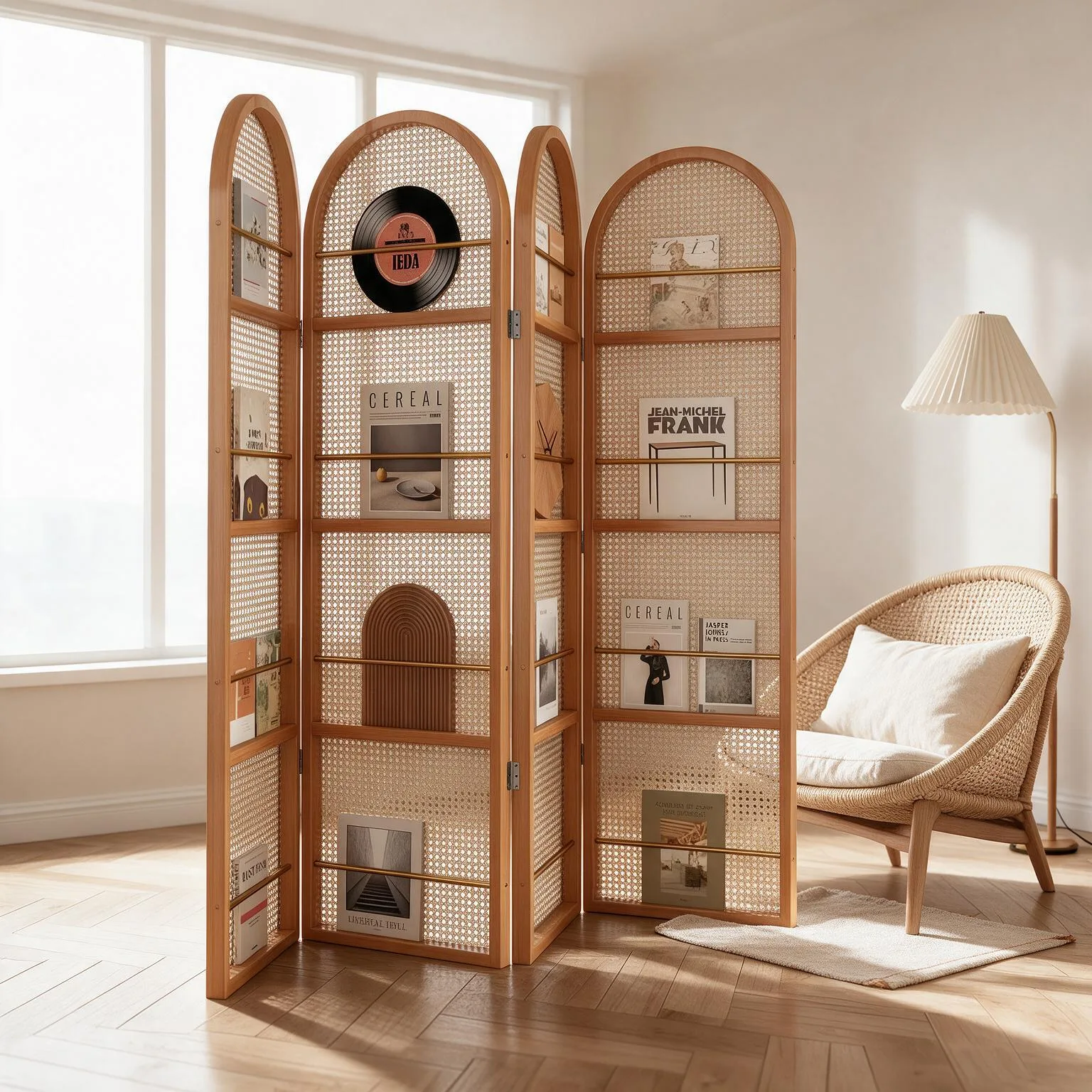
Effective space planning in commercial interiors necessitates solutions that can adapt to changing needs. Bambooforma recognizes that architects require systems that offer more than mere separation; they demand solutions that enhance the architectural narrative. Bamboo partitions provide a sophisticated method for defining micro-environments within a larger volume—creating private meeting areas in a co-working space, secluded dining nooks in a restaurant, or intimate seating arrangements in a hotel lobby.
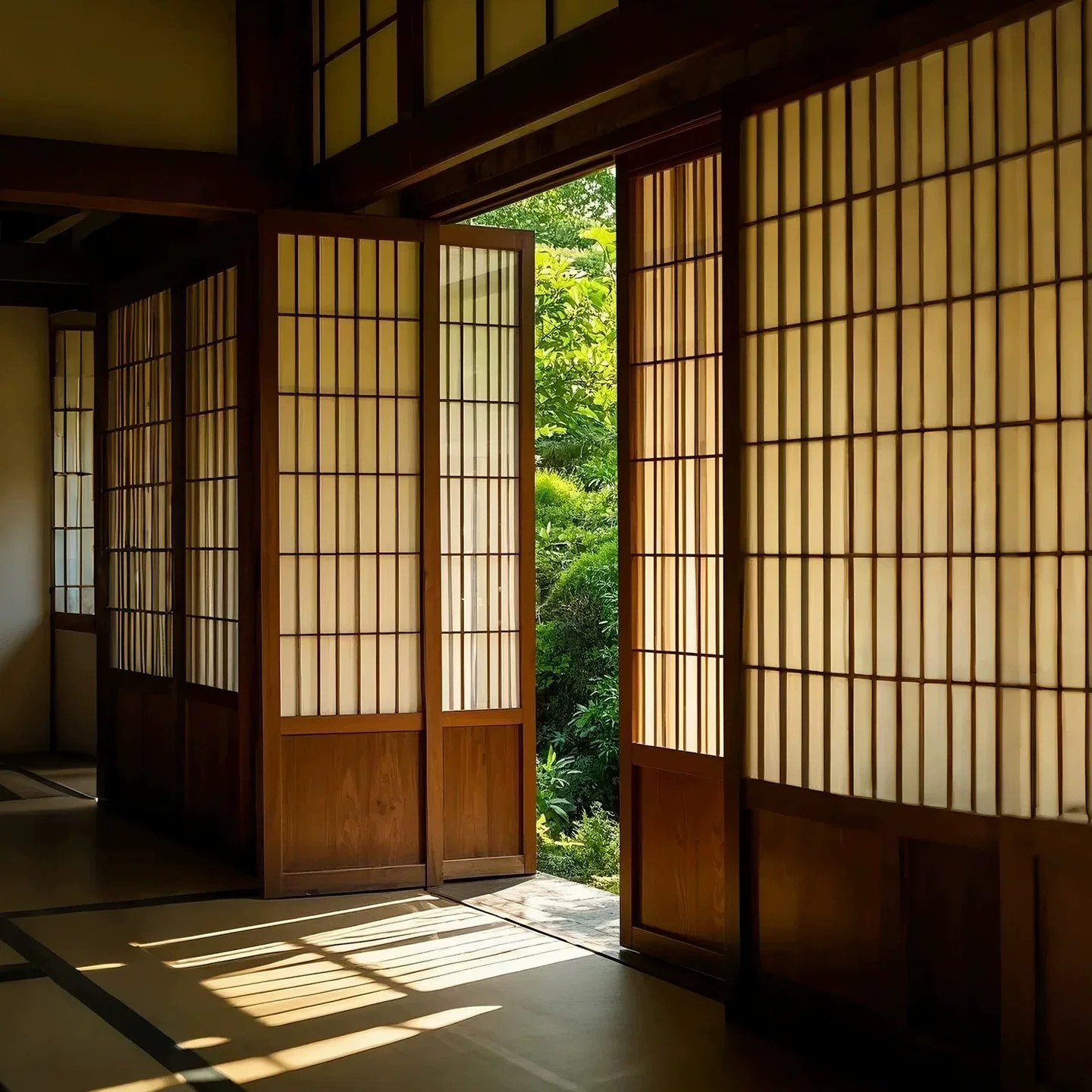
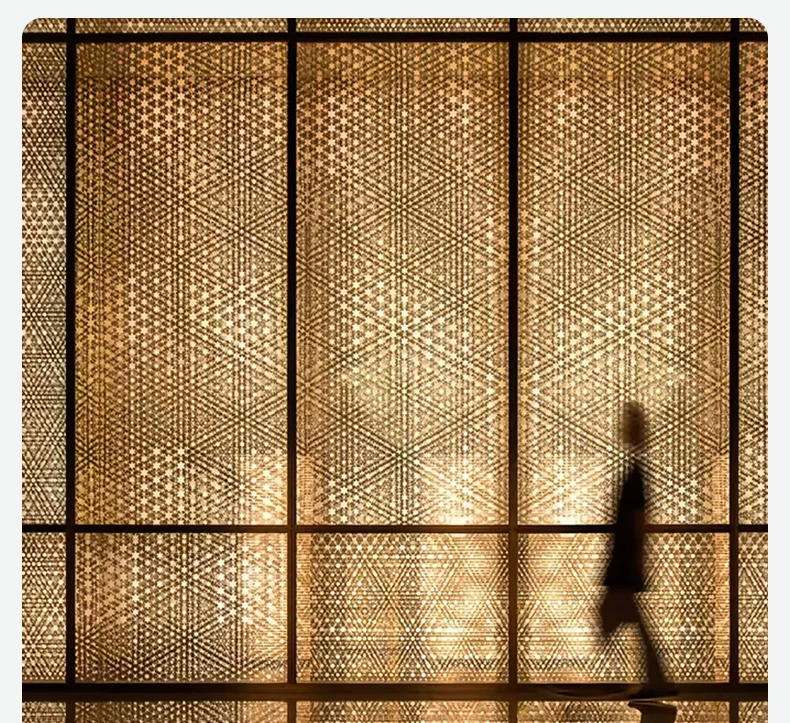
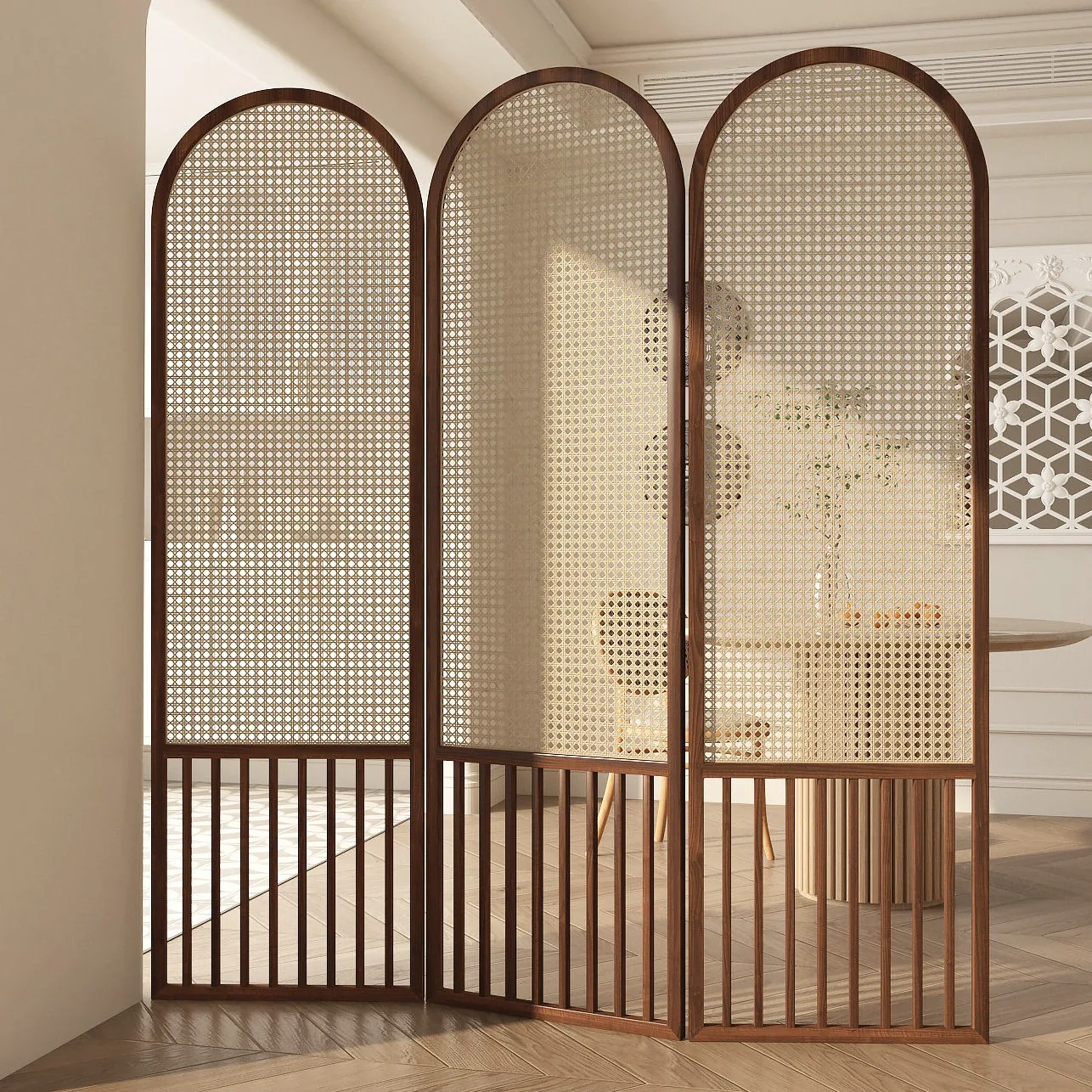
Unlike conventional drywall or opaque panel systems, bamboo partitions offer varying degrees of visual permeability. By manipulating the density, orientation, and thickness of the bamboo elements, designers can precisely calibrate the level of privacy and connectivity. This capability is crucial in hospitality design, where the atmosphere relies on a carefully curated balance of social interaction and personal retreat. The natural variations in bamboo also introduce texture and warmth, which are often lacking in commercial spaces dominated by glass, steel, and concrete.
For high-traffic commercial environments, material durability is non-negotiable. Bamboo, often misunderstood as a delicate material, possesses remarkable structural properties. Engineered bamboo products, manufactured through precise lamination or strand-weaving processes, exhibit dimensional stability and hardness comparable to, or exceeding, many traditional hardwoods. This resilience ensures that bamboo partitions can withstand the rigors of commercial use without compromising their aesthetic appeal.
Sustainability is no longer a peripheral consideration but a core requirement in modern architecture and development. Bamboo is a rapidly renewable resource, with some species growing up to three feet per day. Choosing bamboo partitions can significantly contribute to achieving green building certifications such as LEED or BREEAM. Understanding the source, manufacturing process, and finishes is essential for validating the environmental credentials of the specified product.
Consider the integration of custom-designed solutions. Explore Bambooforma’s custom design services to understand how tailored bamboo systems can meet unique project requirements and sustainability goals.
Acoustic comfort is a significant challenge in large, open-plan commercial spaces. While bamboo itself is a dense material, partitioned systems, particularly those incorporating porous backing or varied surface geometries, can contribute to sound diffusion. This is invaluable in environments like restaurants or open offices, where controlling reverberation improves communication and user experience. Furthermore, the innate thermal properties of bamboo contribute to a more comfortable and regulated indoor environment.
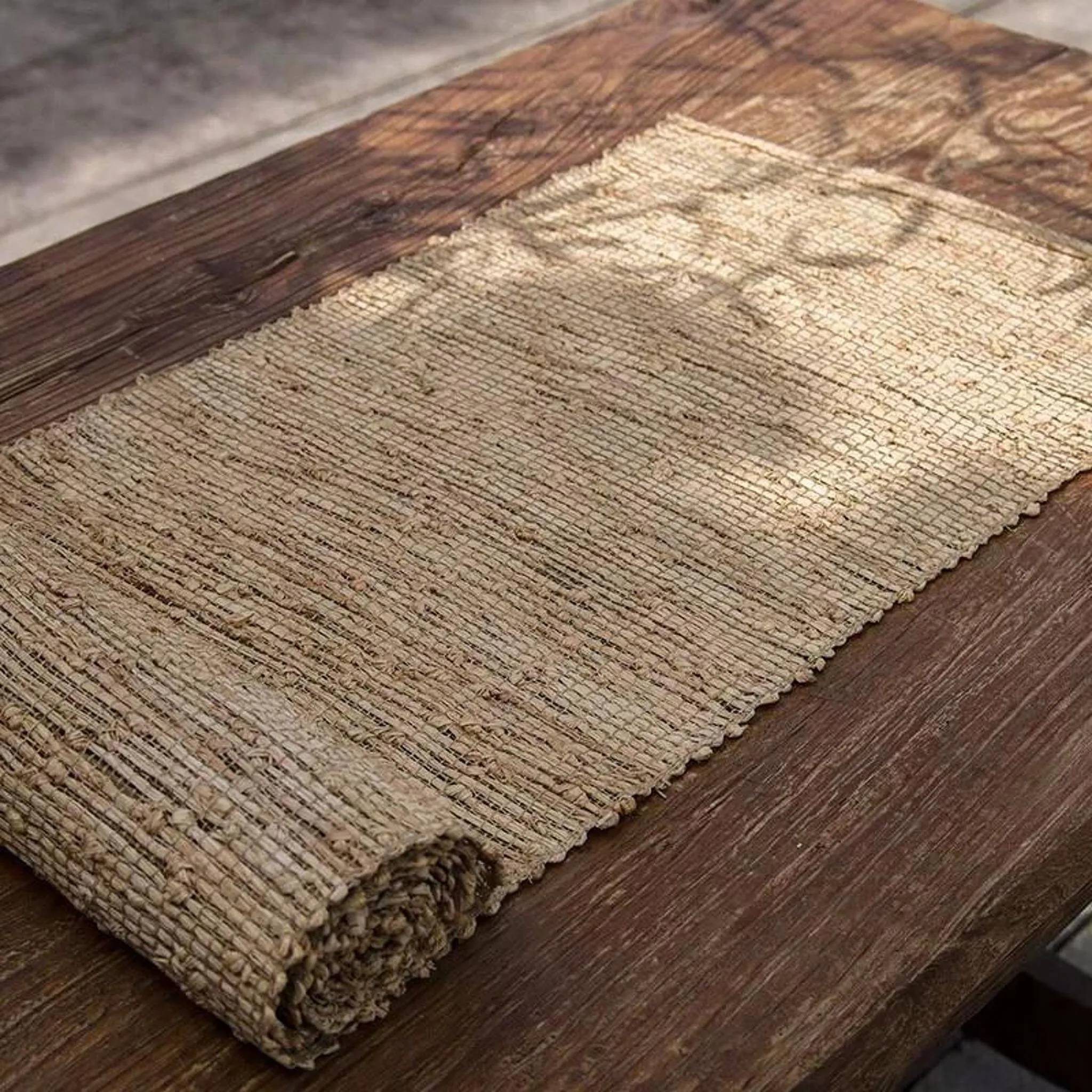
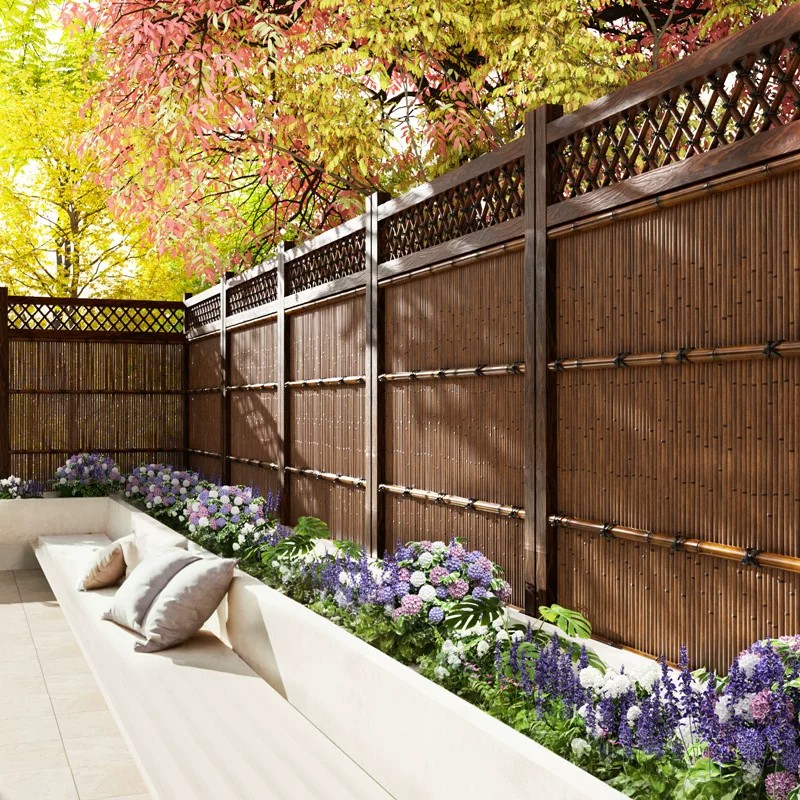
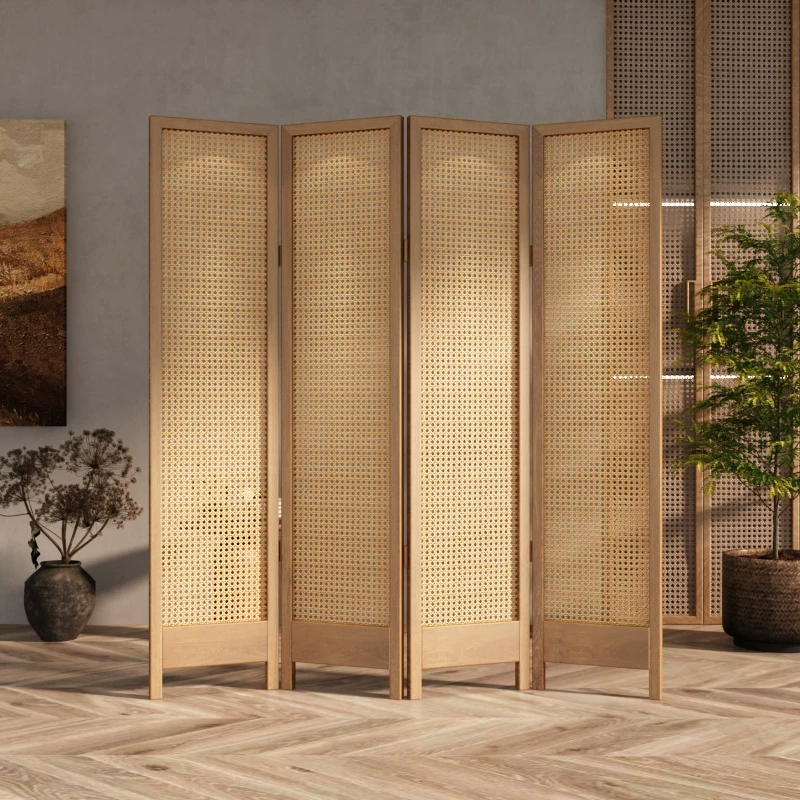
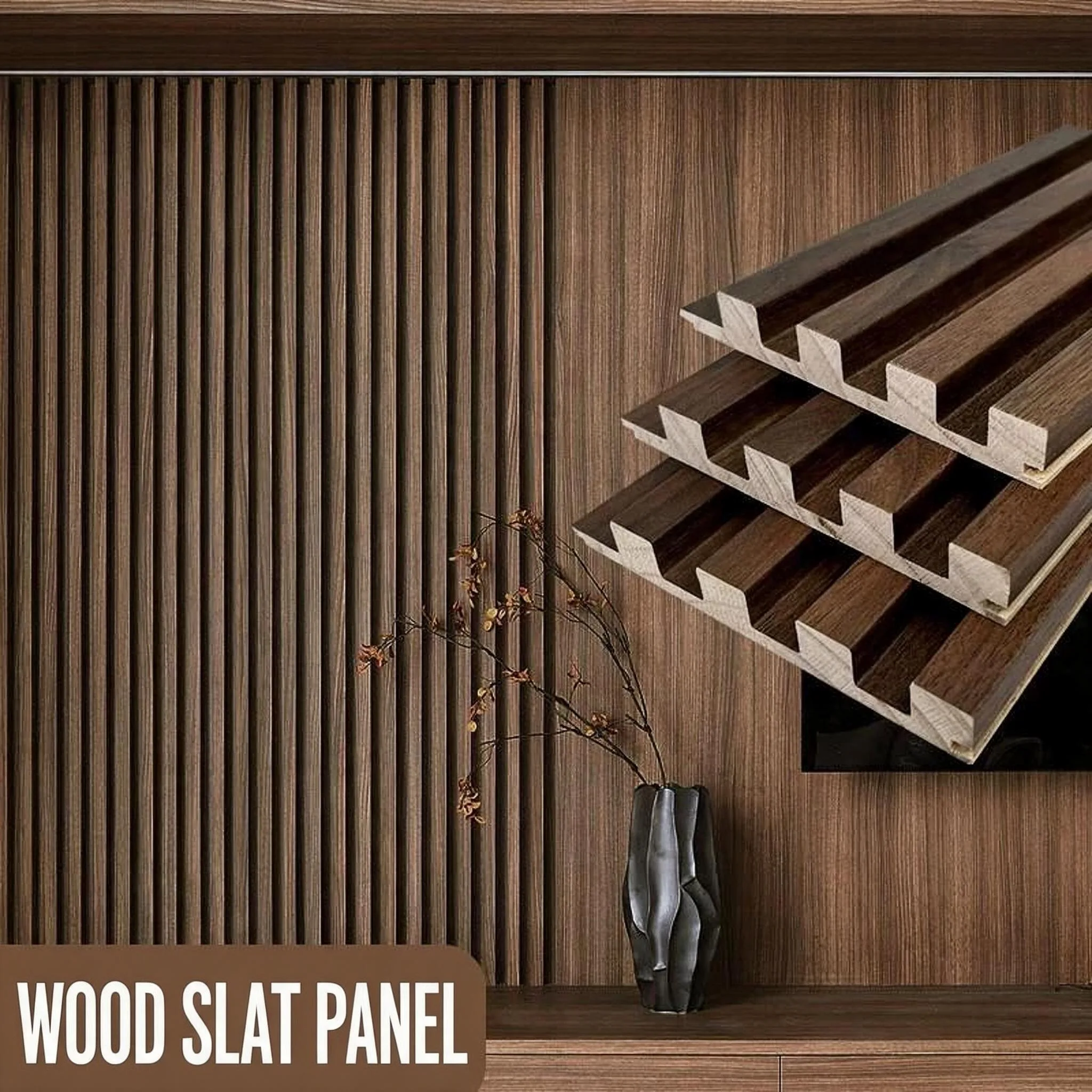
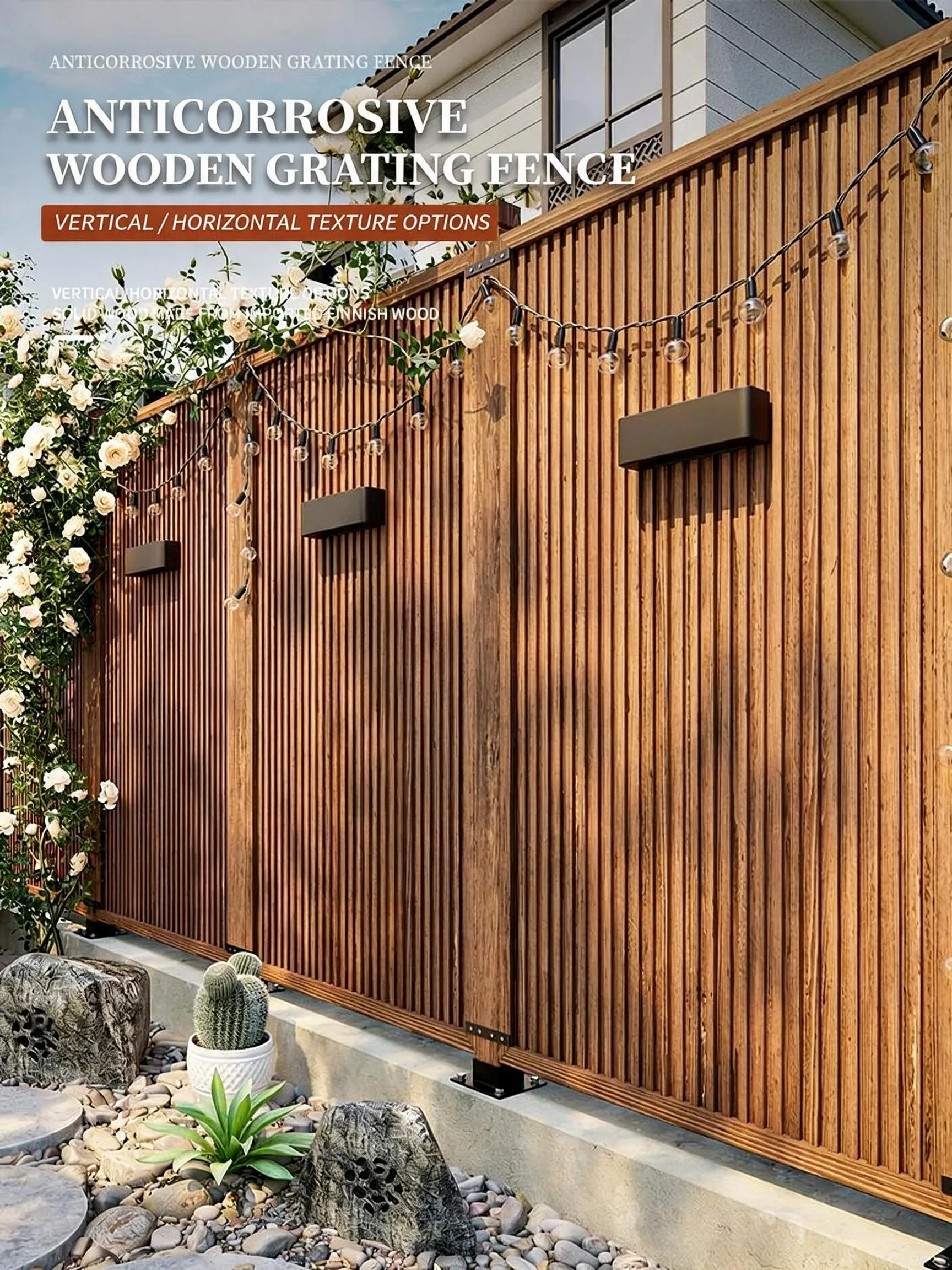
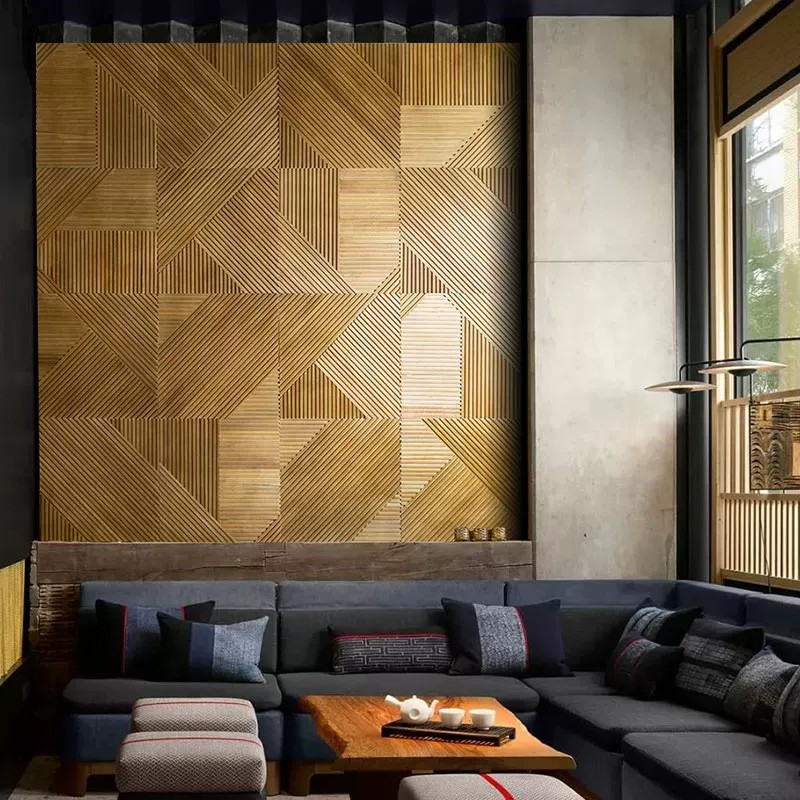
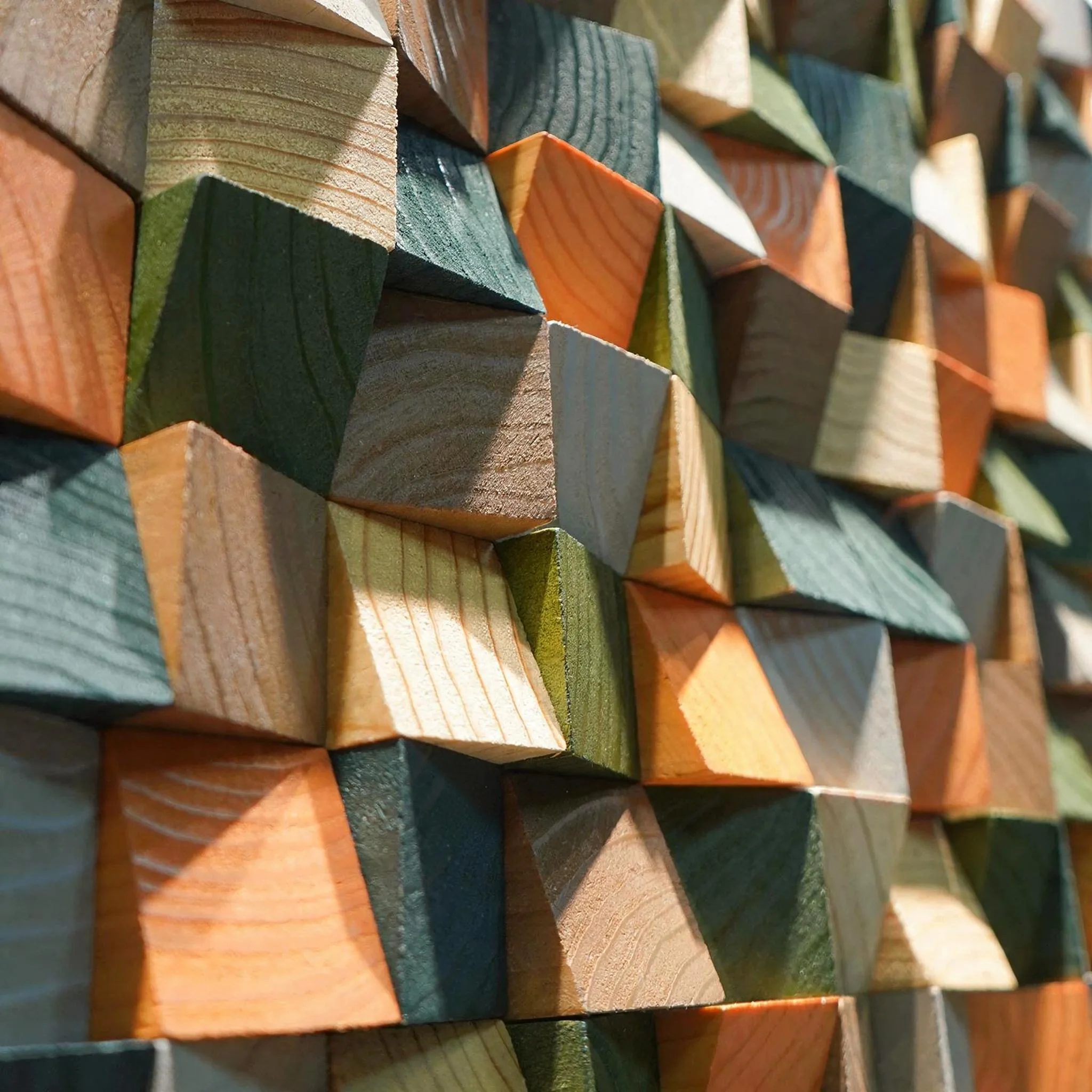
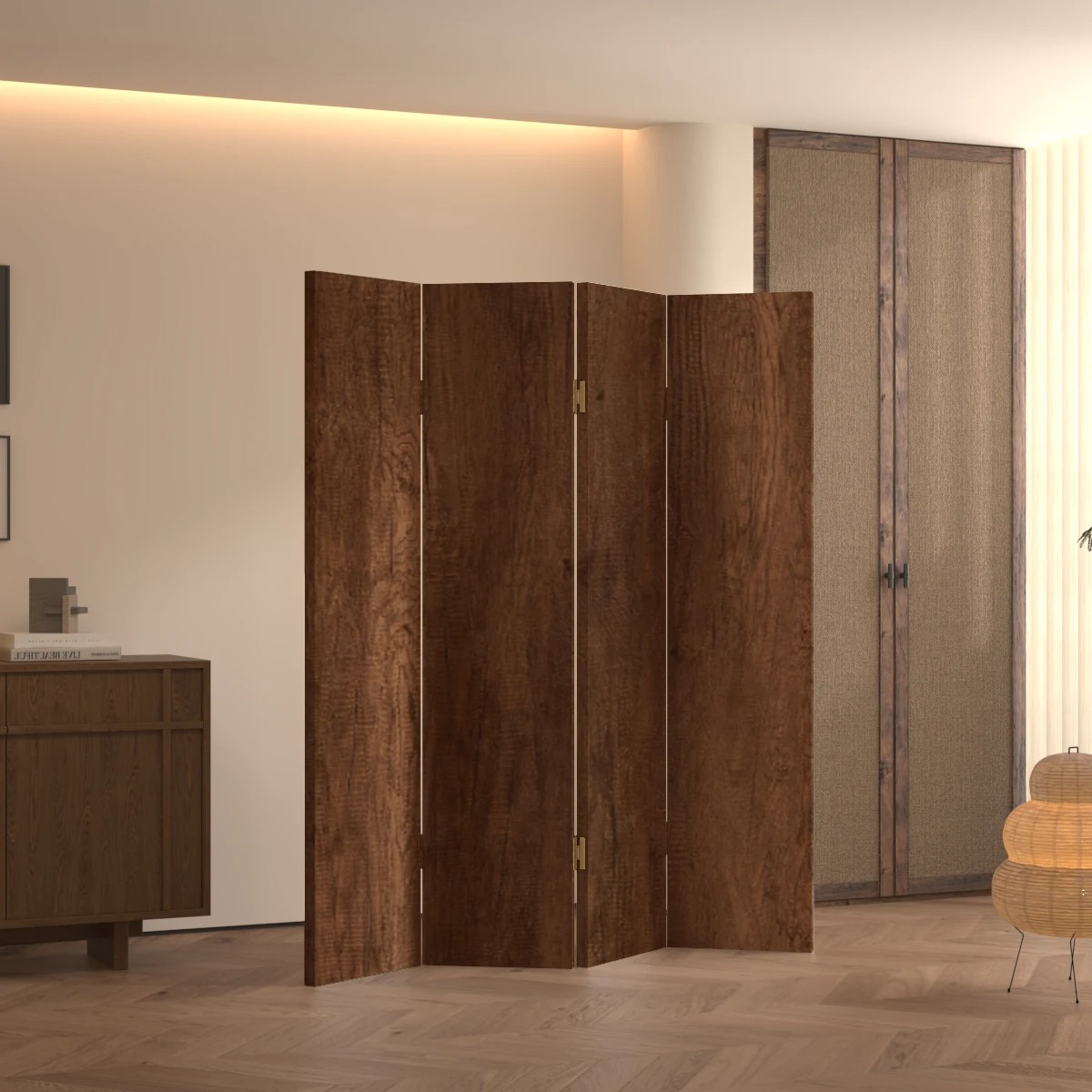
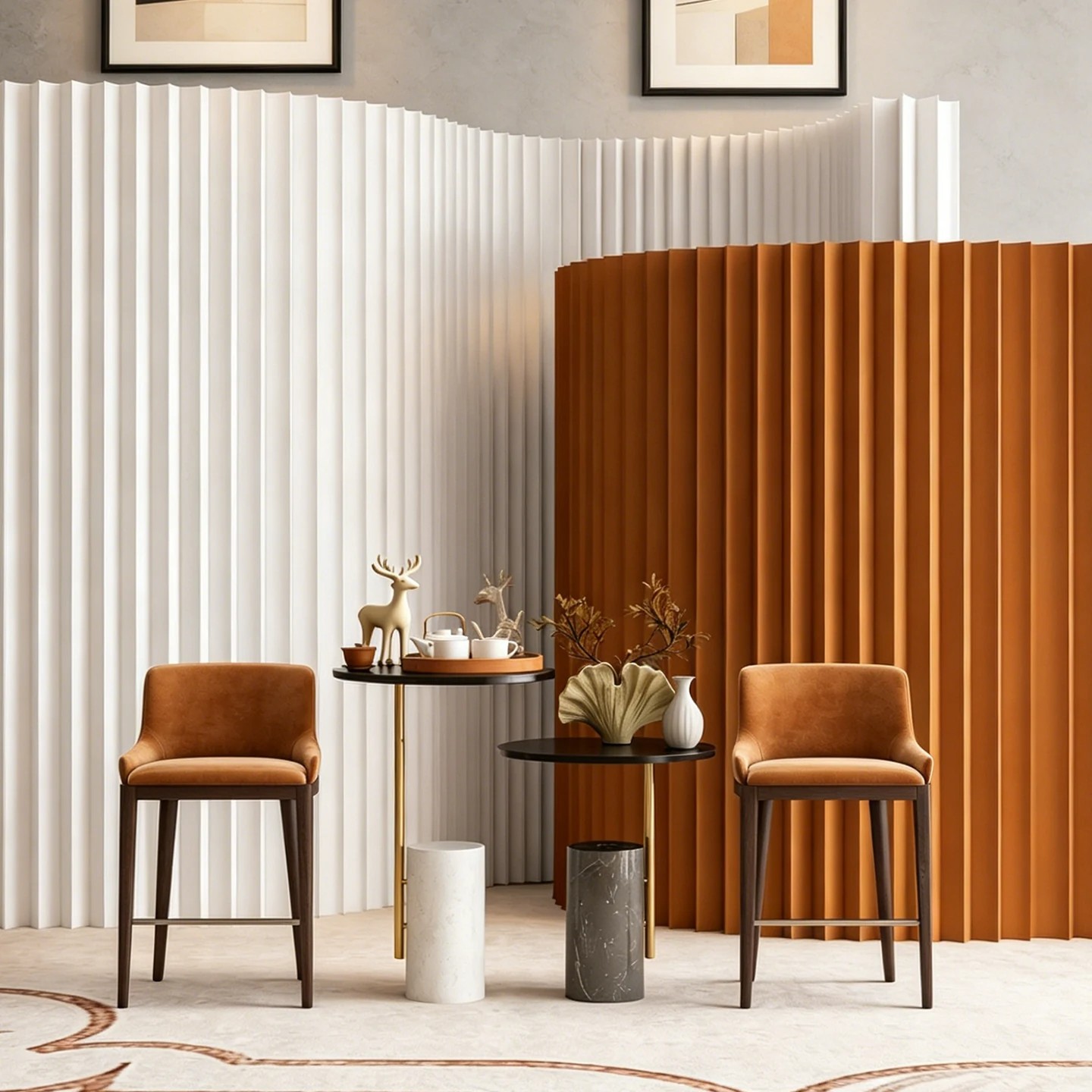
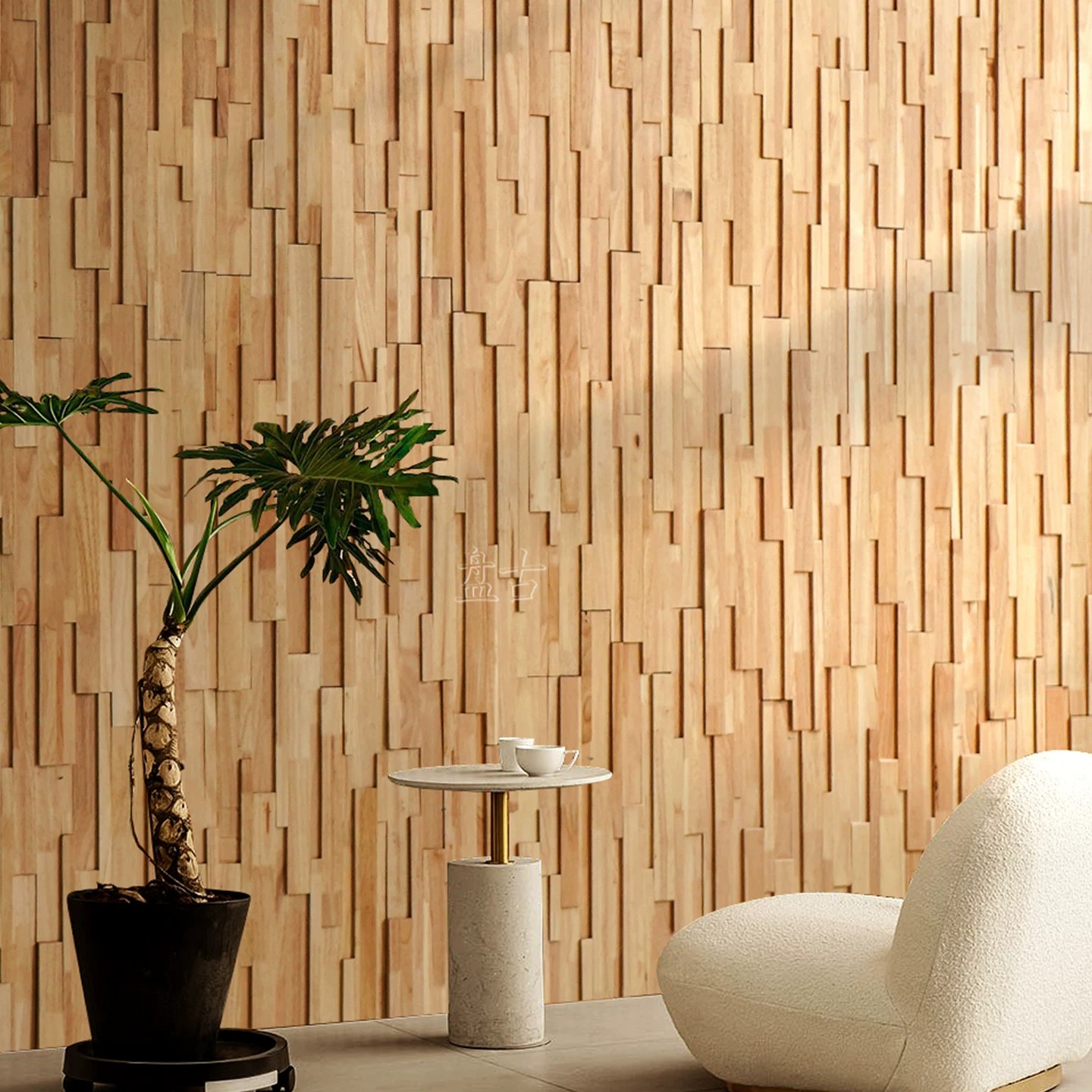
The inherent versatility of bamboo allows for a wide range of aesthetic expressions, from the clean lines of modern minimalism to the intricate textures inspired by Japandi architecture. Bamboo partitions can be specified in various formats:
For comprehensive options, architects can browse Bambooforma’s product range to identify standard systems or draw inspiration for bespoke creations.
For high-humidity applications, it’s crucial to select bamboo products that are specifically treated or engineered for enhanced moisture resistance. This includes specifying appropriate finishes and ensuring proper sealing, particularly at cut edges. Cross-laminated bamboo often provides better dimensional stability in fluctuating conditions.
Bamboo products can typically achieve the required fire ratings for commercial interiors through appropriate fire-retardant treatments applied during or after manufacturing. It is essential to work with manufacturers who provide verified testing data and certifications to ensure compliance with local building codes.
Regular maintenance involves routine cleaning with appropriate products to prevent dust buildup. Periodic re-application of protective finishes may be necessary depending on the level of wear and exposure. Specifying durable, high-quality finishes initially minimizes long-term maintenance requirements.
Integrating bamboo partitions into commercial interiors offers a strategic opportunity to optimize spatial design, enhance environmental comfort, and demonstrate a commitment to sustainable principles. The material’s unique combination of aesthetic warmth, structural performance, and environmental benefits makes it an invaluable asset for architects and designers creating sophisticated, adaptable spaces. Bambooforma stands ready to assist industry professionals in realizing their vision with premium, customizable bamboo architectural systems. Contact us to discuss your project specifications and explore how engineered bamboo can elevate your next commercial development.
52.89
52.99
219