






Modern Natural Material Architectural Systems in Hospitality Design
Explore how modern natural material architectural systems transform luxury hospitality design, enhancing guest experience and sustainability.
Integrating natural materials into high-traffic commercial environments presents unique challenges for architects and designers. In the hospitality sector, where guest safety is paramount, selecting materials like bamboo requires not only design vision but also a rigorous understanding of compliance and safety standards. Among the most critical technical considerations for any indoor system is the fire rating.
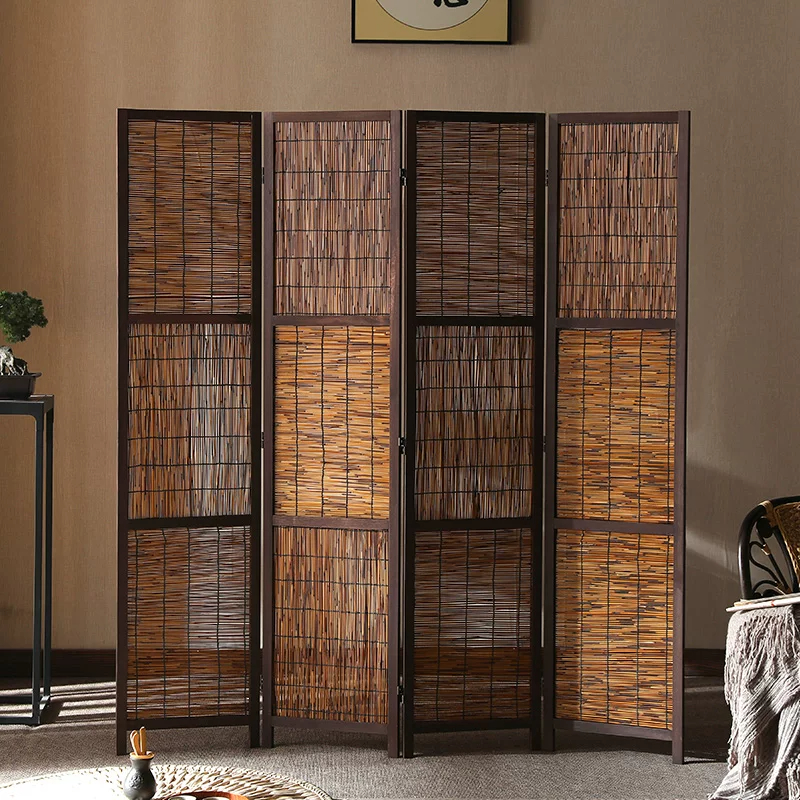
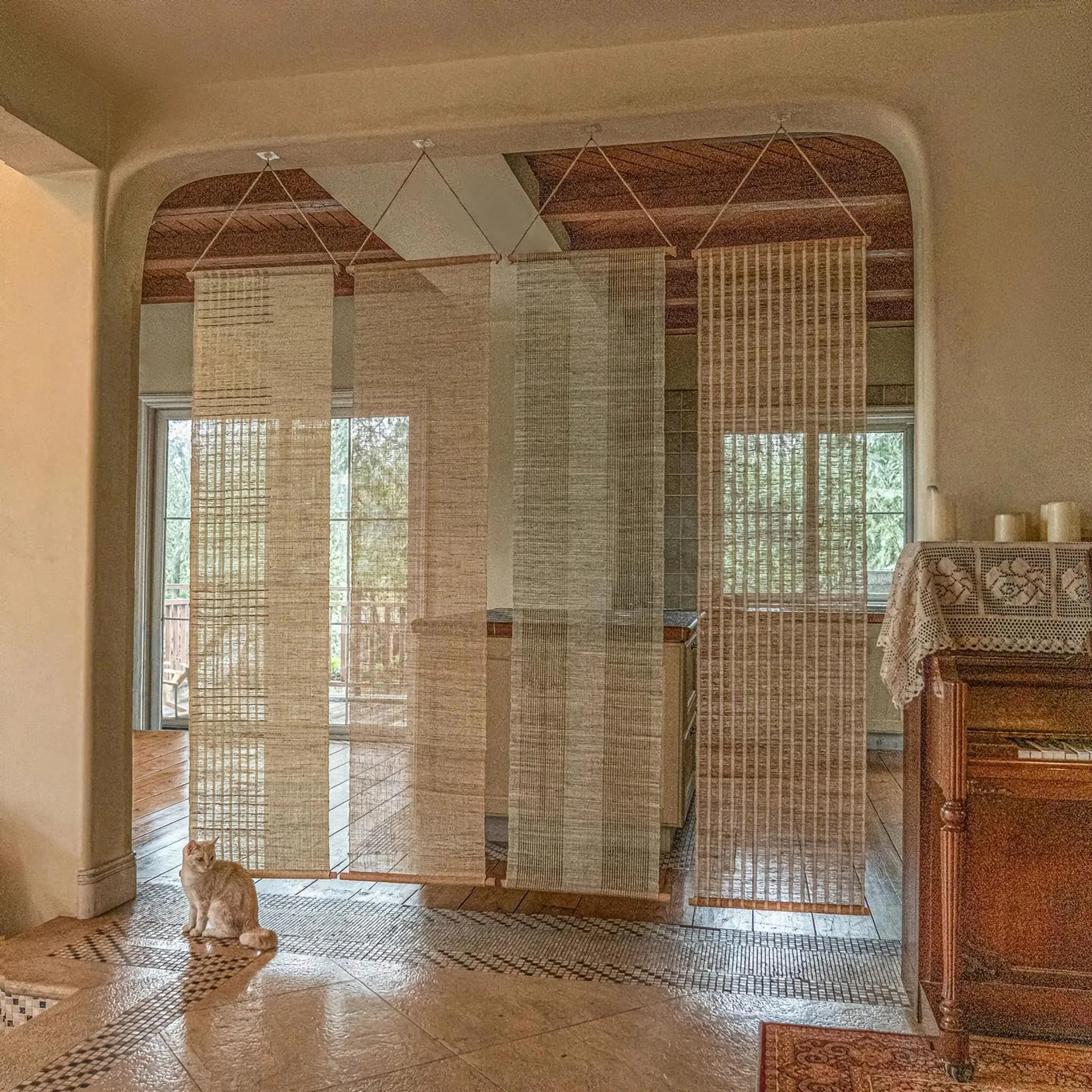
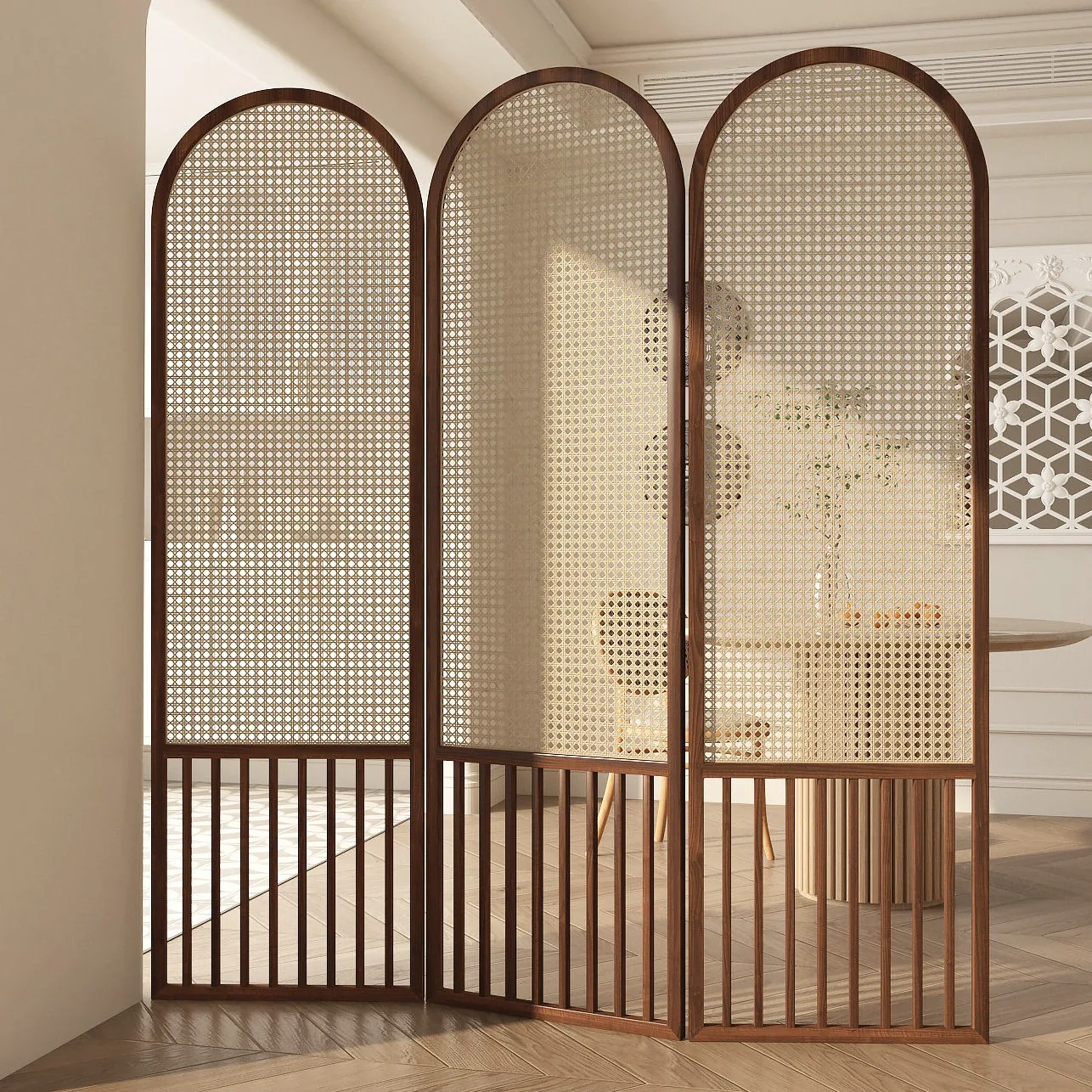
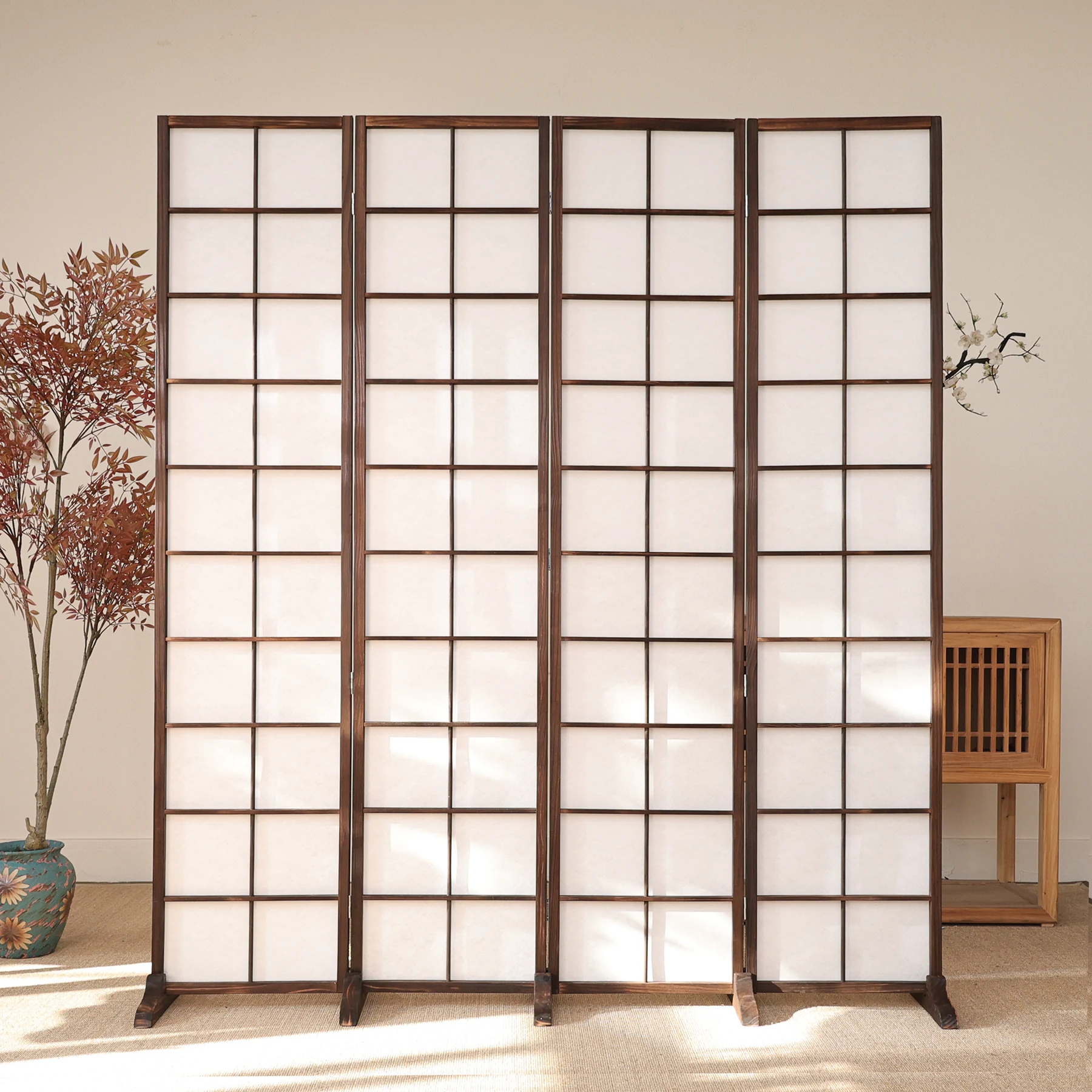
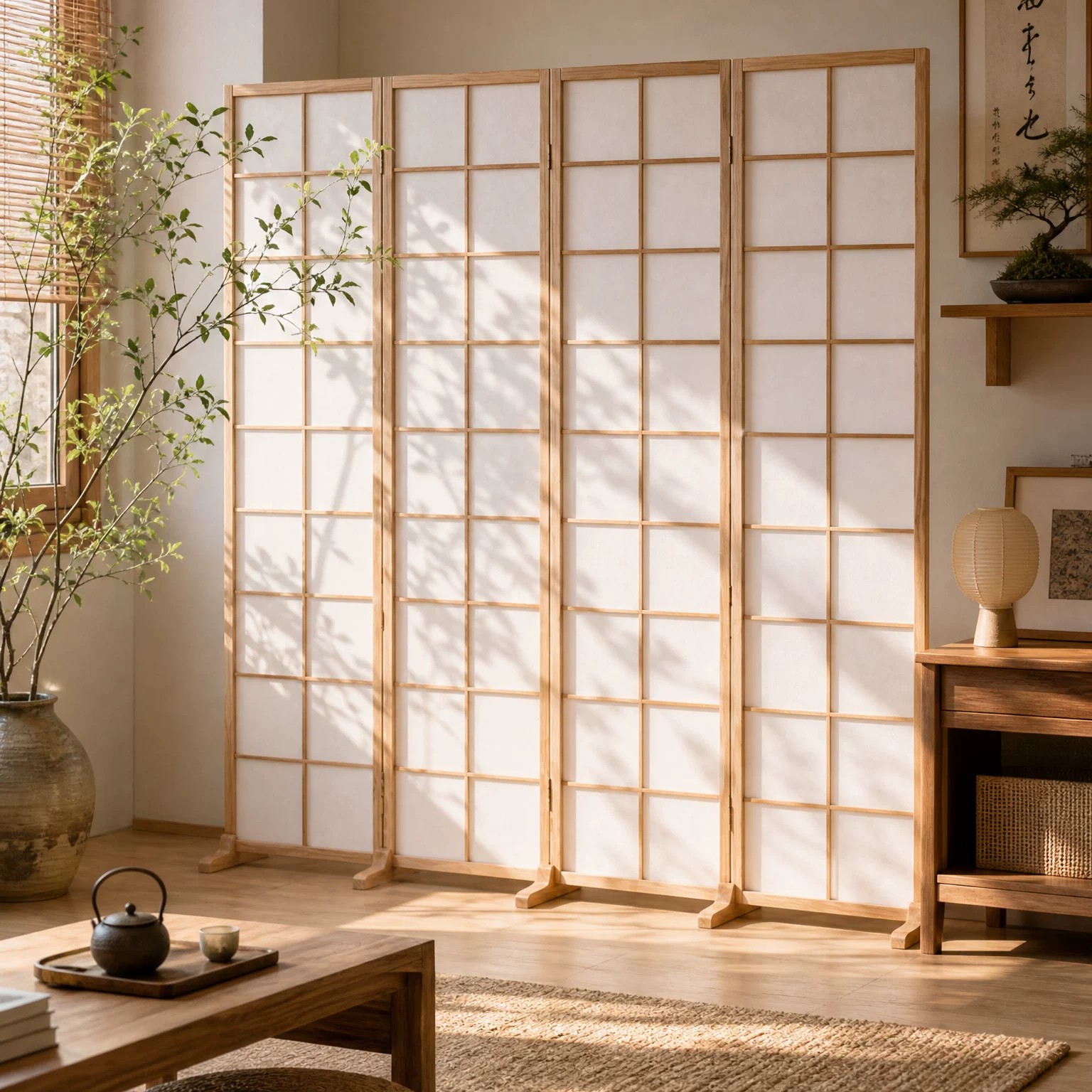
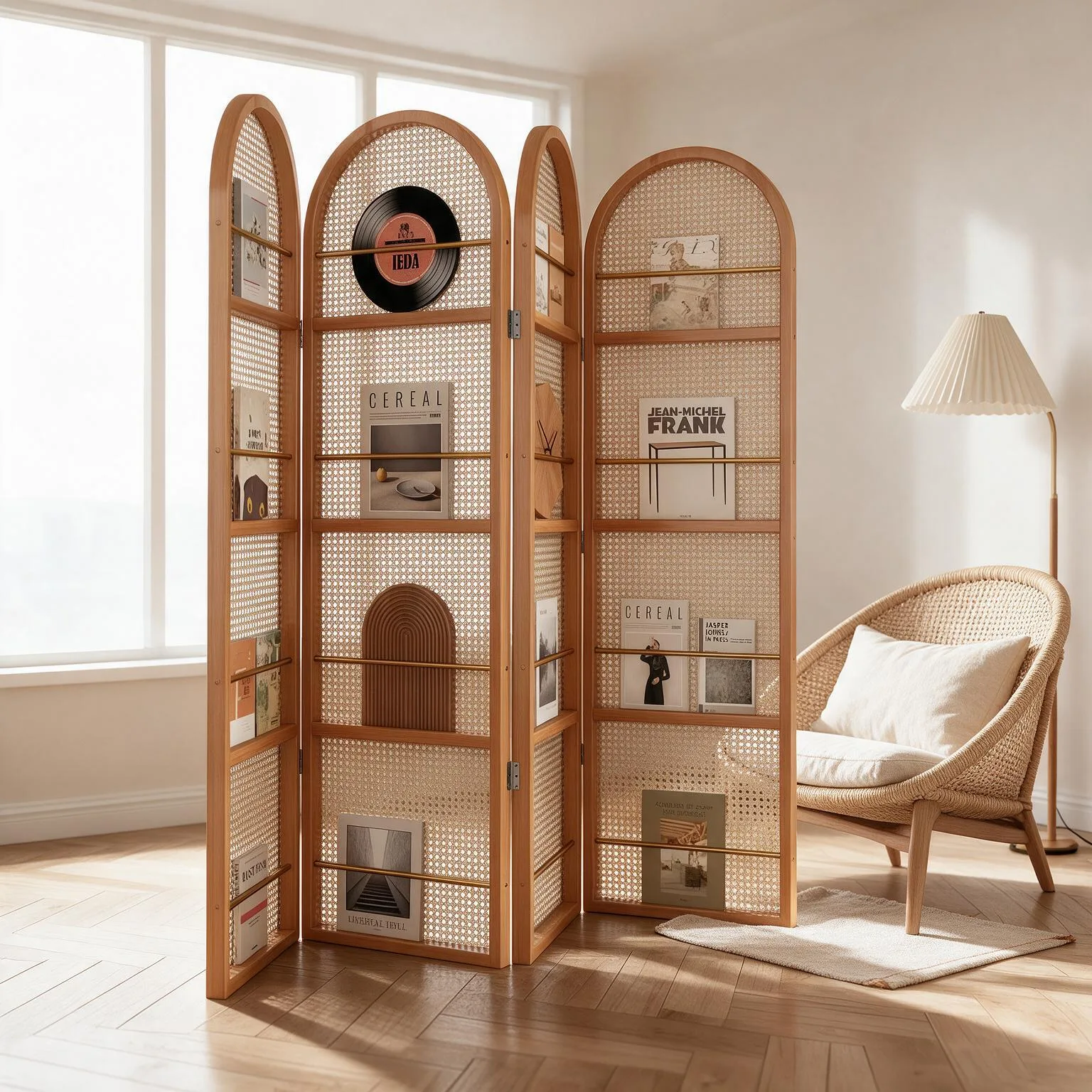
Bamboo partitions, screens, and wall systems are increasingly sought after for their warm, sustainable aesthetic, particularly in Japandi or nature-inspired hospitality designs. However, as an organic material, bamboo is naturally flammable. Therefore, applying the correct fire treatment and specifying the appropriate fire rating is essential for legal compliance and, more importantly, for ensure the safety of hotel and restaurant occupants. This article explores the technical landscape of bamboo partition fire ratings, providing crucial insights for architectural specifications in hospitality projects.
Hospitality venues like hotels and resorts are subject to some of the strictest building codes globally. These codes govern everything from structural integrity to interior finish materials. The primary goal of these regulations regarding interior finishes is to control the spread of fire and smoke, providing occupants with sufficient time to evacuate.
Fire ratings for interior finish materials generally measure two key characteristics: the material’s surface burning behavior (flame spread) and the amount of smoke it generates when exposed to fire. For architects, understanding these metrics is not optional. Specifying a non-compliant material can lead to costly delays, project rejection by building inspectors, and significant liability issues. When integrating architectural bamboo systems, ensure that the materials meet the required fire class for the specific area of application within the hospitality project.
While specific standards can vary by region (such as ASTM in North America, EN standards in Europe, or various national standards in Asia), most developed building codes categorize materials based on their fire performance. Understanding these common classifications helps in navigating global projects.
Untreated bamboo is not suitable for most interior applications in high-standard hospitality projects due to its inherent flammability. To achieve Class A or other required fire ratings, bamboo must undergo specialized fire-retardant treatment during or after manufacturing. Bambooforma ensures that our specialized natural material systems are properly specified and treated to meet these rigorous standards.
It is crucial for architects to specify factory-applied, permanent fire-retardant treatments wherever possible to ensure consistent performance and simplified maintenance. This is especially relevant when considering custom architectural designs, where the complexity of the installation might make post-installation treatment difficult or ineffective.
When specifying bamboo partitions for a hotel or resort, proactive planning is essential. Follow these professional recommendations to ensure both design excellence and safety compliance.
Before initiating design, understand the specific fire safety requirements for interior finishes in the project’s location. Regulations vary significantly. A Class B rating acceptable in one jurisdiction might be insufficient for the same application in another.
Never rely solely on a manufacturer’s claims. Always demand certified, independent laboratory test reports for the specific bamboo product and fire-retardant treatment being considered. This documentation should verify compliance with the relevant standard (e.g., ASTM E84, EN 13501-1) for the intended application.
Different areas within a hospitality property have varying fire safety requirements. A decorative screen in a restaurant’s main dining area may have different rating needs than a floor-to-ceiling partition in a hotel lobby or a wall cladding system in a guest room corridor. Work with code consultants to ensure correct specifications for each application.
Ensure that the specified fire-retardant treatment is appropriate for the environmental conditions. Some treatments are only suitable for dry interior environments, while others may be rated for high humidity or exterior use. Selecting the wrong treatment can lead to chemical leaching or reduced effectiveness over time.
As experts in the field, we frequently address technical questions from architects and designers. Here are a few common inquiries regarding fire safety in bamboo architectural systems:
No, natural, untreated bamboo is combustible. It has a natural flame spread similar to many untreated woods. For most commercial hospitality applications, it must receive appropriate fire-retardant treatment to achieve the necessary fire ratings.
Yes, through advanced factory treatments like pressure impregnation, specified bamboo systems can achieve Class A flame spread and smoke developed indices. It is critical to select the right product and treatment for the application and verify with certified test results.
Architects should demand current, certified, third-party laboratory test reports that verify the fire performance of the specific bamboo material and treatment against the relevant local standards (e.g., ASTM E84, EN 13501-1).
Modern fire-retardant treatments, especially pressure impregnation, are designed to have minimal impact on the visual quality of bamboo. While some minor color shifts may occur depending on the treatment and species, the natural aesthetic remains substantially unchanged. Sample verification is always recommended.
Integrating bamboo architectural systems into hospitality design is an excellent way to balance luxury, natural aesthetics, and sustainability. However, ensure that safety is never compromised. Navigating fire ratings requires diligent attention to technical specifications and certified test documentation. By proactively planning for fire-retardant treatments and verifying compliance, architects and designers can successfully realize their vision with beautiful, safe, and durable bamboo partitions. Contact Bambooforma for professional consultation and custom solutions for your hospitality project, ensuring your designs meet the highest standards of safety and sophistication.
52.89
52.99
219