

Modern Natural Material Architectural Systems in Hospitality Design
Explore how modern natural material architectural systems transform luxury hospitality design, enhancing guest experience and sustainability.
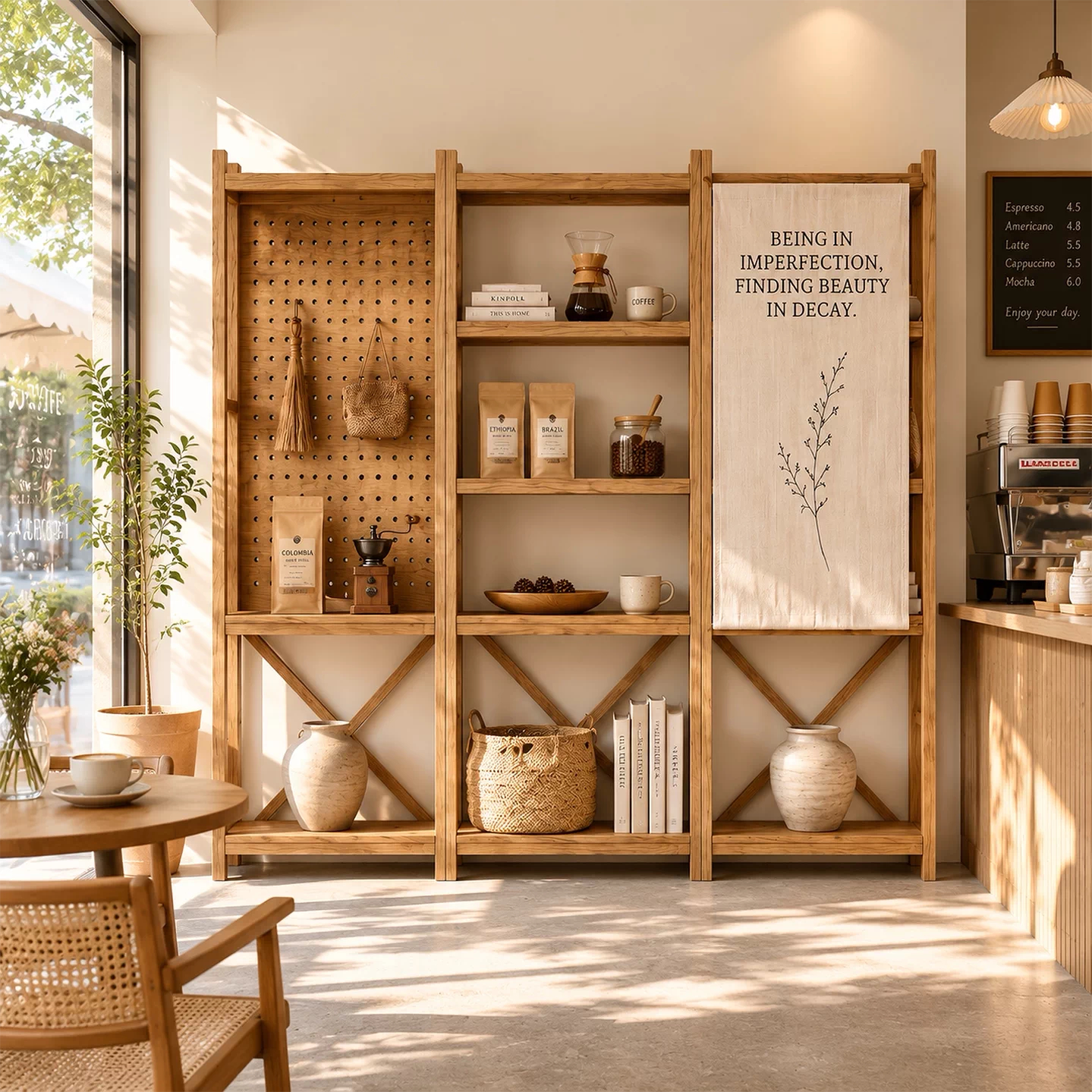
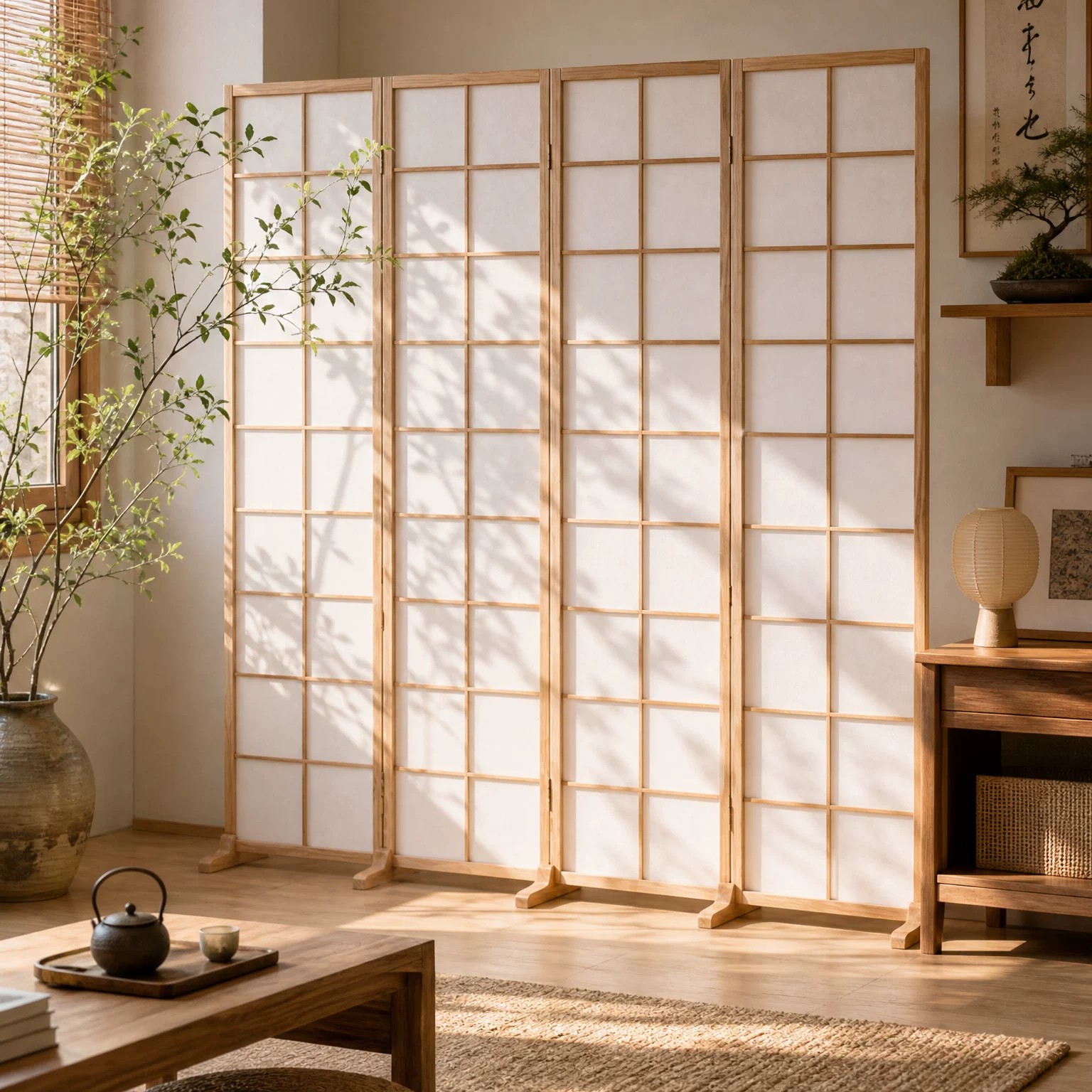
Optimizing the utilization of common areas is a critical challenge in modern luxury hospitality design. Hotel lobbies, lounges, restaurants, and co-working spaces must balance aesthetic appeal with functional zoning, privacy, and operational efficiency. The integration of sustainable architectural elements, such as bamboo partition systems, offers a versatile and sophisticated solution for addressing these multifaceted requirements without compromising the design intent of the architectural vision.
As the industry shifts towards natural materials and biophilic principles, architects and designers are increasingly leveraging the inherent strength, aesthetic warmth, and environmental benefits of bamboo. These engineered systems provide an alternative to traditional drywall constructions, enabling flexible spatial configurations that can adapt to the evolving needs of both guests and hotel operations.
Common areas often serve multiple functions throughout the day. A morning breakfast area might transition into a lounge in the afternoon and a social venue in the evening. Creating designated zones within a large, open floor plan without resorting to permanent, opaque walls is essential for maintaining a sense of openness and light.
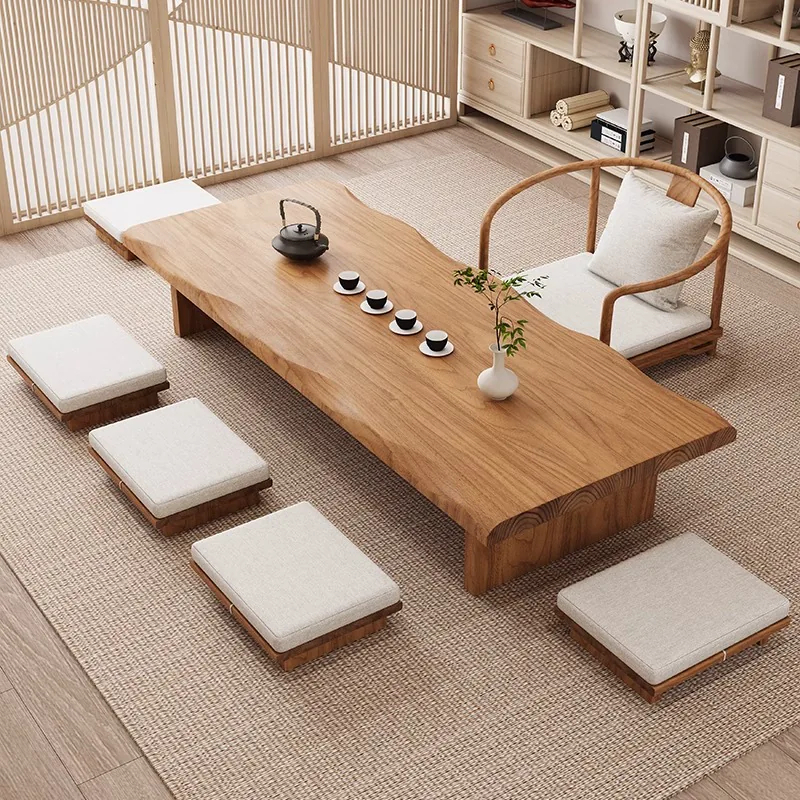
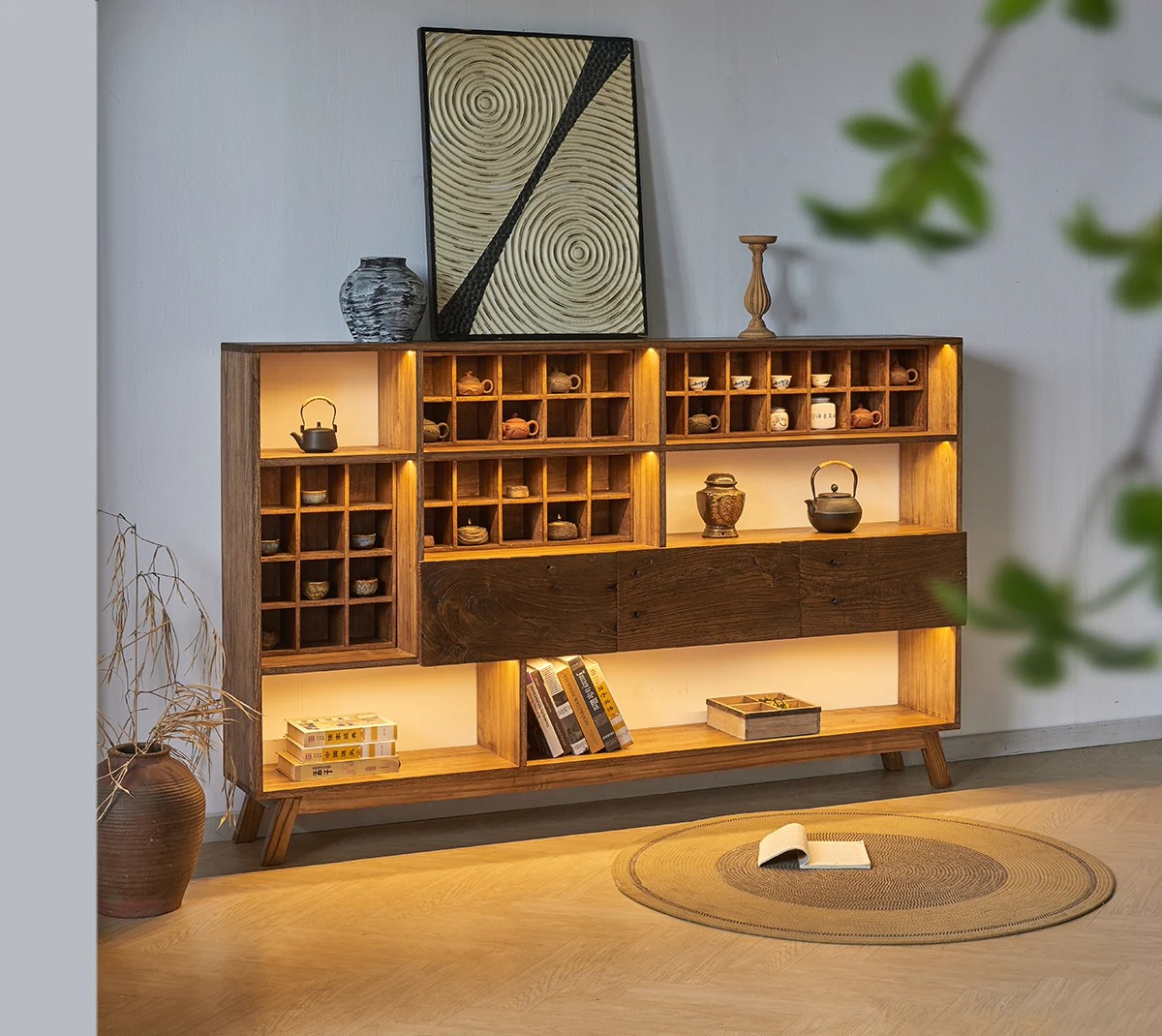
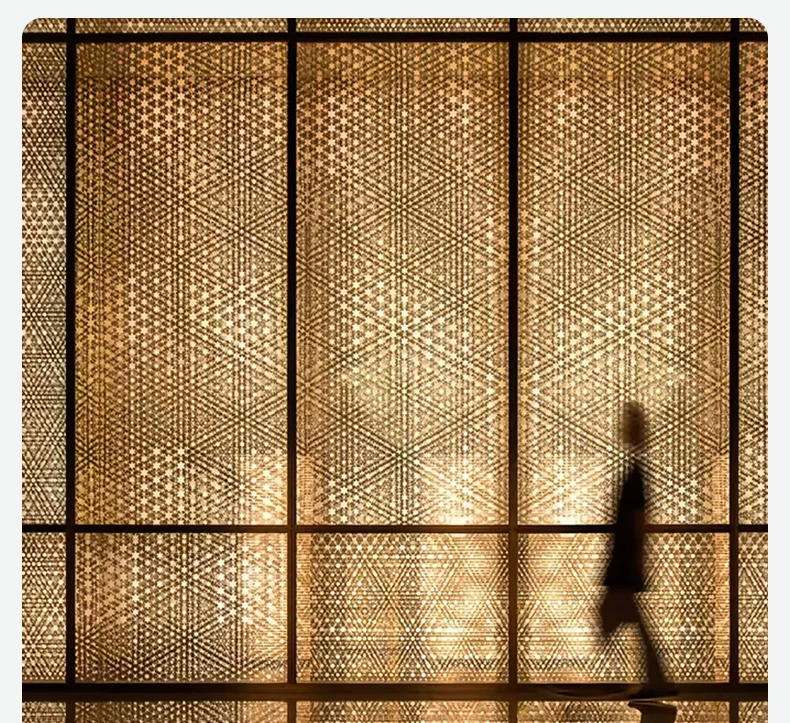
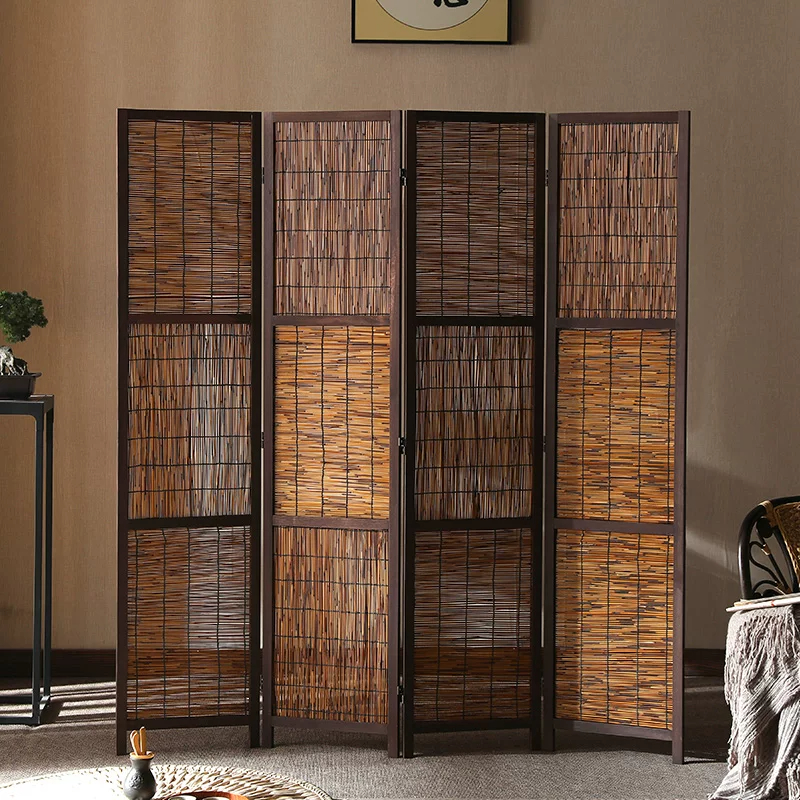
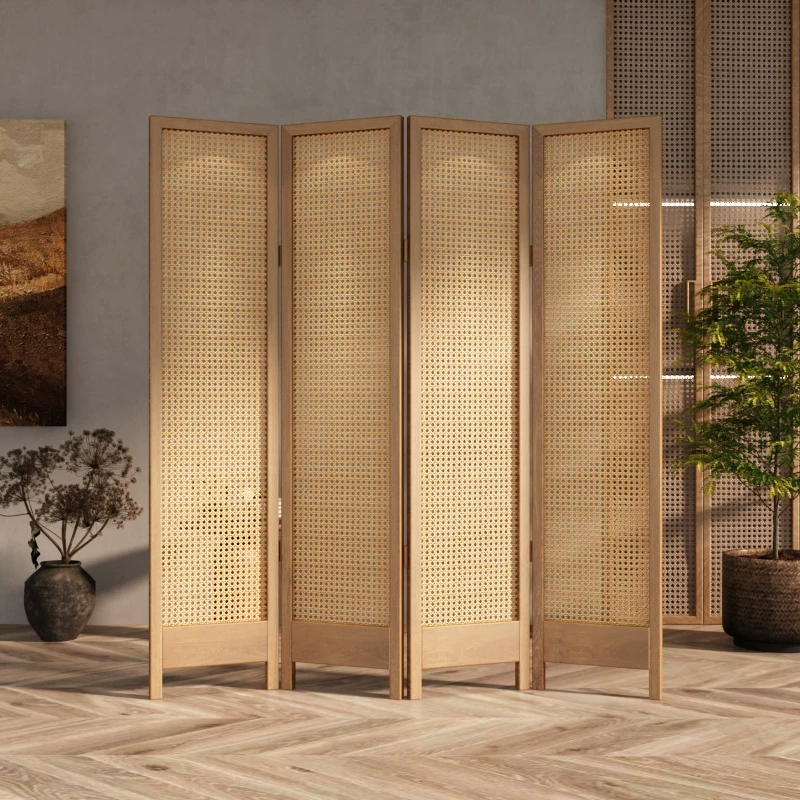
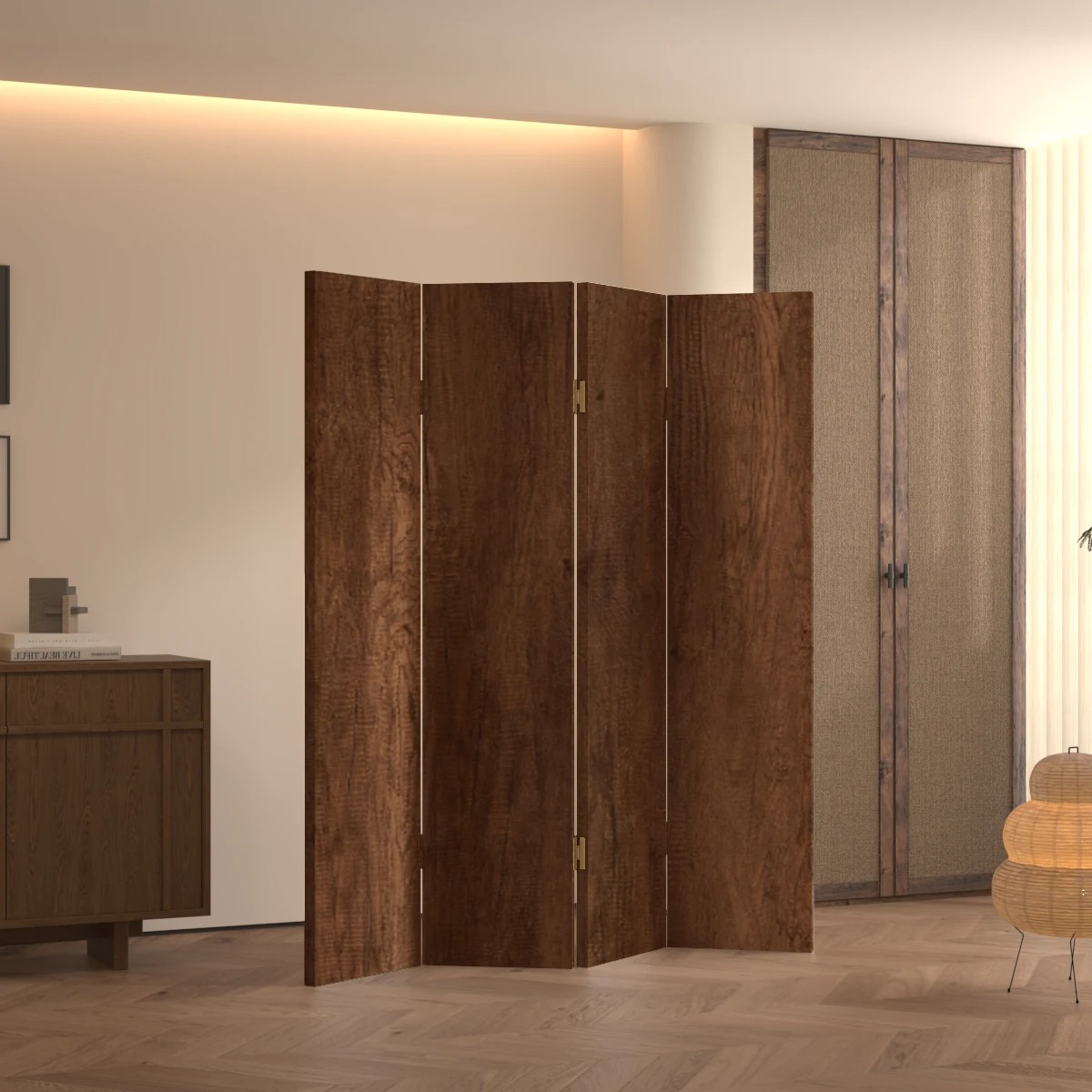
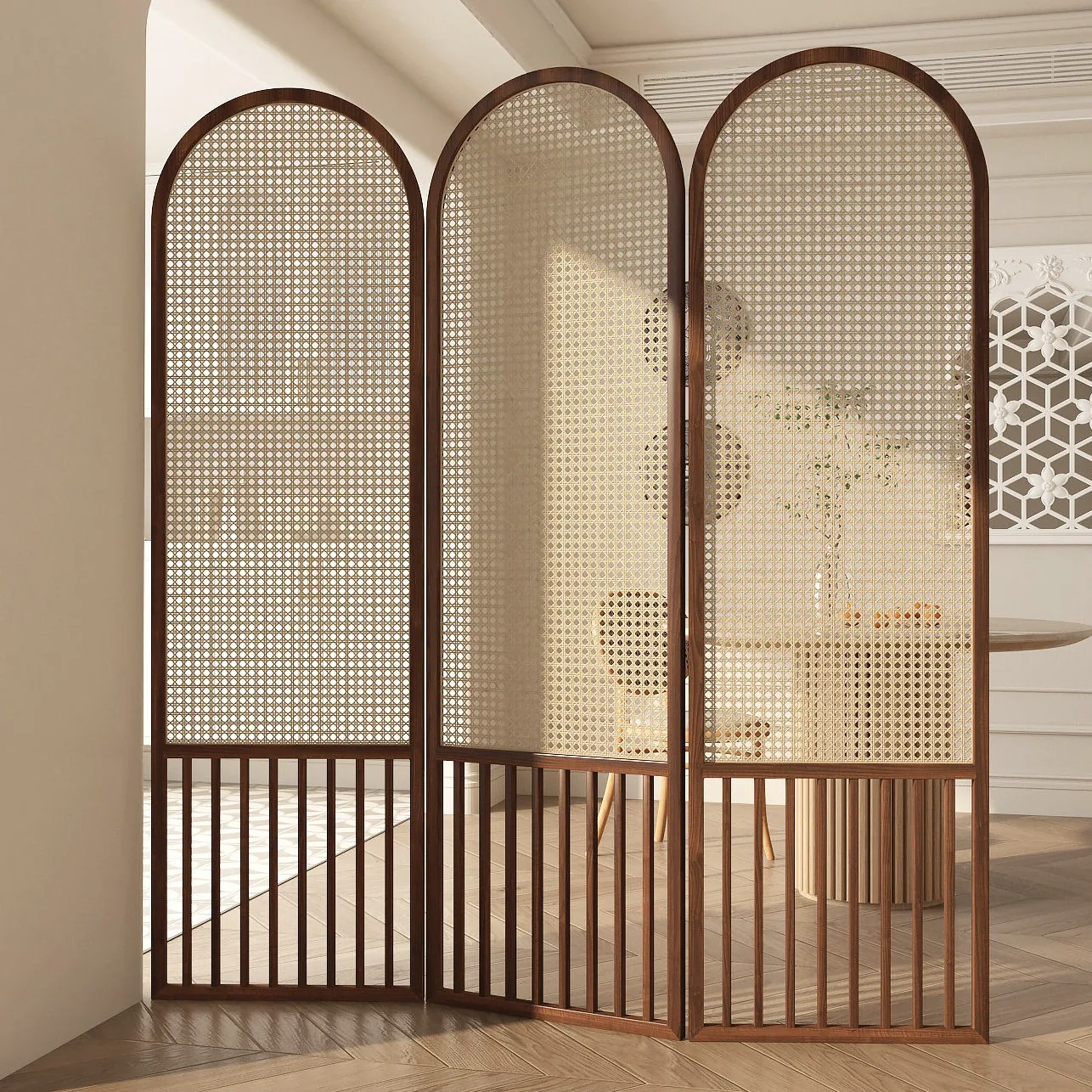
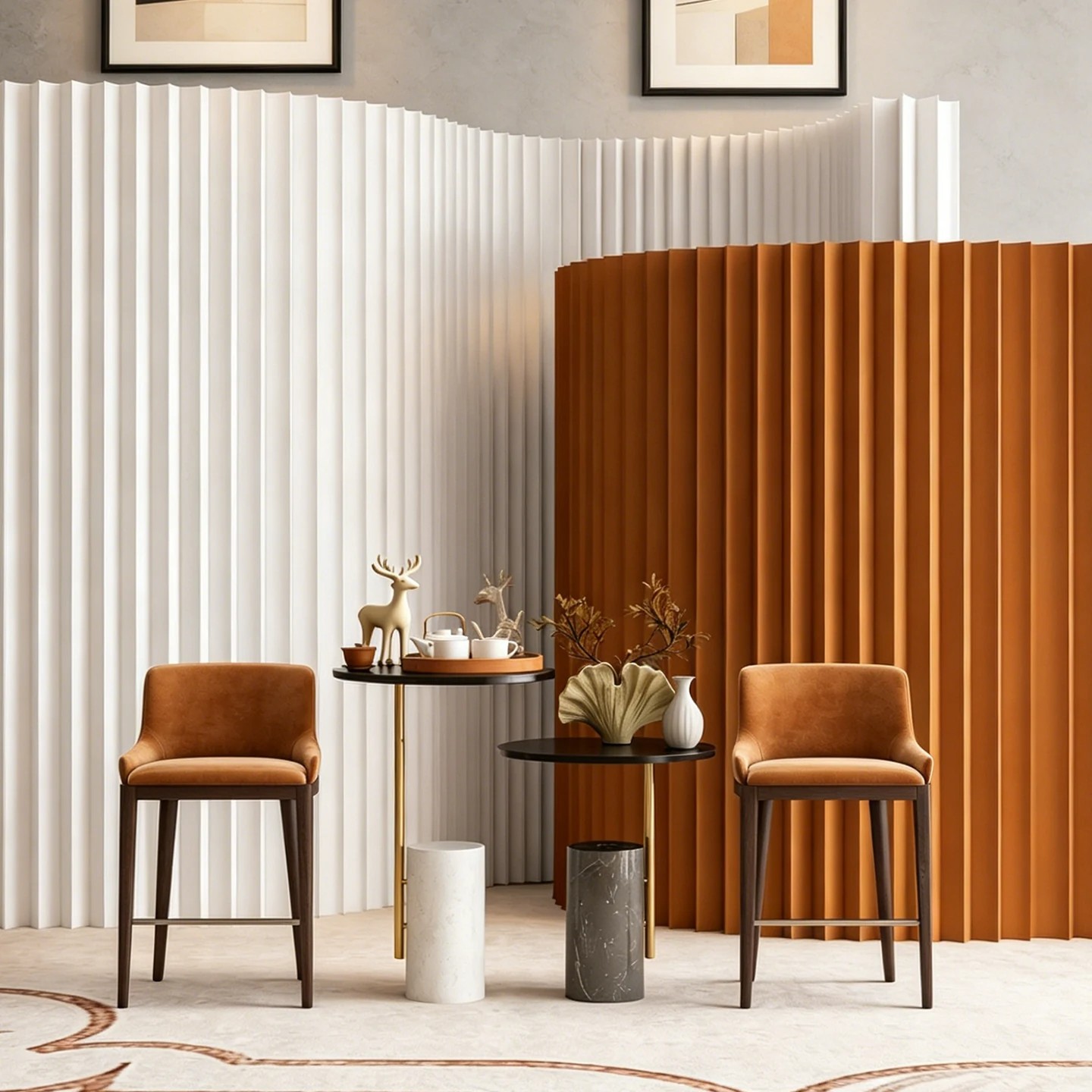
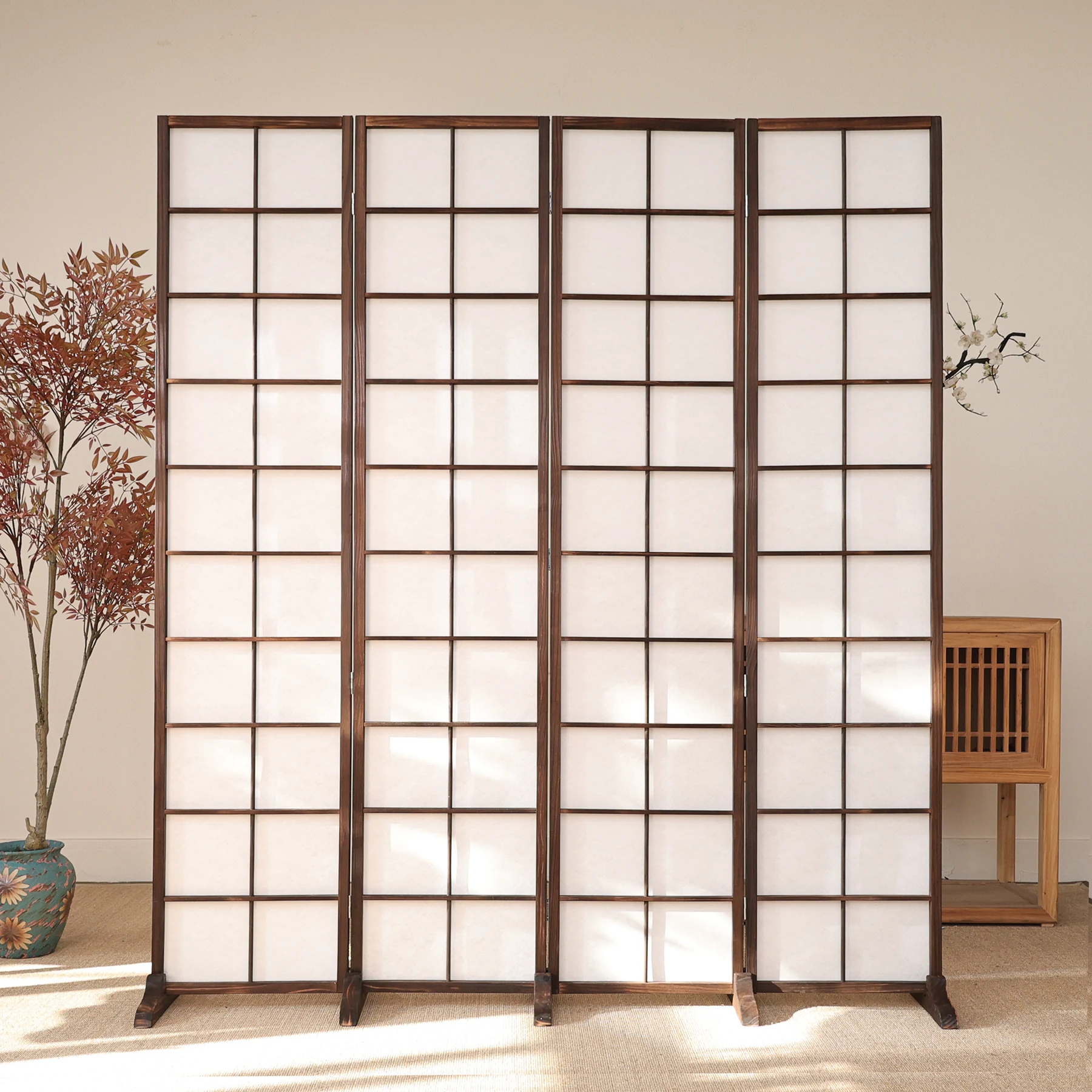
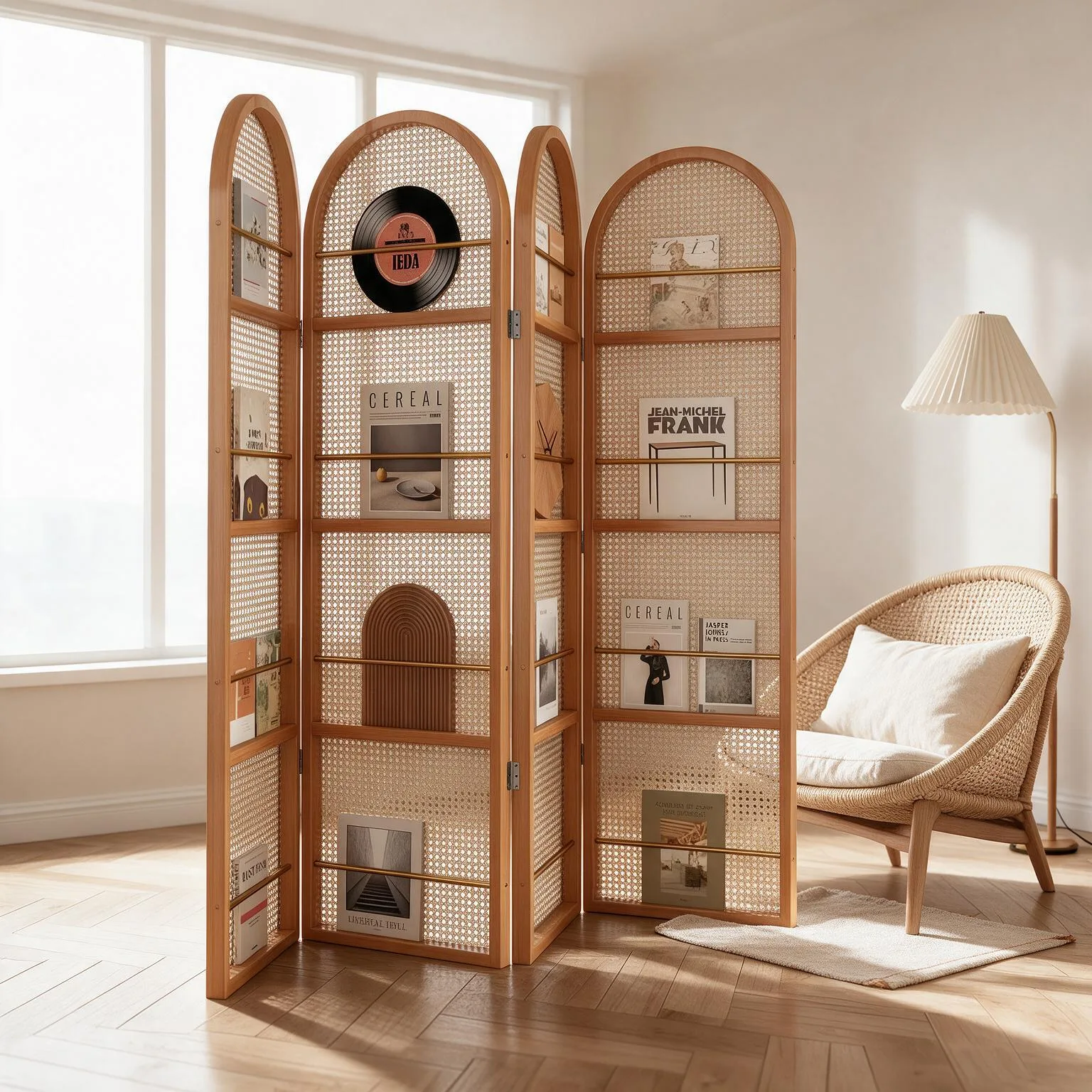
Bamboo partition systems are excellent tools for defining specific areas without disrupting the overall architectural flow. In a large hotel lobby, these systems can delineate distinct zones for check-in, concierge services, casual seating, and private workspaces. The modular nature of many contemporary bamboo systems allows for flexible installations that can be reconfigured or expanded as programming needs change, providing dynamic control over spatial utilization.
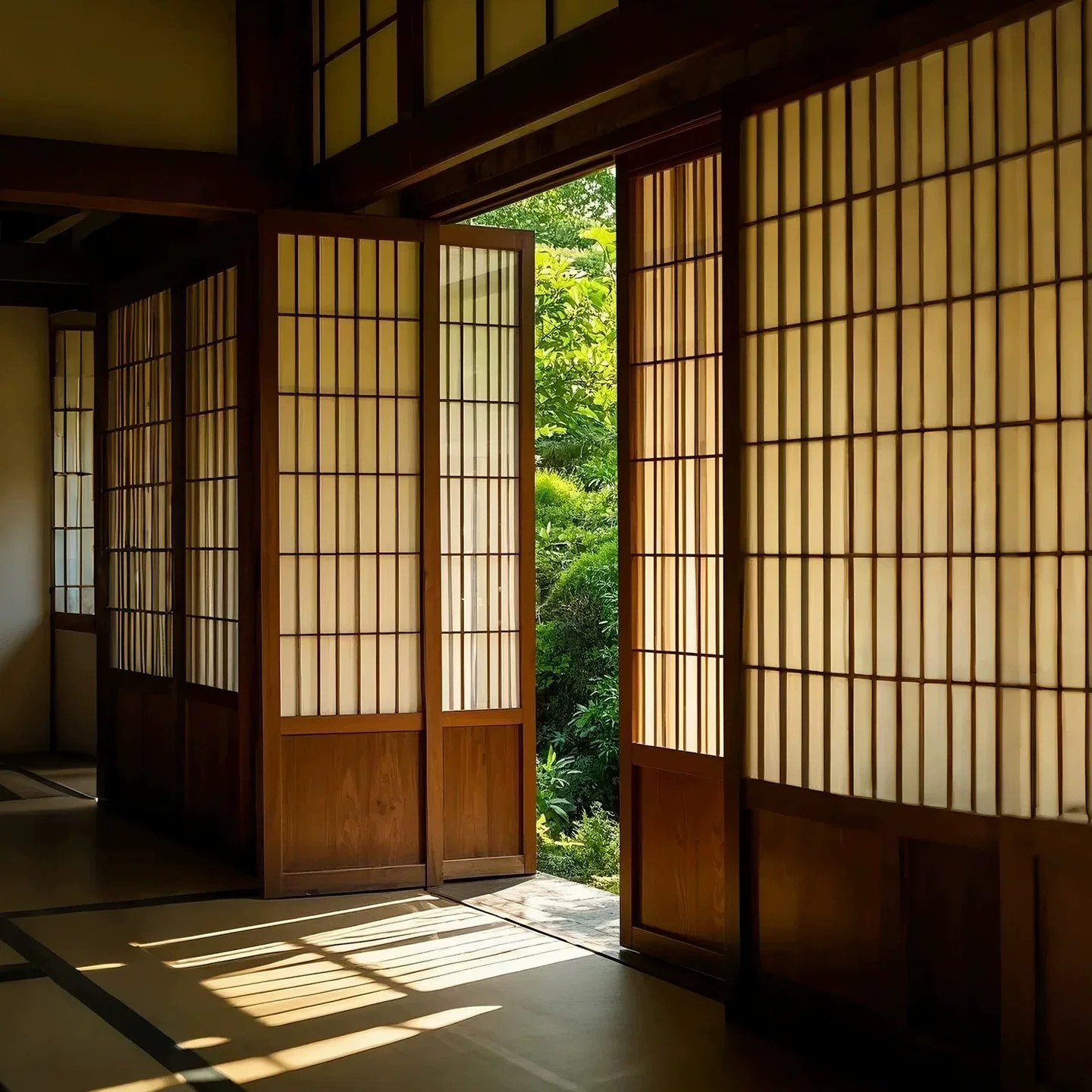
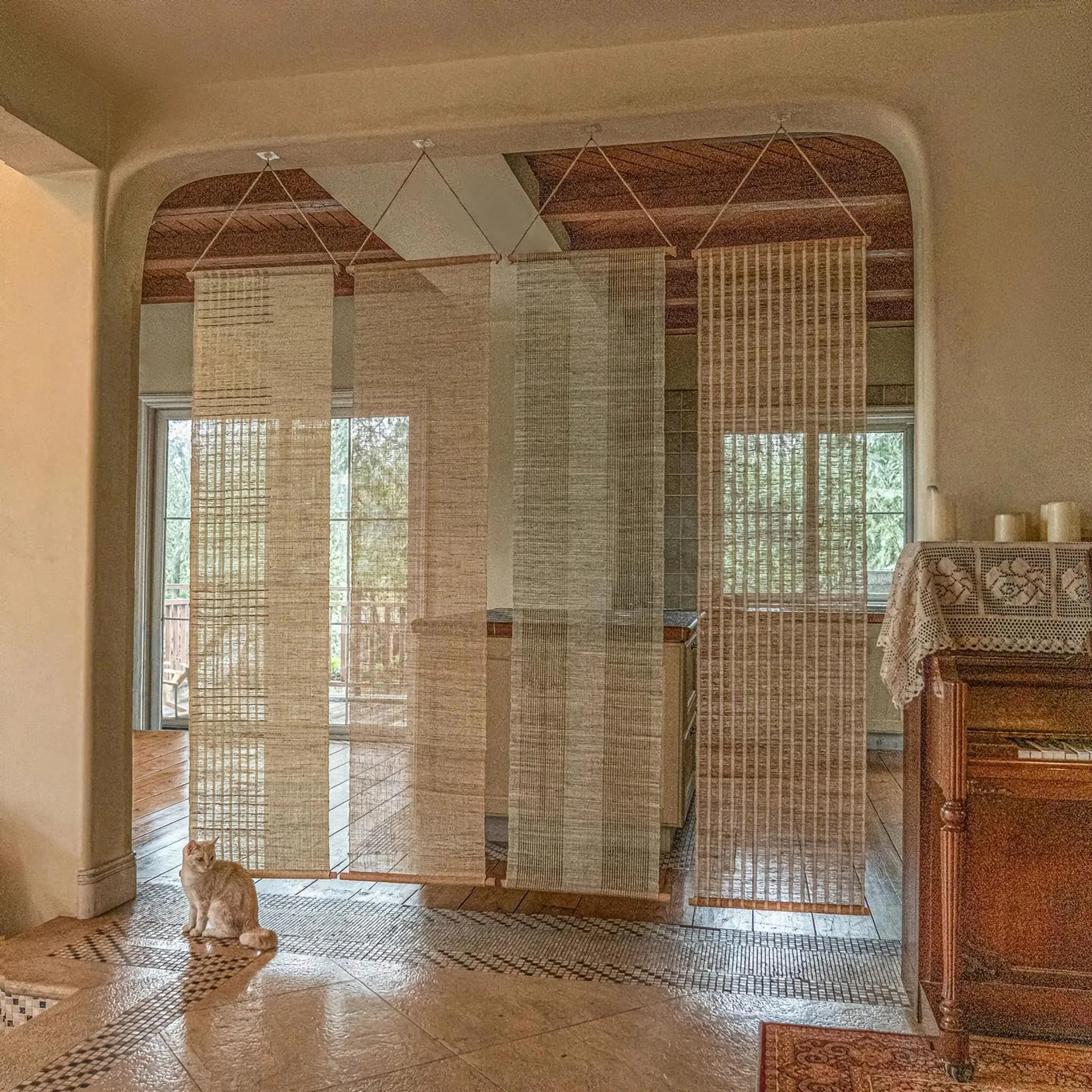
Unlike rigid constructions, custom architectural systems using bamboo offer degrees of transparency. By utilizing vertical screens or open-weave patterns, designers can subtly separate spaces while maintaining visual connectivity and allowing natural light to penetrate deeper into the interior floor plate. This approach enhances the perception of spaciousness while providing necessary privacy for different guest activities.
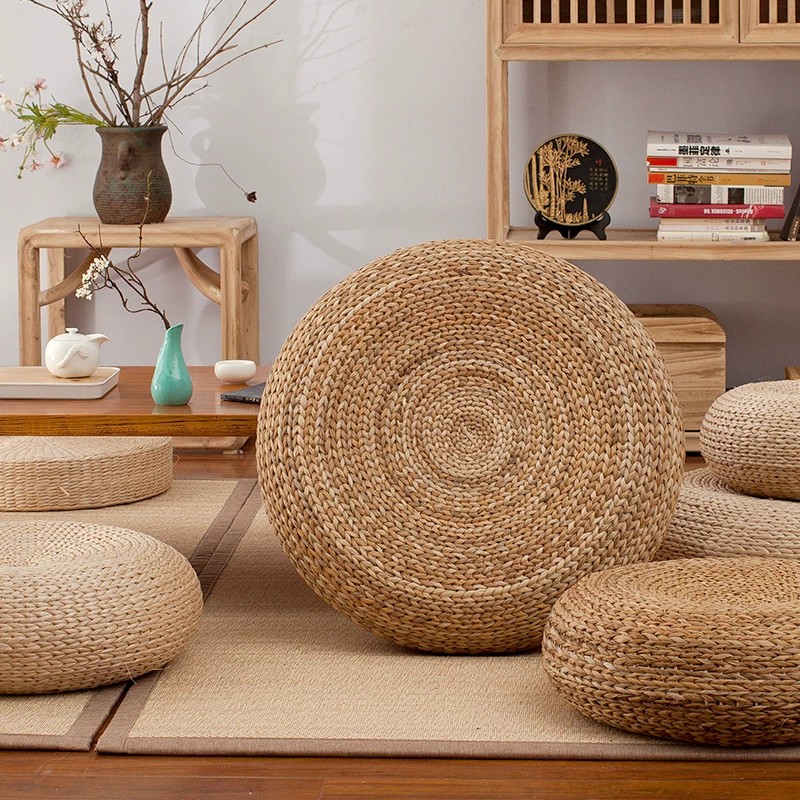
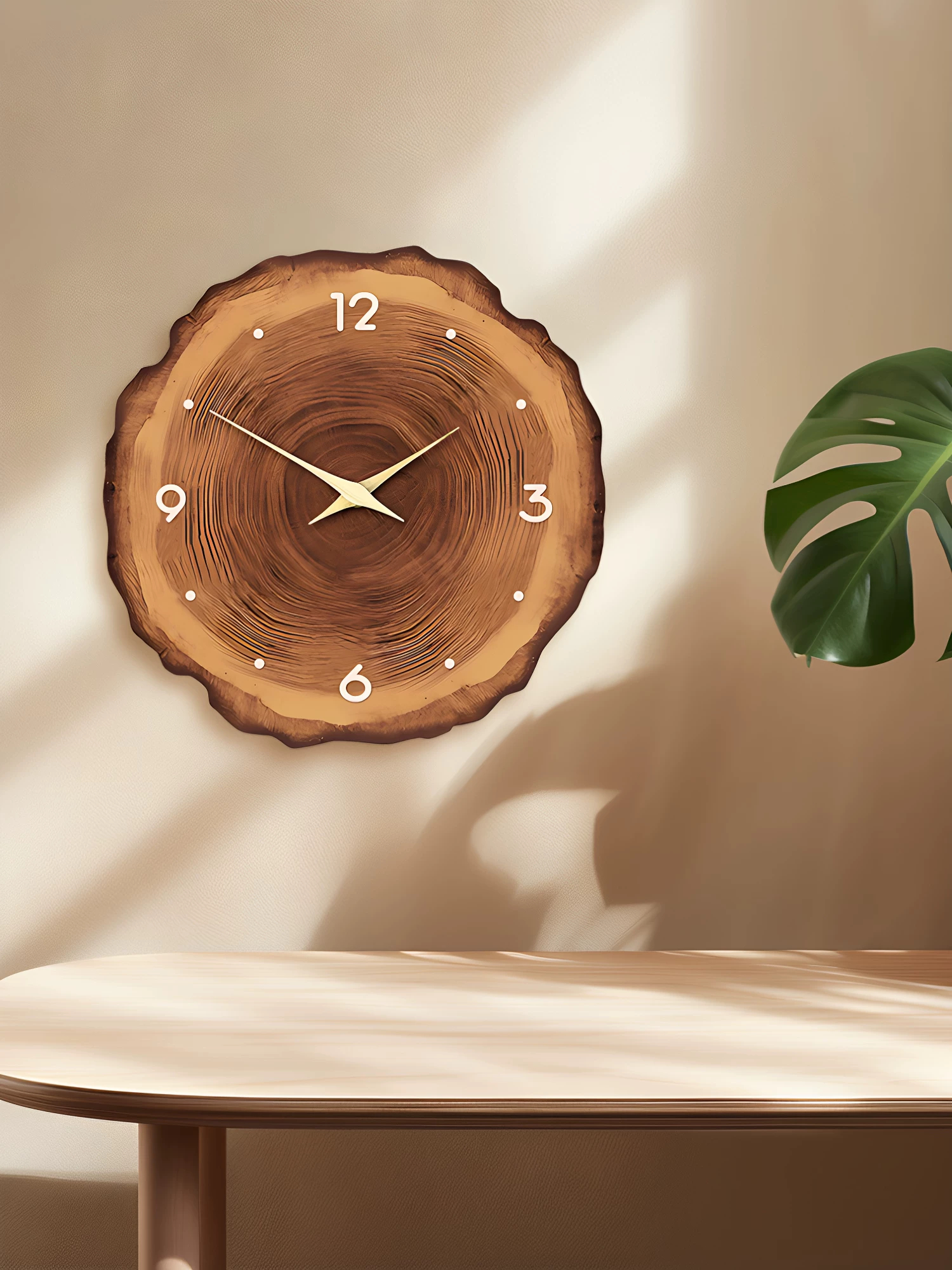
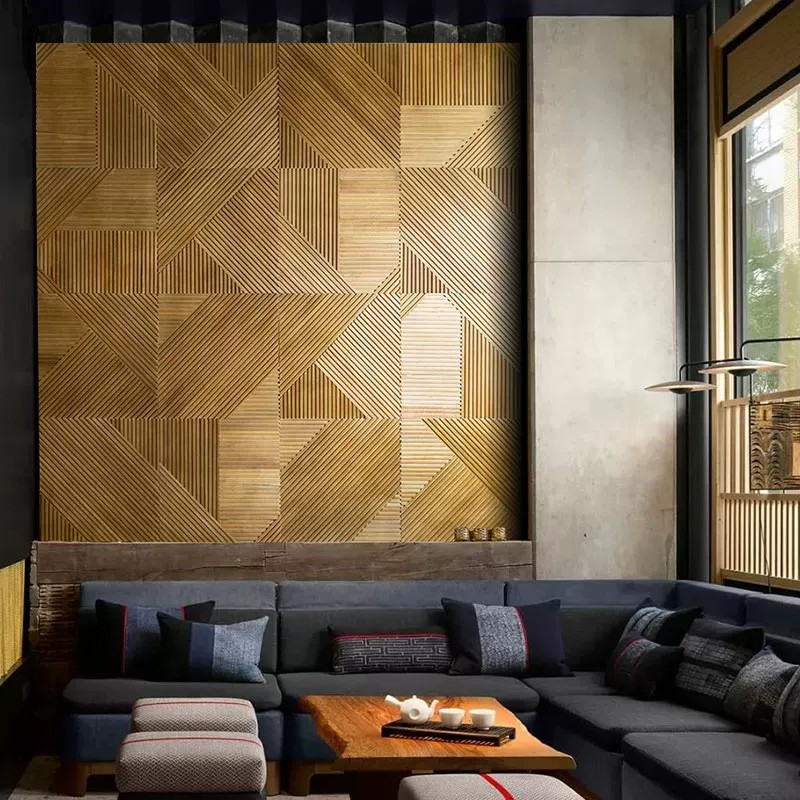
Strategically placed partitions guide the flow of guest traffic through common areas, preventing overcrowding and creating intuitive circulation paths. Bamboo's natural texture and grain provide visual interest, contributing to a warmer, more inviting atmosphere. When used effectively, bamboo partition systems can mitigate the cold, sterile feel often associated with large commercial spaces, aligning perfectly with the principles of Japandi and biophilic design which are increasingly prevalent in luxury hospitality.
When specifying bamboo partition systems for high-traffic commercial environments, understanding the material properties and available configurations is paramount for long-term performance and design compliance.
Bamboo is not a single material; its performance depends heavily on the manufacturing process. For hospitality applications, strand-woven or engineered bamboo offers superior stability, hardness, and durability compared to traditional solid wood partitions. These materials resist warping, swelling, and indentation, making them suitable for the rigorous demands of hotel lobbies and restaurants.
Furthermore, standard building codes require materials in public spaces to meet specific fire safety and durability ratings. Bambooforma provides high-quality architectural bamboo components that can be treated to achieve necessary fire-retardant classifications, ensuring both aesthetic quality and regulatory compliance in sophisticated architectural projects.
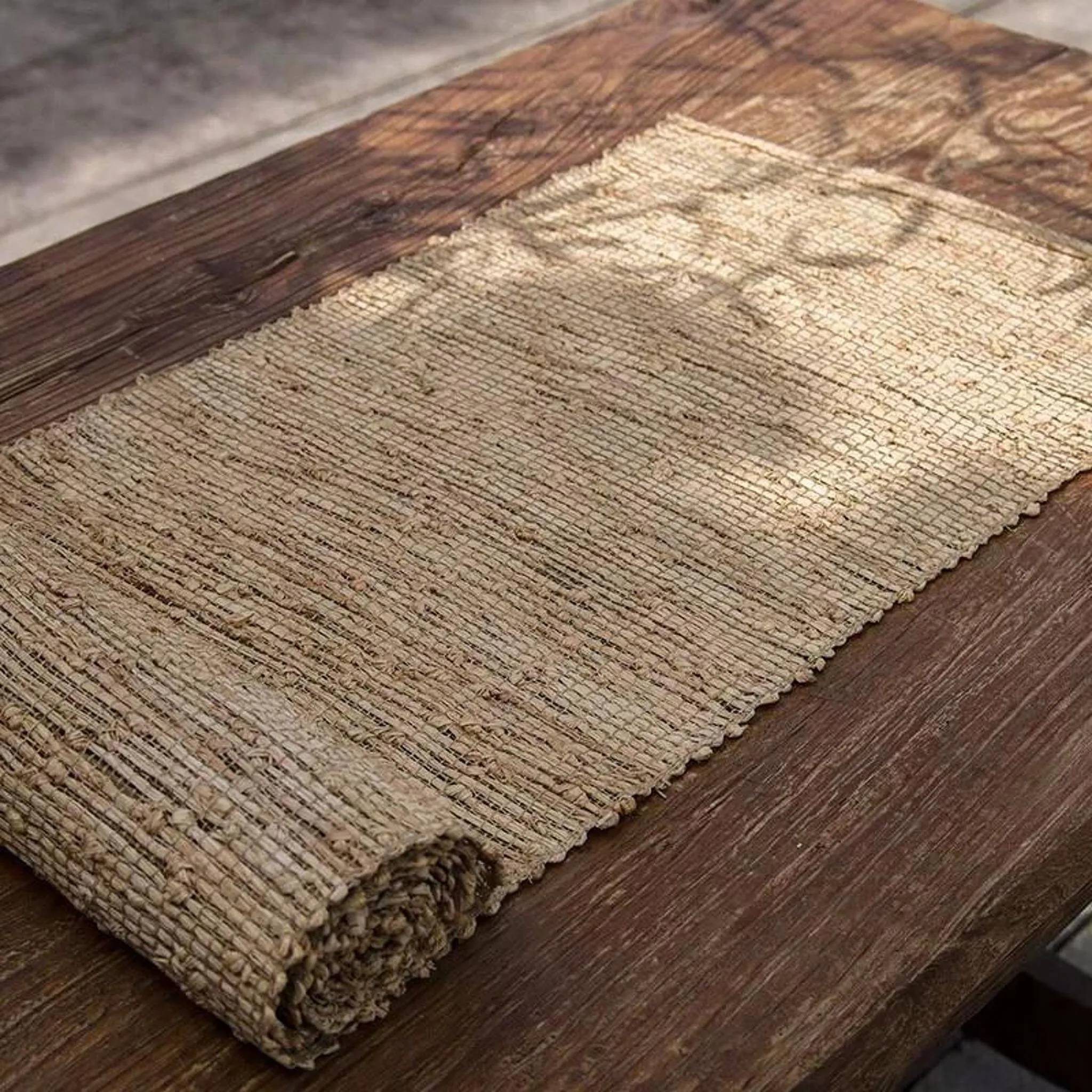
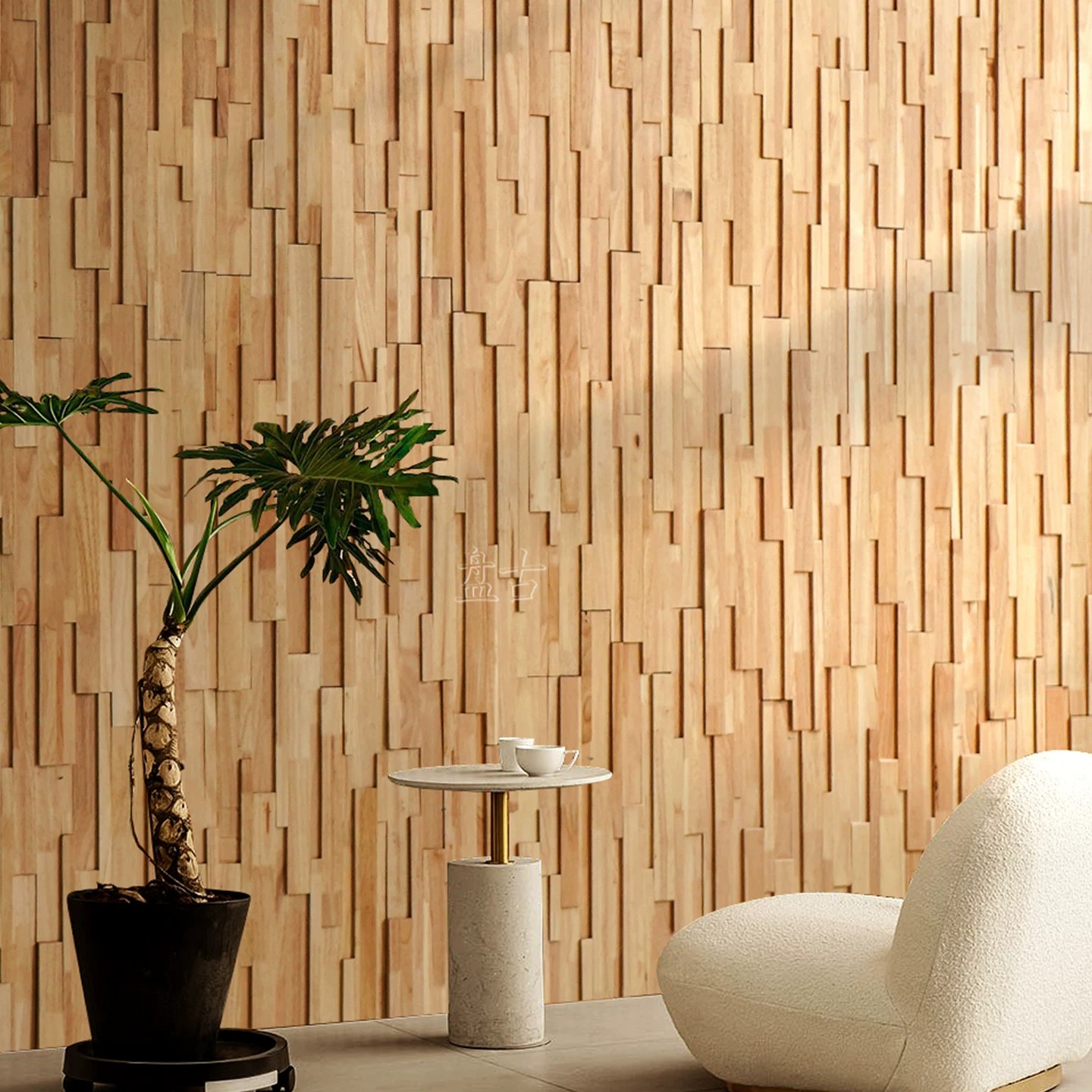
The architectural application of bamboo extends far beyond traditional poles. For a refined, modern aesthetic, bamboo can be specified in various formats:
Bambooforma collaborates closely with architects and interior designers to develop custom bamboo partition systems tailored to specific project needs, from material dimensions and finishes to structural integration and installation methods. This bespoke approach ensures that the resulting partitions align seamlessly with the broader design narrative of the hotel.
Common areas often suffer from poor acoustics, with sound reflecting off hard surfaces and creating high noise levels that diminish guest comfort. Effective spatial zoning must address not only visual but also auditory separation.
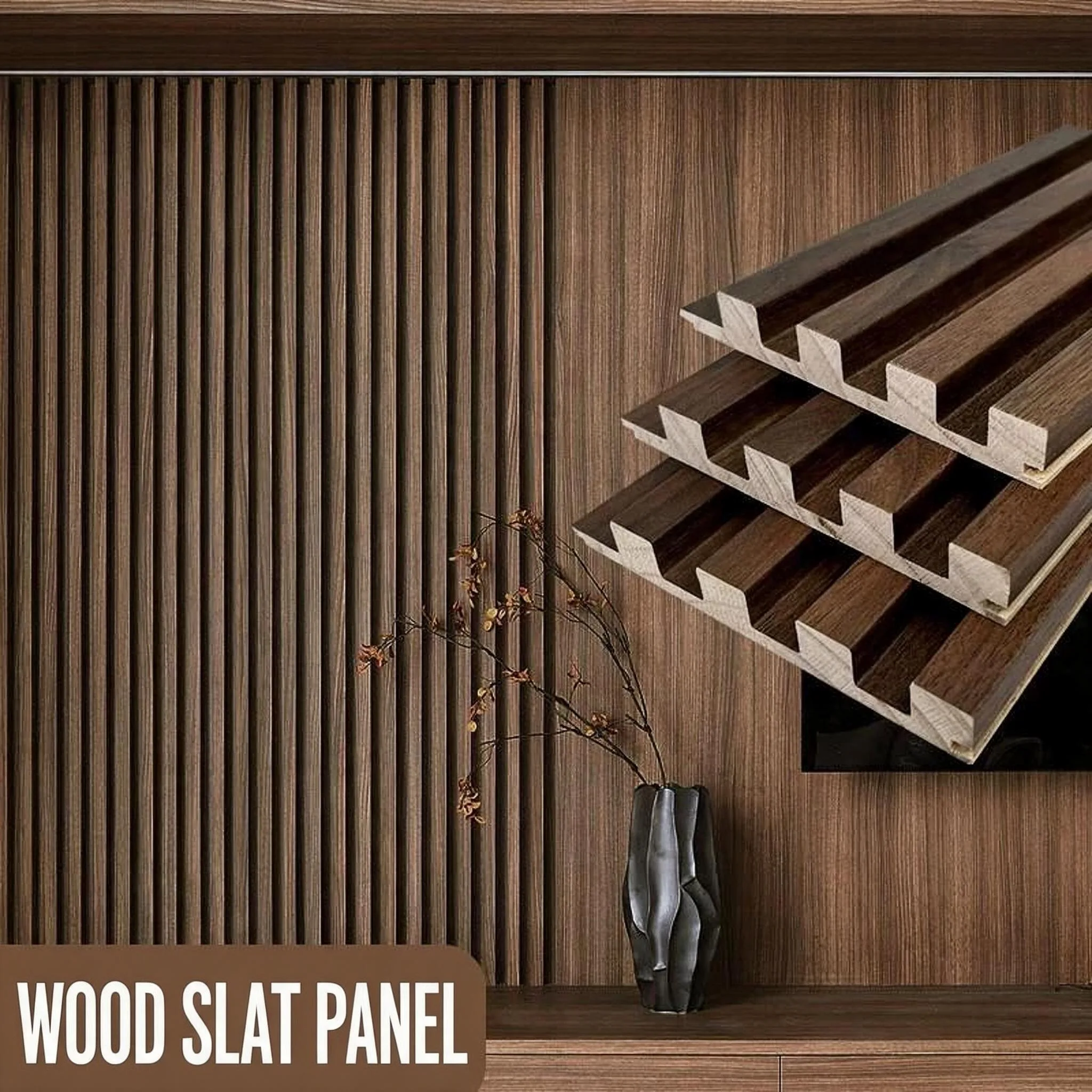
While not providing absolute soundproofing, linear bamboo screens and slatted systems contribute significantly to acoustic management within large spaces. The irregular surfaces and open designs diffuse sound waves rather than reflecting them directly, reducing reverberation and echo. When specified as part of a comprehensive interior system, bamboo partitions can enhance conversational privacy and create quieter, more intimate pockets within expansive areas.
In dining areas or co-working lounges, integrating acoustic absorbing materials behind or within the bamboo slatted systems can further improve acoustic performance without compromising the desired natural aesthetic.
As developers and operators prioritize ESG (Environmental, Social, and Governance) commitments, the specification of sustainable materials becomes a crucial design decision. Bamboo stands out as one of the most rapidly renewable architectural materials available.
Bamboo matures in 3-5 years, significantly faster than traditional hardwoods. When responsibly sourced and manufactured, engineered bamboo has a lower carbon footprint and can contribute towards green building certifications such as LEED and BREEAM. Specifying bamboo partition systems from reputable suppliers like Bambooforma aligns the physical space with the brand’s sustainability message, resonating with environmentally conscious modern travelers.
In operational environments, durability and ease of maintenance are non-negotiable. Bamboo systems require professional finishes to withstand the daily wear in high-traffic common areas.
Pre-finished bamboo components with commercial-grade coatings offer resistance to scratches, scuffs, and cleaning agents. Regular dusting and occasional cleaning with approved products are typically sufficient to maintain the pristine appearance of these systems. Unlike many softwoods, the inherent hardness of specified strand-woven bamboo minimizes visible damage, ensuring the partitions retain their luxury appeal over the hotel's lifecycle.
Engineered bamboo, particularly strand-woven varieties, is exceptionally durable and stable, often harder than traditional hardwoods. When appropriately specified and finished, these systems easily withstand the rigors of commercial and hospitality environments.
Yes, Bambooforma specializes in custom architectural systems. We collaborate with designers to create bespoke configurations, patterns, and finishes that align with specific project requirements and aesthetic goals.
Bamboo components can be treated with fire-retardant coatings and specified with core materials that meet standard commercial fire rating requirements. It is essential to discuss specific code compliance with the supplier during the design and specification phase.
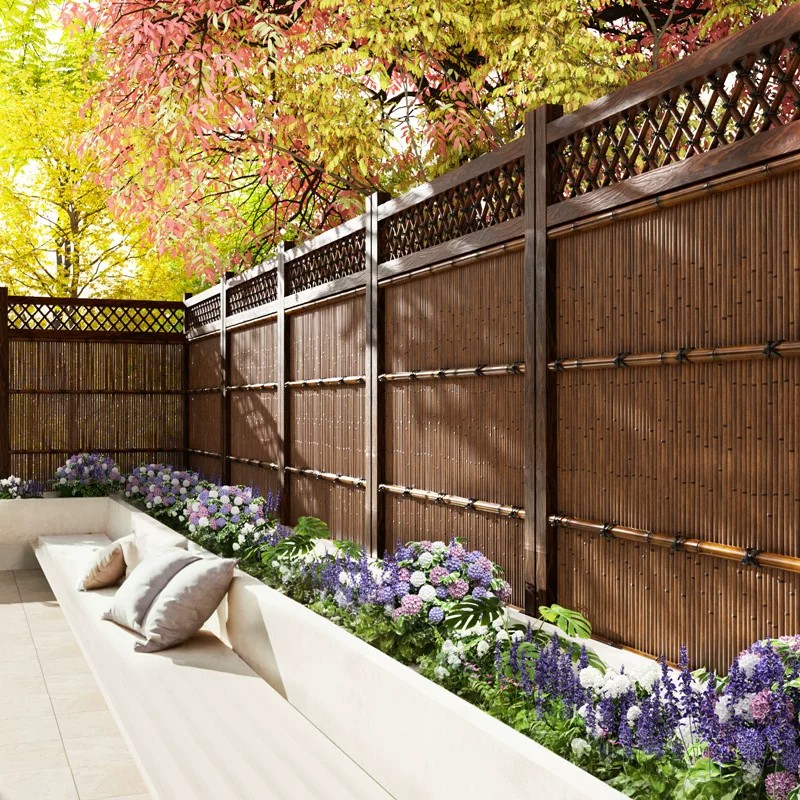
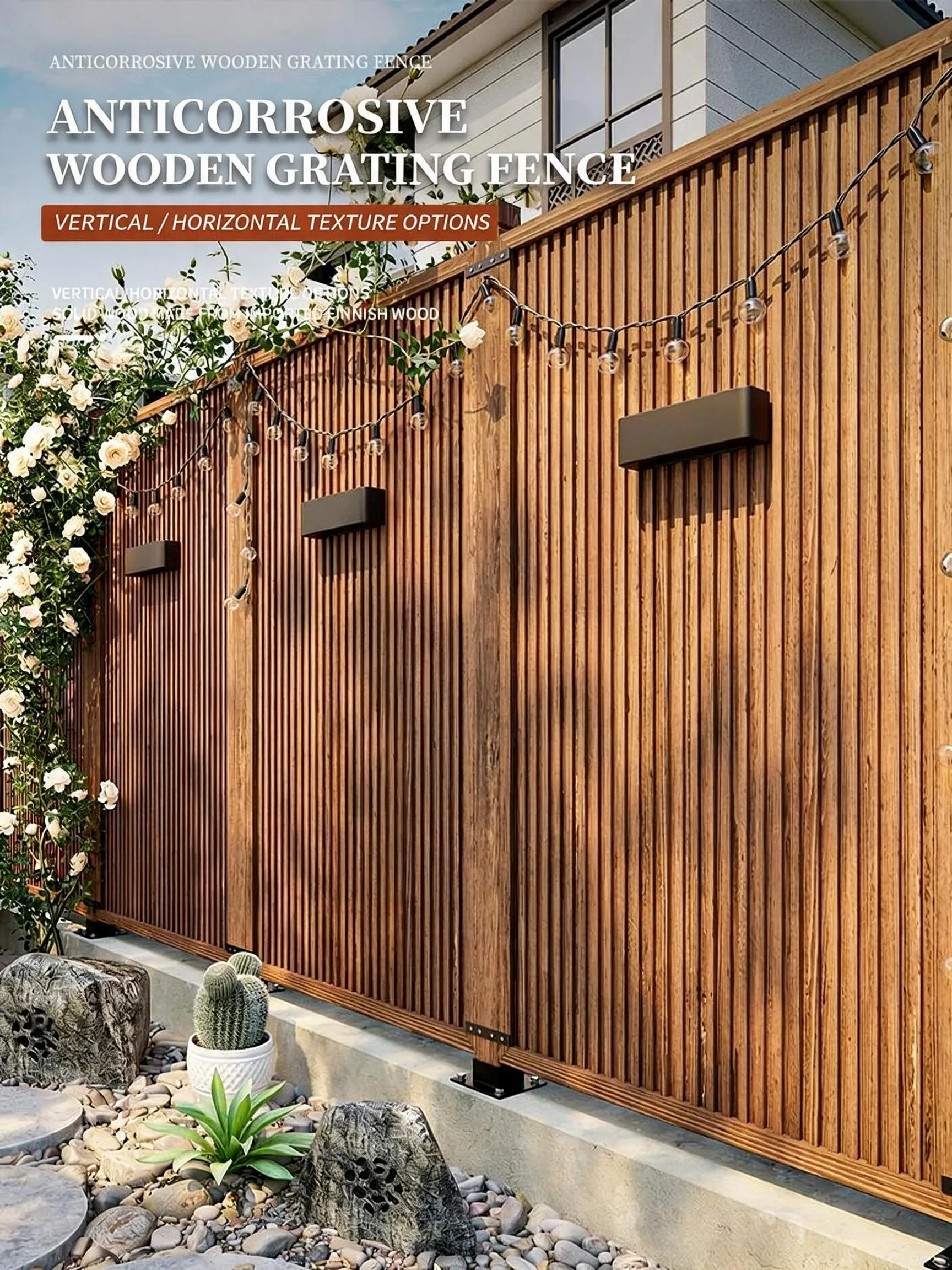
Yes, but the material specification and finish must be appropriate for exterior use. Specifically treated or thermally modified bamboo is available for outdoor privacy screens and dividers, offering high durability and resistance to weathering.
Integrating bamboo partition systems into hotel common areas offers a sophisticated, sustainable solution for complex spatial zoning and aesthetic challenges. By understanding the material properties, customization capabilities, and performance considerations, architects and developers can optimize utilization, improve guest comfort, and reinforce the sustainable luxury positioning essential in today's competitive hospitality market.
For expert guidance on specifying and customizing high-performance bamboo systems for your next hospitality project, contact Bambooforma for a professional consultation and material support.
52.89
52.99
219