






Understanding Bamboo Partition Fire Ratings for Hospitality Projects
Navigating bamboo partition fire ratings for hotels and restaurants. Expert guide for architects on compliance, safety, and natural material design.

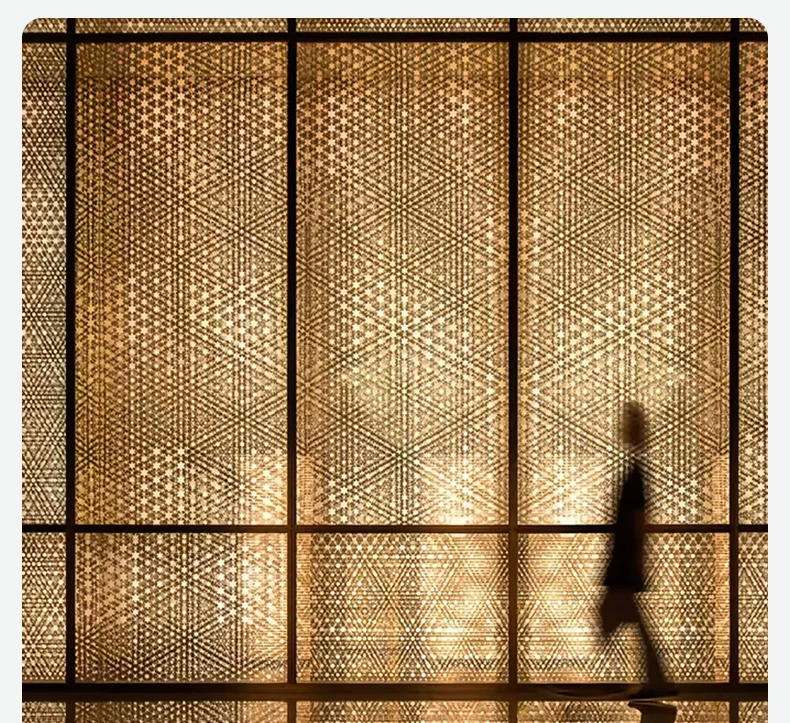
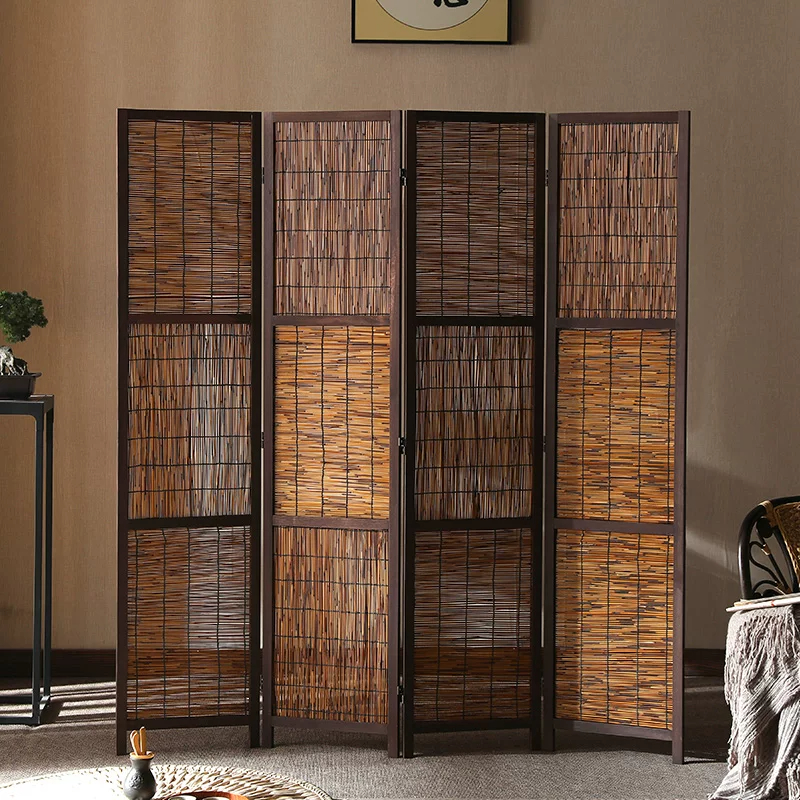
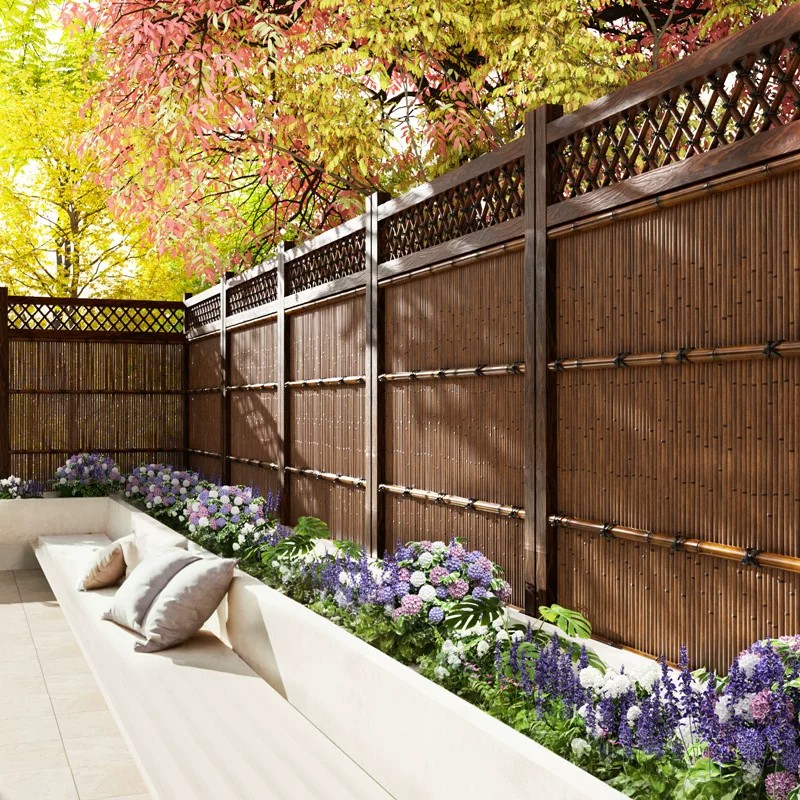
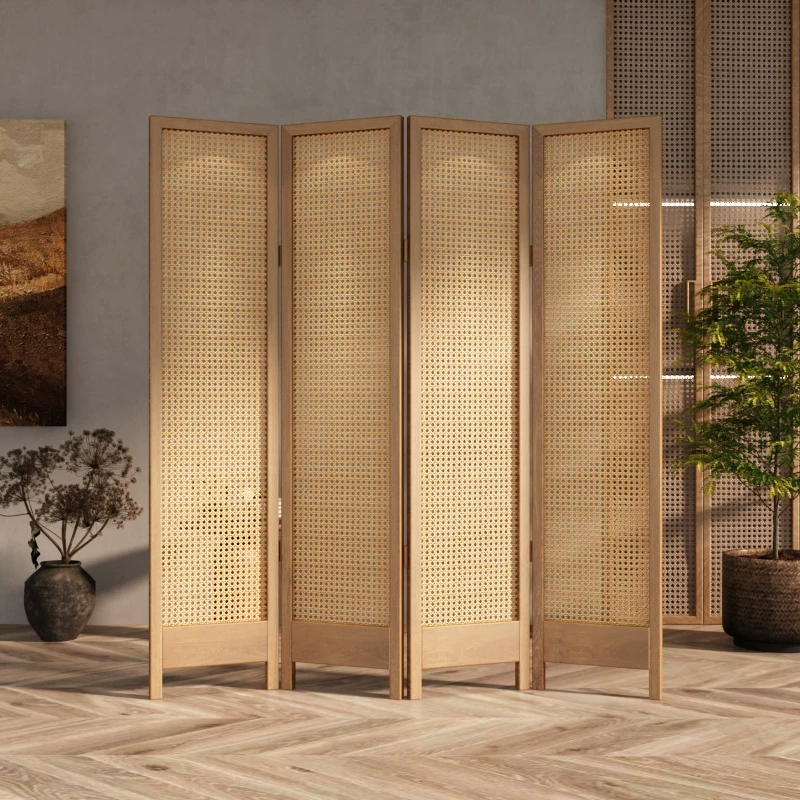
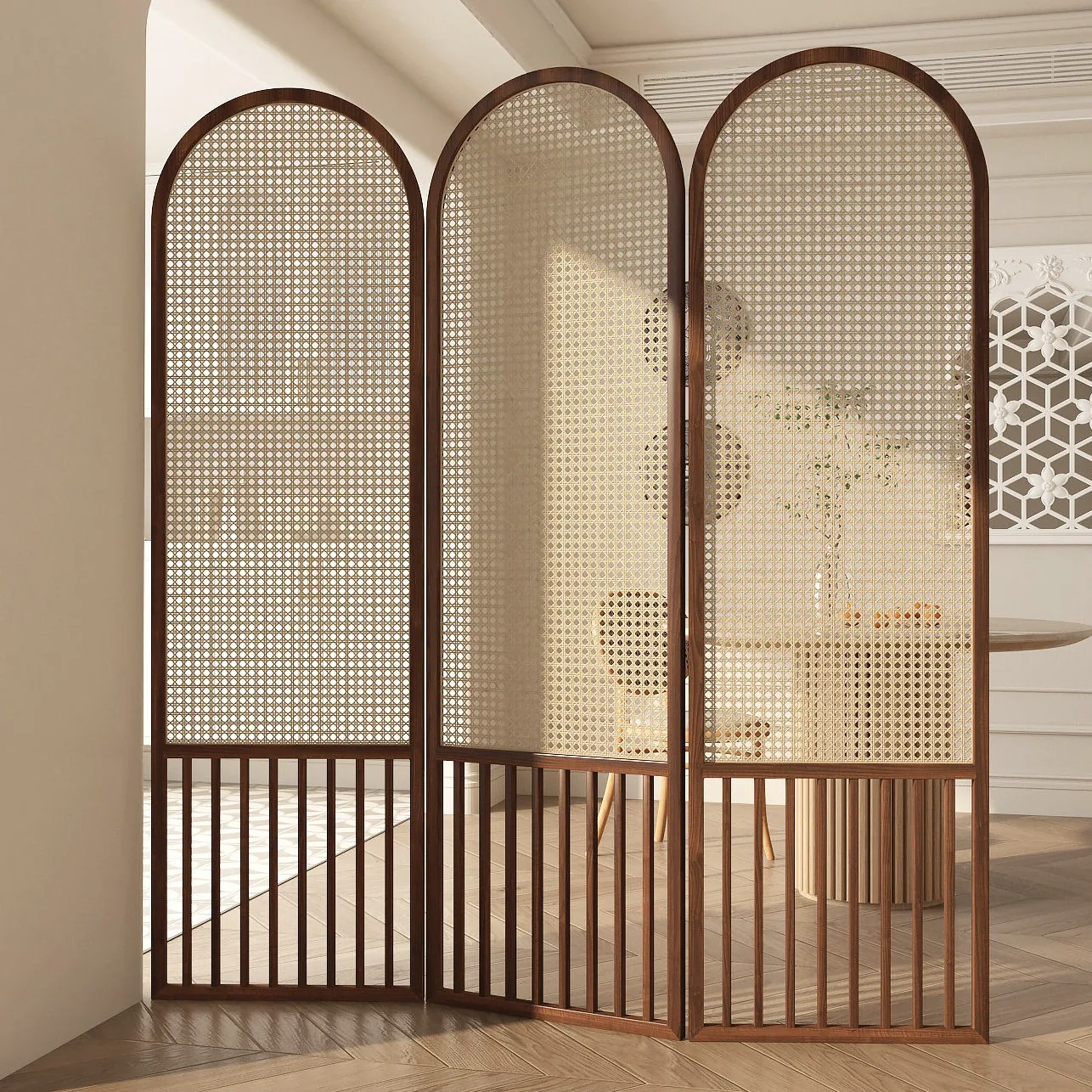
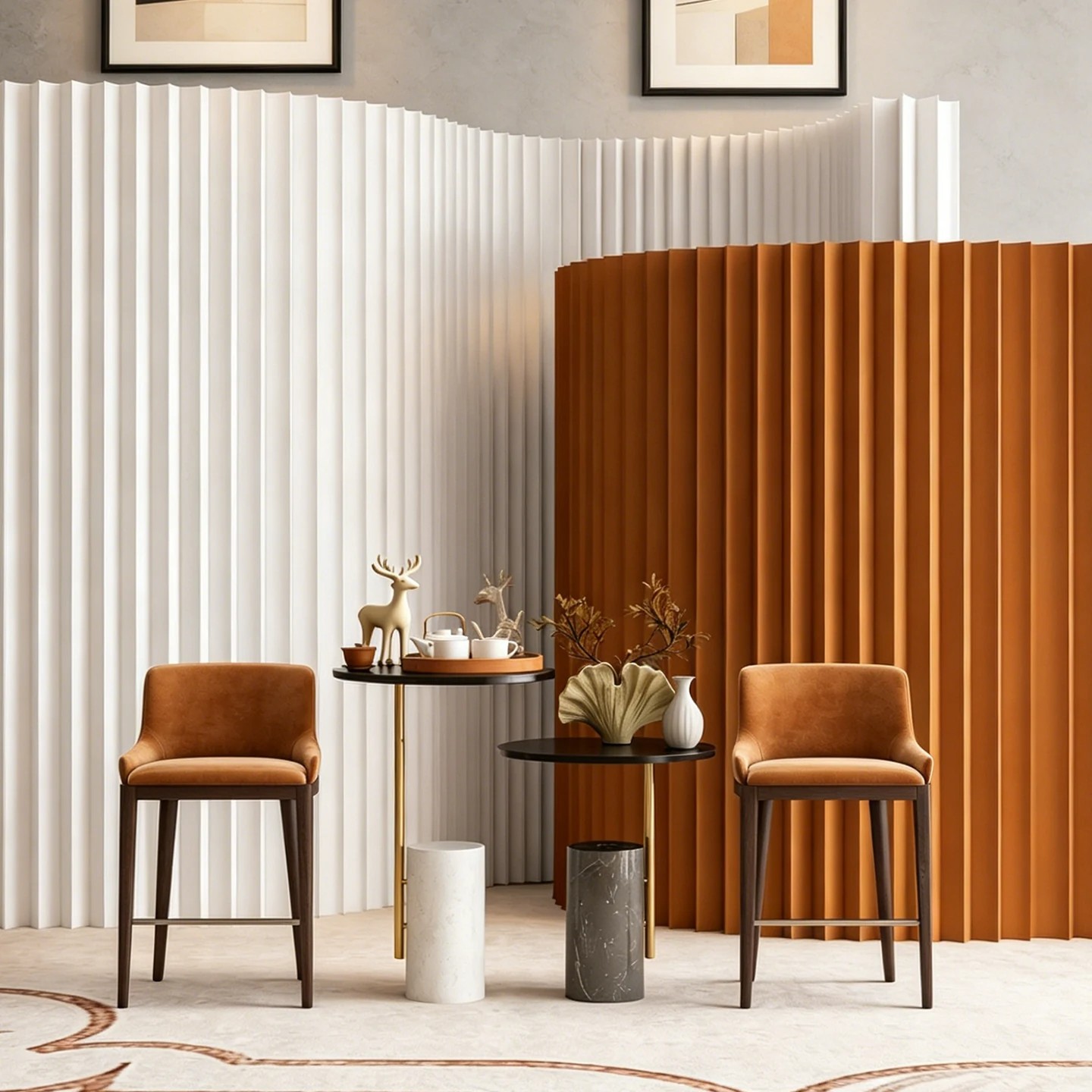
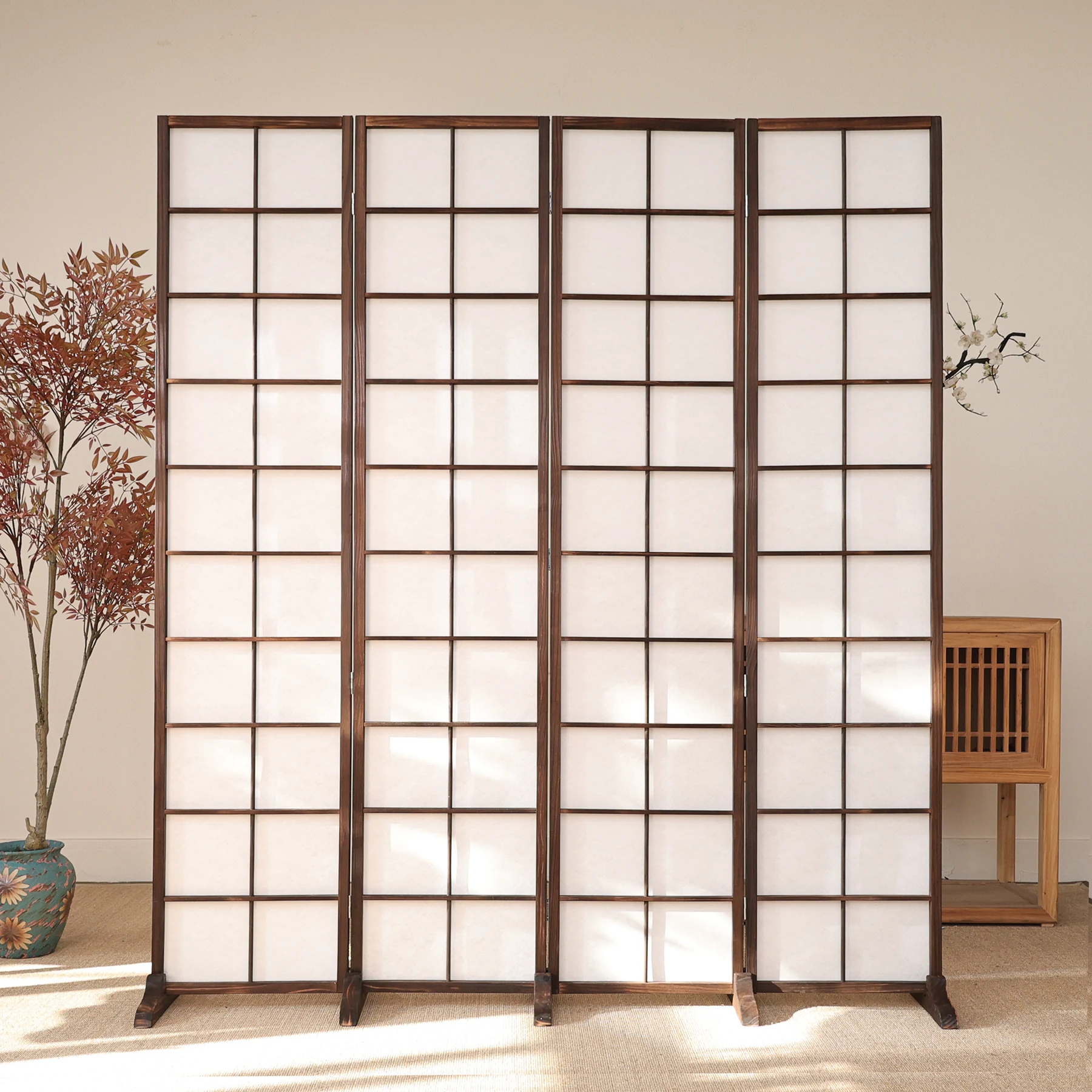
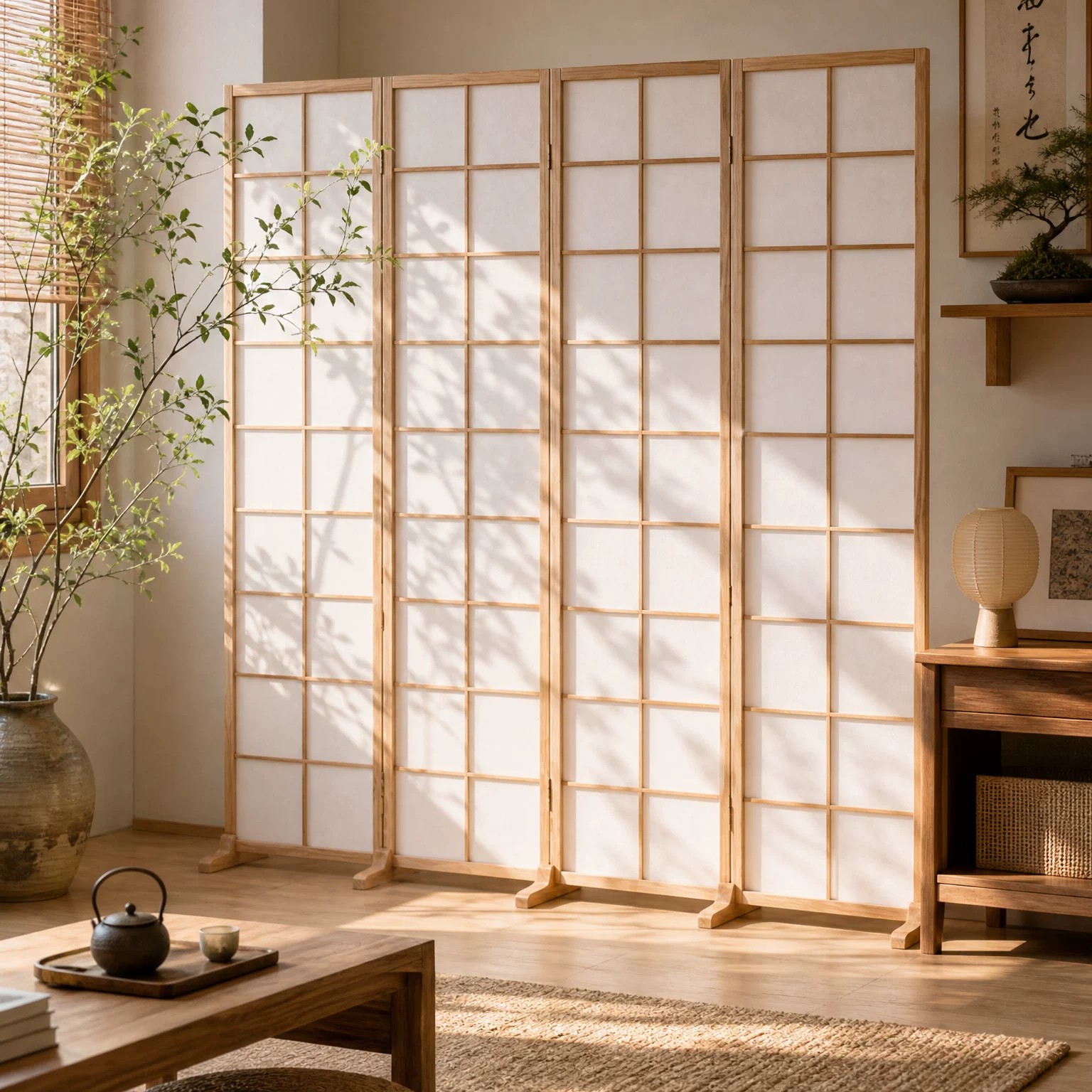
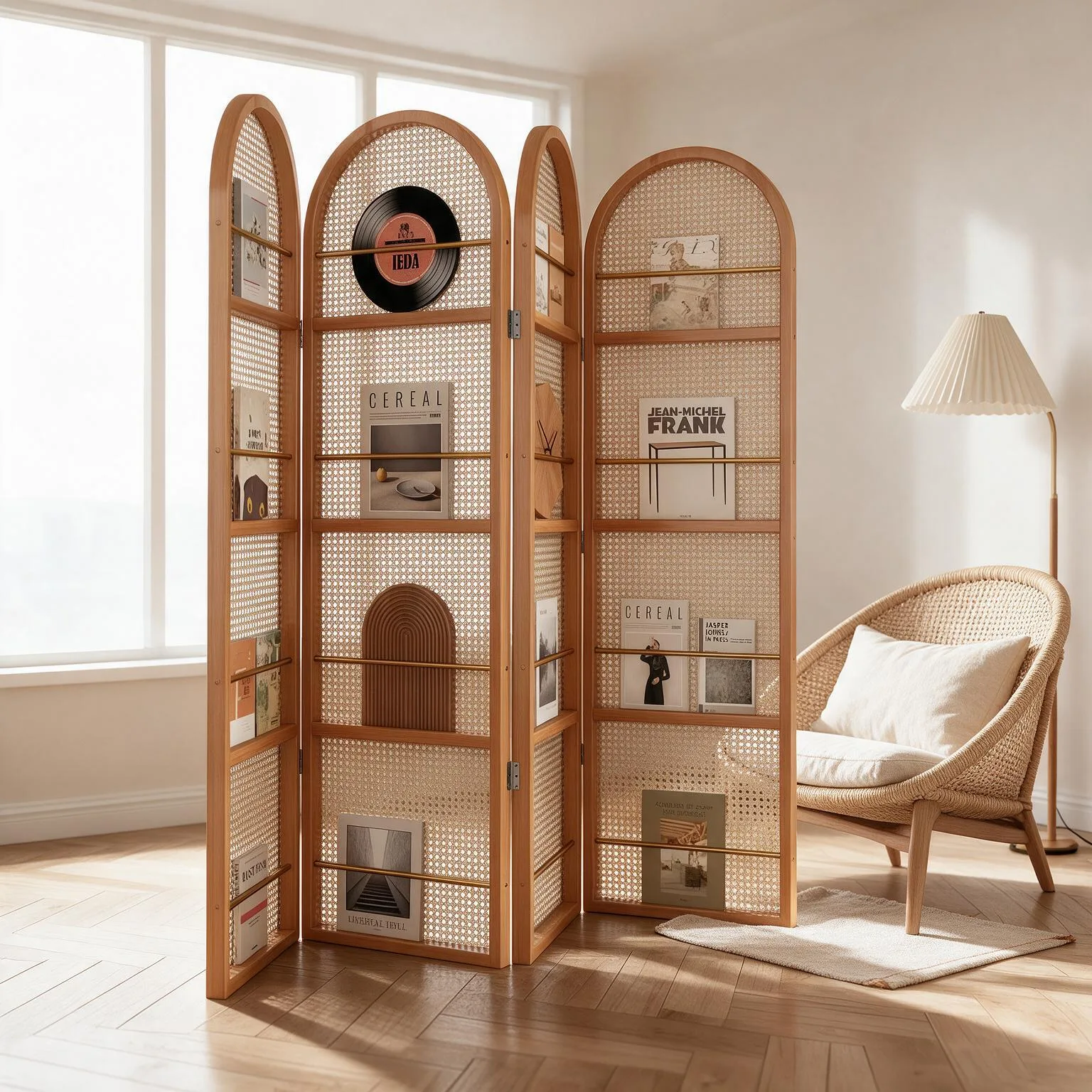
In contemporary commercial architecture, the challenge often lies in defining distinct functional areas within expansive floor plans without sacrificing openness or light. While conventional partitioning systems offer pragmatic solutions, they frequently lack acoustic and visual interest. Progressive designers are increasingly specifying intricate bamboo screen panels as sophisticated, sustainable alternatives that bridge the gap between architectural functionality and aesthetic luxury.
Modern commercial interiors—particularly within the hospitality, high-end retail, and wellness sectors—demand materials that perform across multiple dimensions. They must be durable, sustainable, visually engaging, and capable of facilitating the dynamic use of space. Intricate bamboo screen panels satisfy these requirements, offering an adaptable solution for delineating zones while maintaining a sense of interconnectedness.
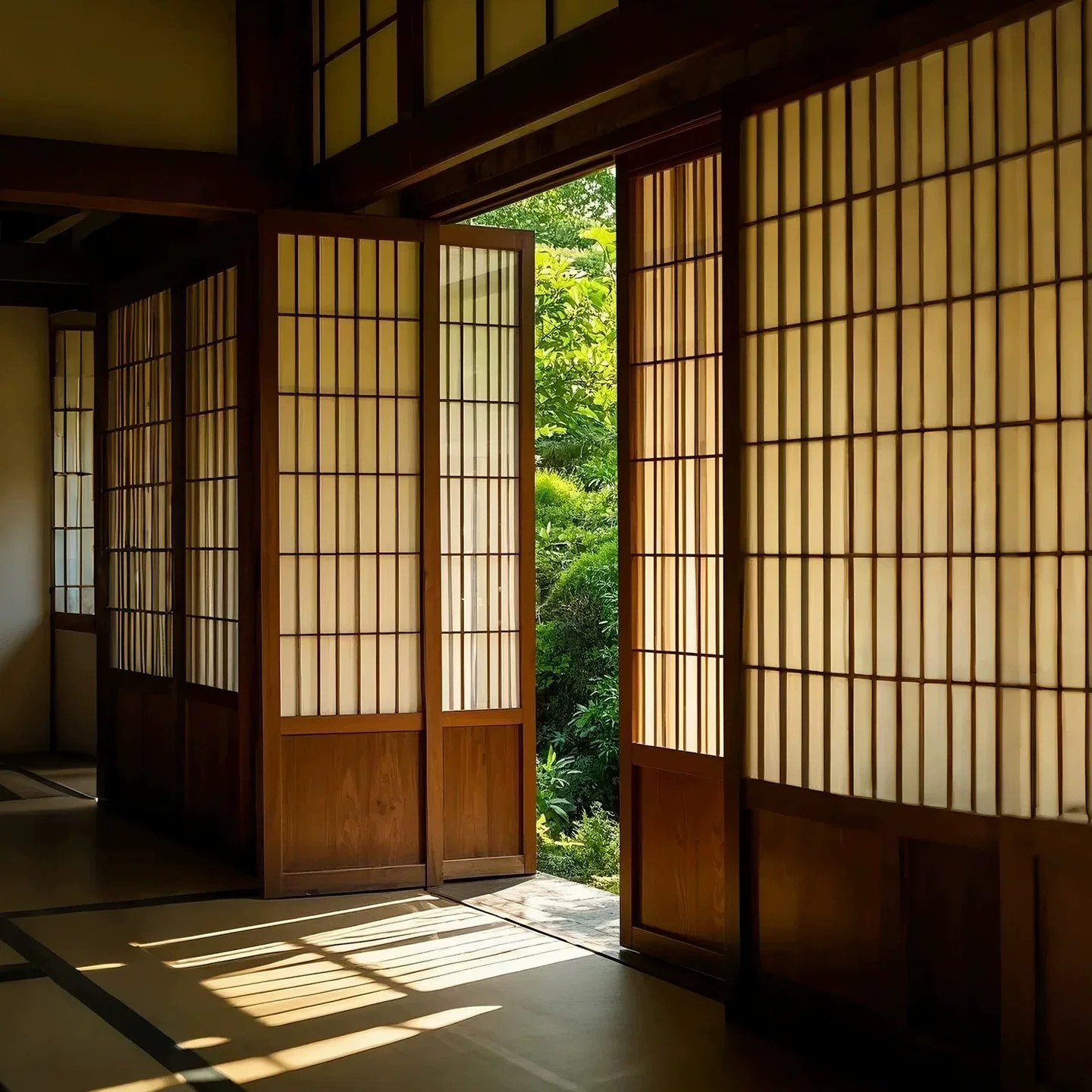
Unlike solid walls, these engineered systems introduce texture, warmth, and intricate shadow patterns. The innate elegance of bamboo allows it to integrate seamlessly into various design contexts, from minimalist Japandi aesthetics to rich, contemporary biophilic concepts. Beyond aesthetics, Bambooforma recognizes that bamboo’s impressive strength-to-weight ratio and environmental credentials make it a superior choice for large-scale, custom architectural applications in commercial environments.
In luxury hospitality design, the arrival experience is paramount. A hotel lobby must simultaneously convey welcome and sophistication. Intricate bamboo screen panels can be utilized to create engaging visual sequences, subtly filtering views of private seating areas or directing foot traffic towards reception, all while serving as a powerful branded element that signals natural luxury.
Restaurants and upscale bars also benefit significantly from the thoughtful application of these screen panels. Achieving a balance between vibrant atmosphere and guest privacy is essential. Custom-patterned bamboo architectural systems allow designers to engineer desired degrees of opacity. By adjusting the density of the intricate weaving or joinery, specific dining areas can be acoustically and visually buffered without completely disconnecting them from the main space.
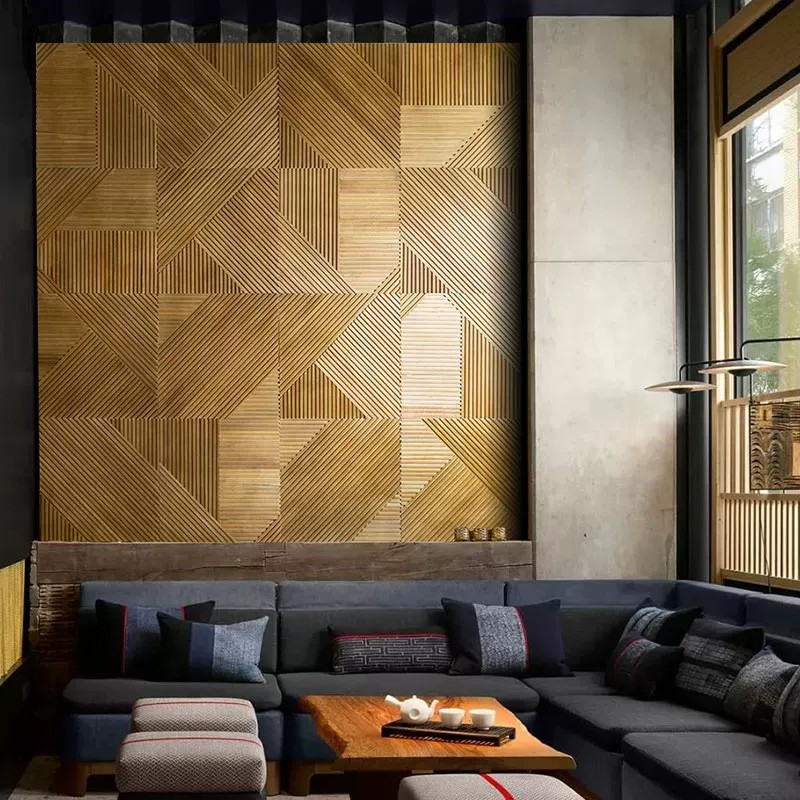
While often prioritized for their visual impact, the complex geometries inherent in intricate bamboo screen panels serve an important acoustic function. In large, open spaces often characterized by hard reflective surfaces, these screens act as natural diffusers. The complex surfaces break up sound waves, reducing echo and contributing to a more comfortable, intimate auditory environment—a crucial consideration for both hospitality guest satisfaction and commercial workplace productivity.
Specifying materials for commercial projects requires rigorous attention to performance standards. Not all bamboo products are suitable for high-traffic environments. High-performance, architect-grade bamboo screen panels are engineered products. The raw material undergoes significant refinement—including split, treated, kiln-dried, and laminated or meticulously woven processes—to ensure structural stability and resistance to warping, splitting, and environmental fluctuations.
The intricacy of these panels is achieved through advanced manufacturing techniques, combining precision machinery with traditional craftsmanship. This synthesis allows for highly repeatable, precise complex patterns that can be scaled across large surface areas, meeting both the design vision and the demanding lead times of commercial developments.
Sustainability is no longer optional in commercial development; it is an expectation. Bamboo’s rapid regenerative cycle makes it one of the most environmentally responsible architectural materials available. Specifying intricate bamboo screen panels allows projects to achieve significant environmental benchmarks while delivering a high-quality finished product. Unlike many synthetic acoustic or decorative solutions, engineered bamboo provides a circular solution that aligns with the core principles of green building standards.
Integrating intricate bamboo screen panels effectively requires thorough technical planning and collaboration with a specialized manufacturer like Bambooforma. Project teams must carefully evaluate several technical parameters during the specification process.
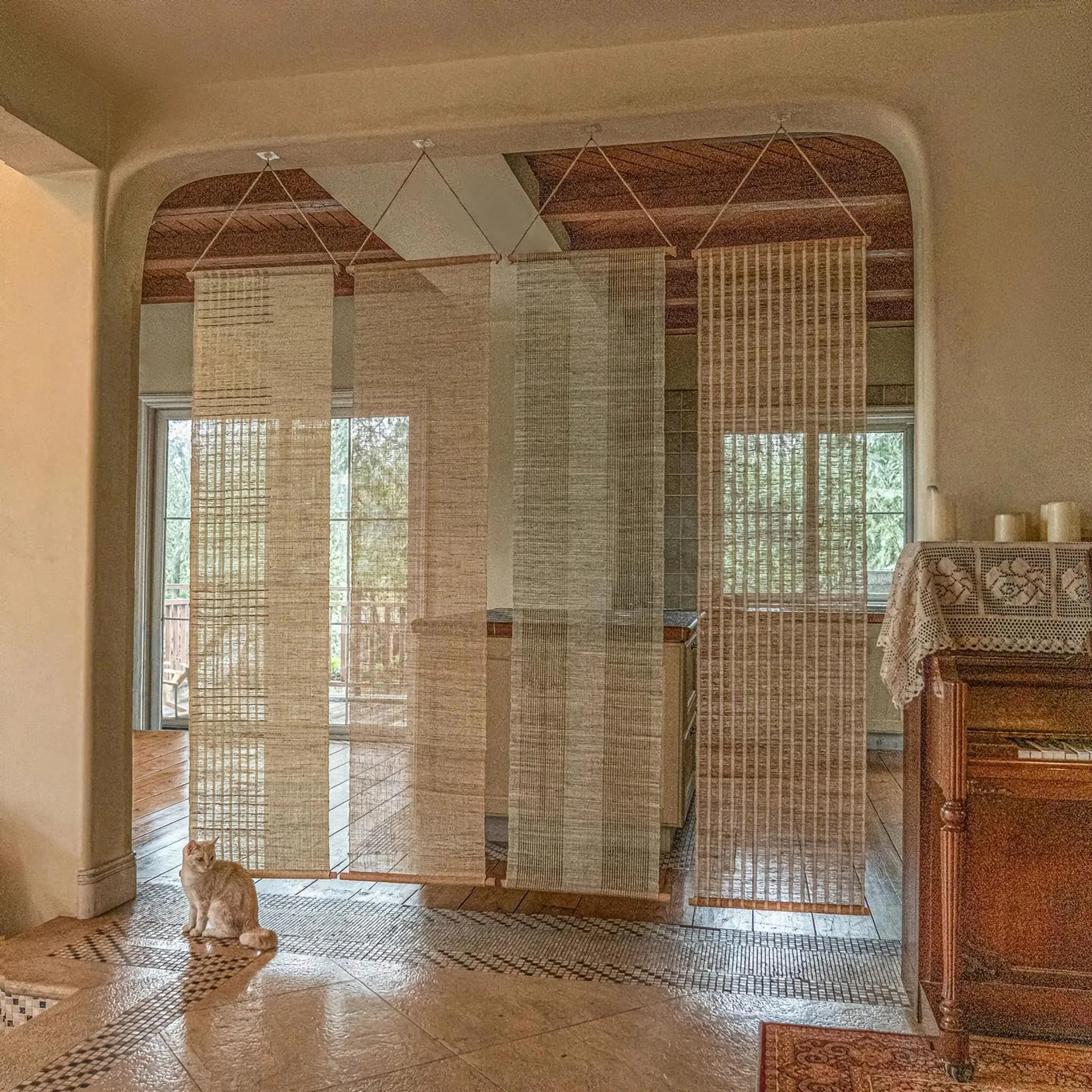
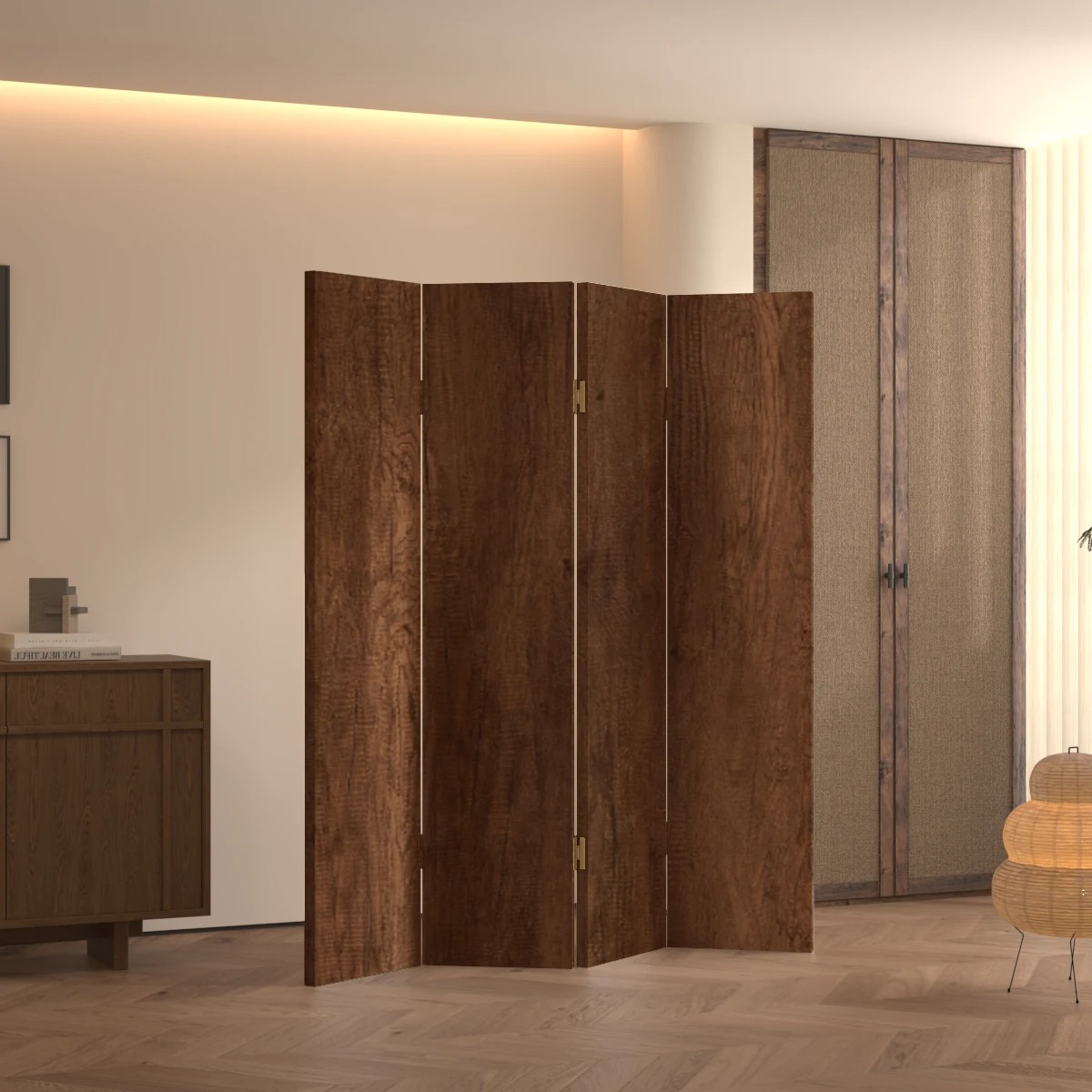
The method of integration is critical. For large-scale screen panels, early coordination with structural engineers and framing contractors is necessary to ensure adequate support. Custom architectural systems often incorporate concealed or integrated metal framing to maintain structural rigidity while achieving a minimal aesthetic. The specification should clearly define mounting requirements—whether floor-to-ceiling, track-mounted for flexibility, or integrated as suspended or feature elements.
For commercial and hospitality projects, strict adherence to fire safety regulations is non-negotiable. Bamboo screen panels specified for these uses must be treated with appropriate fire-retardant coatings and undergo testing to meet relevant industry standards. Additionally, specifying the appropriate finish is essential to ensure long-term durability and ease of maintenance in high-use areas. Matte or semi-gloss sealants can be selected to enhance the natural color variation while providing a barrier against wear, moisture, and UV exposure.
Intricate bamboo screen panels represent a sophisticated fusion of traditional natural materials and advanced architectural engineering, providing a valuable tool for architects and designers shaping contemporary commercial interiors. By leveraging the material’s inherent strengths, flexibility, and sustainable properties, professionals can create spaces that are functionally efficient, acoustically comfortable, and deeply resonant with natural luxury. Bambooforma remains committed to partnering with design teams to realize these ambitious, custom architectural visions with precision and sustainable integrity. For specific project consultations or material specifications, engaging with a professional specialist is recommended.
When properly specified and engineered—utilizing treated, laminated, or expertly woven construction methods—bamboo screen panels are exceptionally durable. Their compressive strength rivals many traditional hardwoods, making them suitable for demanding commercial applications like hotel lobbies and busy restaurants when correctly installed and finished.
Yes. Customization is a core advantage. The density of the intricately woven pattern, the orientation of the bamboo components, and the overall panel design can all be engineered to achieve precise levels of visual privacy and light transmission, meeting the functional needs of each zone within a commercial space.
Generally, maintenance is straightforward. For indoor applications, regular dusting and occasional wiping with a damp cloth and specialized cleaner are sufficient. Pre-applied commercial-grade sealants significantly reduce the maintenance burden and protect the material from wear. Re-sealing intervals depend on traffic and exposure but are typically infrequent.
While not primary sound absorbing panels, the complex, varied surfaces of intricate bamboo screen panels excel at diffusing sound waves. This reduces direct acoustic reflection and flutter echo, contributing to a noticeable improvement in acoustic comfort by creating a quieter and more intimate environment.
Fire safety is a primary consideration. Architect-grade bamboo products can be treated with industrial-grade, certified fire retardants during manufacturing or after installation to meet strict commercial building codes, including specifications commonly required in the hospitality industry.
52.89
52.99
219