

Understanding Bamboo Partition Fire Ratings for Hospitality Projects
Navigating bamboo partition fire ratings for hotels and restaurants. Expert guide for architects on compliance, safety, and natural material design.

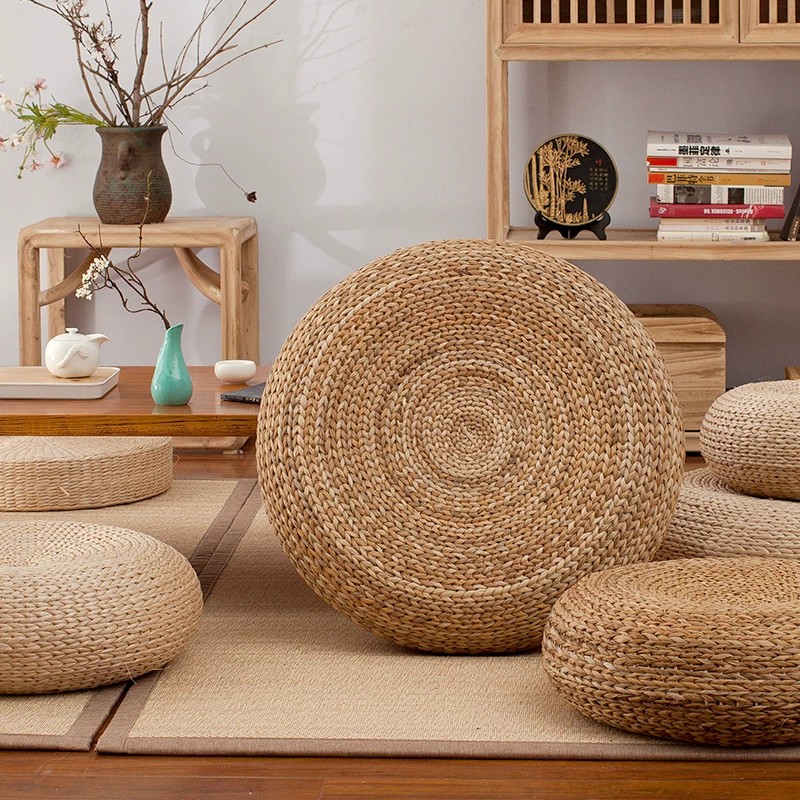
In the competitive landscape of luxury hospitality design, the integration of authentic, sustainable materials is no longer a trend but a prerequisite. Architects and interior designers are increasingly moving away from synthetic alternatives in favor of natural textures that evoke a sense of warmth, craftsmanship, and environmental responsibility. Among these materials, natural rattan architectural systems have emerged as a sophisticated solution for creating immersive, biophilic environments in hotels, resorts, and high-end restaurants.
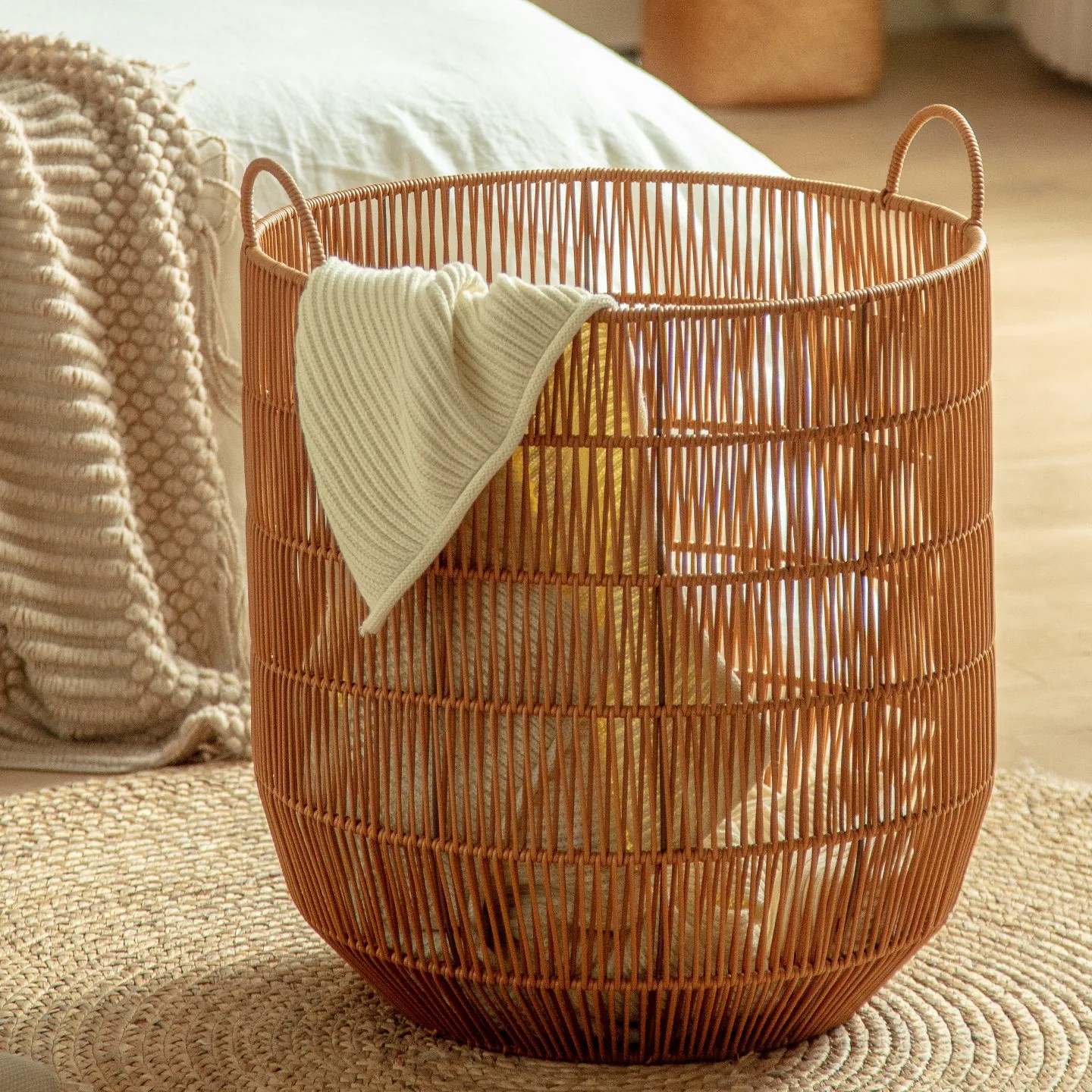
Rattan, a climbing palm native to tropical regions, offers a unique combination of flexibility, durability, and lightweight strength. When engineered into comprehensive architectural systems, it transcends its traditional association with rustic furniture to become a versatile tool for defining space, managing light, and introducing complex organic textures. This article explores the strategic application of natural rattan architectural systems within commercial hospitality projects, focusing on design value, technical considerations, and material performance.
Modern luxury hospitality thrives on creating memorable guest experiences, and the physical environment plays a crucial role. Bambooforma recognizes that natural rattan architectural systems appeal directly to the growing demand for biophilic design—the practice of connecting building occupants more closely to nature. The intricate weave patterns of rattan create a tactile and visual complexity that synthetic materials cannot replicate.
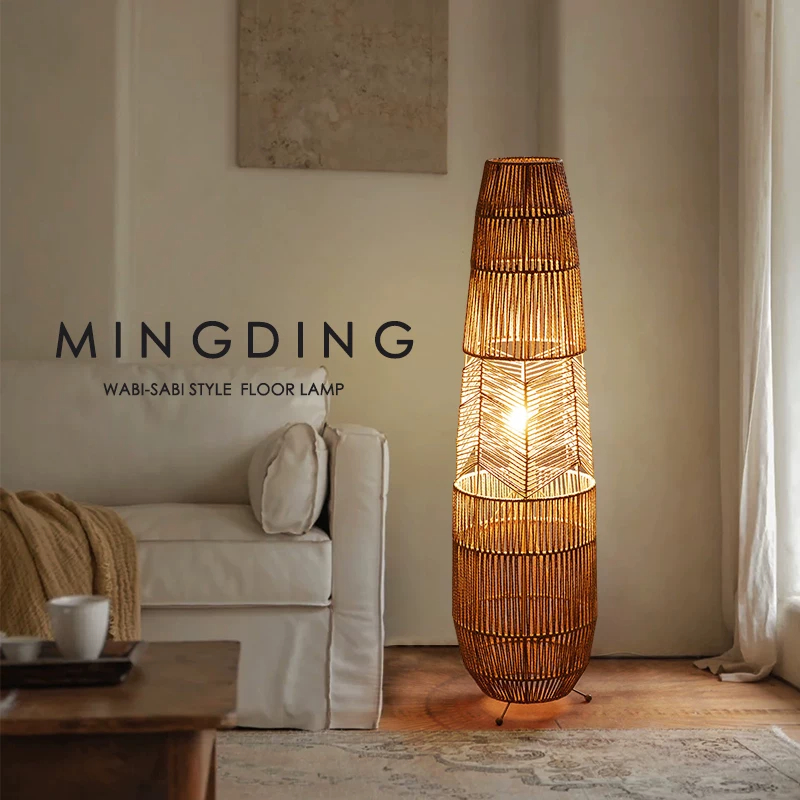
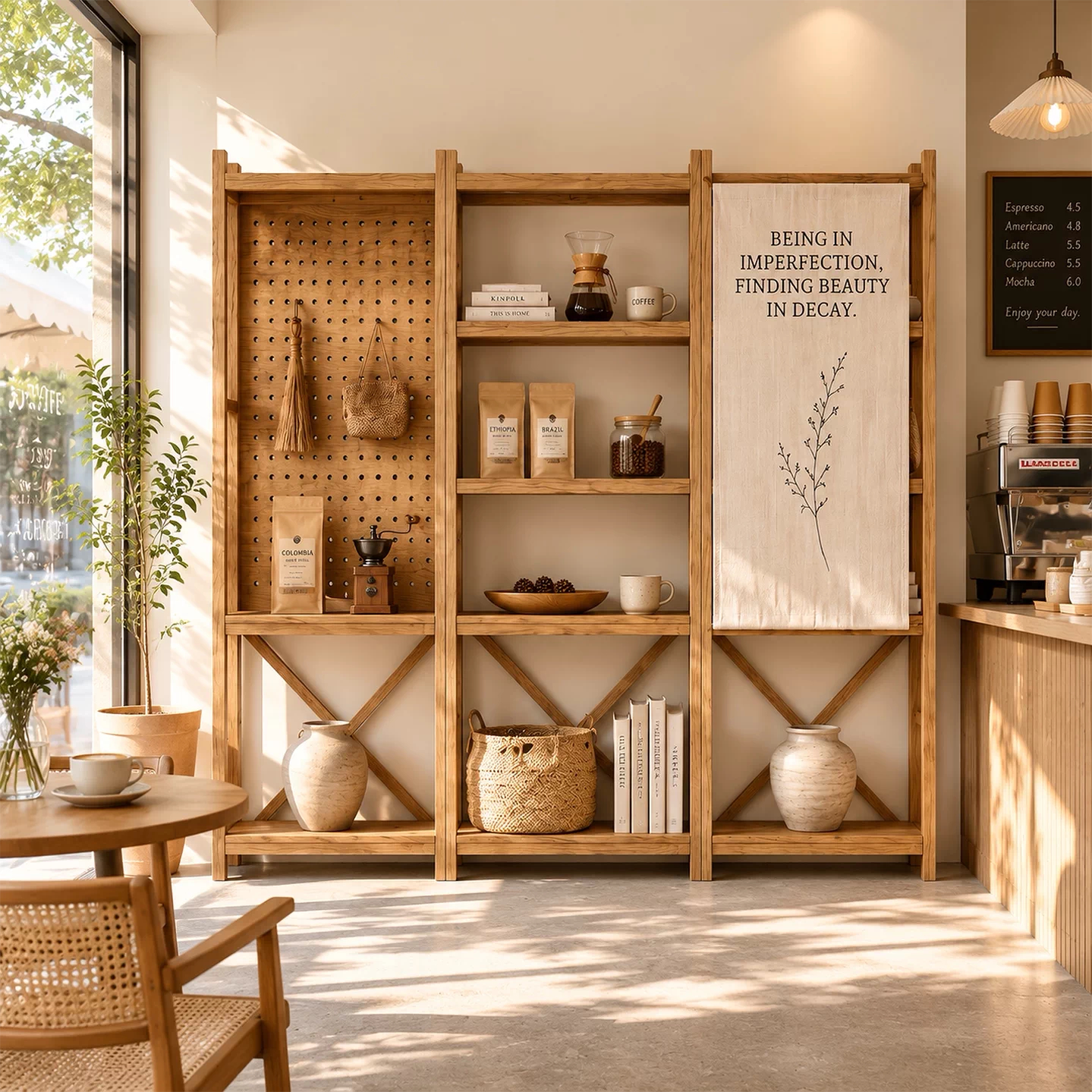
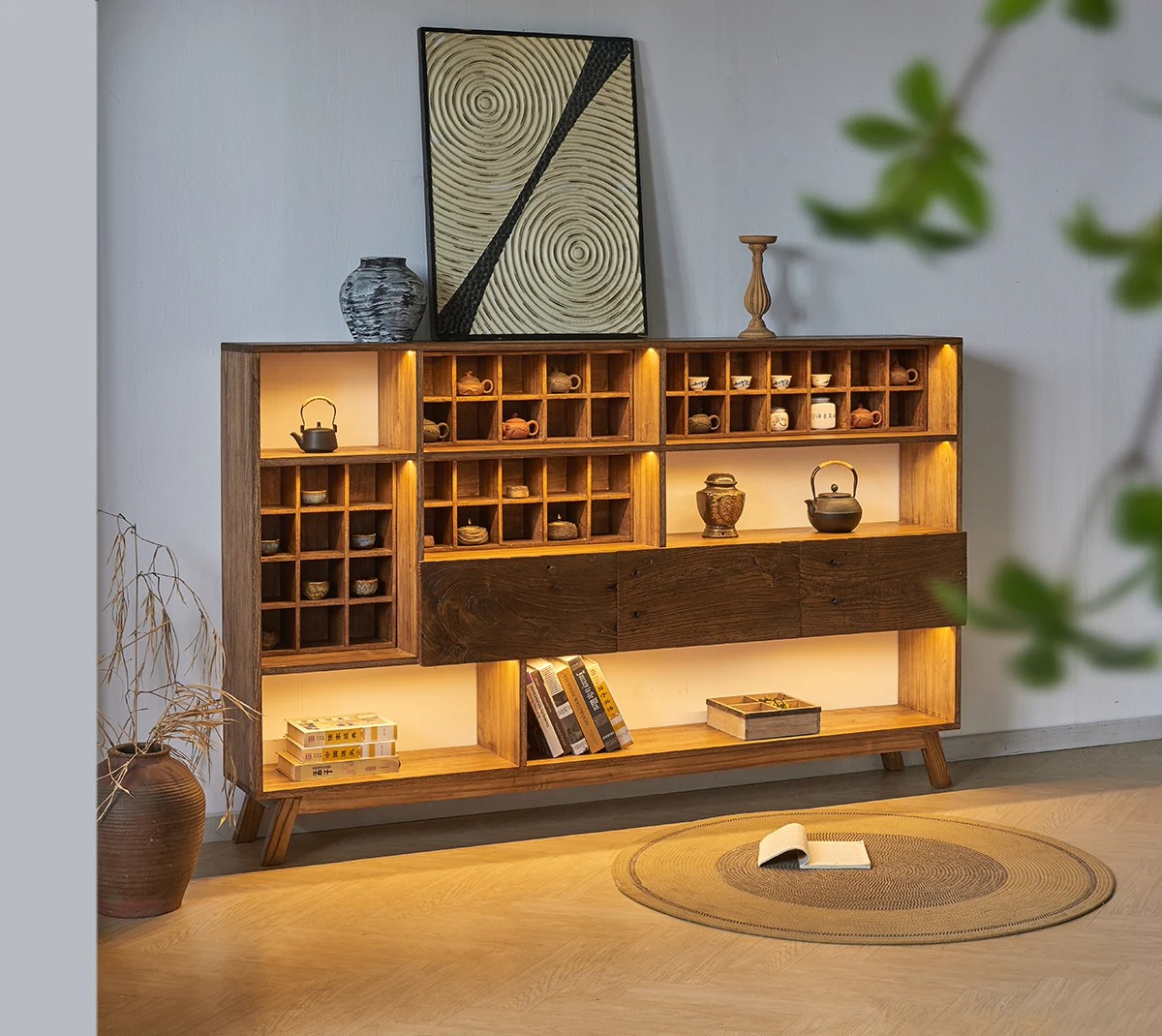
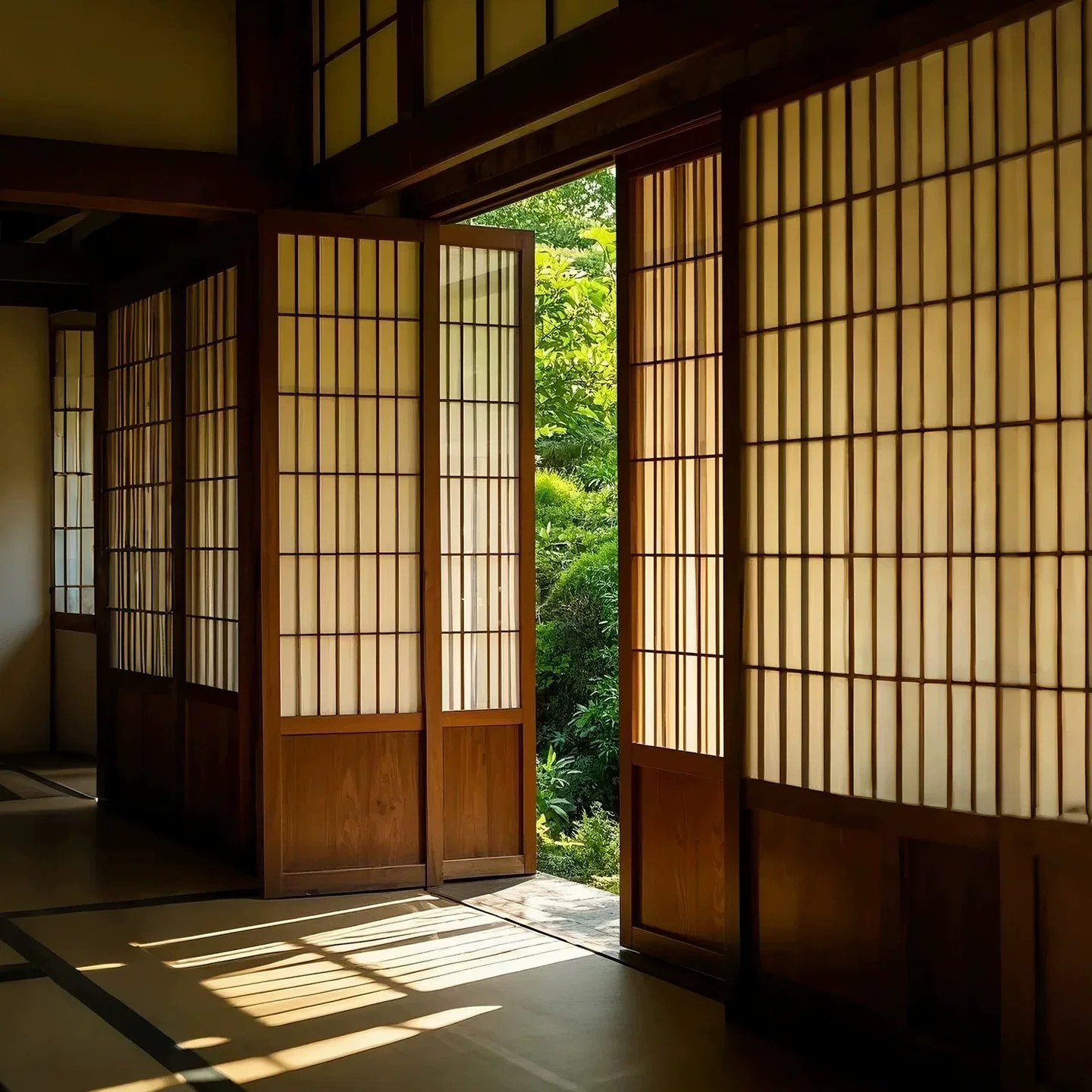
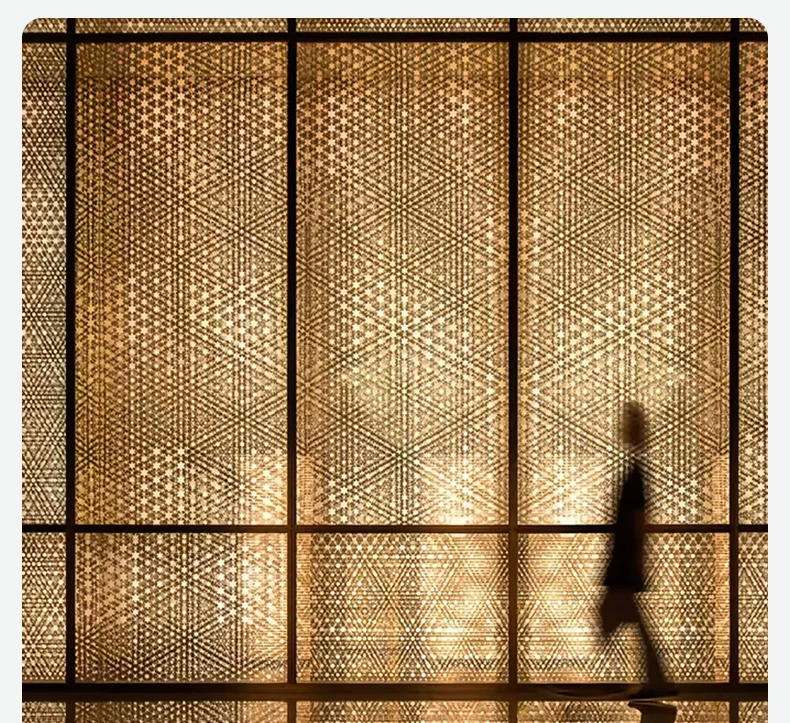
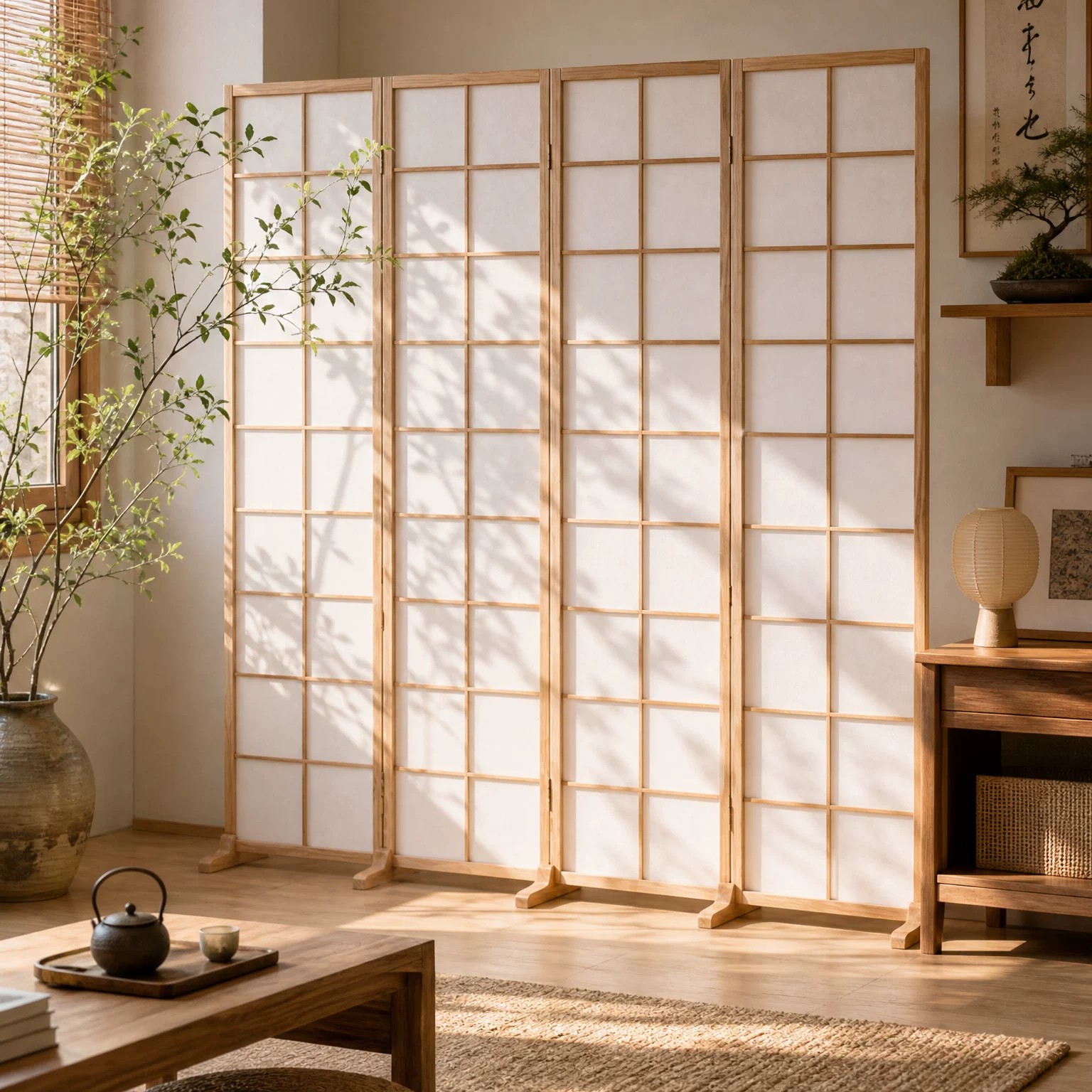
In Japandi architecture—a fusion of Japanese minimalism and Scandinavian functionality that is prevalent in contemporary resort design—rattan provides the necessary warmth and organic imperfection (wabi-sabi) to counterbalance clean lines and sleek surfaces. The material’s ability to filter light, creating dynamic patterns of shadow and illumination (komorebi), enhances the atmospheric quality of spaces, fostering a sense of tranquility essential for relaxation-focused environments.
Natural rattan architectural systems are highly adaptable, suitable for a wide range of applications that require both aesthetic impact and functional performance.
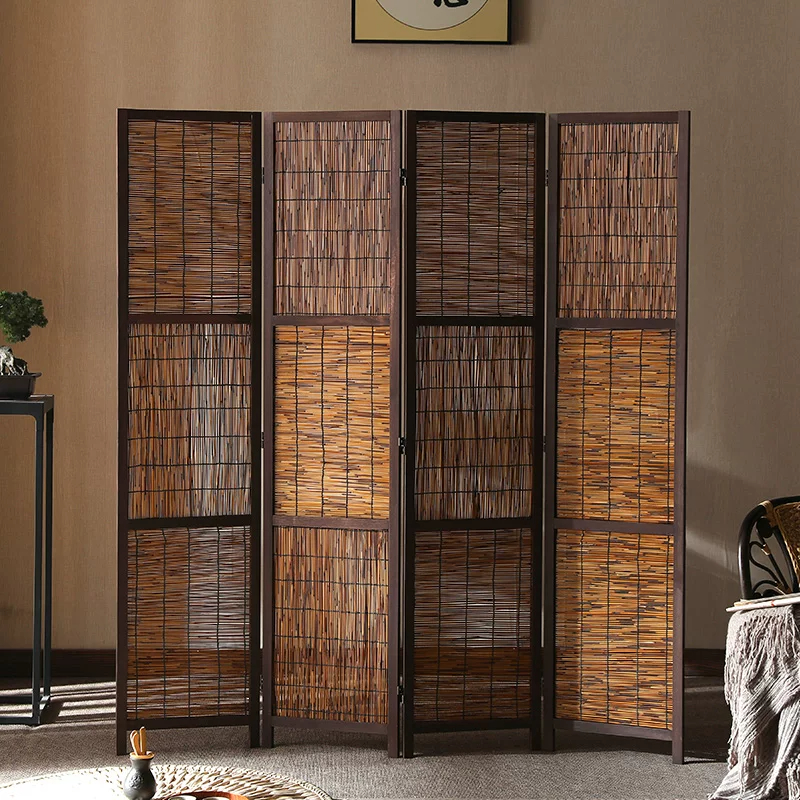
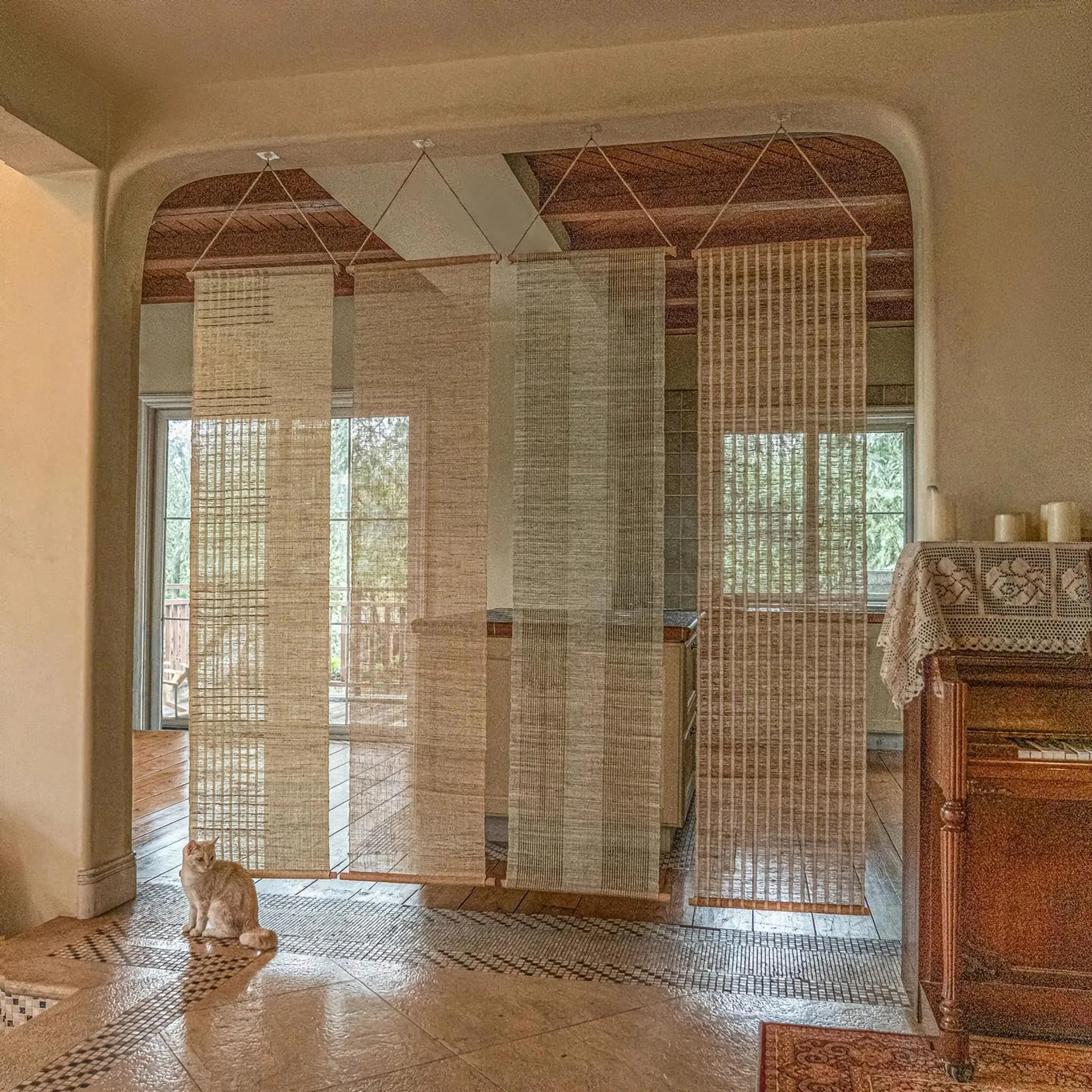
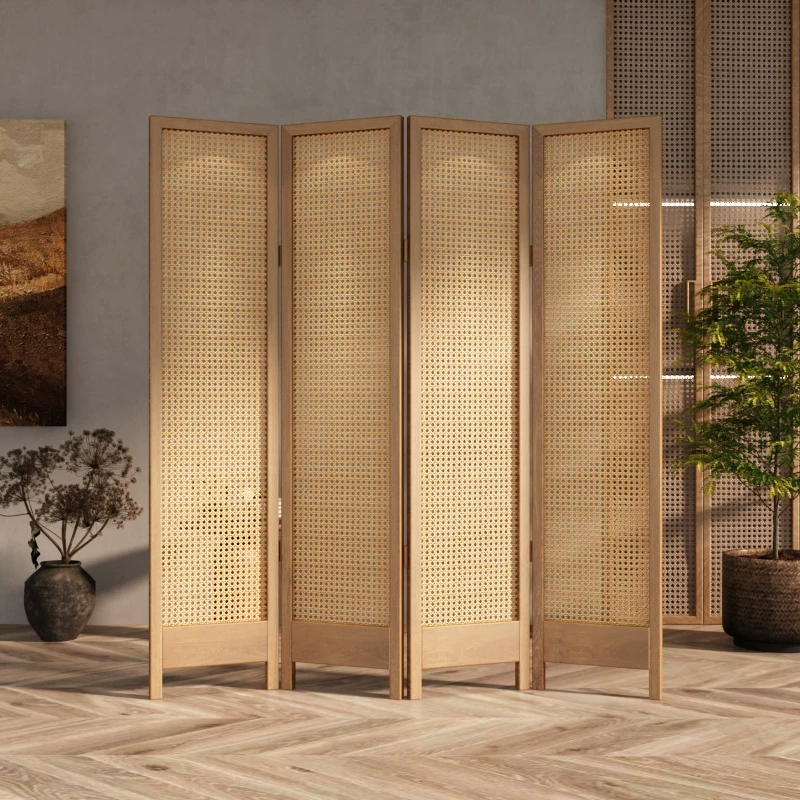
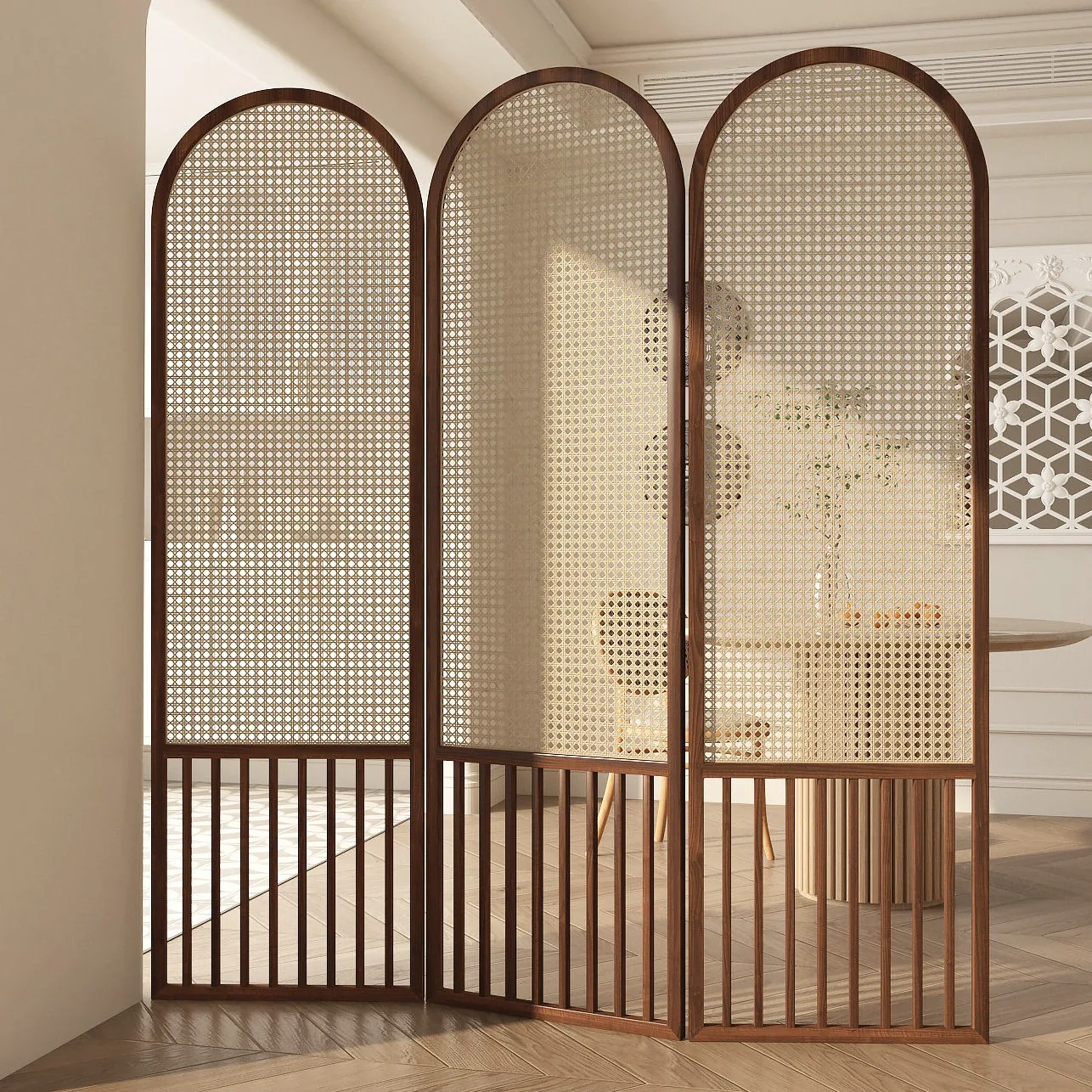
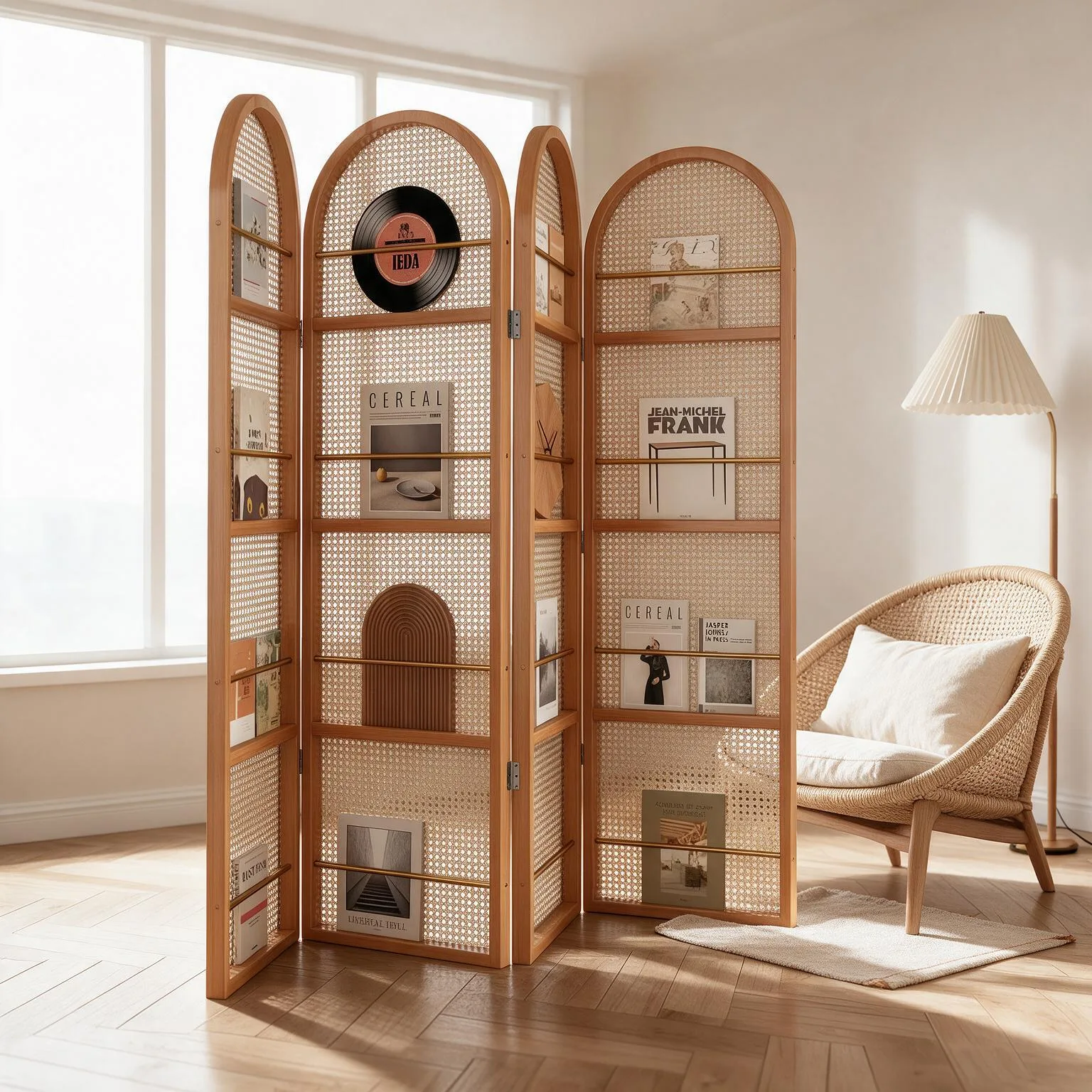
Perhaps the most common application in hospitality is the use of rattan for partitions and room dividers. In large hotel lobbies or open-plan restaurants, these screens define distinct zones—such as intimate seating areas or private dining nooks—without visually closing off the space. The permeability of the weave allows for airflow and visual continuity, maintaining an airy and spacious feel while providing necessary separation. These can be specified as fixed installations or integrated into operable track systems for maximum flexibility.
Rattan can transform often-neglected ceiling planes into major design features. Suspended rattan ceiling panels or direct-applied woven cladding add immense texture and depth. This application is particularly effective in large volume spaces, such as atrium lobbies or expansive resort restaurants, where it can lower the perceived visual height and add a layer of human scale. Furthermore, the woven structure of natural rattan can offer modest acoustic benefits by diffusing sound waves, contributing to a more comfortable auditory environment.
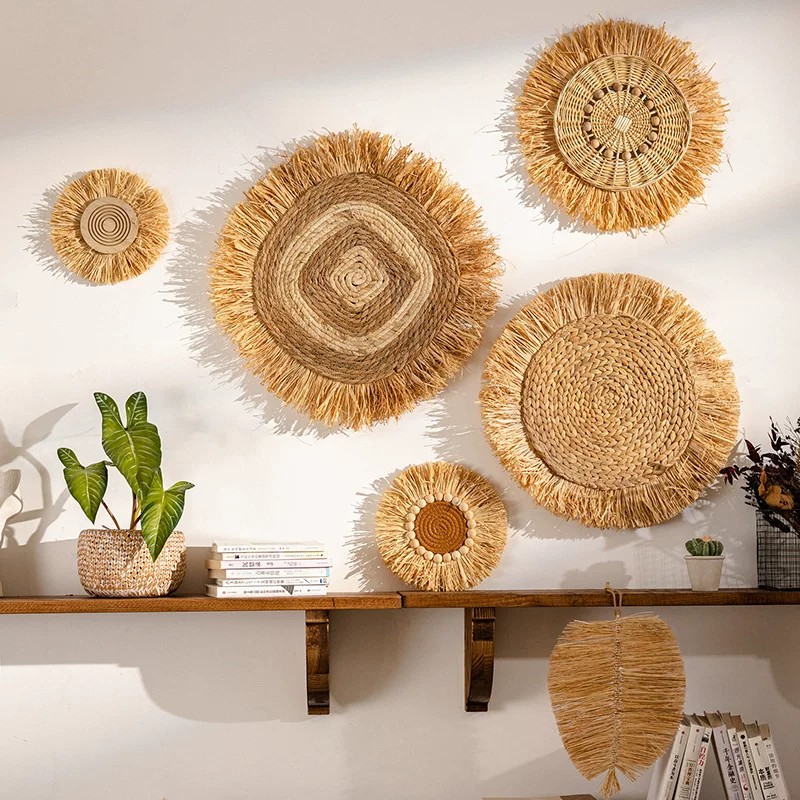
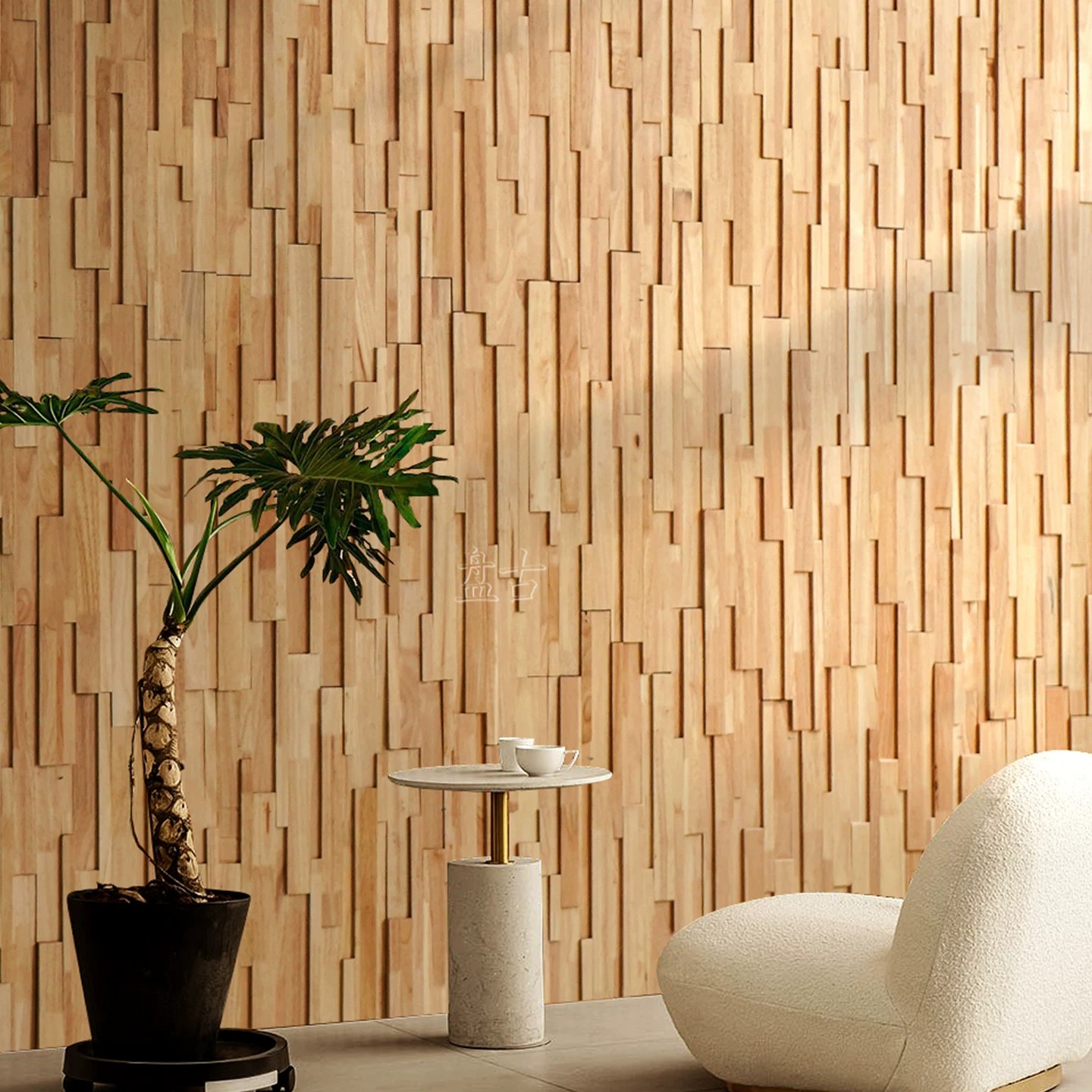
Applying natural rattan architectural systems as wall cladding introduces a sophisticated alternative to traditional wood paneling or wallpaper. A rattan feature wall behind a hotel reception desk or as a backdrop in a luxury spa instantly communicates a commitment to natural materials and artisan craftsmanship. When integrated with strategic lighting, the texture becomes highly emphasized, creating a dramatic focal point.
For architects and hospitality developers, material performance in high-traffic commercial environments is paramount. While rattan is inherently robust, its application in hospitality requires careful specification and treatment. Naturally, rattan is flexible, but when woven and framed within an architectural system, it gains significant structural stability.
In terms of maintenance, natural rattan is relatively low-maintenance but does require specific care to ensure longevity. Regular dusting with a soft brush or vacuum with a brush attachment is typically sufficient. For commercial hospitality applications, custom design considerations should include protective finishes. Applying specialized lacquers or sealants can enhance stain resistance and UV protection, particularly crucial in tropical resorts where sun exposure is intense.
It is critical to distinguish between natural rattan and synthetic ‘all-weather’ rattan. Natural rattan architectural systems are primarily intended for interior or covered exterior applications. While highly resilient, prolonged direct exposure to heavy rain and harsh UV rays can degrade the natural fibers over time. For covered terraces, balconies, and open-air pavilions in resorts, natural rattan performs exceptionally well, provided it is protected from direct saturation.
As sustainability becomes a core pillar of corporate responsibility in the hospitality sector, natural rattan presents a compelling environmental story. Rattan is a rapidly renewable resource, with some species growing up to several meters per year. It is typically harvested by hand by local communities, providing sustainable livelihoods without the environmental degradation associated with industrial logging.
Crucially, rattan harvesting encourages the preservation of existing forests, as the vine requires mature trees to climb. Unlike agricultural crops that require clear-cutting, rattan thrives in a healthy forest ecosystem. Specifying natural rattan architectural systems supports the conservation of these vital habitats and contributes to green building certifications such as LEED.
No two hospitality projects are identical, and the successful integration of natural materials often relies on customization. Bambooforma specializes in translating architectural concepts into feasible material systems. This involves not only selecting the appropriate weave pattern—from traditional open cane weaves to dense, complex diagonal patterns—but also engineering the framing and installation methods.
Architects can specify frame materials (such as metal for a modern edge or solid wood for a more organic look), panel dimensions, and finish colors to align precisely with the project’s design language. This capability for bespoke fabrication ensures that the natural rattan architectural systems integrate seamlessly with other interior elements, lighting, and MEP services.
Natural rattan architectural systems offer a sophisticated approach to integrating biophilic elements, texture, and sustainable luxury into modern hospitality spaces. By understanding the material’s characteristics, strategic applications, and technical requirements, architects and designers can leverage rattan to create spaces that are not only visually stunning but also environmentally responsible and operationally durable. For comprehensive project support, material samples, or consultation on custom natural material systems, contact Bambooforma to discuss your specific architectural requirements.
52.89
52.99
219