Japanese Screens as an Alternative to Permanent Partition Walls
Explore how a Japanese screen partition offers a temporary, flexible alternative to a partition wall in hospitality, commercial, and residential projects.

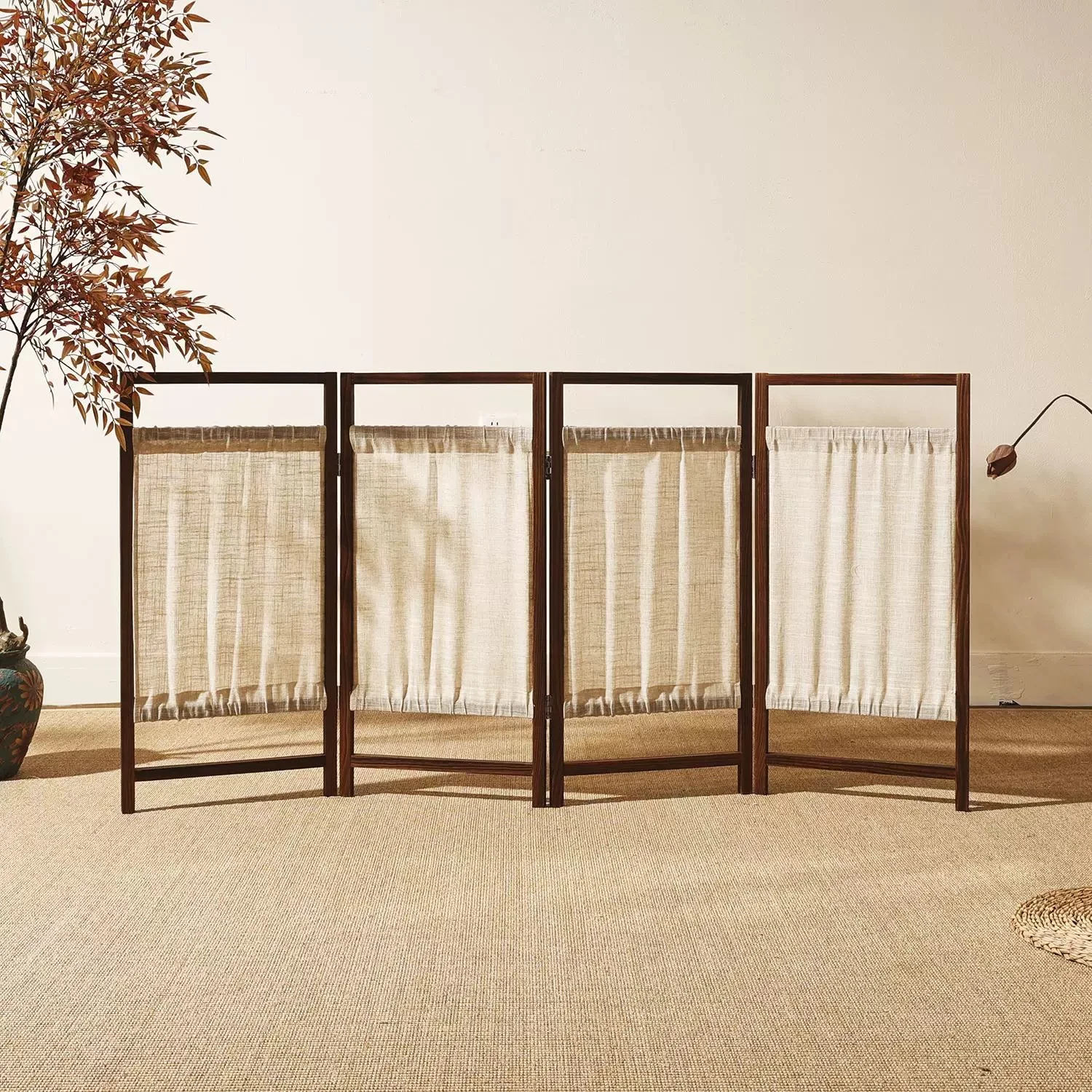
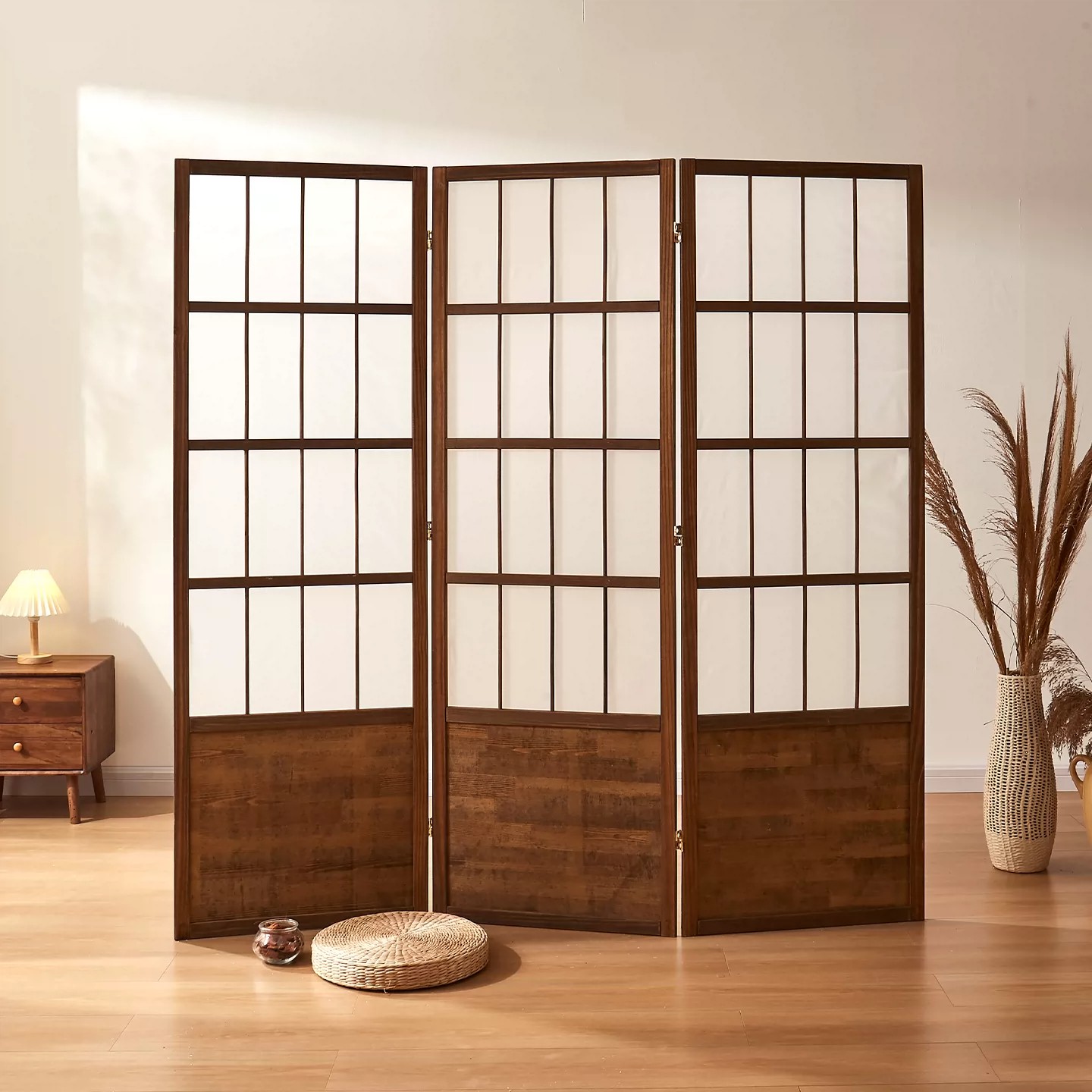
In contemporary architectural design, particularly within the hospitality and luxury commercial sectors, the ability to adapt spaces quickly and elegantly is paramount. As hotels, resorts, and restaurants seek to maximize the utility of their floor plans, traditional fixed partitions often prove too restrictive. The folding Japanese room divider presents a sophisticated, time-tested solution, offering a blend of artisanal aesthetics and practical functionality. Far from simple decorative elements, these systems are integral tools for sophisticated space management, aligning perfectly with modern requirements for flexible interior partitions.
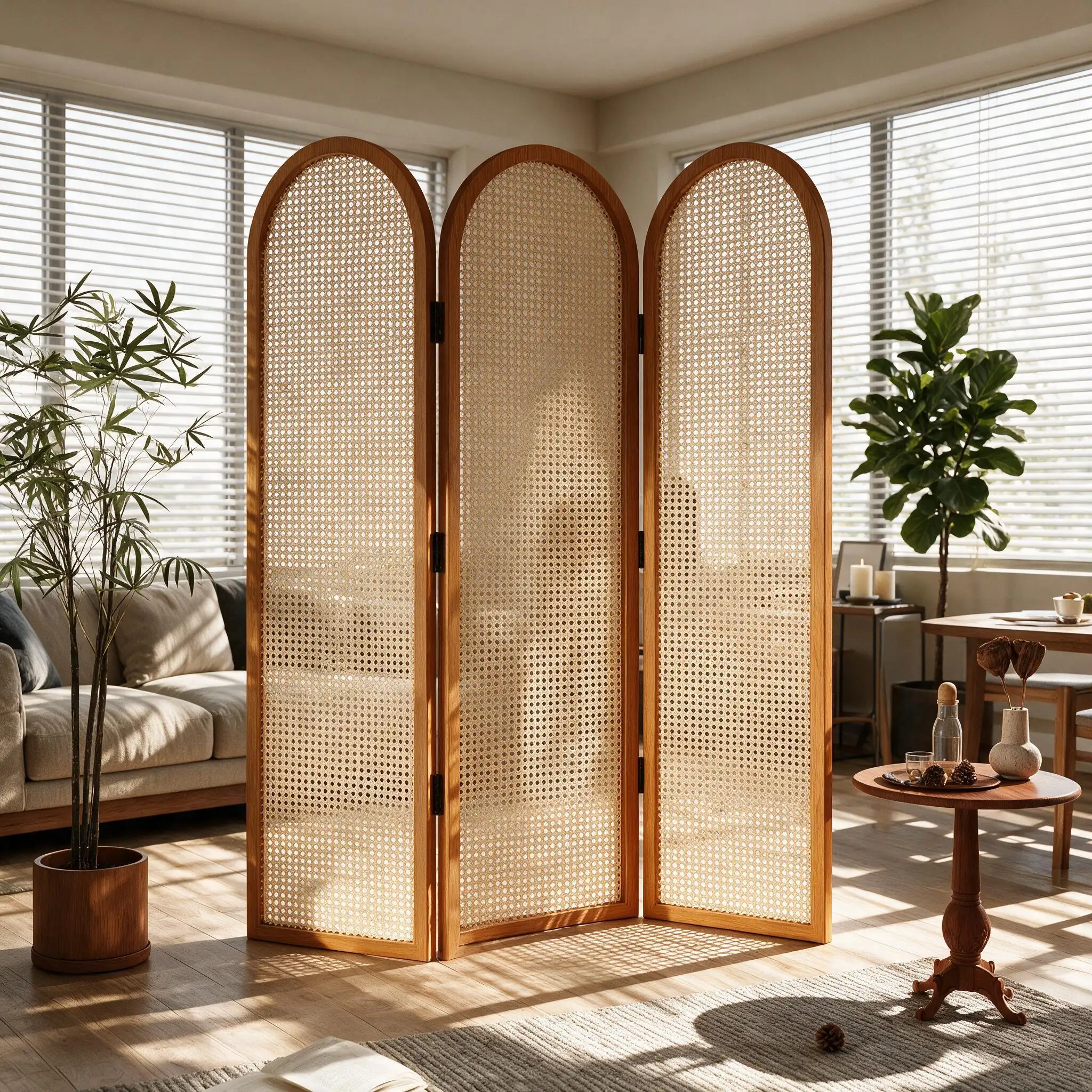
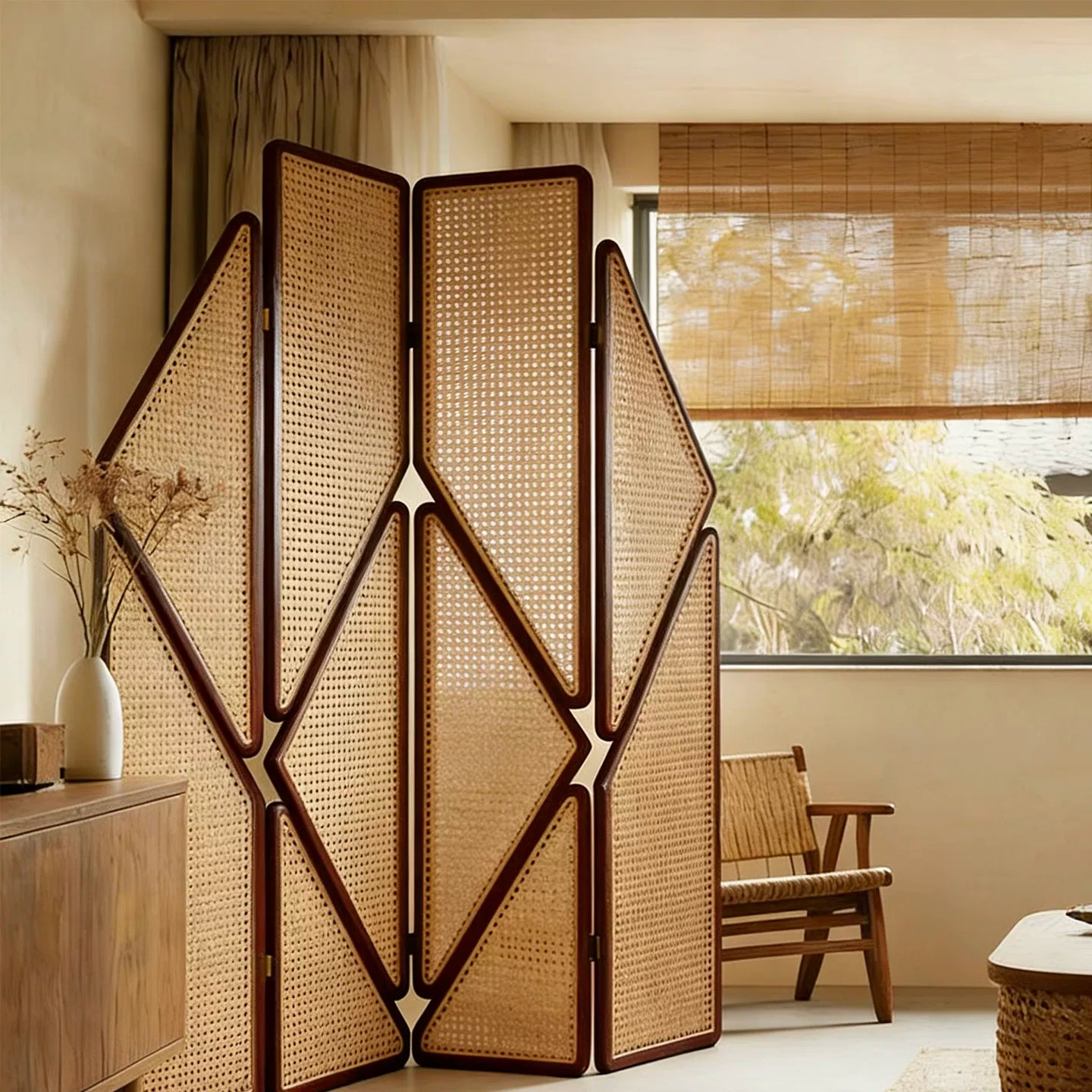
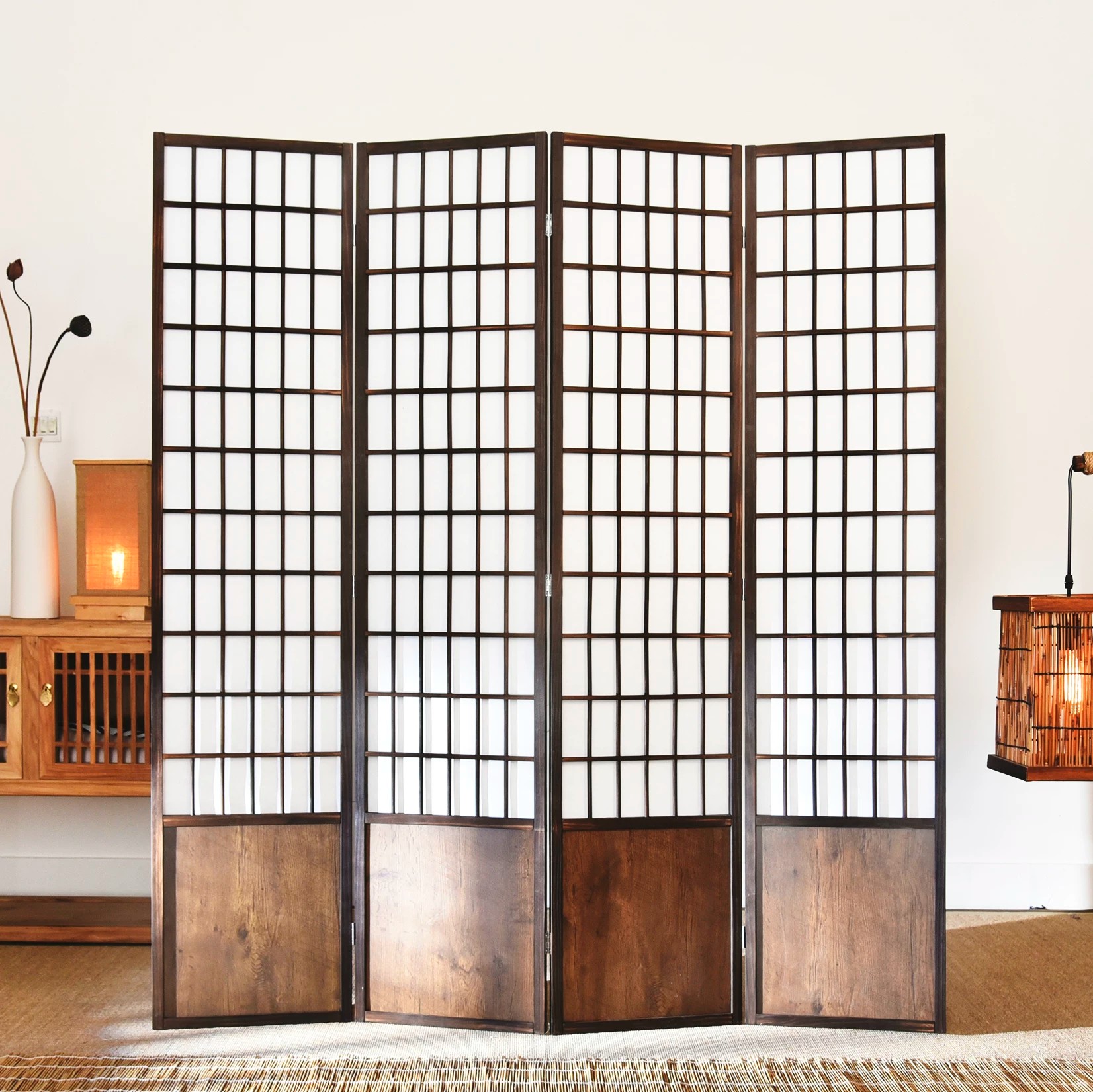
The Japanese folding screen, historically known as byōbu, has long been utilized to delineate spaces, provide privacy, and manage environmental factors like drafts or light. Its architectural relevance today stems from this inherent versatility, coupled with an aesthetic that complements minimalist, modern, and Japandi interior styles. For architects and interior designers, the primary value lies in its portability and ease of reconfiguration.
Unlike fixed walls or even heavy operable partitions, a folding room divider screen requires no structural modification for installation or operation. This non-invasive quality is invaluable in heritage buildings, leased commercial spaces, or environments where rapid spatial adjustments are necessary between events or operational modes. The use of natural materials, characteristic of these screens, also enhances the biophilic quality of the interior, supporting wellness-focused design initiatives increasingly prevalent in luxury hospitality.
The application of portable room dividers across hospitality and commercial interiors is diverse, addressing specific operational and aesthetic challenges.
In hotel lobbies, a flexible interior partition can create temporary intimate seating areas within a larger, open-plan space. This zoning enhances guest comfort without visual obstruction. In resort environments, these screens are highly effective as outdoor privacy screens on balconies or near pool cabanas, providing secluded zones that still allow for natural ventilation and dappled light.
Restaurants frequently utilize a folding room divider screen to adapt their dining floors for private parties or events. A Japanese folding screen can quickly cordon off a section of the main dining area, providing necessary acoustic and visual separation for a private group while maintaining the overall ambiance of the establishment.
In agile office environments, these screens offer a functional alternative to fixed meeting rooms. A portable room divider can define spontaneous breakout areas or quiet work zones, catering to the fluid needs of a modern workforce. Their lightweight nature allows employees to reconfigure the space as needed, promoting collaboration and efficiency.
When specifying a folding Japanese room divider for commercial projects, material selection and structural integrity are critical considerations. Bambooforma specializes in natural material systems engineered for professional applications, where durability must accompany aesthetic appeal. Traditional paper-faced screens (shoji) may lack the required durability for high-traffic environments.
We recommend utilizing more robust natural materials, such as performance-grade bamboo or reinforced rattan, for the infill panels. These materials offer greater impact resistance and ease of maintenance compared to traditional paper. The framework, typically constructed from sustainably sourced wood or reinforced bamboo, must feature high-quality joinery and articulation hardware (hinges) designed for frequent operation. For commercial applications, finishes should be selected for their durability and ease of cleaning, ensuring the screen maintains its premium appearance over time.
While a folding Japanese room divider is primarily a visual and spatial tool, its impact on acoustics should not be overlooked. While not providing full acoustic isolation like a fixed wall, screens with solid or denser infill panels (such as bamboo plank or woven rattan) can significantly help in sound attenuation and controlling reverberation within large, open spaces. This makes them valuable components in creating acoustic comfort, particularly in dining and lounge areas.
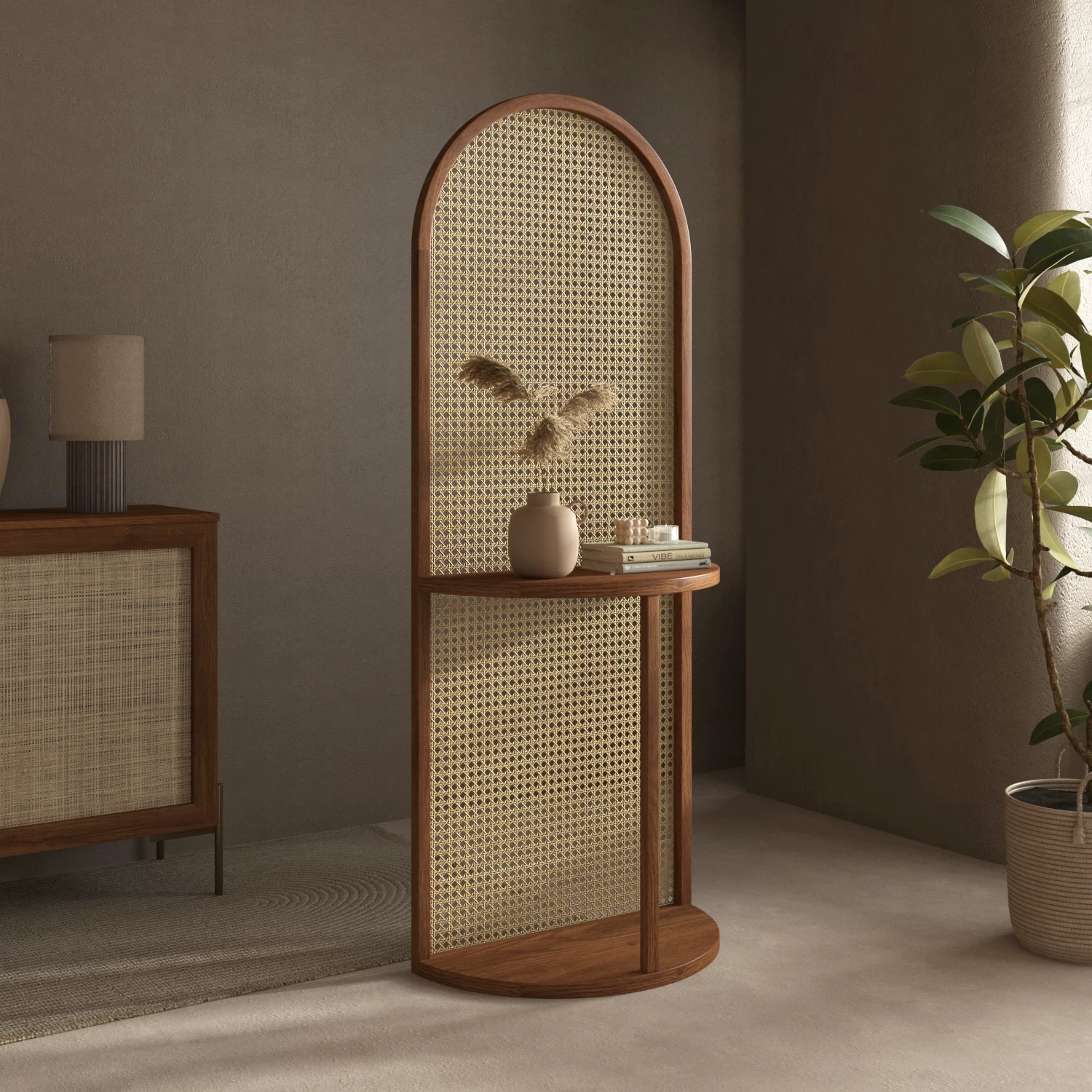
To successfully integrate a flexible interior partition into an architectural project, designers should consider the screen’s visual and tactile relationship with existing finishes. In Japandi or modernist interiors, the clean lines and natural textures of the screen can echo other architectural elements, such as wall cladding or ceiling systems, creating a cohesive design language.
Customization is often required to achieve this integration. Bambooforma works directly with designers to create bespoke screens that match specific material palettes, dimensions, and panel configurations. This level of customization ensures that the portable room divider is not merely a piece of furniture, but an articulated architectural element that enhances the overall spatial experience.Consider the interplay of light. A folding Japanese room divider with woven or translucent panels can act as a sophisticated light filter, creating dynamic patterns of light and shadow throughout the day. This contributes to a layered, textured environment that feels both sophisticated and dynamic.
The demand for flexible interiors in hospitality and commercial design will continue to grow as operators seek to maximize spatial efficiency and adapt to evolving client expectations. The folding Japanese room divider, with its blend of mobility, artisanal craftsmanship, and natural materials, offers a highly practical and aesthetically compelling solution. For architects and designers focused on creating sophisticated, adaptable, and sustainable environments, these screens are essential tools in their design toolkit. Bambooforma is dedicated to supporting this vision with customizable, high-performance natural material partition systems that elevate commercial and luxury residential projects.
For expert consultation on specifying or customizing folding partition systems for your next project, please contact our team of material specialists.
Yes, when specified correctly. While traditional paper shoji screens may be too delicate, Bambooforma fabricates commercial-grade screens using robust materials like performance-engineered bamboo, reinforced wood frames, and durable woven infills. High-quality commercial hardware ensures longevity under frequent operation.
A portable room divider is designed for visual and spatial separation rather than full acoustic isolation. However, screens with denser infill panels (like bamboo or thick rattan) significantly aid in sound attenuation and controlling reverberation, improving acoustic comfort within open areas.
Absolutely. Customization is a core part of our service. We collaborate with architects and designers to customize the material selection, frame finish, panel design, and dimensions to ensure the folding room divider screen integrates seamlessly into the overall architectural scheme.
Regular maintenance is straightforward, typically involving dusting or wiping with a damp cloth. For screens with complex woven patterns, occasional vacuuming with a soft brush attachment may be necessary. Specific maintenance recommendations depend on the selected materials and finishes.
Yes, but require careful material selection. For outdoor applications, such as on resort balconies or restaurant patios, we specify weather-resistant bamboo species and durable outdoor finishes to ensure longevity against UV exposure and moisture. We encourage consulting with our team for appropriate material selection.